Discover Negeri Sembilan’s distinctive Minangkabau heritage through its matrilineal customary traditions, historic royal palaces, traditional architecture and cultural museums. From Seri Menanti’s timber palace to Jelebu’s Adat Museum and Lukut’s hilltop fort, the trail offers an insight into Malaysia’s diverse historical identity.
Across Malaysia’s fourteen states, cultural heritage takes many forms, from royal palaces and colonial-era buildings to ancient fortifications and traditional villages. In Negeri Sembilan, however, a distinctive cultural identity emerges through sweeping, horn-shaped roofs, timber architecture, fertile valleys and a customary system in which ancestral lineage and property pass through the female line.
Known as Adat Perpatih, this matrilineal customary system originated among the Minangkabau people of West Sumatra, Indonesia, and became deeply rooted in Negeri Sembilan through historical migration. It continues to shape aspects of family relationships, customary leadership and the inheritance of ancestral property, distinguishing the state from many other Malay communities where patrilineal traditions are more prevalent.
Under Adat Perpatih, customary ancestral property, known as harta pusaka, is generally inherited through the female line. Community elders, known as ninik mamak, play important advisory roles, while customary leaders called Undang participate in the traditional system of selecting the state’s ruler. These practices reflect a cultural emphasis on collective responsibility, consensus and the preservation of community heritage.
The Minangkabau Trail provides an opportunity to explore this living heritage through royal landmarks, traditional settlements, museums and cultural attractions. Stretching across Seri Menanti, Jelebu, Seremban and Lukut, the journey brings together the architectural, social and historical influences that have shaped Negeri Sembilan.
Muzium Diraja Seri Menanti: A Masterpiece of Traditional Timber Architecture
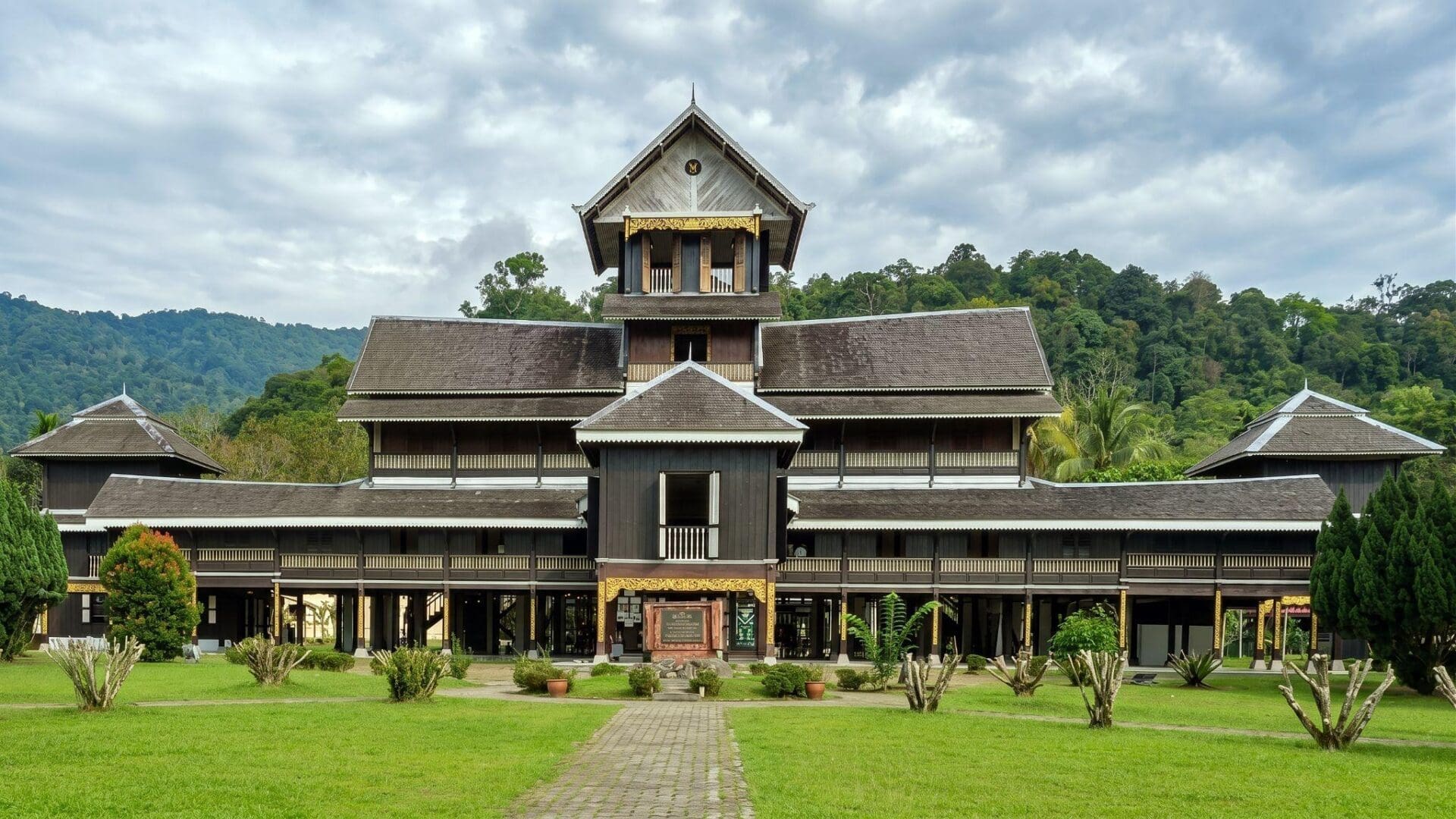
The Muzium Diraja Seri Menanti, also known as Istana Lama Seri Menanti, is one of Negeri Sembilan’s most recognisable architectural landmarks. Built between 1902 and 1908 for the seventh Yang di-Pertuan Besar, Tuanku Muhammad, the former royal palace stands as an outstanding example of traditional Malay craftsmanship influenced by Minangkabau architectural traditions.
Rising approximately 67 feet across four storeys, the palace is supported by 99 timber pillars, traditionally associated with the state’s 99 warriors. Its construction demonstrates the ingenuity of traditional carpentry, with wooden pegs and mortise-and-tenon joints used instead of metal nails.
The palace’s distinctive roofline curves upwards at the ends, resembling the horns of a water buffalo, a characteristic feature of Minangkabau architecture. Constructed from durable hardwoods, including cengal and penak, the building also features elaborate floral carvings attributed to master craftsmen Kahar and Taib.
After serving as a royal residence, the palace was converted into a Royal Museum in 1992. Although the interior exhibitions are reported to be closed for structural conservation, the building’s exterior remains a significant attraction for visitors interested in traditional architecture and royal history.
Set against the greenery surrounding Seri Menanti, the palace illustrates how architectural traditions can preserve cultural identity across generations.
Galeri Diraja Tuanku Ja’afar: The Life and Legacy of a Negeri Sembilan Ruler
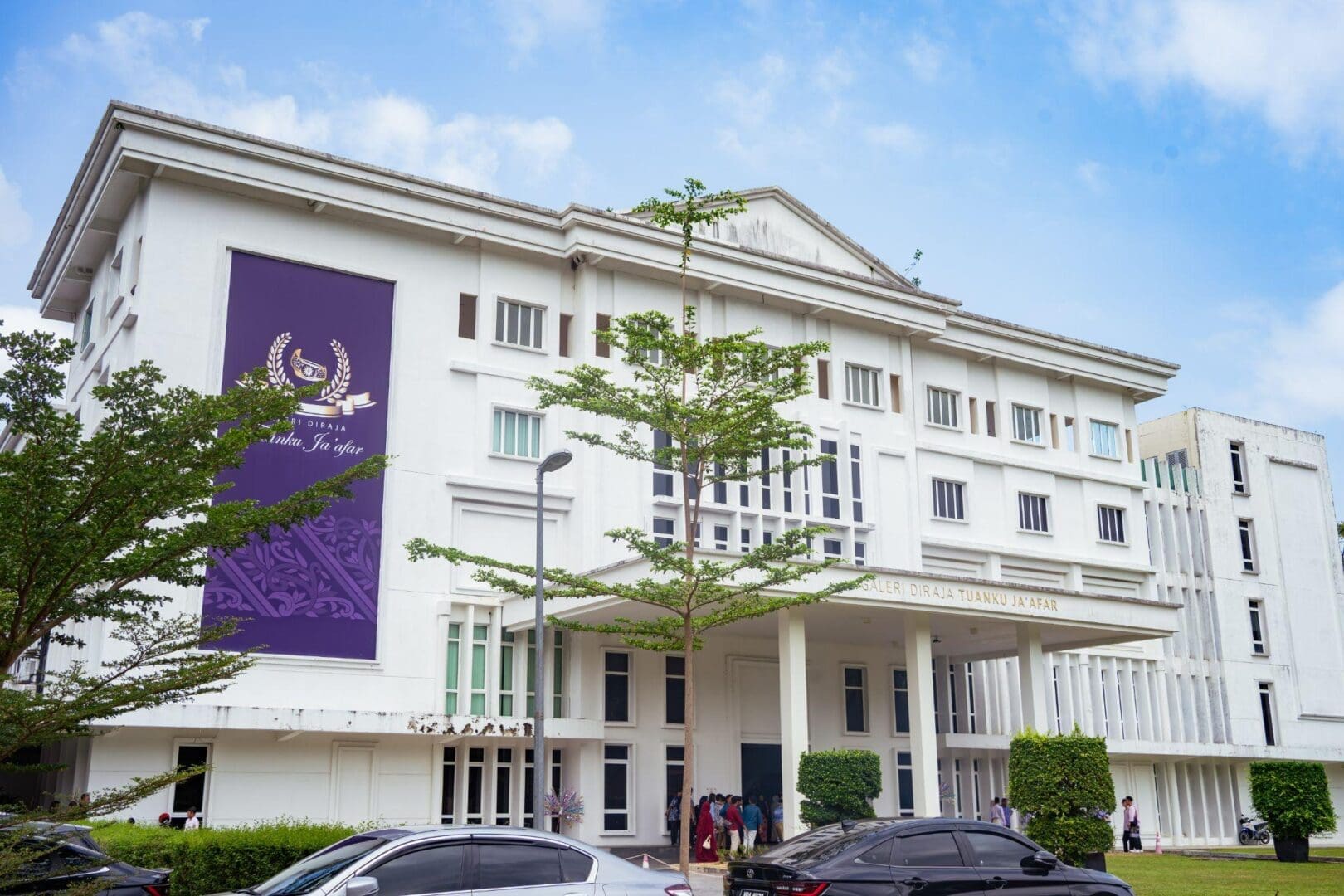
Located near Seremban’s Lake Gardens, Galeri Diraja Tuanku Ja’afar commemorates the life and leadership of Almarhum Tuanku Ja’afar ibni Almarhum Tuanku Abdul Rahman, the tenth Yang di-Pertuan Besar of Negeri Sembilan. He also served as Malaysia’s tenth Yang di-Pertuan Agong.
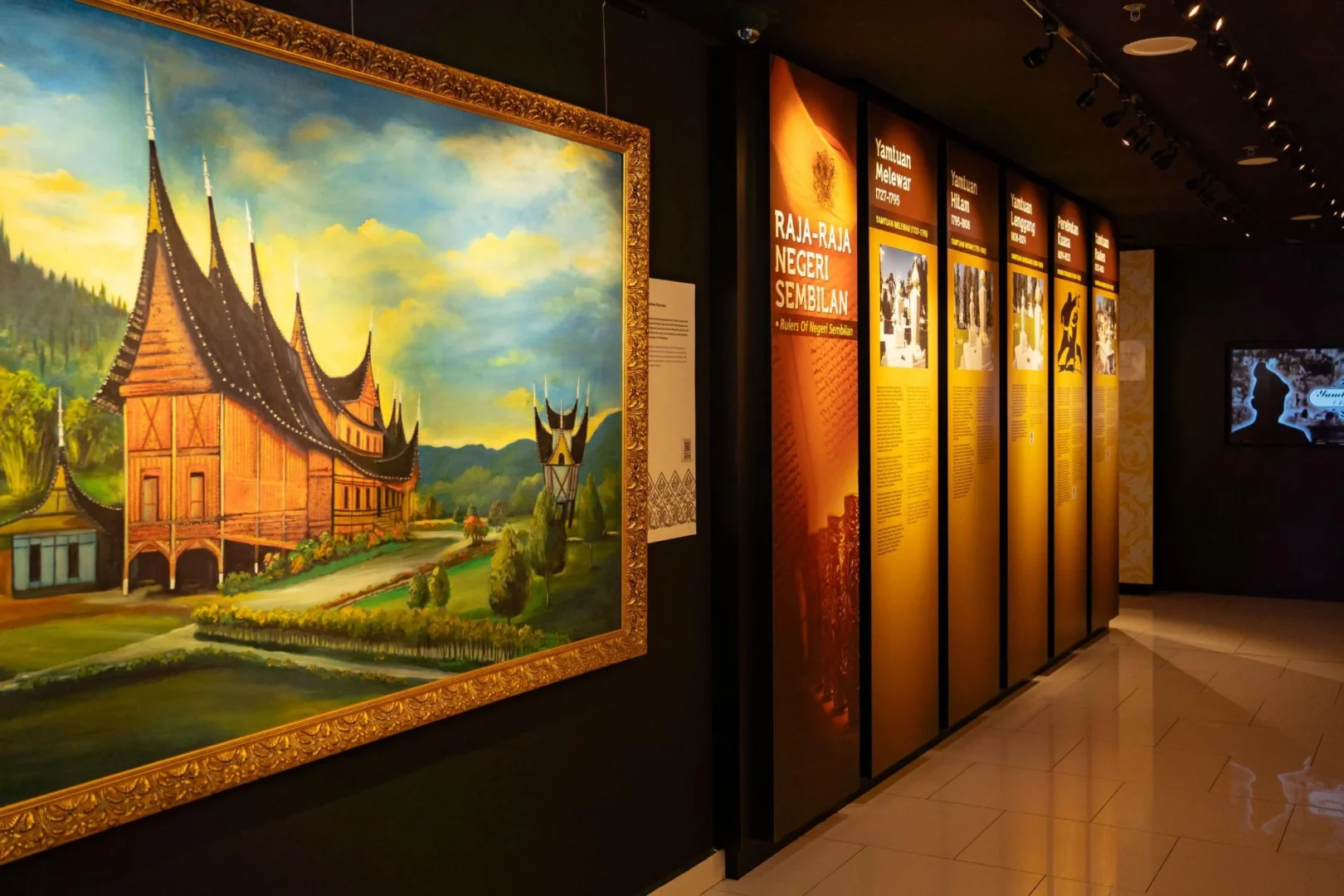
The gallery documents his life and 42-year reign through interactive displays, historical photographs, royal artefacts and personal collections. Its exhibitions also introduce visitors to the history of Minangkabau migration and the distinctive system through which Negeri Sembilan selects its ruler.
Among the highlights are royal regalia, military uniforms and objects reflecting Tuanku Ja’afar’s interests in sport, art and vintage motorcars. Together, these collections provide a broader understanding of the relationship between the state’s royal institution, its historical development and its cultural traditions.
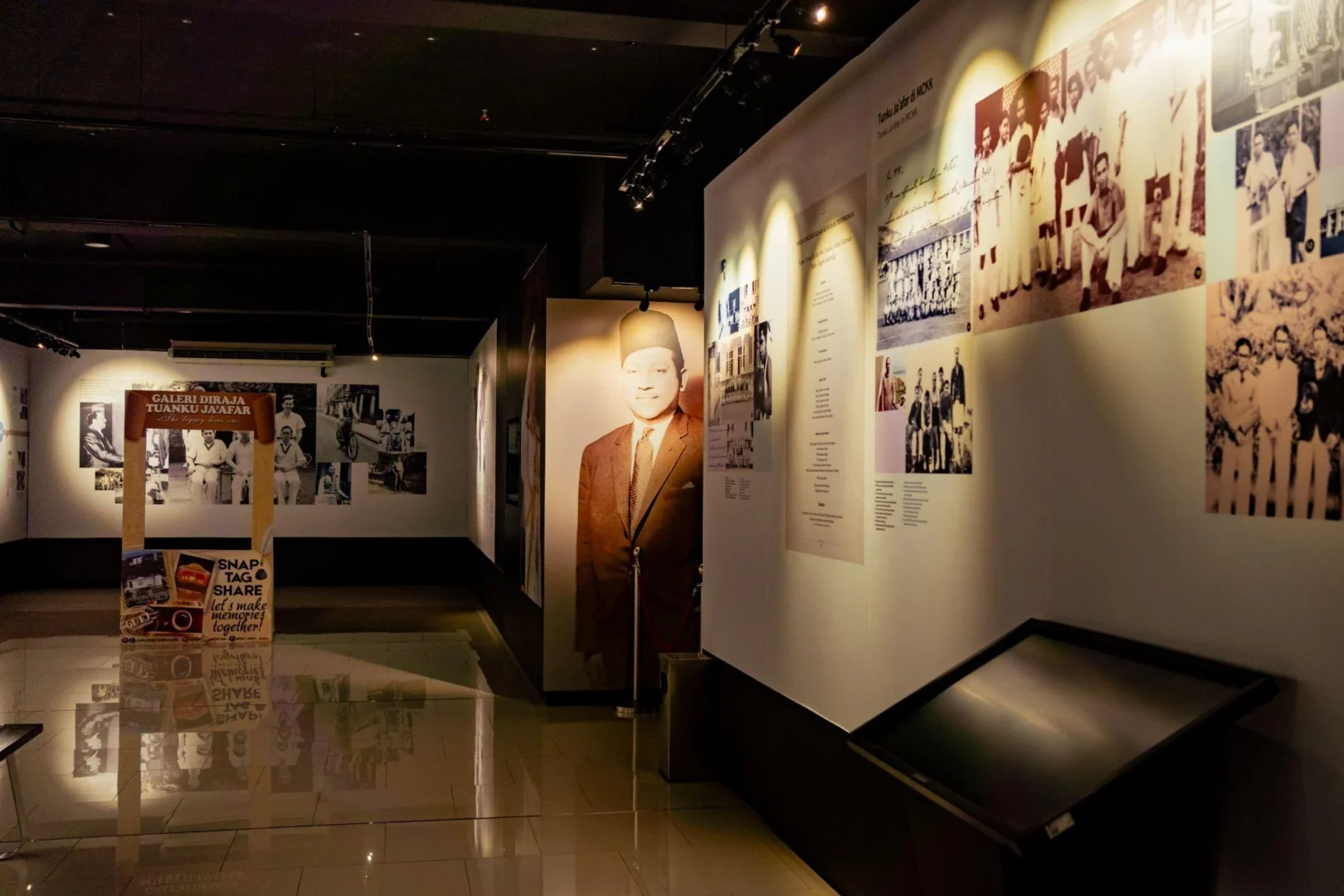
For visitors seeking to understand Negeri Sembilan beyond its architectural landmarks, the gallery offers a personal perspective on the people and institutions that have shaped the state.
Bandar Diraja Seri Menanti: Discovering the Royal Town
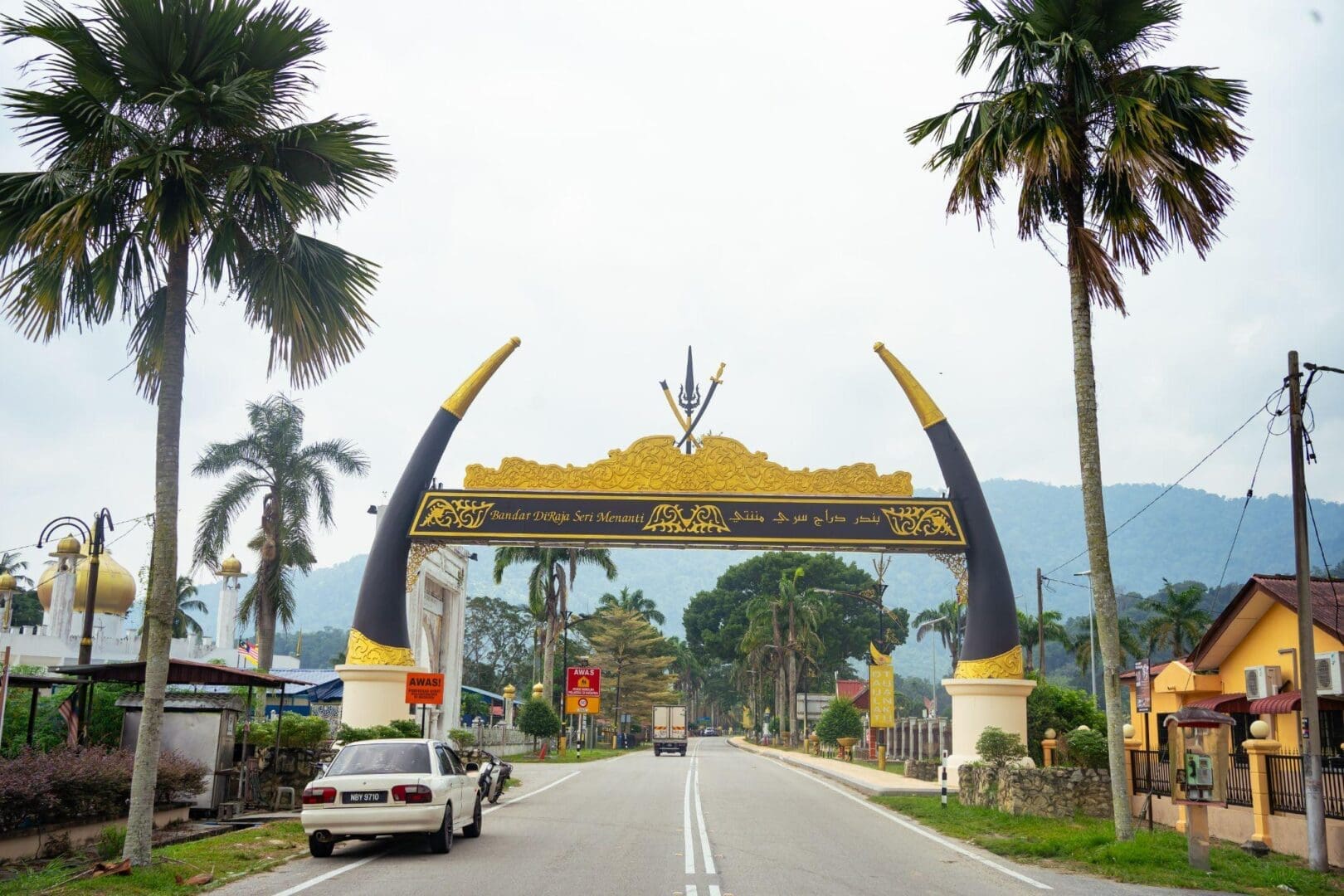
Beyond the former palace, Bandar Diraja Seri Menanti offers a quieter introduction to the cultural landscape of Negeri Sembilan. Surrounded by green hills, paddy fields and traditional villages, the royal town retains a countryside character closely connected to its historical identity.
A leisurely drive through the area reveals traditional timber houses, rural landscapes and historic royal sites. Among the principal landmarks are Istana Besar, the current official royal palace; Masjid Diraja Tuanku Munawir, the Royal Mosque; and Makam Diraja, the royal burial ground where generations of Negeri Sembilan rulers are laid to rest.
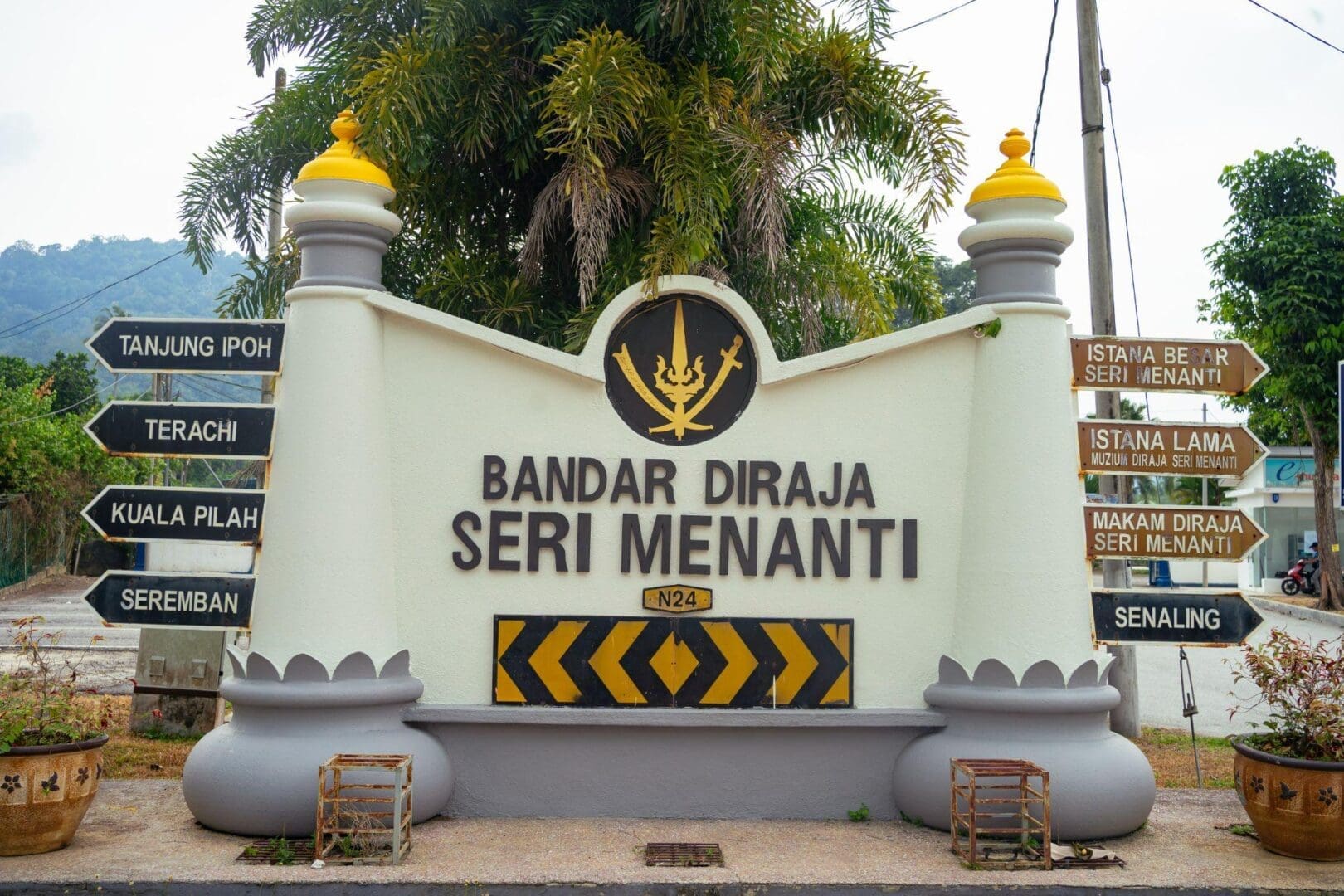
The surrounding settlements provide glimpses of traditional village life, while the natural scenery offers a contrasting experience to the busier urban centre of Seremban.
Exploring the royal precinct allows visitors to appreciate the relationship between the monarchy, local communities and the surrounding landscape. It also provides a useful introduction to the traditions that continue to define Seri Menanti as the ceremonial heart of Negeri Sembilan.
Casa Menanti: A Countryside Retreat Near Seri Menanti
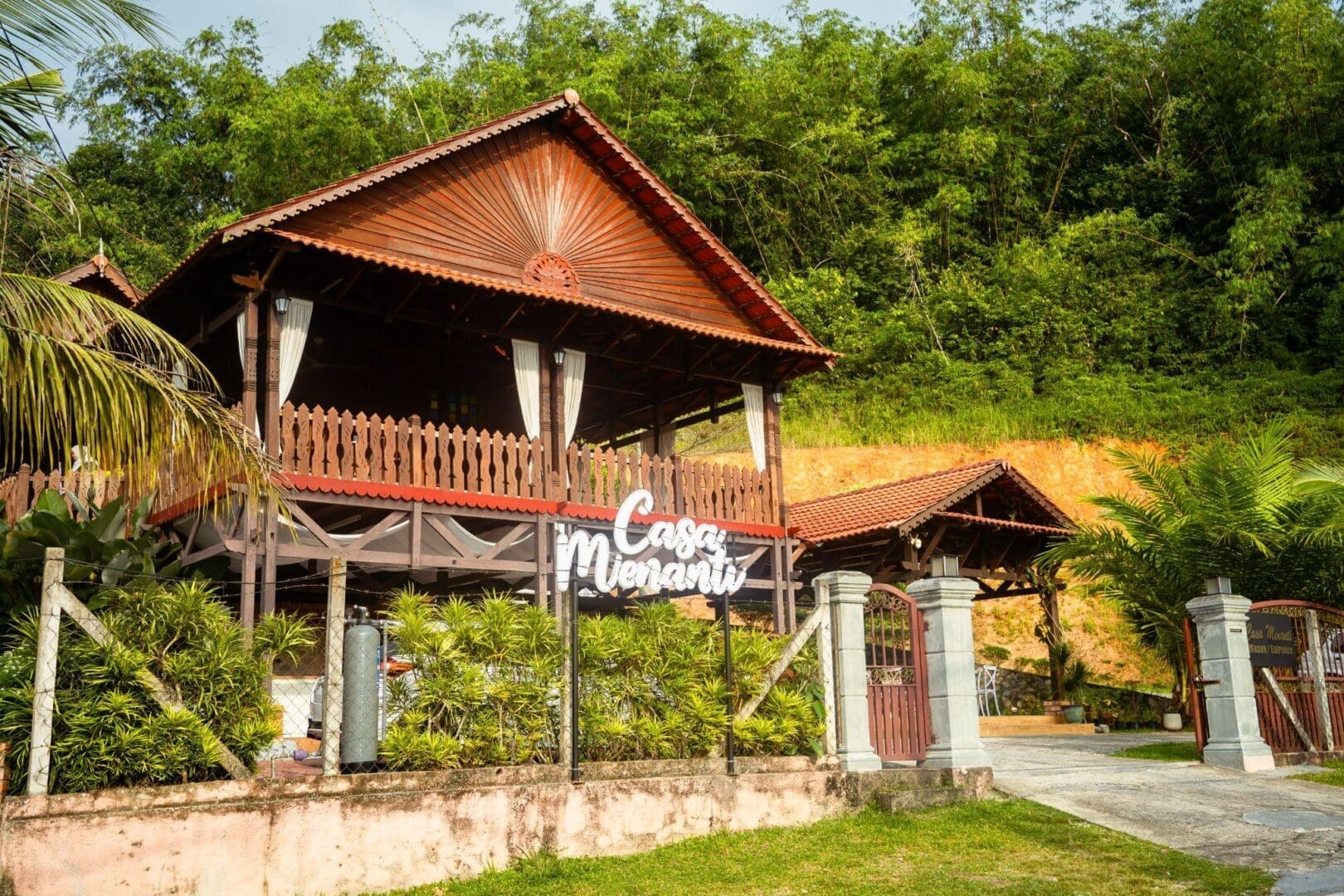
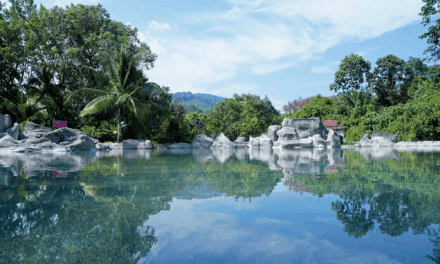
For travellers wishing to extend their stay, Casa Menanti offers a countryside accommodation option among the green hills of Seri Menanti. The property features Mediterranean-inspired wooden cabins arranged around an outdoor swimming pool, combining contemporary comforts with a relaxed village atmosphere.
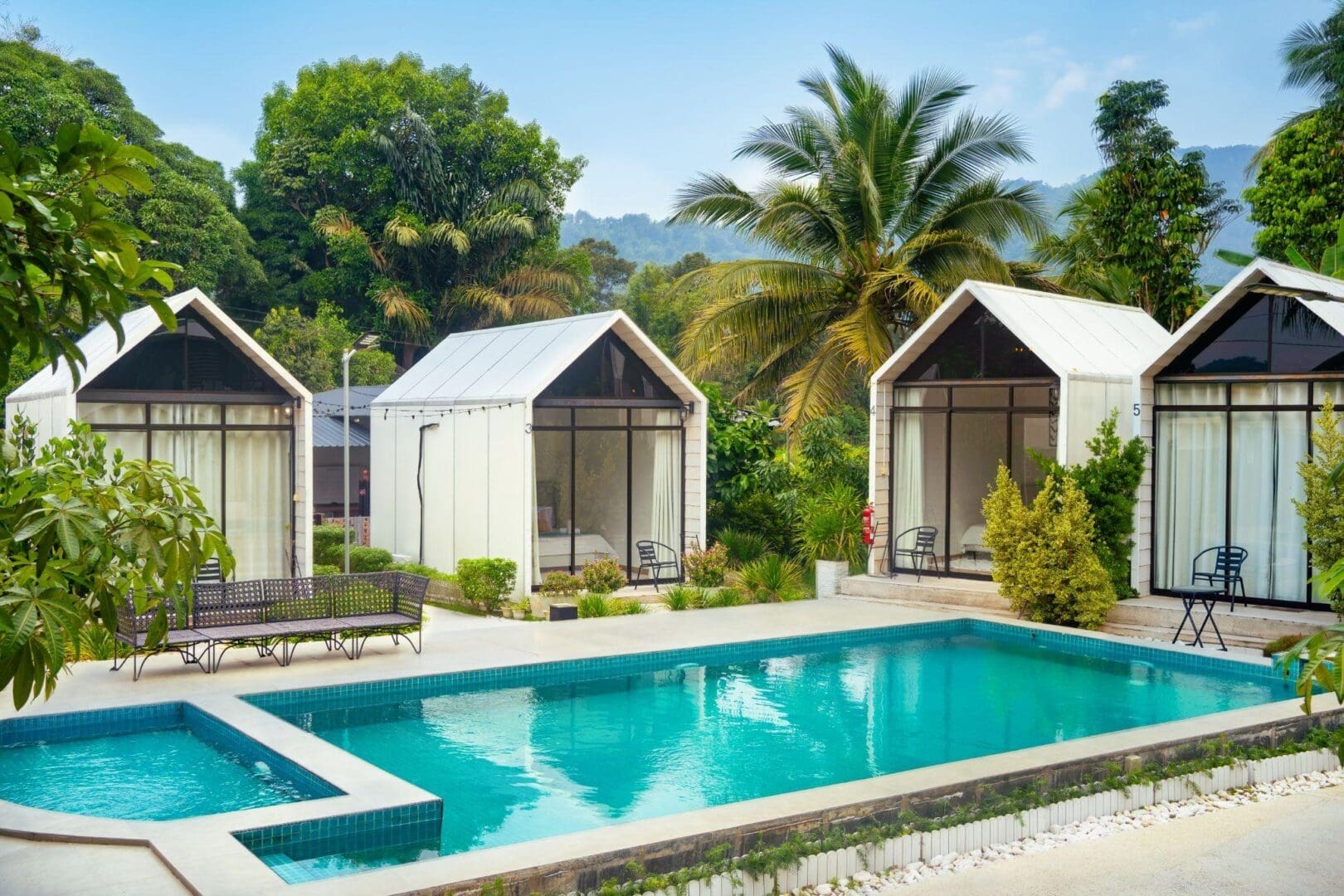
Facilities include a main swimming pool, a separate children’s pool and outdoor seating areas. According to the property’s description, guests can also enjoy complimentary bicycles and ATV rides, explore nearby countryside routes and visit a freshwater stream beside the accommodation.
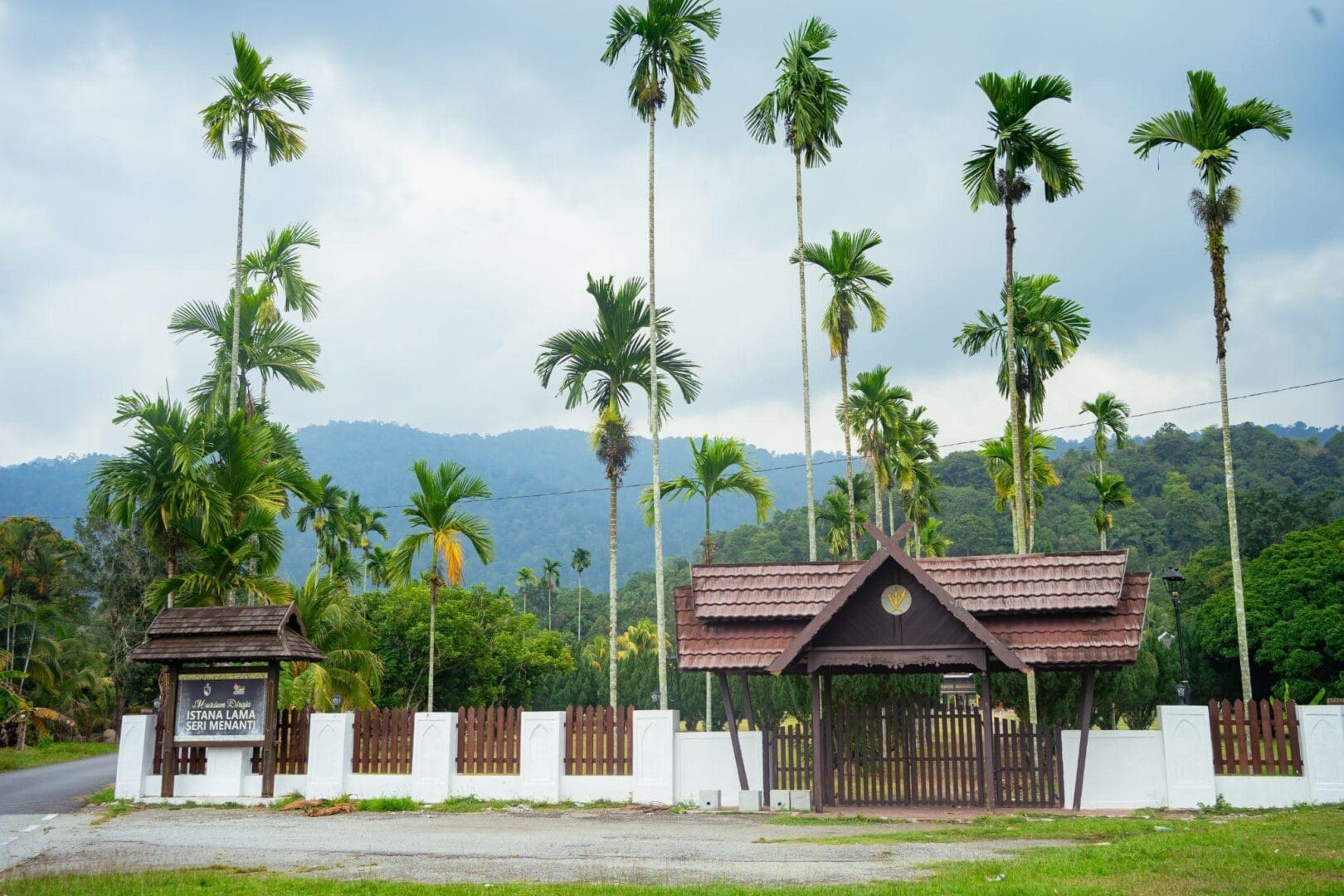
The surrounding area provides access to cultural landmarks, including Istana Lama Seri Menanti, as well as nearby outdoor destinations such as Bukit Senaling and Mount Angsi.
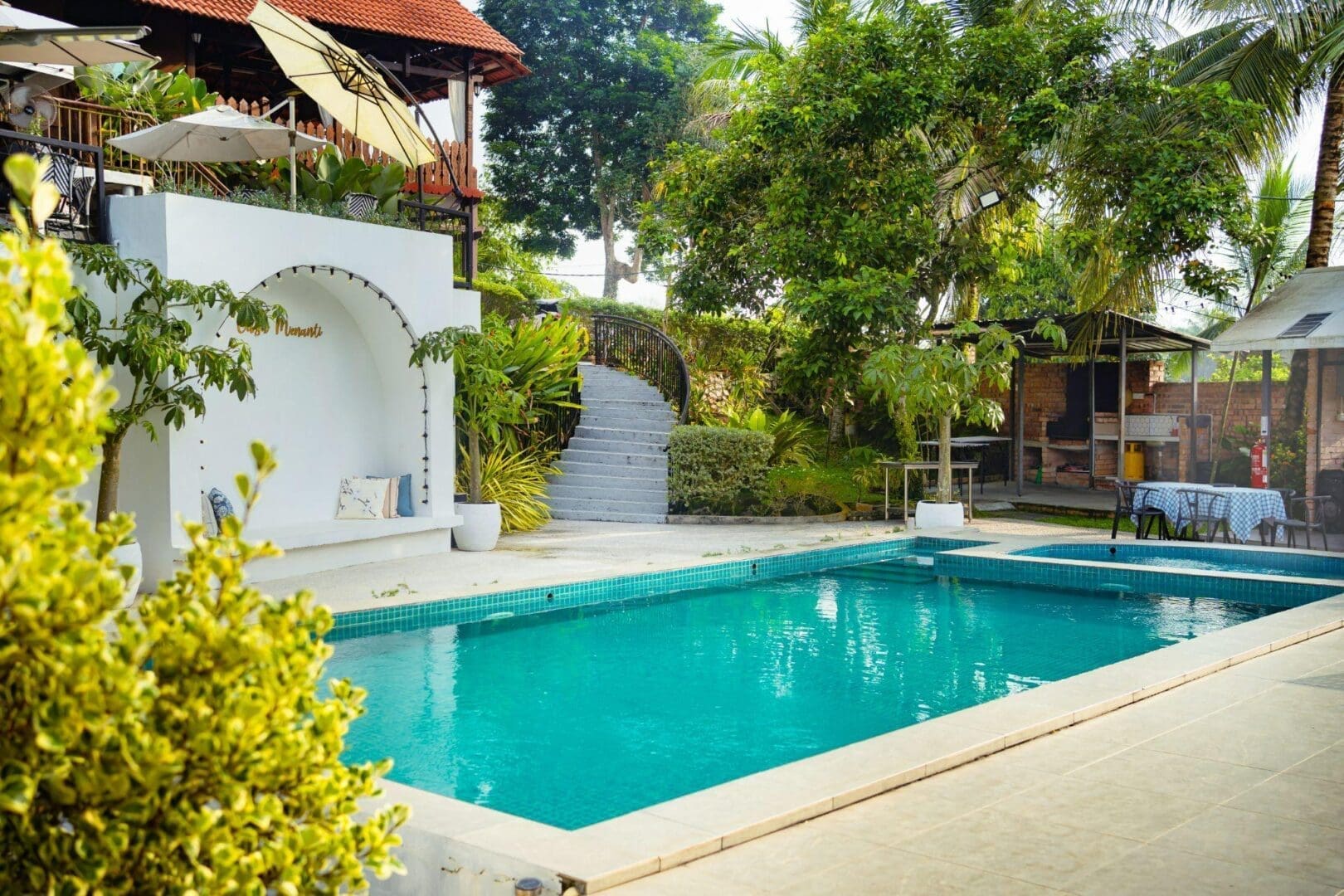
Casa Menanti offers an alternative to a short day visit, allowing travellers to spend more time exploring the rural landscapes and cultural attractions of Negeri Sembilan.
Ladang Alam Warisan: Experiencing Traditional Malay Heritage
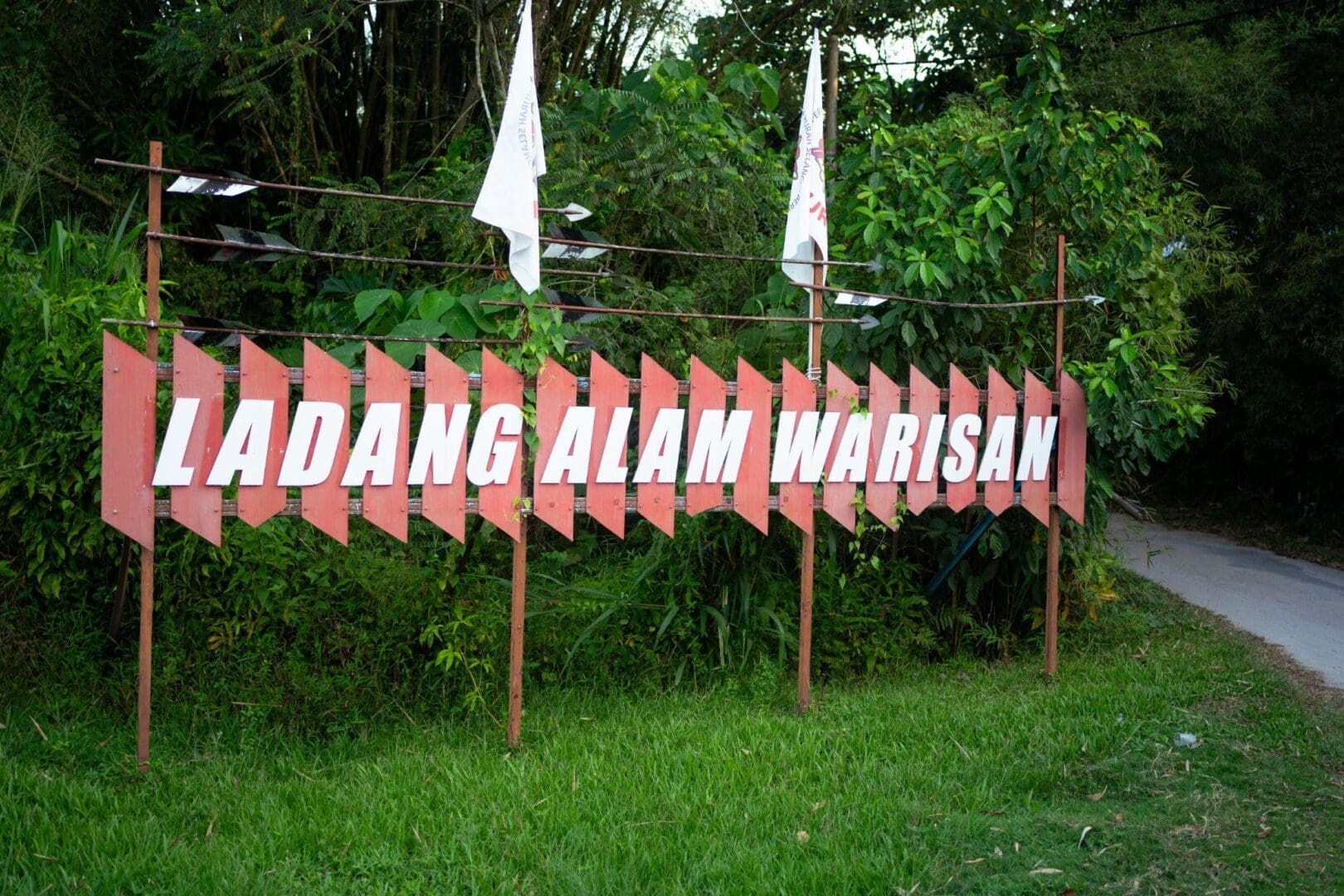
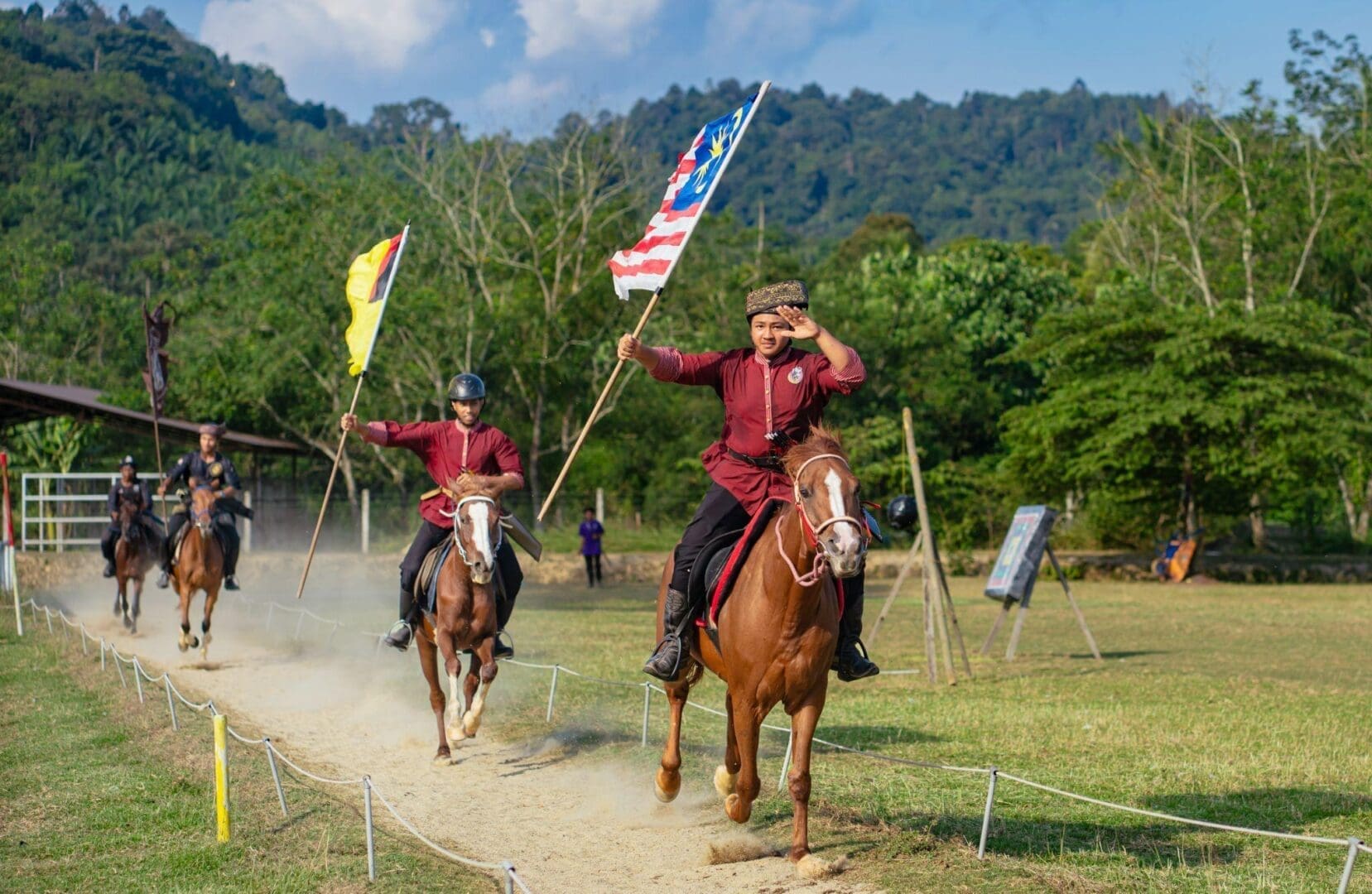
At Ladang Alam Warisan in Tanjong Ipoh, cultural heritage extends beyond historical displays into hands-on activities. Covering approximately 23 acres of countryside near Seri Menanti, the eco-cultural farm introduces visitors to traditional Malay practices, equestrian activities and archery.

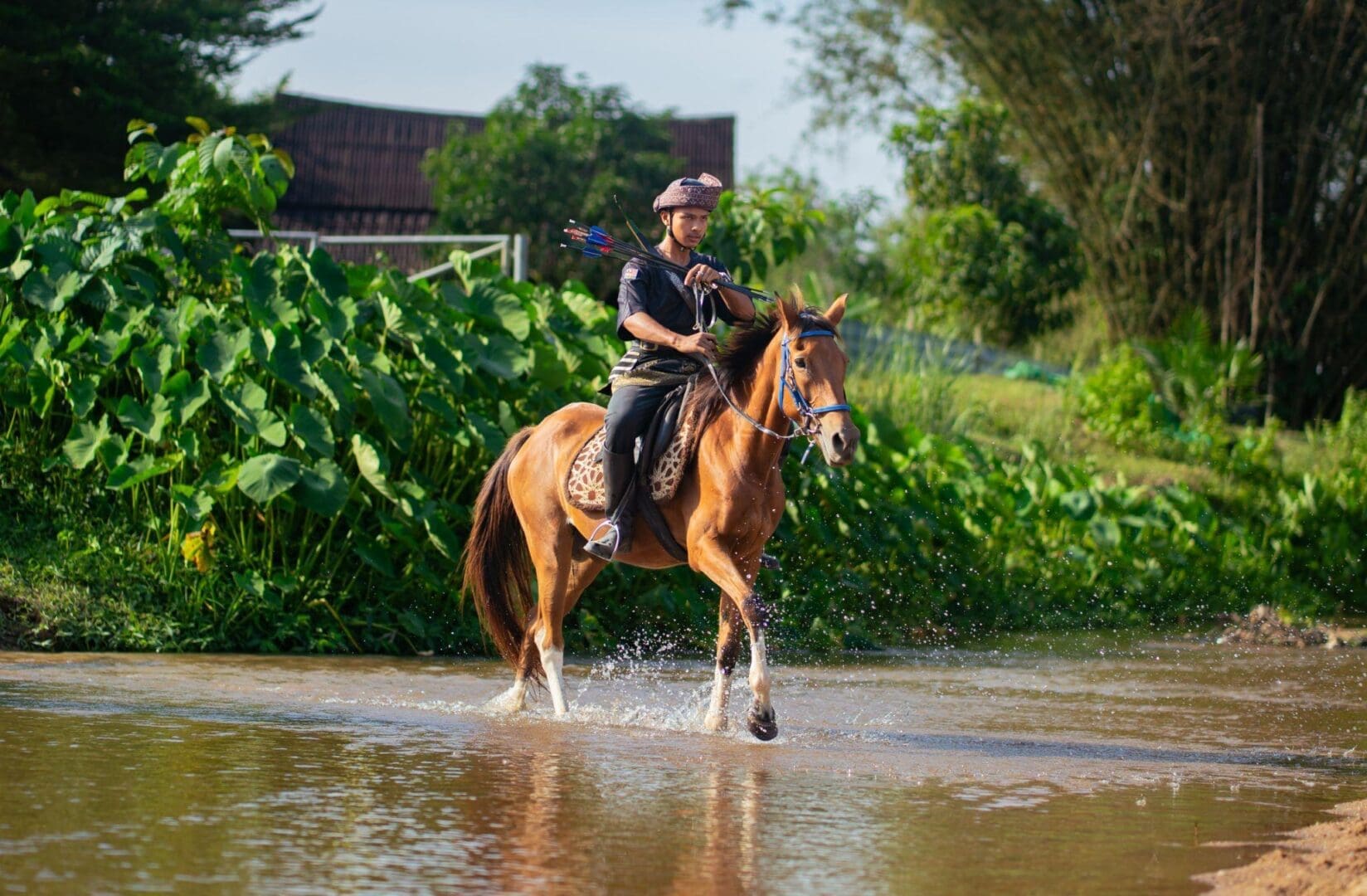
One of its signature experiences is panah naik kuda, or horseback archery, which combines horsemanship with traditional archery techniques. The farm is also associated with the World Horseback Archery Federation, reflecting its focus on preserving and promoting the discipline.

Visitors can observe horseback archery demonstrations, participate in ground archery, take guided horse rides along rural trails and interact with animals at the farm’s pet corner. Traditional timber chalets and glamping facilities also provide options for those wishing to stay overnight.
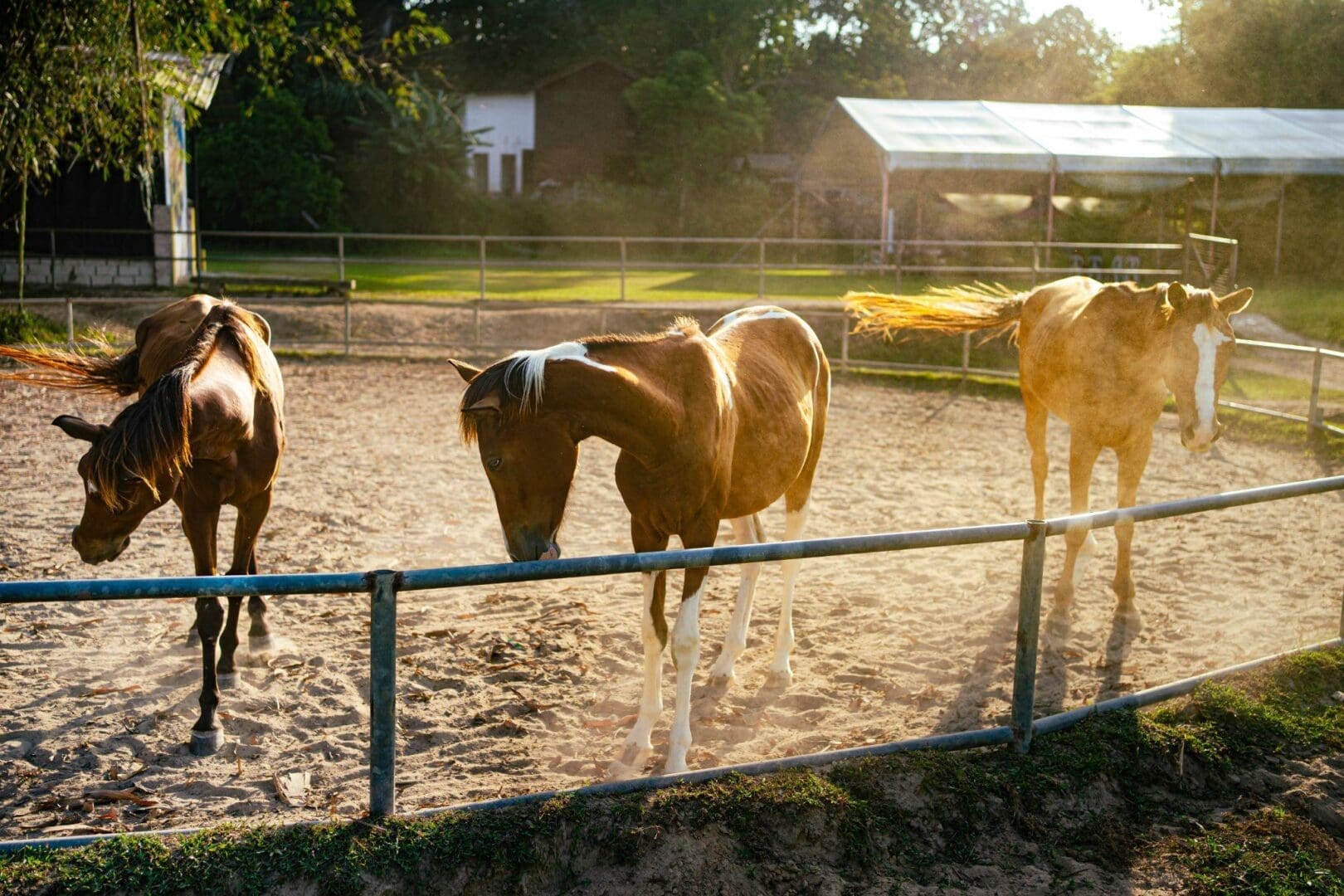
The attraction offers an engaging way to explore aspects of traditional skills and rural life. By combining outdoor recreation with cultural activities, Ladang Alam Warisan provides a complementary experience to the historical sites along the Minangkabau Trail.
Muzium Adat, Jelebu: Understanding the Principles of Adat Perpatih
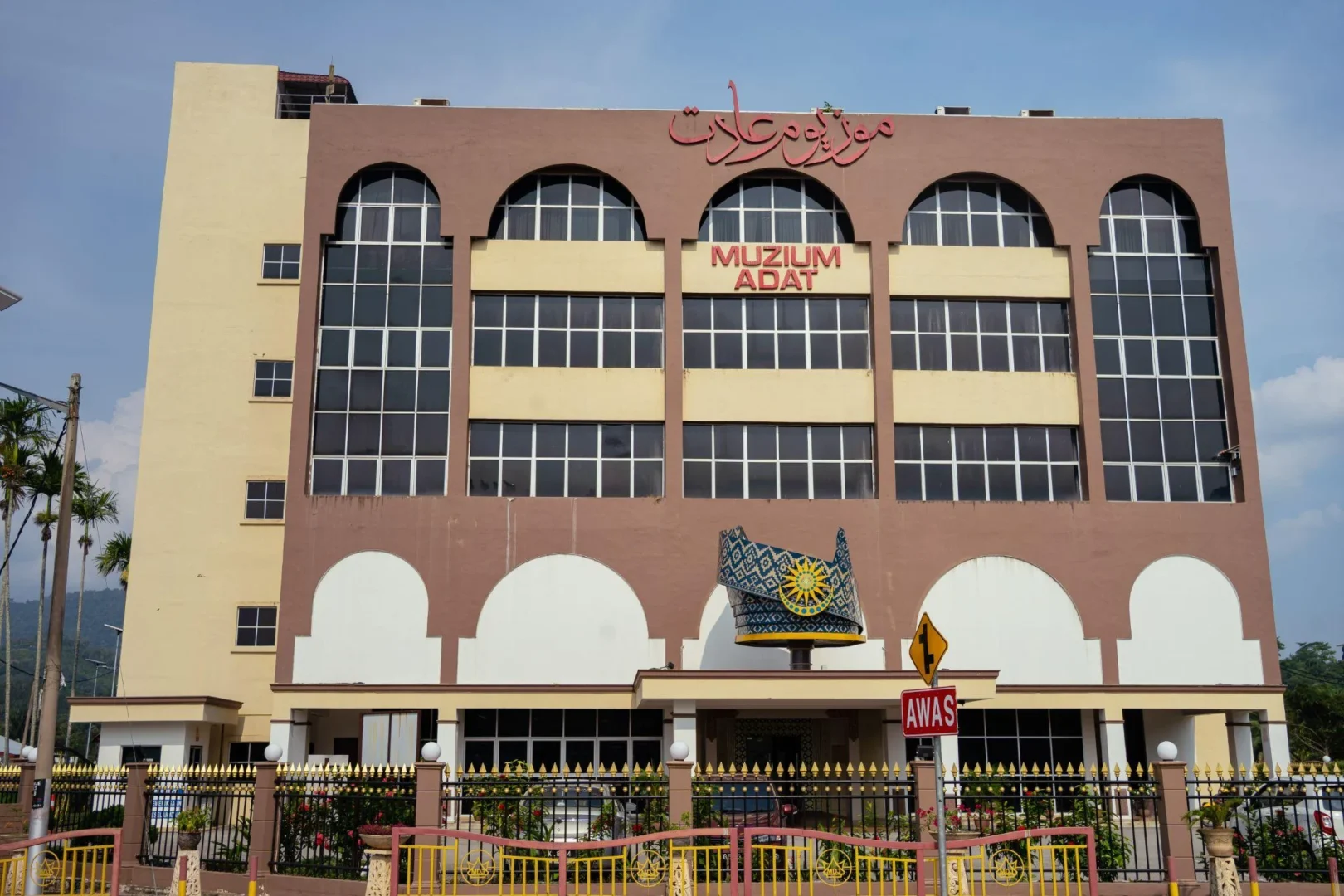
To gain a deeper understanding of Negeri Sembilan’s customary traditions, visitors can travel to Kuala Klawang in the district of Jelebu to explore Muzium Adat.
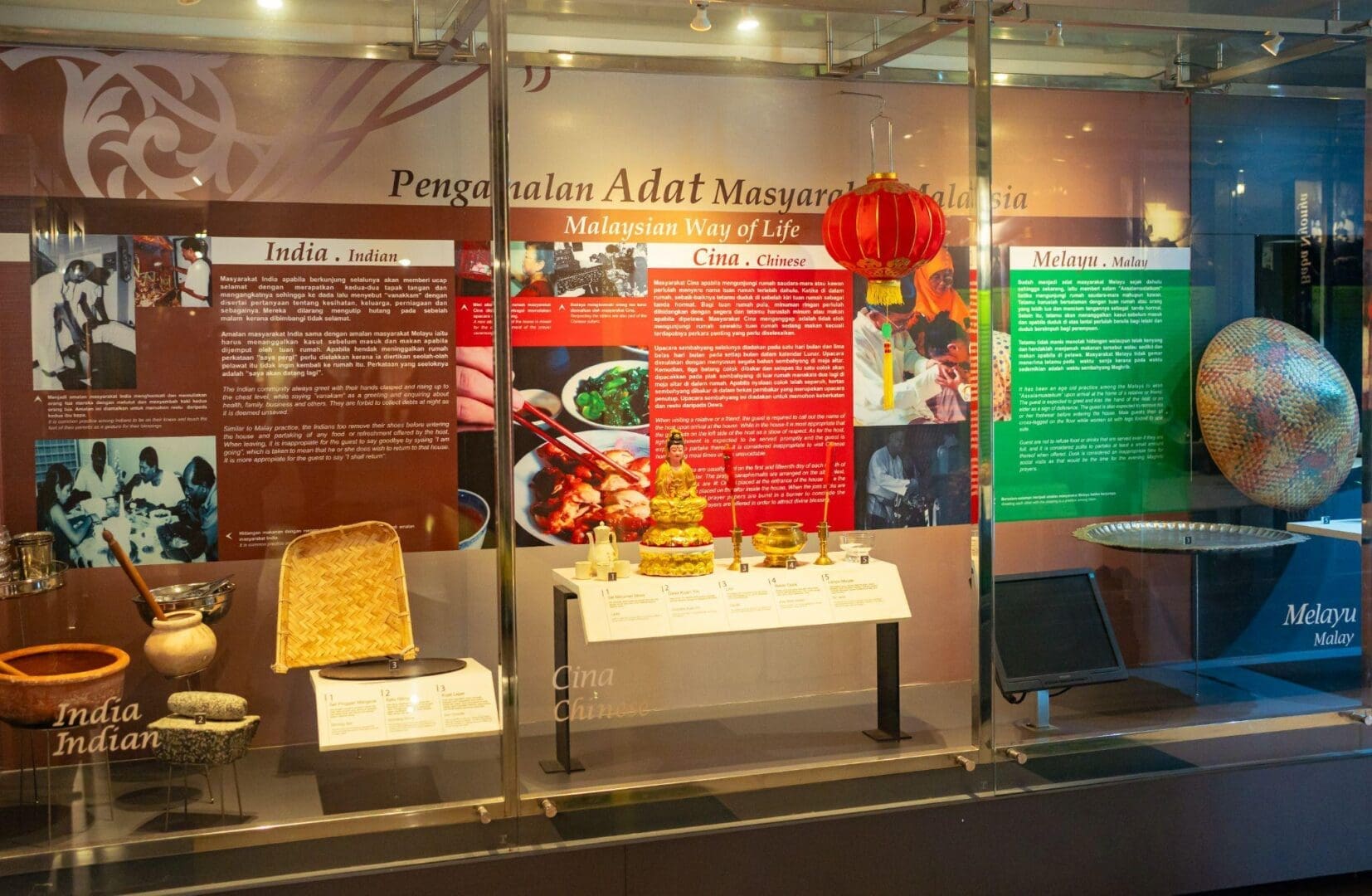
Dedicated to the study and preservation of customary practices, the museum examines the social structures, inheritance principles and traditional leadership systems that have influenced communities across Malaysia, with particular emphasis on Negeri Sembilan’s Adat Perpatih.
Its architecture incorporates Minangkabau-inspired horn-shaped roof elements known as gonjong. Inside, four galleries present exhibits explaining traditional customs and their place in community life.
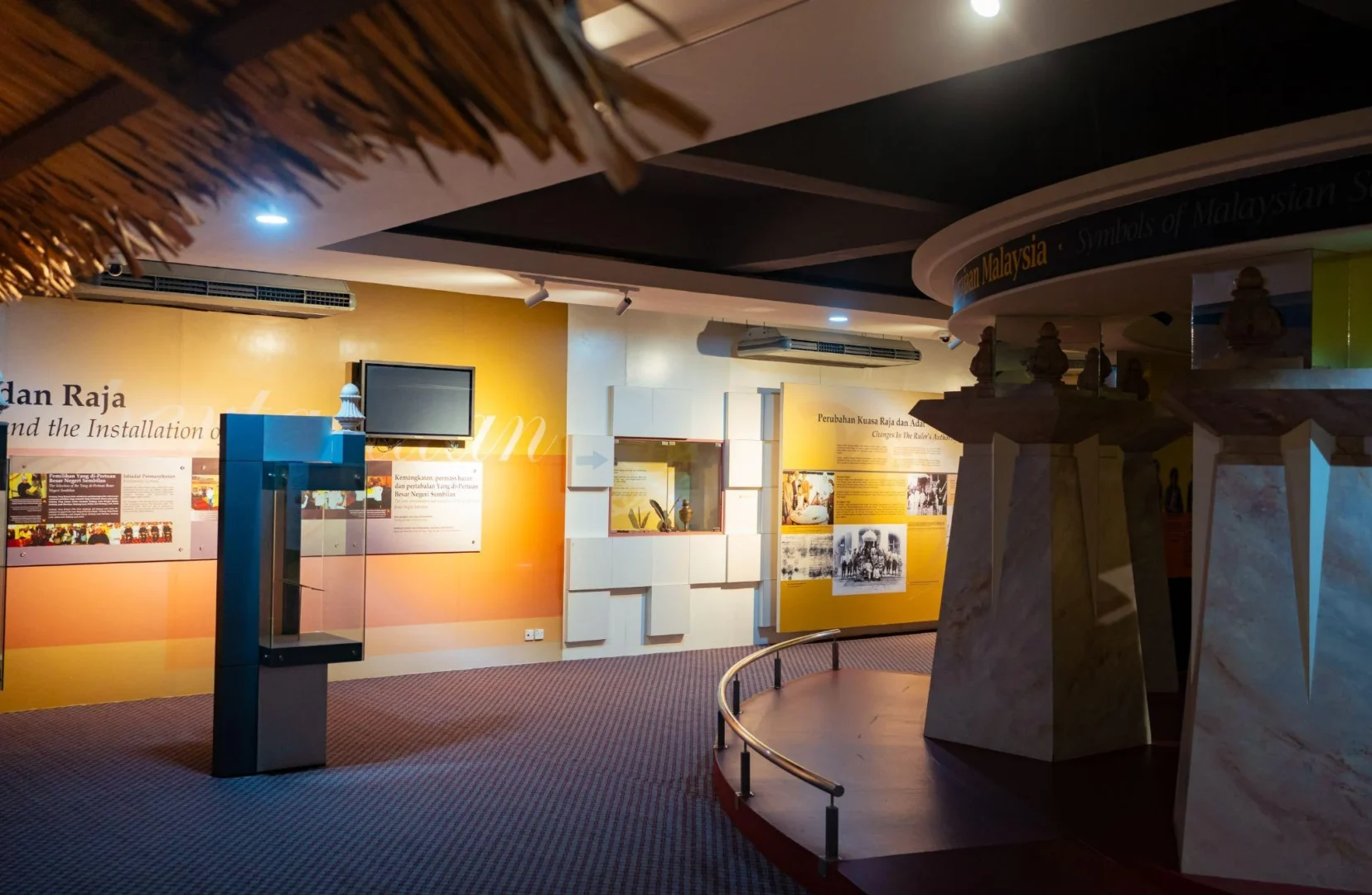
Displays explore harta pusaka, or ancestral property, and the customary principles governing its inheritance through the female line. Other exhibits include ceremonial wedding attire, traditional musical instruments, representations of the Batu Batikam, a stone associated with Minangkabau customary traditions, and objects connected to the selection and authority of customary leaders.
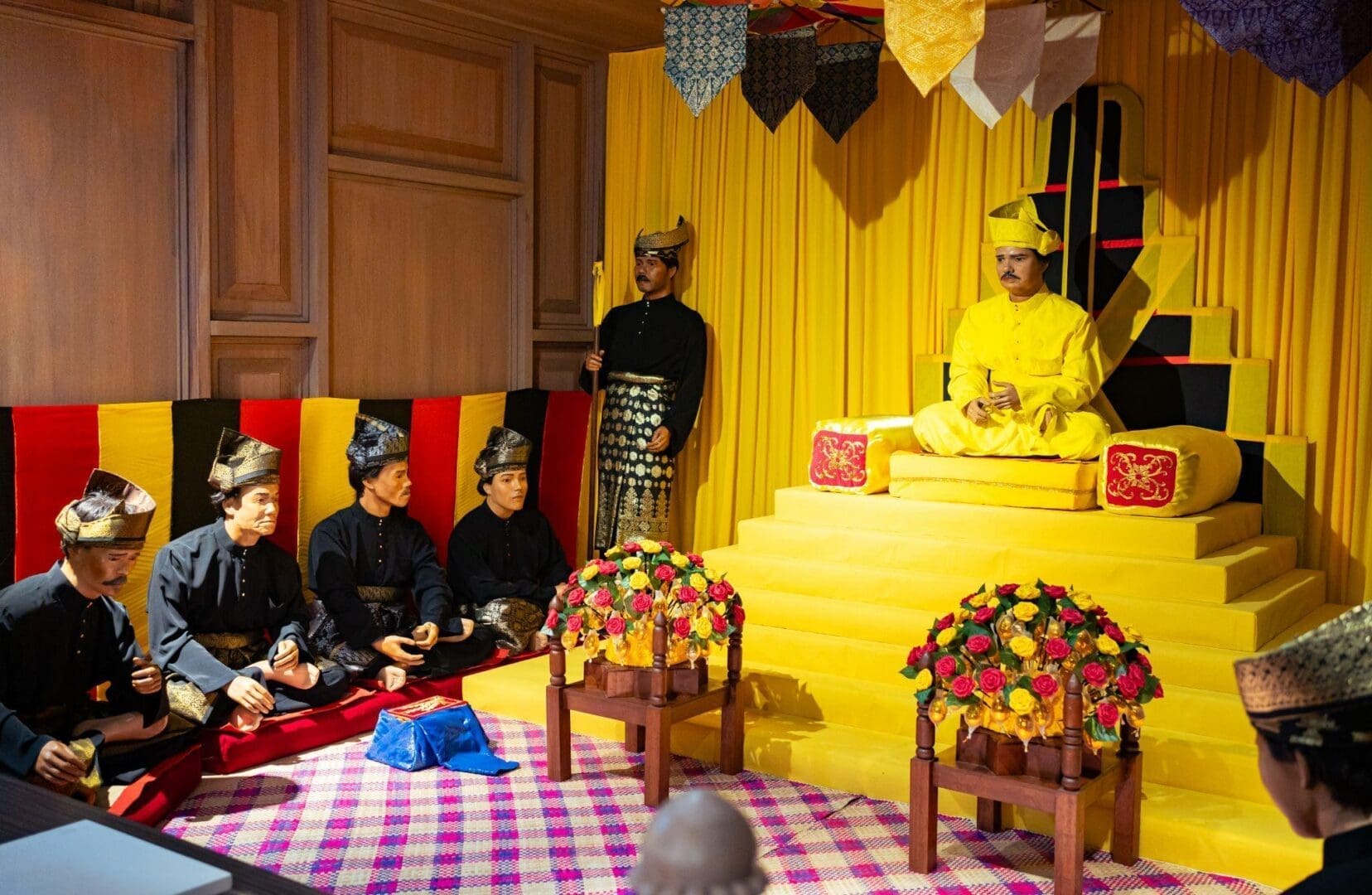
The museum provides valuable context for understanding why Adat Perpatih remains central to Negeri Sembilan’s cultural identity. Rather than treating the customary system solely as a historical subject, its exhibitions demonstrate how traditions influence family relationships, community responsibilities and leadership.
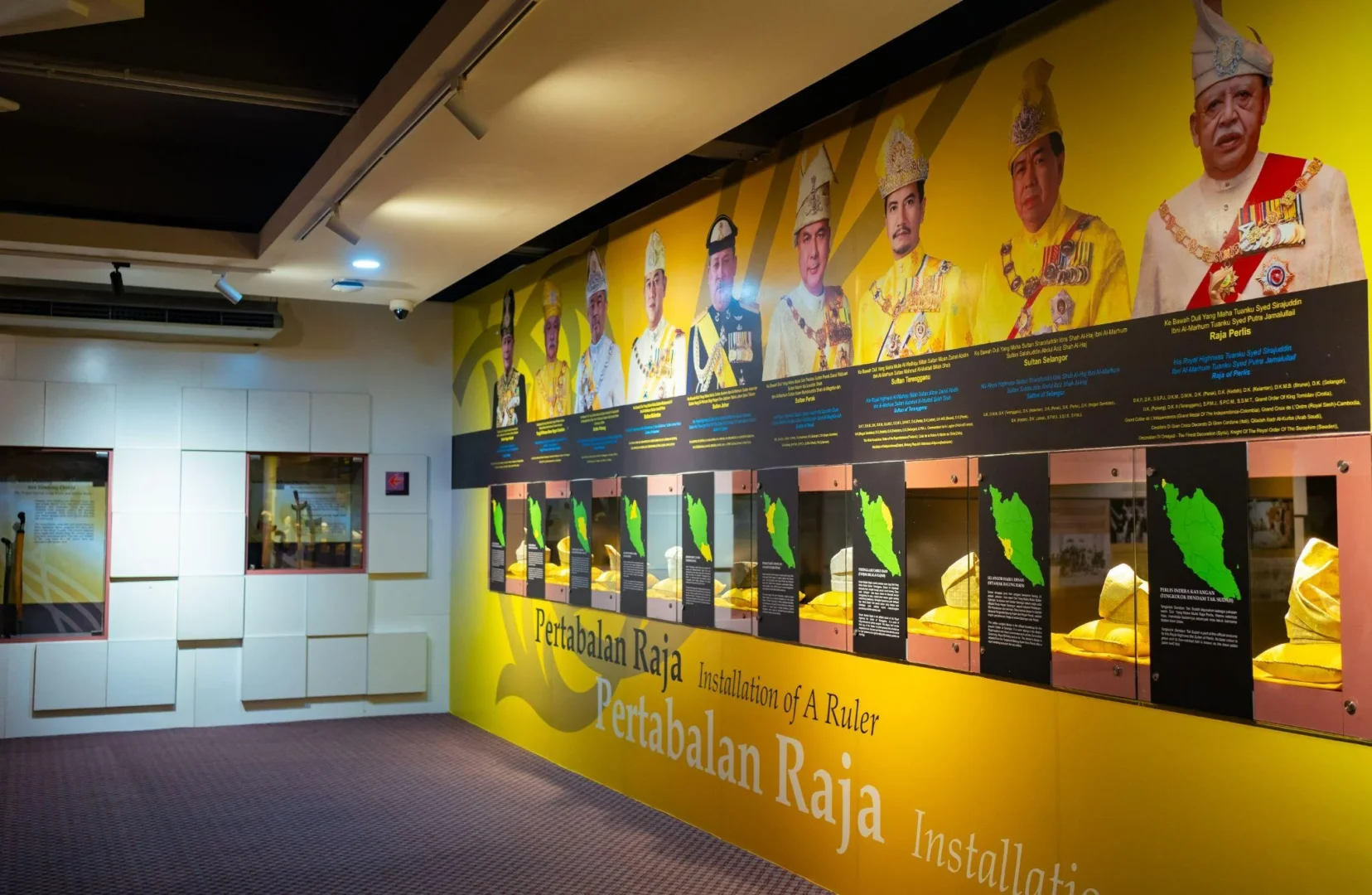
For travellers following the Minangkabau Trail, Muzium Adat is one of the most informative stops for understanding the social foundations of the region’s heritage.
Muzium Negeri Sembilan: Traditional Architecture and State History
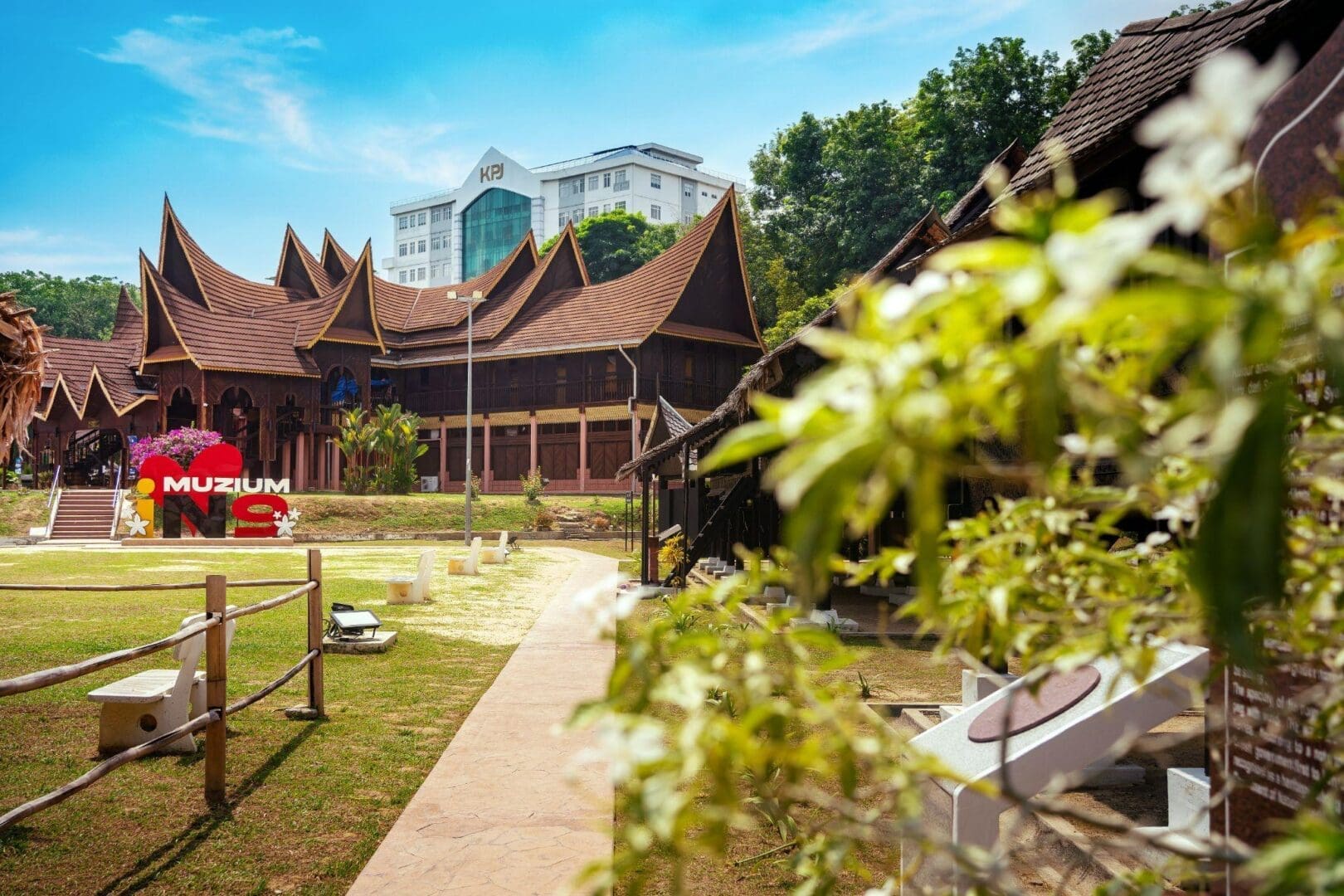
The Muzium Negeri Sembilan, located in Seremban, offers another perspective on the state’s historical development through its collections and traditional architectural structures.
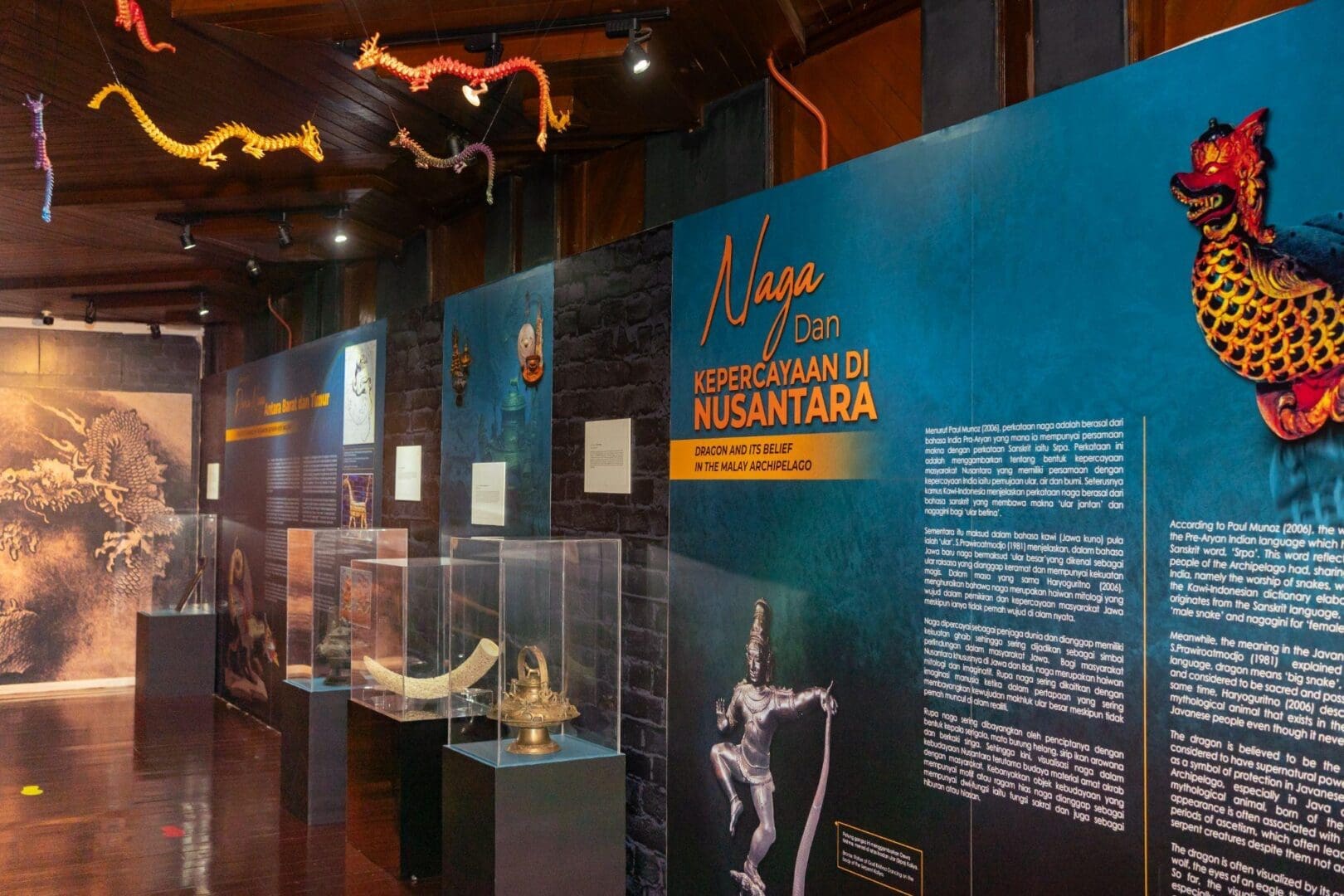
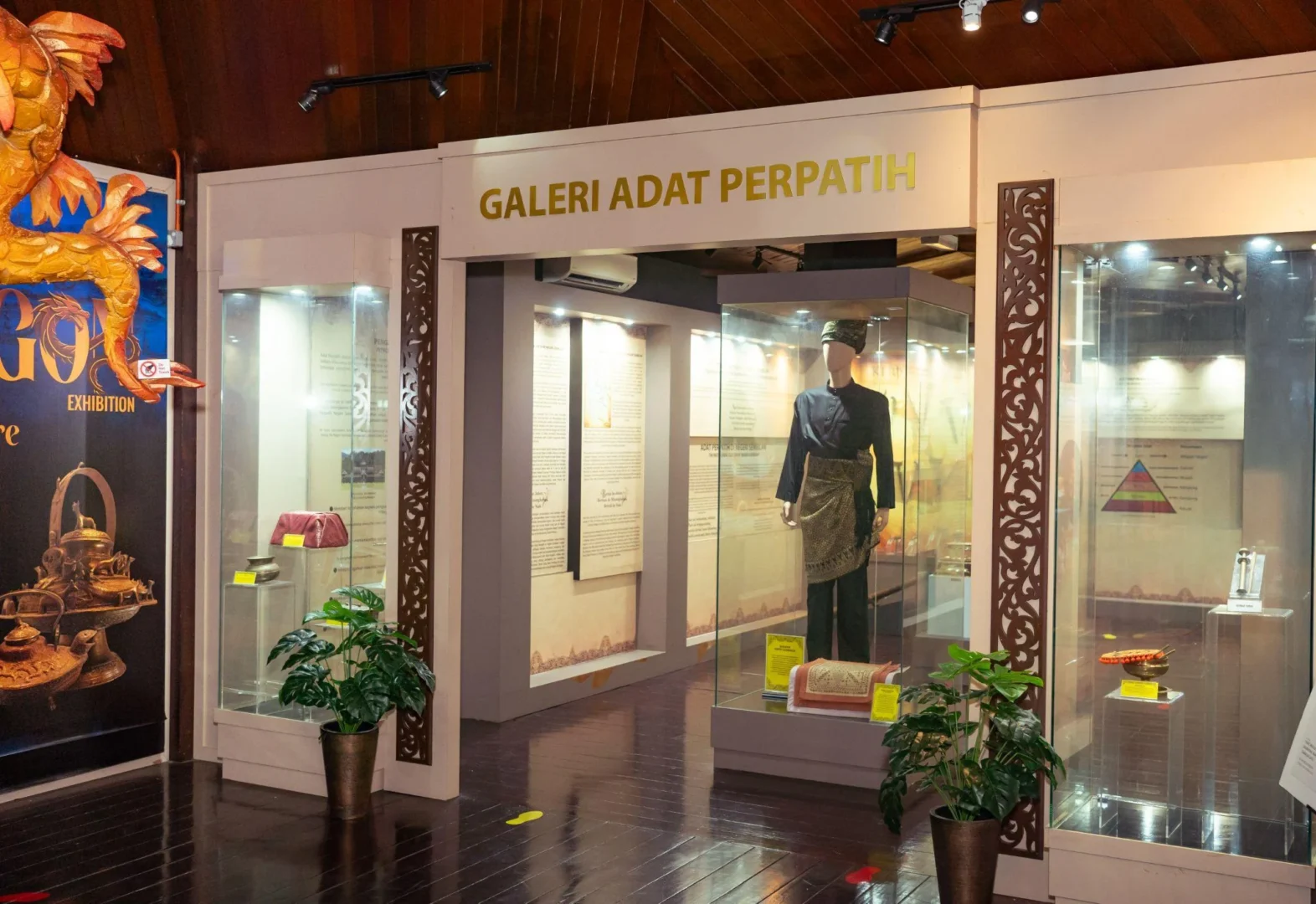
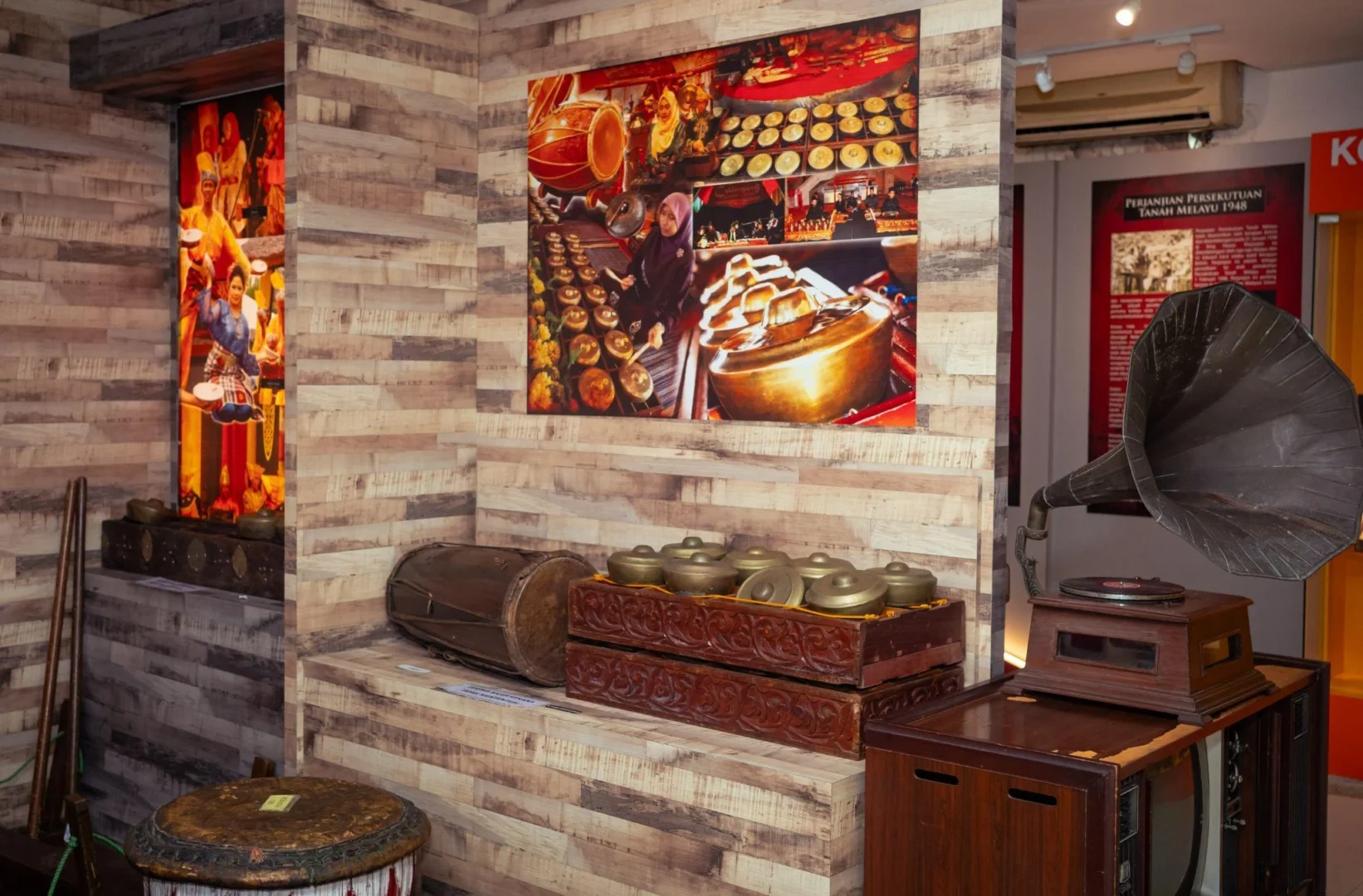
The museum complex is recognisable by its prominent Minangkabau-inspired roofline and landscaped grounds. Its displays include historical weapons, royal brassware, traditional costumes and archaeological artefacts, providing an overview of Negeri Sembilan’s cultural and historical development.
Two important structures within the grounds are Istana Ampang Tinggi and Rumah Negeri Sembilan.
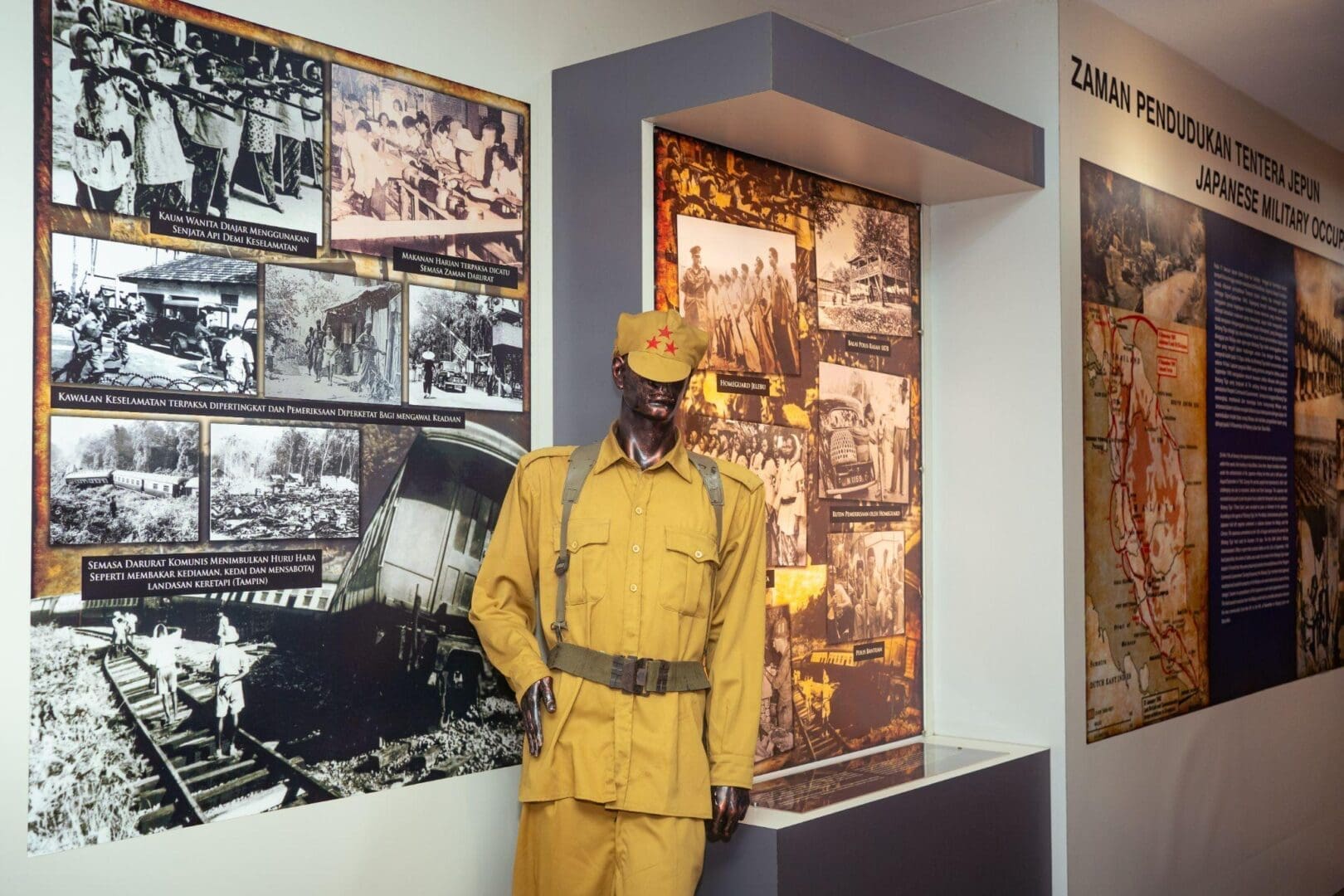
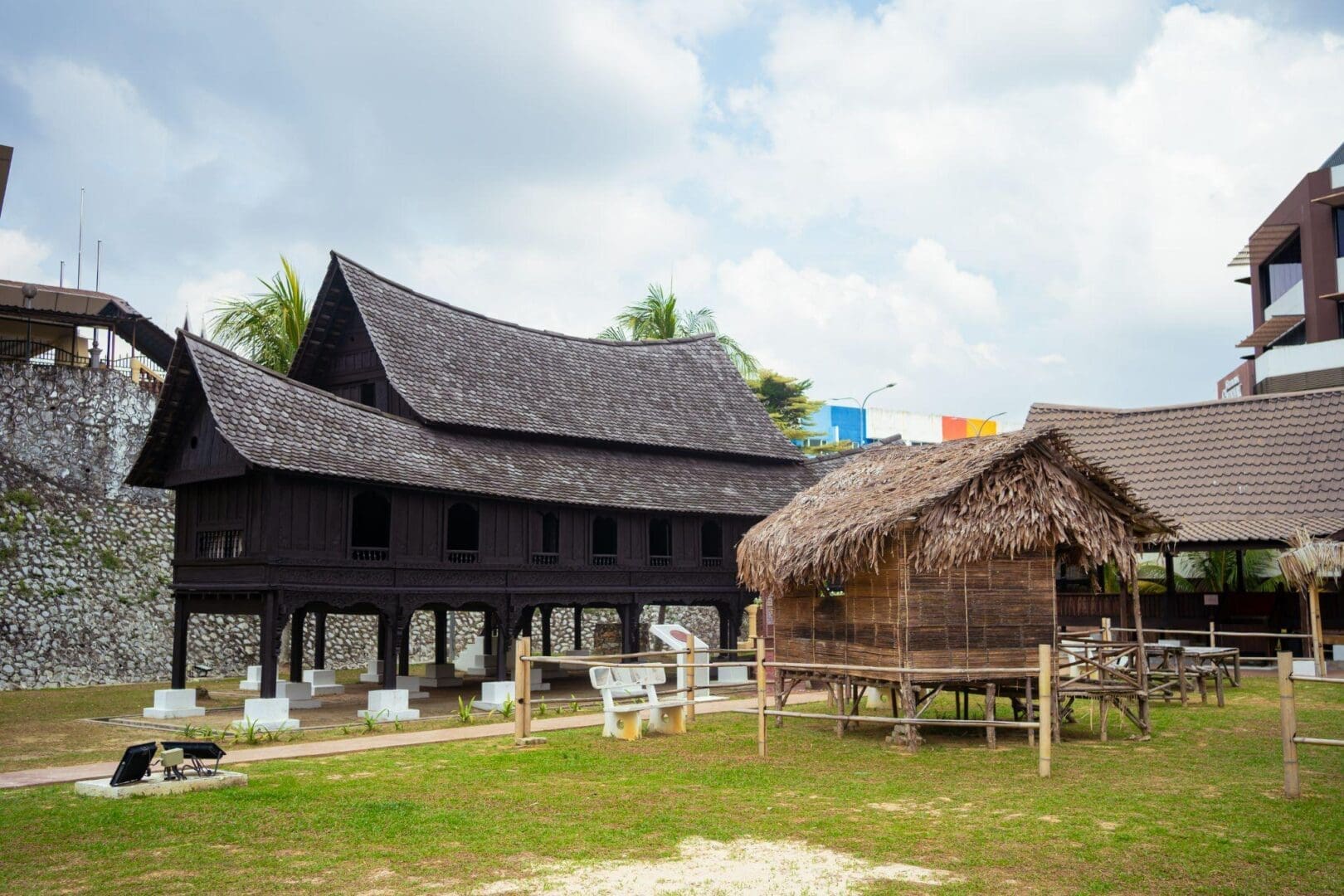
Istana Ampang Tinggi dates to the mid-nineteenth century and was associated with Yamtuan Ulin, the fifth Yang di-Pertuan Besar of Negeri Sembilan, whose reign lasted from 1861 to 1869. The palace was later gifted to his daughter, Tunku Cindai. Its traditional timber construction and intricate floral carvings illustrate the craftsmanship of the period.
Nearby, Rumah Negeri Sembilan showcases traditional timber architecture and interior arrangements associated with local domestic life. Together, the buildings demonstrate how architectural design reflects social customs, environmental adaptation and cultural influences.
The museum is a useful stop for visitors wishing to place the Minangkabau Trail within the broader history of Negeri Sembilan, connecting royal institutions and customary practices with everyday life.
Muzium Lukut: Exploring the Region’s Tin-Mining History
The final historical stop on the trail is Muzium Lukut, near Port Dickson, where the story shifts towards trade, political authority and the tin-mining economy of the nineteenth century.
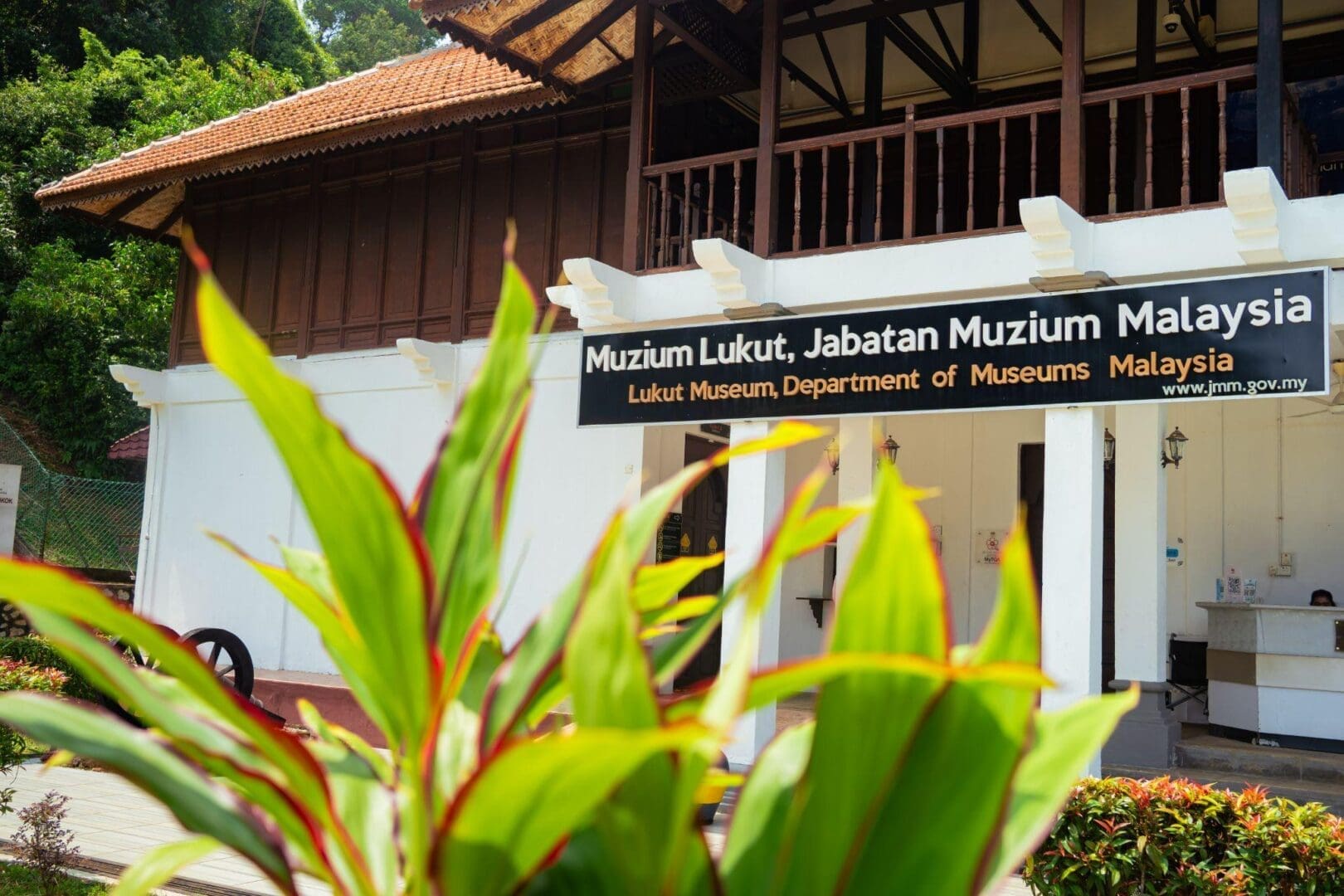
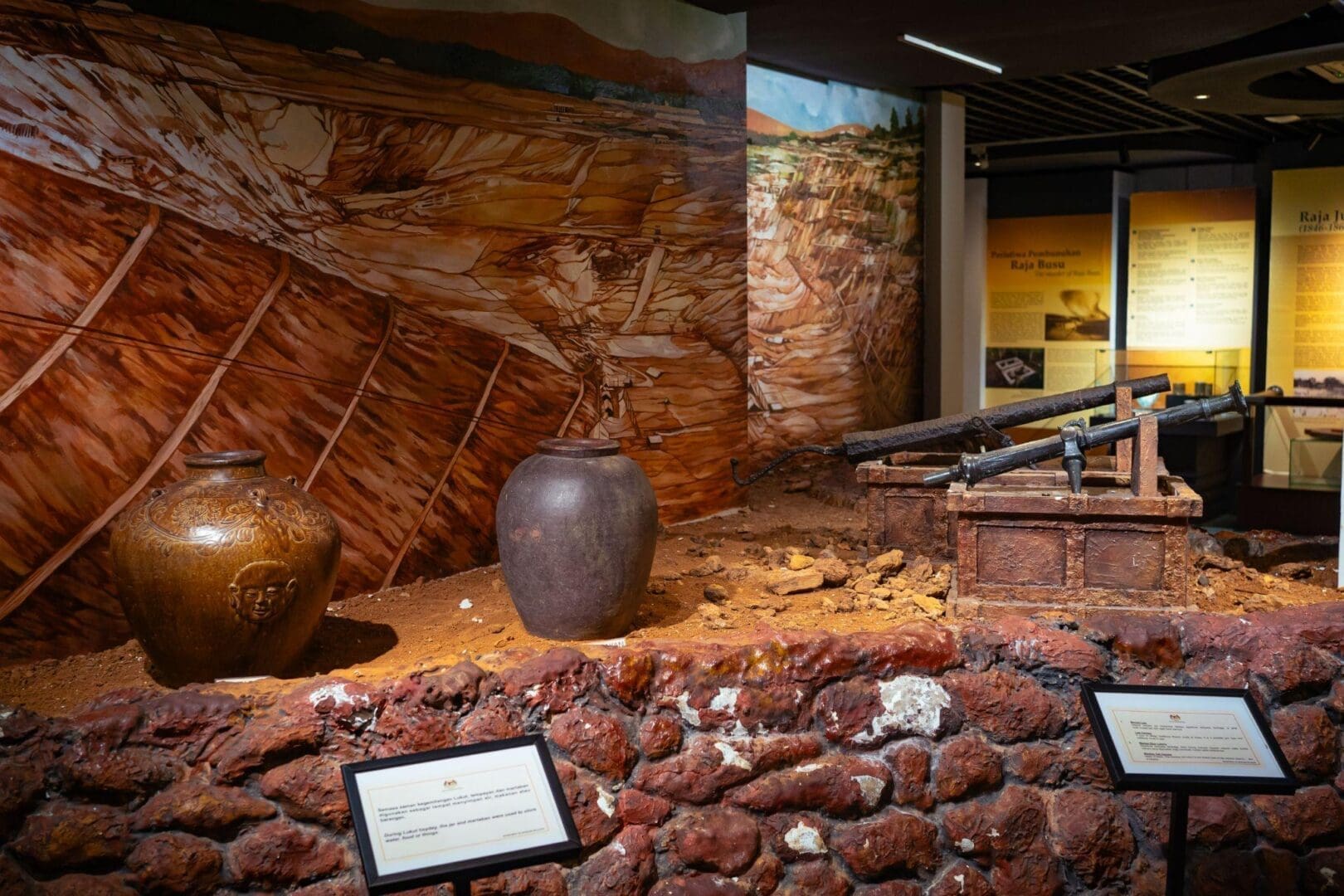
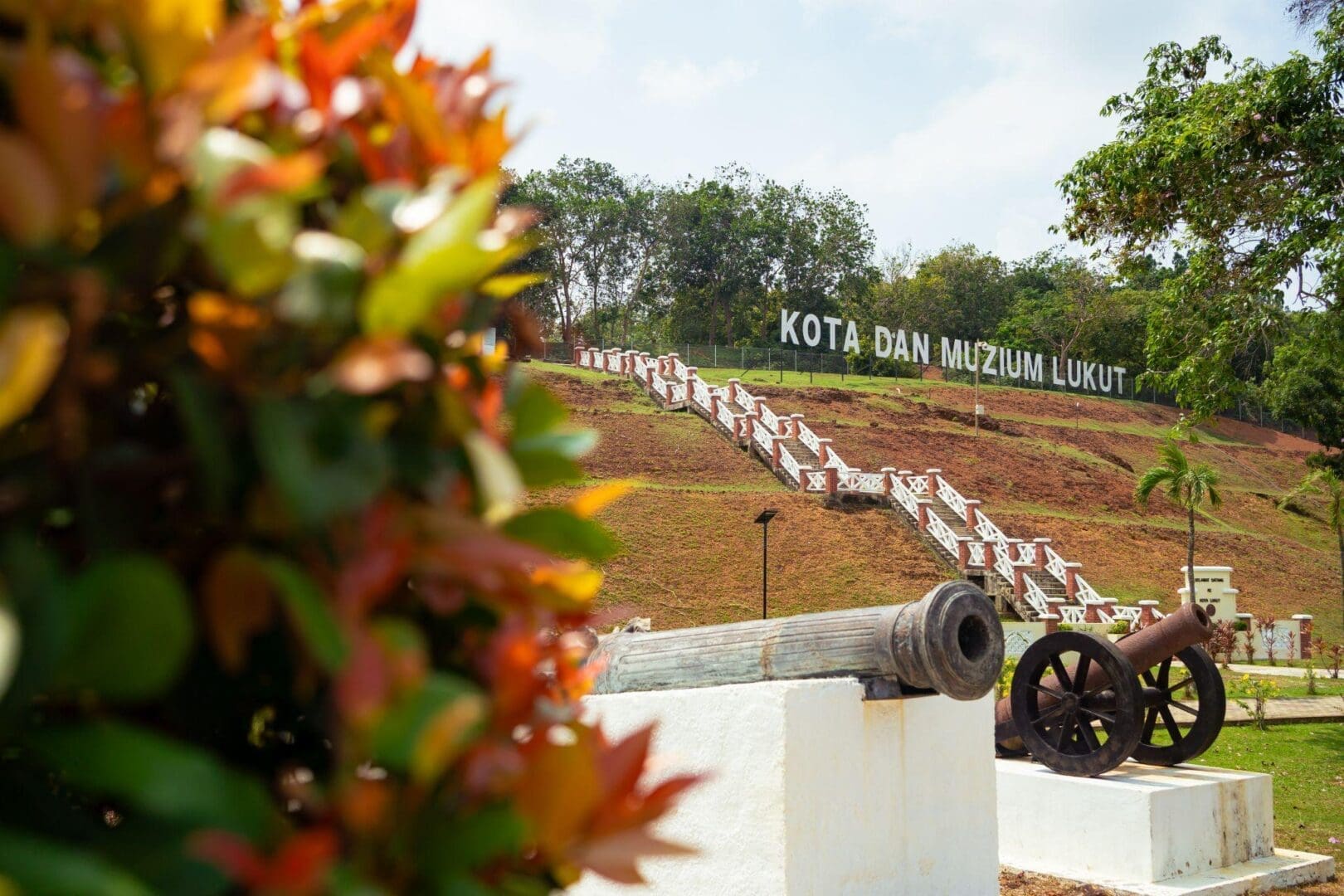
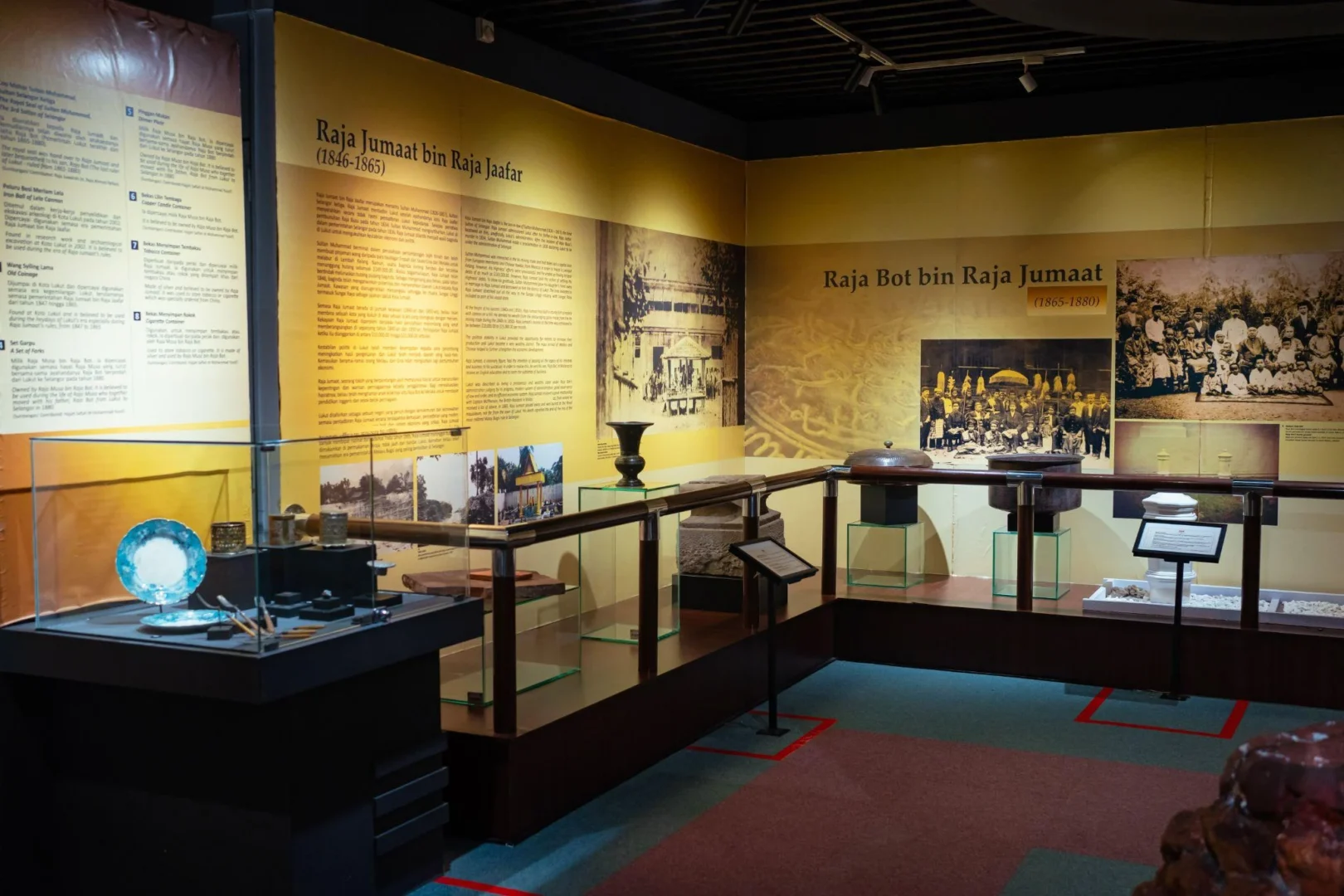
Located near the remains of Kota Lukut on Bukit Gajah, the museum explores the history of the settlement and its former fortification. Kota Lukut was developed under Raja Jumaat in the nineteenth century, when the area was an important centre of tin mining and regional trade.
The surviving earthworks and foundation stones offer evidence of the former fort’s defensive role. From its elevated position, the site also provides a setting for understanding the strategic importance of Lukut and its surrounding waterways.
Inside the museum, four galleries trace the development of tin mining, the history of local rulers such as Raja Busu, Raja Jaafar and Raja Jumaat, and the commercial connections that linked the area with wider maritime networks. Exhibits also include historical objects recovered from shipwrecks in the Strait of Malacca.
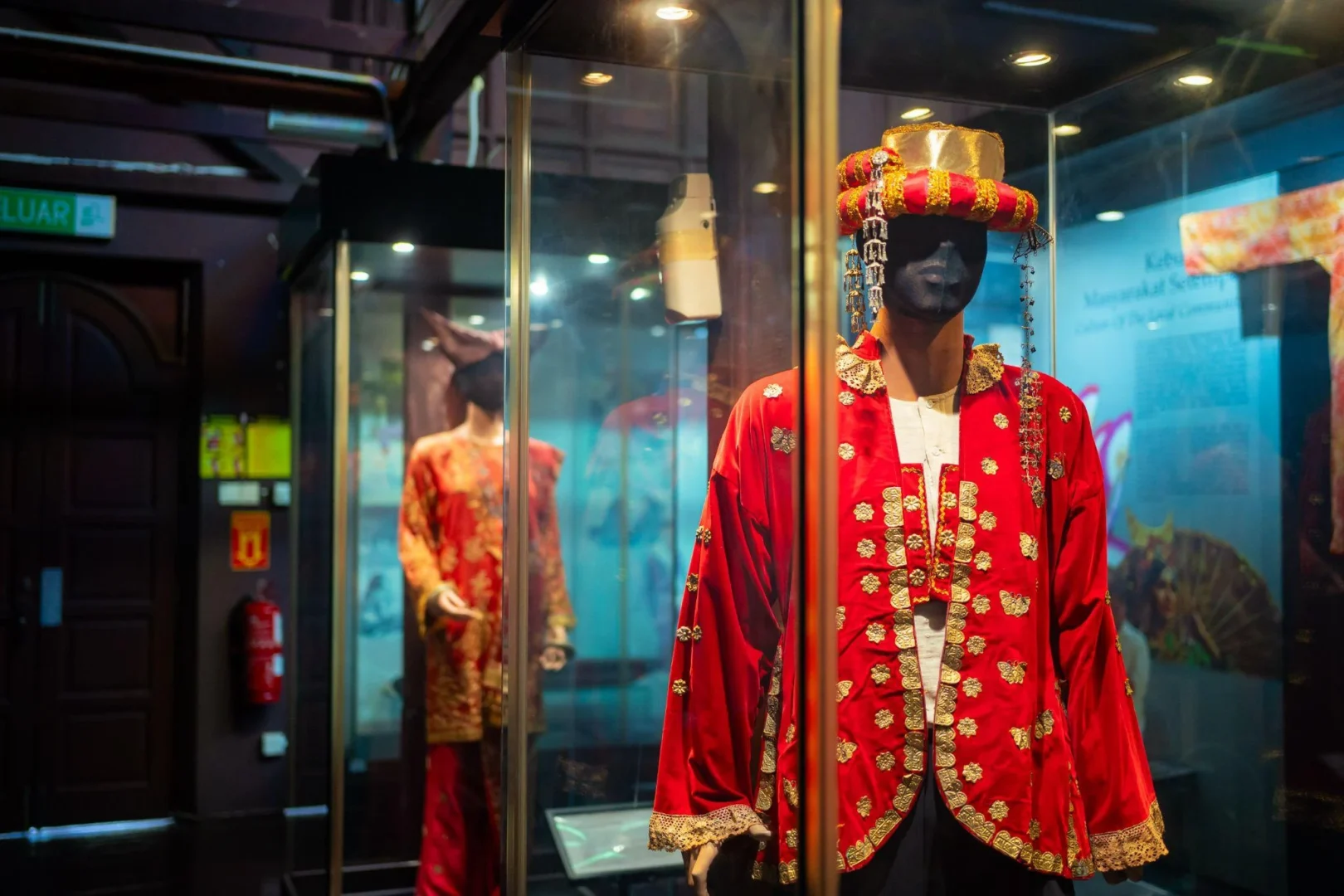
Lukut’s history highlights the economic and political forces that shaped the region during the nineteenth century. Although its focus differs from the royal and customary heritage found elsewhere along the trail, it adds an important dimension to the wider story of Negeri Sembilan.
Planning the Minangkabau Trail
The Minangkabau Trail can be explored by car, with the main attractions spread across inland valleys, urban centres and the coastal district of Lukut. Travellers may wish to organise their itinerary geographically to reduce unnecessary driving and allow sufficient time at each destination.
Seri Menanti is a natural starting point for exploring the former royal palace, the royal precinct and the surrounding countryside. A visit to Ladang Alam Warisan can be combined with the royal landmarks for an experience that brings together architectural heritage and traditional activities.
The journey can then continue to Seremban, where Galeri Diraja Tuanku Ja’afar and Muzium Negeri Sembilan offer insights into royal history, architecture and the state’s cultural development. A separate excursion to Jelebu provides a more focused exploration of Adat Perpatih at Muzium Adat.
Lukut, near Port Dickson, can be included as a coastal detour to examine the region’s tin-mining history and the remains of Kota Lukut.
Before travelling, visitors should confirm current admission arrangements, opening hours and access restrictions directly with the respective attractions, particularly where restoration or conservation work may affect access to historic buildings.
A Journey into Negeri Sembilan’s Living Heritage
The Minangkabau Trail reveals a side of Malaysia shaped by more than royal architecture and historic monuments. Through Adat Perpatih, the state preserves a distinctive customary tradition that places ancestral inheritance, kinship and community responsibilities at the centre of its cultural identity.
From the timber craftsmanship of Istana Lama Seri Menanti and the royal collections of Seremban to the educational exhibits at Muzium Adat and the historic fortifications of Lukut, each destination contributes to a broader understanding of the region’s past.
The journey also demonstrates that heritage remains connected to contemporary life. Traditional architecture continues to define the landscape, customary principles remain an important part of Negeri Sembilan’s identity, and cultural farms provide opportunities to experience traditional skills beyond museum walls.
For travellers interested in Malaysia’s diverse cultural traditions, the Minangkabau Trail offers a meaningful exploration of the relationship between history, community and place, revealing the distinctive heritage that sets Negeri Sembilan apart.
Source: Malaysia Tourism