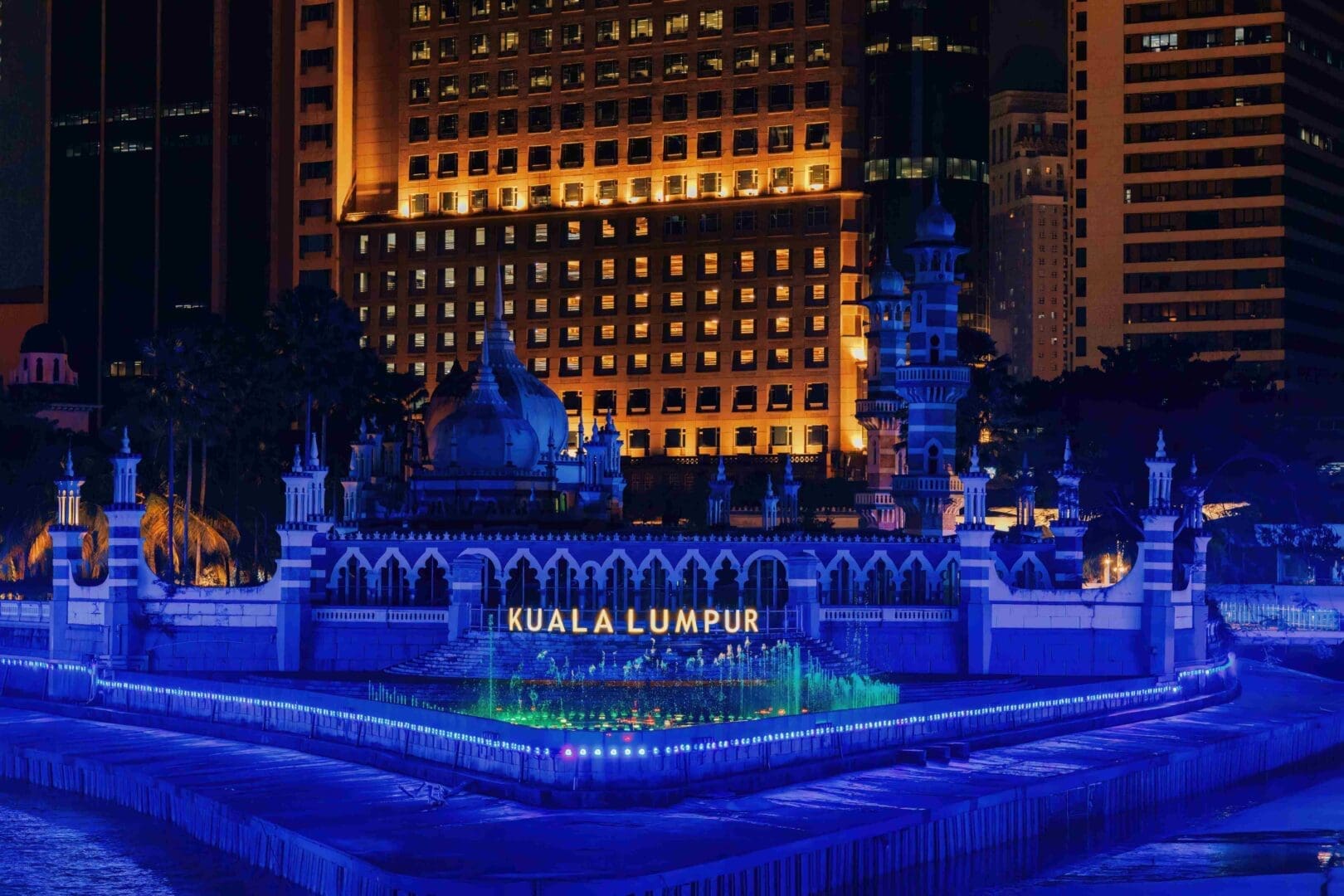
Situated at the confluence of the Klang and Gombak rivers, Masjid Jamek is one of Kuala Lumpur’s oldest mosques, combining distinctive Moorish architecture with a rich history and an enduring role in the city’s Muslim community.
A Historic Landmark at the Confluence of Two Rivers
Masjid Jamek, officially known as Sultan Abdul Samad Jamek Mosque, is one of Kuala Lumpur’s most recognisable historical landmarks. Located at the confluence of the Klang and Gombak rivers, the mosque occupies a significant place in the development of Malaysia’s capital and remains an important place of worship for the Muslim community.
Constructed in the early 20th century and opened in 1909, the mosque was designed by British architect Arthur Benison Hubback. Its establishment marked an important chapter in Kuala Lumpur’s religious and architectural history, as the city continued to develop as a centre of administration, trade and cultural exchange.
The name ‘Jamek’ is derived from the Arabic word jami, referring to a congregational mosque where Muslims gather for communal prayers. Beyond its religious function, Masjid Jamek has become a destination for visitors seeking to understand the city’s heritage and architectural character.
Distinctive Moorish and Indo-Saracenic Architecture
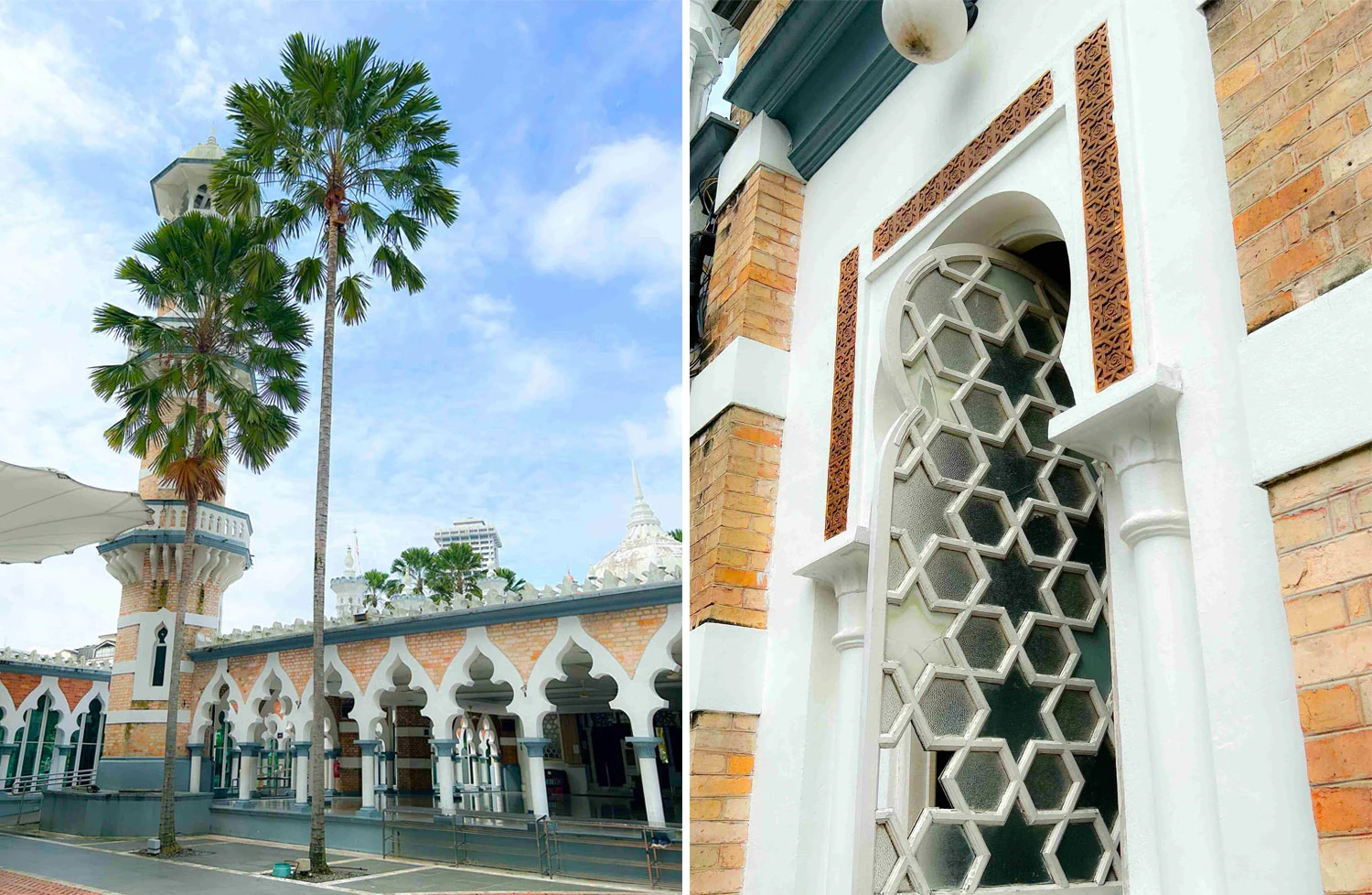
One of the mosque’s most striking features is its architectural design, which incorporates Moorish and Indo-Saracenic influences. The structure features graceful arches, domes and slender minarets, creating a distinctive silhouette against Kuala Lumpur’s modern skyline.
Its red-brick walls, white plastered surfaces and decorative details contribute to the mosque’s visual character. The combination of geometric forms, arched colonnades and ornamental elements reflects architectural traditions associated with Islamic buildings in India and other parts of the region.
Visitors can admire the mosque’s exterior and appreciate the craftsmanship that distinguishes it from the surrounding contemporary buildings. The architectural composition also reflects the historical exchange of design ideas that shaped public buildings during the colonial period.
As one of Kuala Lumpur’s longstanding religious landmarks, Masjid Jamek offers a glimpse into the city’s architectural evolution, illustrating how historical structures continue to form part of its urban identity.
Discovering the River of Life at Night
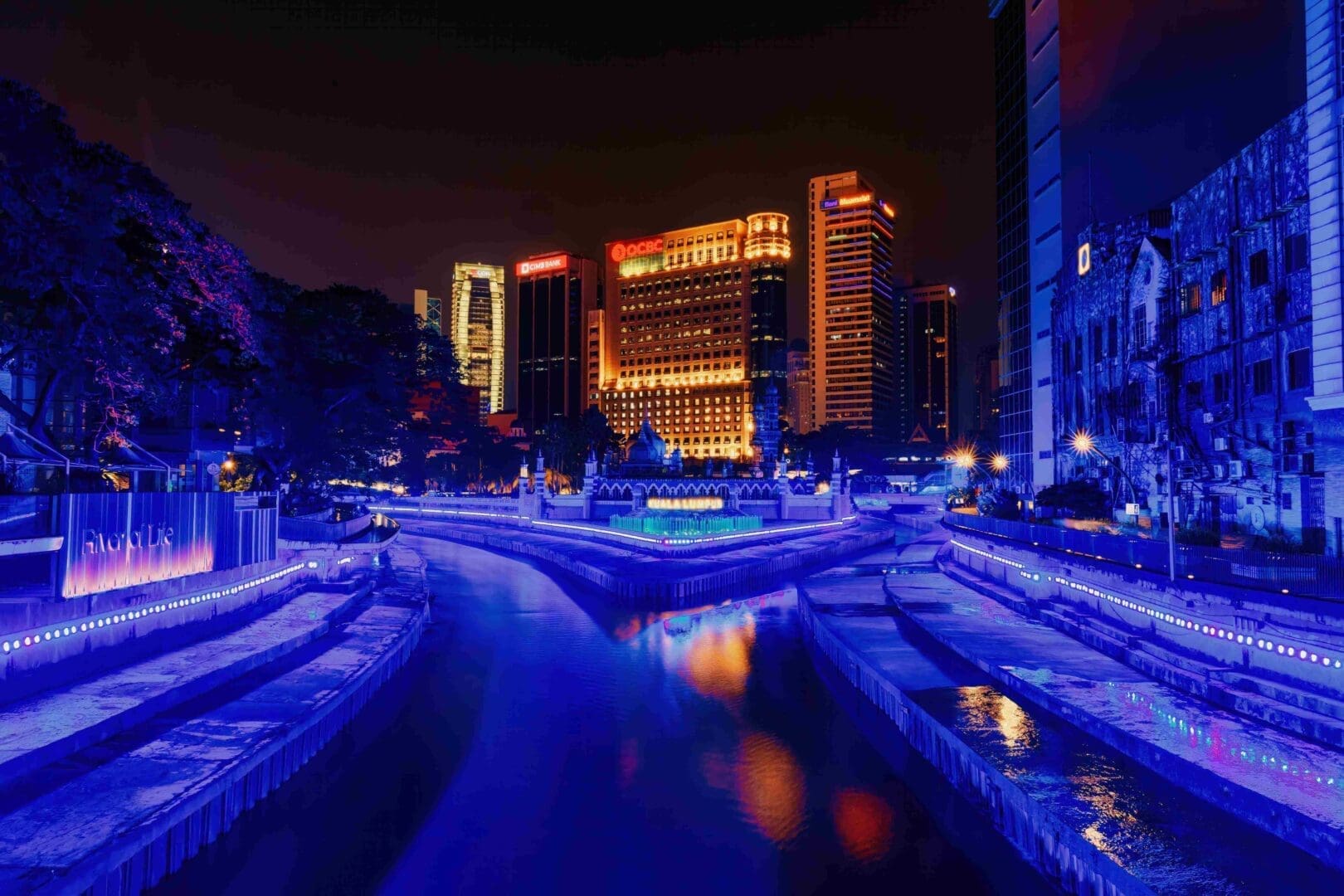
The area surrounding Masjid Jamek offers another attraction through the River of Life, an urban regeneration project centred on the Klang River and its surrounding waterfront.
The riverside provides a different perspective of the mosque, particularly after sunset, when decorative lighting illuminates sections of the waterfront and highlights the relationship between the historic building and its natural surroundings. The illuminated riverbanks create an inviting setting for an evening stroll and photography.
The meeting point of the Klang and Gombak rivers is also significant to Kuala Lumpur’s history. The settlement developed around this river junction, which played an important role in the city’s early growth and commercial activities.
Today, the waterfront combines historical significance with contemporary urban design, allowing visitors to experience an area where Kuala Lumpur’s past and present meet.
A Living Centre for Worship and Community

Masjid Jamek remains more than an architectural attraction. It continues to serve as a place of worship where Muslims gather for daily prayers, religious observances and community activities.
The mosque also contributes to the wider community through religious education and opportunities for visitors to learn about Islamic traditions and practices. Its continuing religious role gives the landmark significance beyond its historical and aesthetic appeal.
For visitors from different backgrounds, the mosque offers an opportunity to appreciate the place of faith in Malaysian society. Observing its religious customs and respecting the activities taking place within its grounds are essential parts of the experience.
Learning About the Mosque’s History
Visitors interested in the history of Masjid Jamek can explore its heritage and learn about its place in Kuala Lumpur’s development. Historical photographs and interpretative materials, where available, can provide additional context about the mosque’s construction, architectural features and continuing role in the community.
The surrounding area also offers opportunities to discover other historic landmarks in the city centre. Its location makes Masjid Jamek a useful starting point for exploring Kuala Lumpur’s older districts, traditional commercial streets and significant public buildings.
The mosque’s setting near the river junction further illustrates the connection between the city’s geographical features and its historical growth.
Getting to Masjid Jamek
Masjid Jamek is conveniently located in central Kuala Lumpur and is accessible by public transport. The Masjid Jamek LRT station is situated close to the mosque, making it a practical option for visitors travelling from other parts of the city.
Visitors can also reach the area by bus, with several stops serving the surrounding streets. Those exploring the city centre on foot may combine a visit to the mosque with nearby historical attractions and the River of Life waterfront.
Travelling by public transport is particularly convenient for visitors planning to explore several destinations in Kuala Lumpur within the same day.
Visitor Guidelines and Practical Information
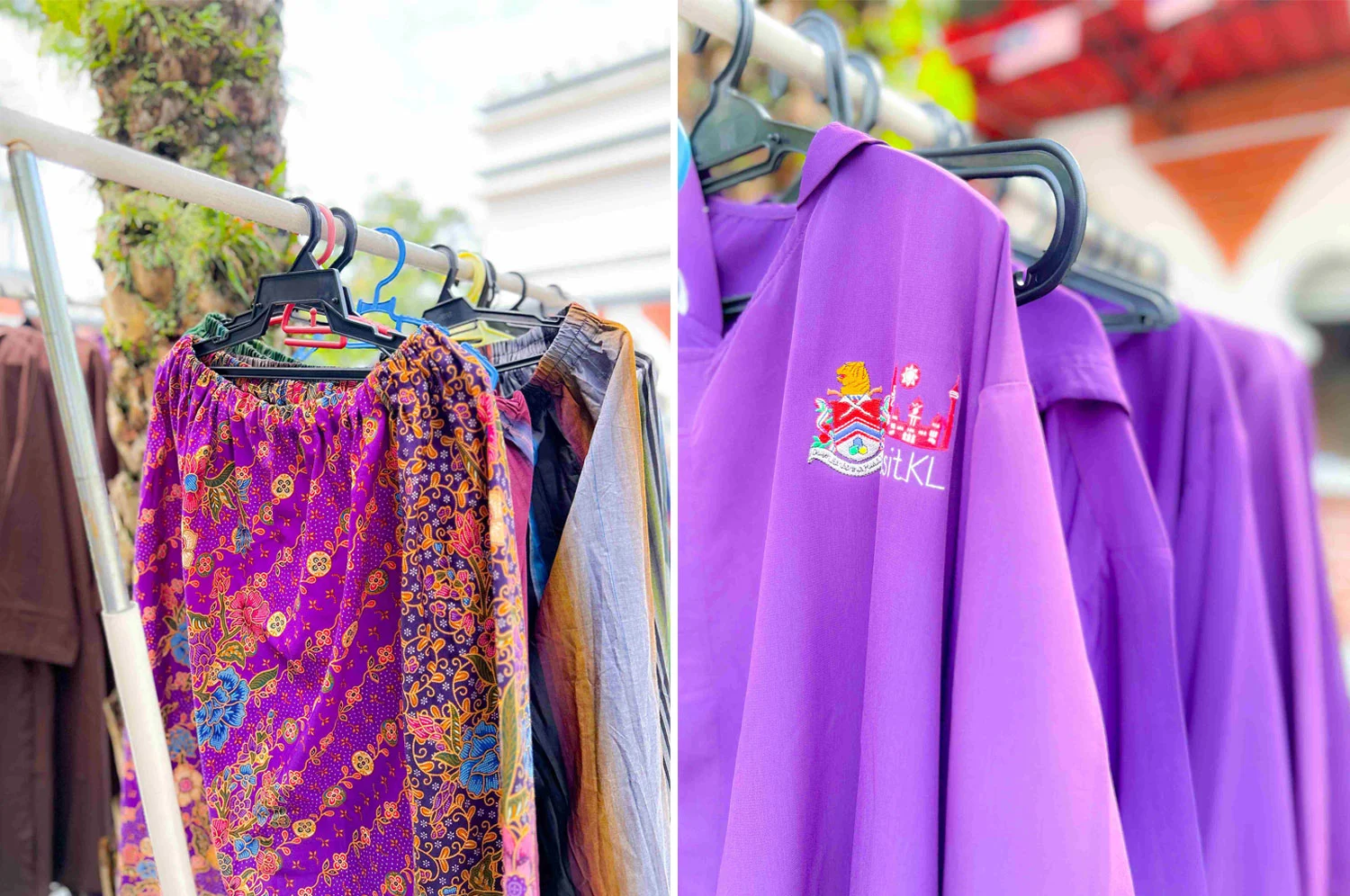
As an active place of worship, Masjid Jamek requires visitors to observe appropriate etiquette and dress modestly. Visitors should follow the mosque’s instructions regarding access to prayer areas, remove their shoes where required and avoid loud conversations or behaviour that could disturb worshippers.
Women may be required to cover their hair and wear suitable clothing, while men should wear long trousers and avoid sleeveless tops. Robes or other covering garments may be available for visitors who do not meet the dress requirements, subject to the mosque’s arrangements.
Visitors should also check the latest visiting hours before arriving, as access may vary during prayer times, religious observances and special occasions. Guided tours may be available to provide further insight into the mosque’s architecture and history, depending on the arrangements in place.
Photography should be undertaken respectfully, particularly when worshippers are present, and visitors should follow any restrictions indicated by mosque staff.
Discovering Kuala Lumpur Through Masjid Jamek
Masjid Jamek offers a meaningful introduction to Kuala Lumpur’s historical, architectural and cultural heritage. Its distinctive design, location at the confluence of two rivers and continuing role as a centre of Muslim worship make it an important landmark in Malaysia’s capital.
Whether viewed during the day for its architectural details or in the evening alongside the illuminated River of Life, the mosque provides a perspective on the city that extends beyond its modern skyline. For travellers interested in history, architecture and cultural heritage, Masjid Jamek remains a worthwhile destination when exploring Kuala Lumpur.
Source: Malaysia Tourism