Discover Kelantan, where royal heritage, traditional crafts, distinctive cuisine and rainforest adventures come together to reveal the enduring soul of Malaysia’s East Coast.
Known as one of Malaysia’s great cultural heartlands, Kelantan offers travellers an experience shaped by living traditions, centuries-old craftsmanship, royal heritage and a deep connection with nature. Life moves at a gentler pace here, with bustling markets, traditional villages, historic landmarks and lush landscapes revealing a side of Malaysia that feels both authentic and timeless.
From exploring the heritage streets of Kota Bharu and sampling Kelantanese specialities to watching fireflies along tranquil rivers and trekking through ancient rainforest, Kelantan invites visitors to experience the state beyond the usual tourist trail.
Arriving in Kelantan
Sultan Ismail Petra Airport
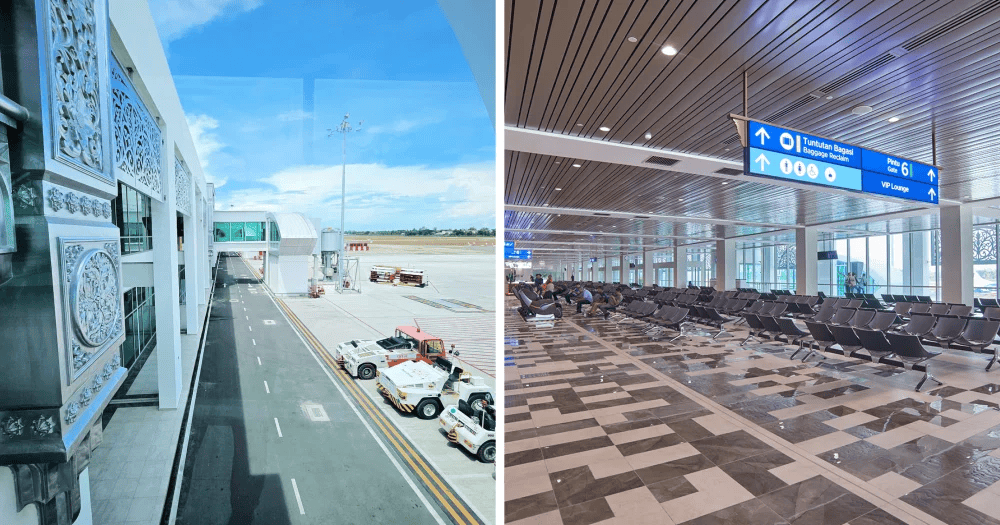
Your journey into Kelantan begins at Sultan Ismail Petra Airport (LTSIP) in Pengkalan Chepa, Kota Bharu. Following its modernisation in March 2026, the airport is designed to accommodate up to four million passengers annually, making it an increasingly important gateway to the state.
The terminal incorporates subtle elements of Kelantanese culture, offering visitors an early introduction to the state’s distinctive identity. From the airport, travellers can continue to Kota Bharu by taxi, ride-hailing services such as Grab or local bus services.
Discovering Kota Bharu’s Heritage
Kota Bharu is the cultural heart of Kelantan, where history and tradition remain woven into everyday life. Its museums, markets, royal landmarks and craft centres provide an ideal introduction to the state’s rich heritage.
Istana Jahar: A Glimpse into Royal Traditions
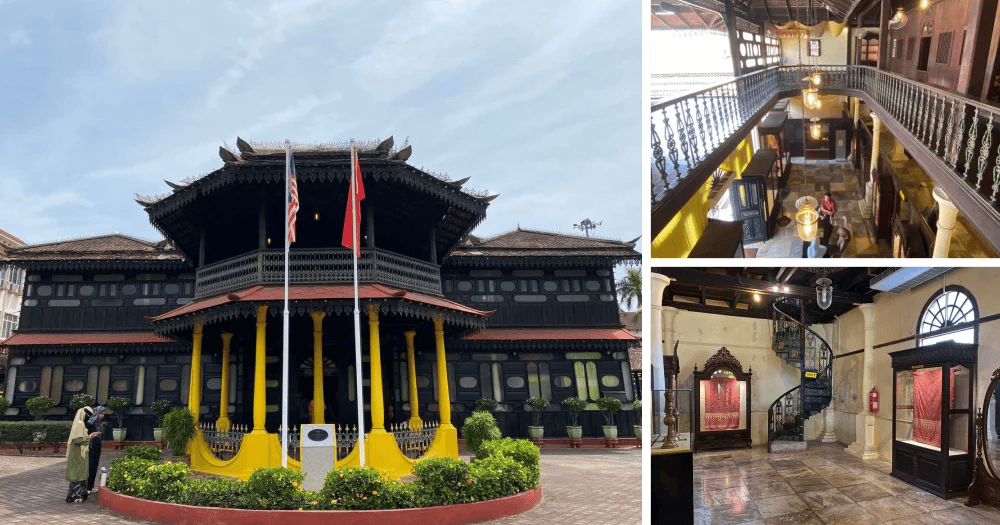
One of Kota Bharu’s most distinctive heritage landmarks, Istana Jahar is a beautifully preserved traditional wooden palace showcasing the customs and grandeur of Kelantan’s royal court.
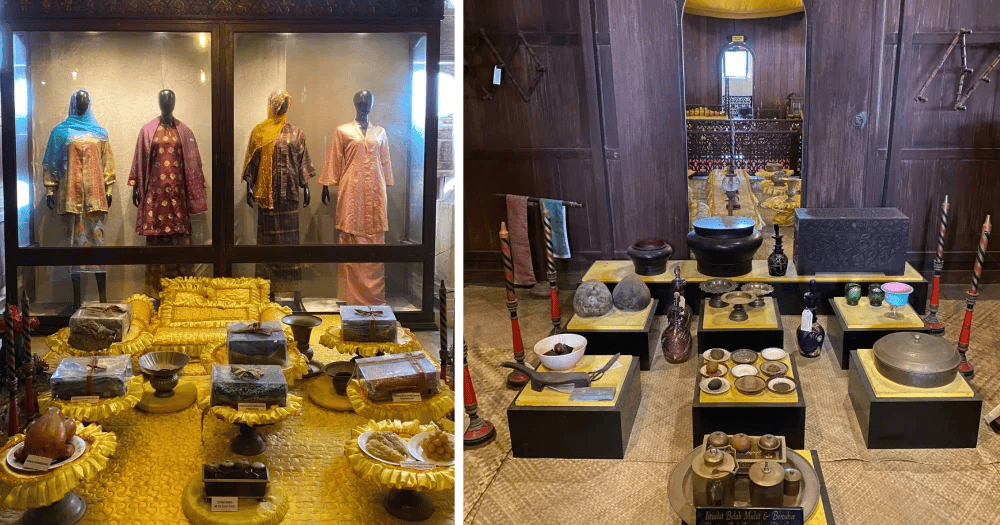
Constructed using traditional techniques and Chengal wood, the palace features galleries displaying royal regalia, traditional wedding arrangements and other artefacts associated with royal life. Visitors can learn about court protocols, social hierarchies and important milestones in Kelantan’s history while admiring the palace’s intricate craftsmanship.
The building itself is an architectural attraction, reflecting the sophistication of traditional Malay woodworking and palace design.
Bank Kerapu War Museum
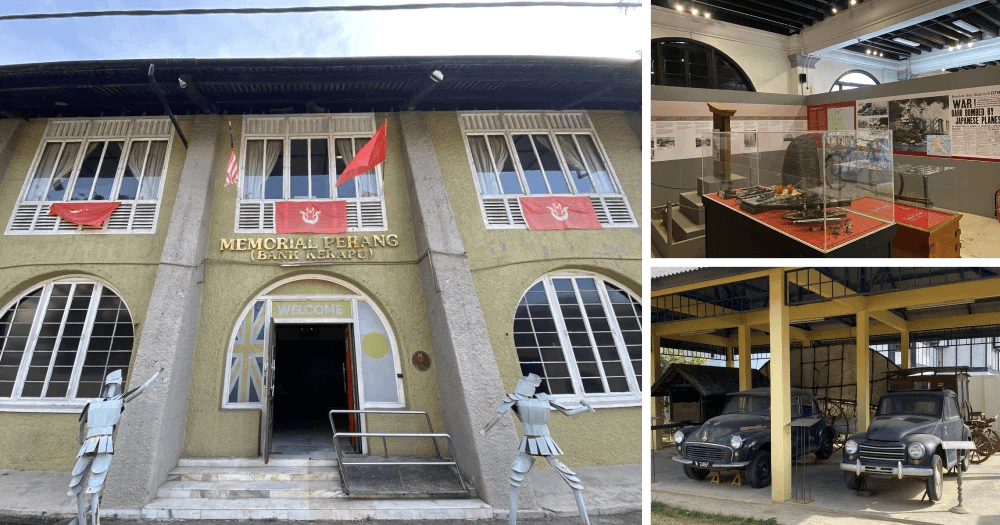
History takes a more sombre turn at Bank Kerapu, a former bank building dating from 1912 that later became associated with the Japanese occupation during the Second World War.
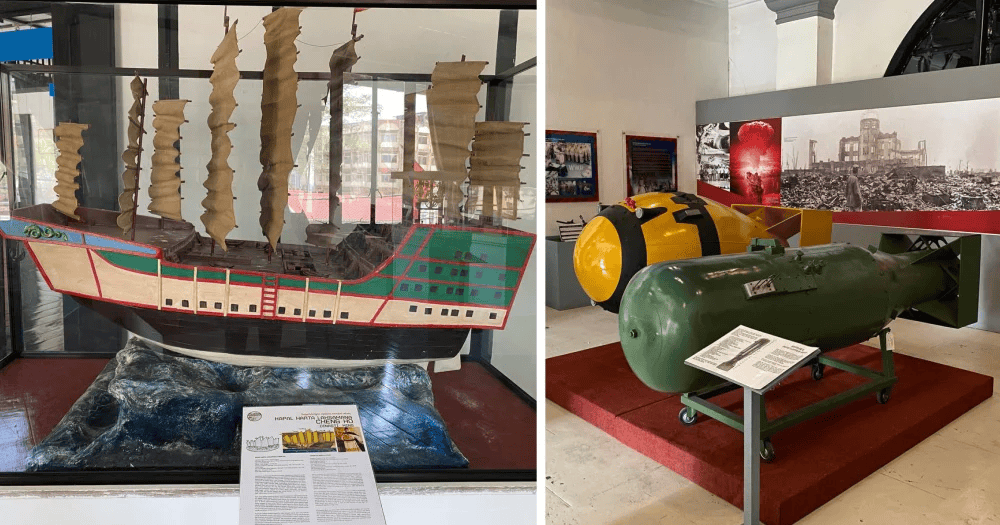
Today, the building houses exhibitions featuring historical photographs, wartime artefacts and accounts of the Japanese landing at Pantai Padang Pak Amat. The museum provides an opportunity to understand the impact of the war on Kelantan and its people, while preserving memories of a significant chapter in the state’s history.
Pasar Siti Khadijah
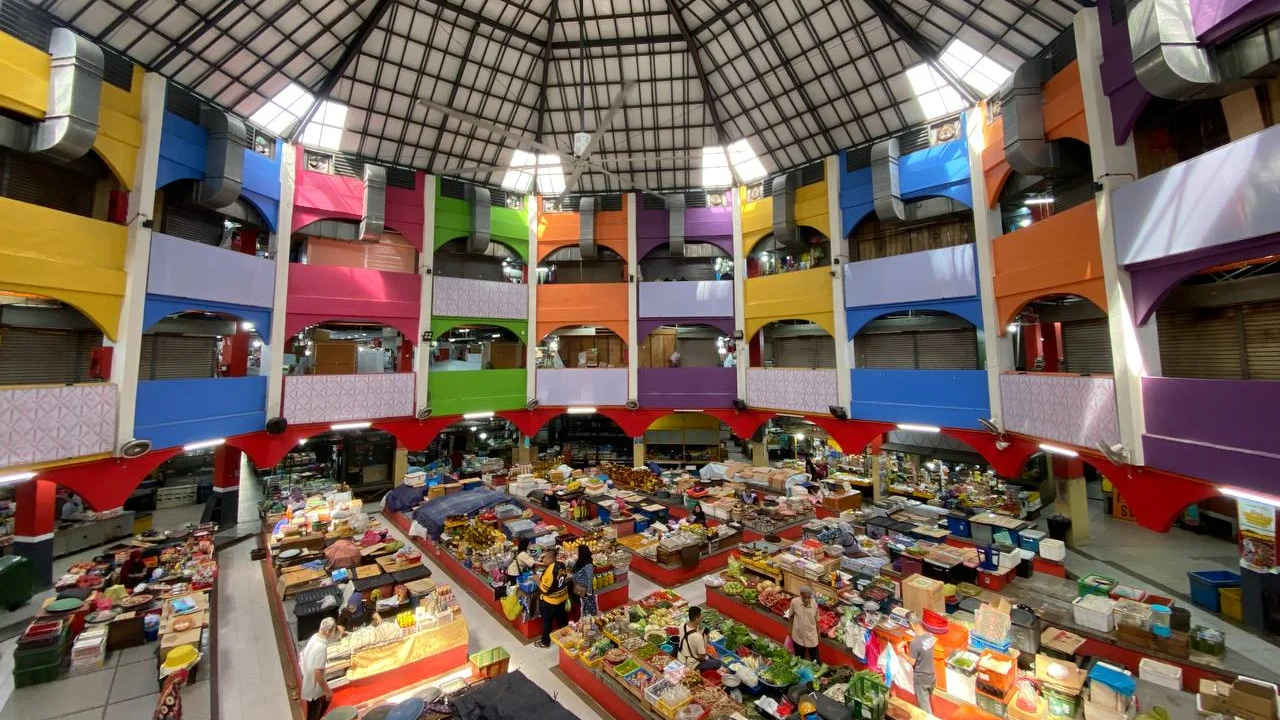
For a more vibrant introduction to local life, head to Pasar Siti Khadijah, Kota Bharu’s iconic central market. Named after the wife of the Prophet Muhammad, the market is particularly renowned for its large number of women traders.
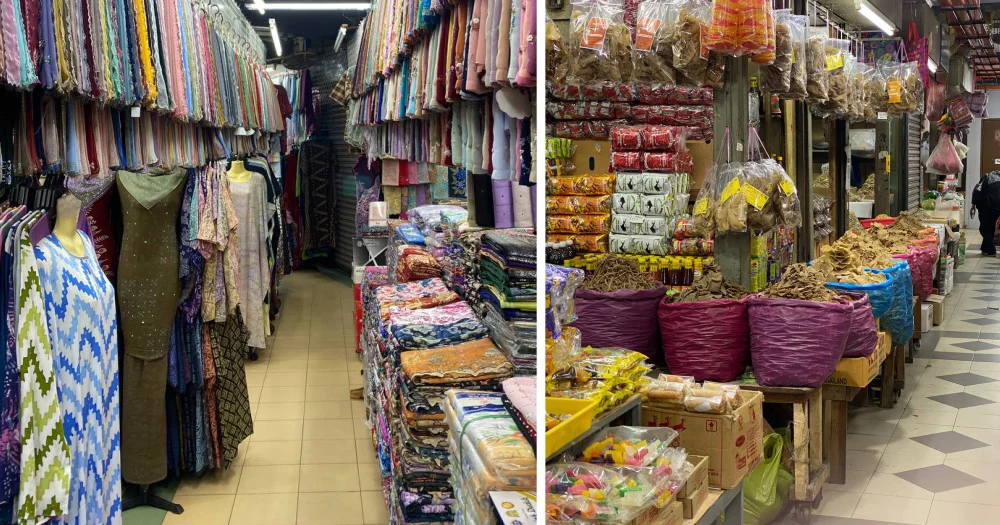
Spread across several levels beneath a colourful stained-glass dome, the market is filled with fresh produce, spices, tropical fruits, traditional snacks, batik and handicrafts. Visitors can browse the stalls while experiencing the lively rhythm of everyday commerce in Kelantan.
Local specialities such as serunding, traditional kuih and other regional delicacies make the market an essential stop for food lovers.
Kampung Kraftangan
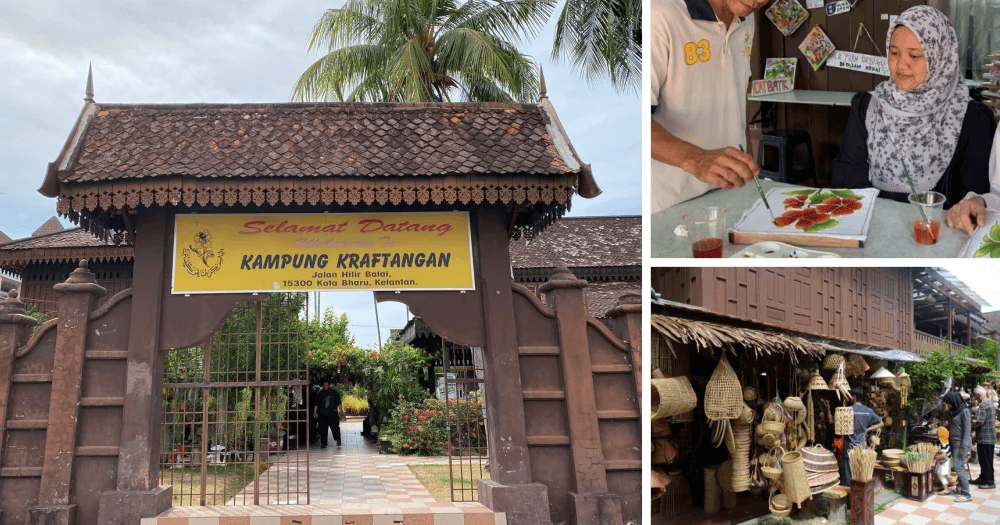
At Kampung Kraftangan, visitors can discover some of Kelantan’s most treasured traditional arts. The centre showcases crafts including batik, silverware and wood carving, with opportunities to observe skilled artisans at work and, in some cases, try their hand at traditional techniques.
Designed with elements inspired by traditional royal architecture, the centre plays an important role in preserving Kelantan’s craft heritage. Watching artisans transform raw materials into intricate works of art offers a fascinating insight into the patience, precision and creativity behind these long-standing traditions.
Collectibles Museum
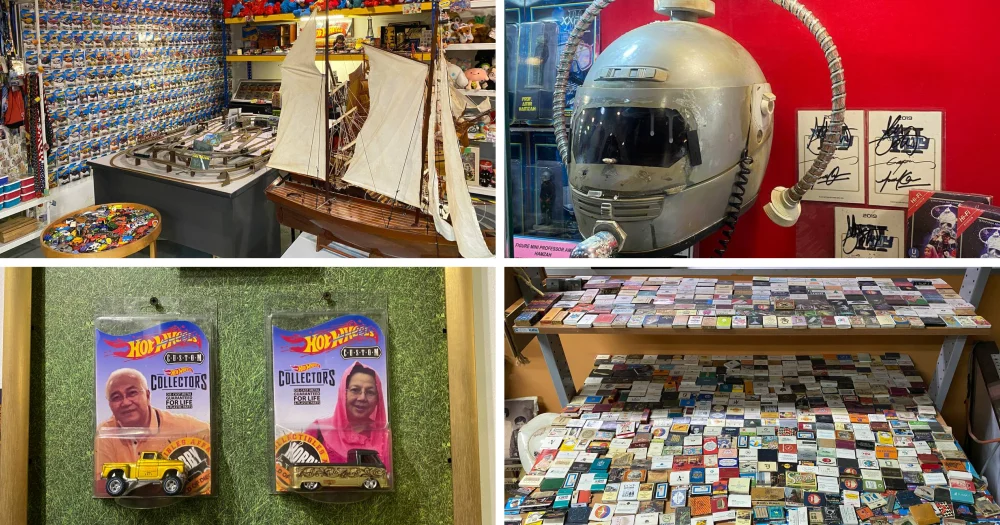
For something altogether different, Collectibles Museum in Tanjung Chat offers a modern take on nostalgia and collecting. Its displays include royal hobby collections, vintage toys, die-cast cars and a variety of rare memorabilia.
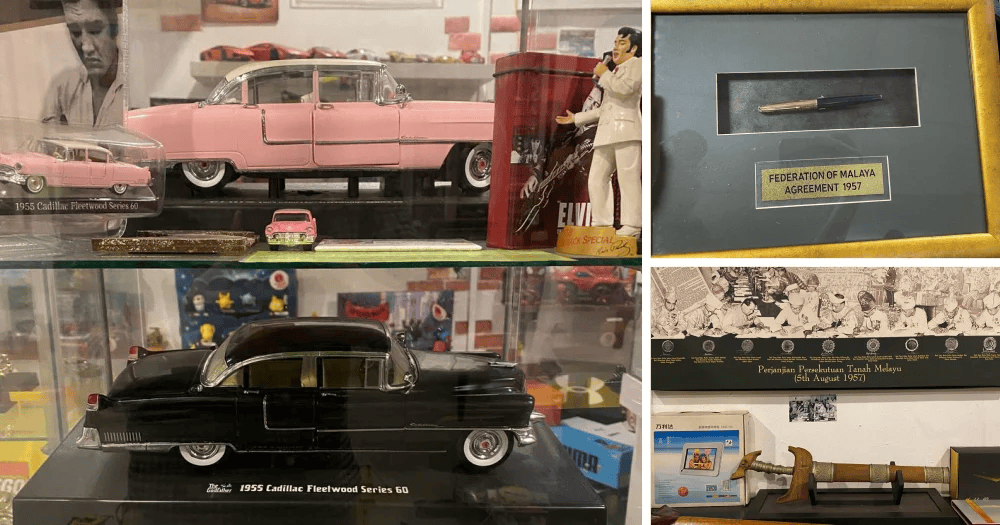
The museum grew from Collectibles Affair, a local cultural and hobby initiative developed in collaboration with members of Kelantan’s royal household. Its eclectic displays provide an engaging experience for both nostalgic adults and younger visitors discovering vintage objects and pop culture for the first time.
A Taste of Kelantan
No journey through Kelantan would be complete without exploring its distinctive cuisine. Known for its rich flavours and characteristic sweetness, Kelantanese food reflects the state’s cultural influences and culinary traditions.
Yati Ayam Percik
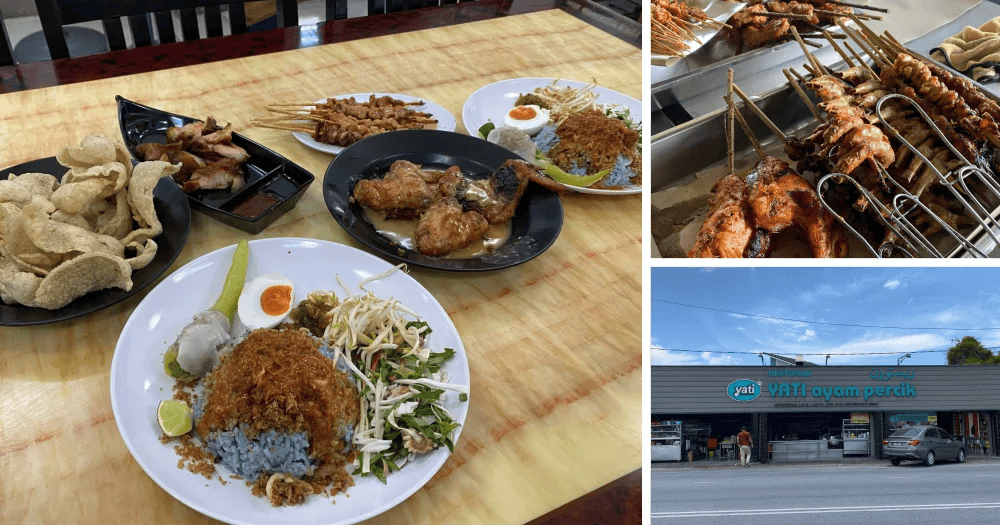
A visit to Kota Bharu offers the perfect opportunity to try ayam percik, one of the East Coast’s best-loved dishes. At Yati Ayam Percik, grilled chicken is coated in a rich coconut-based sauce flavoured with aromatic spices.
Cooked over charcoal, the chicken develops a smoky exterior while absorbing flavours from ingredients such as lemongrass, galangal and shallots. The combination of charred meat, creamy coconut and sweet-spiced sauce makes ayam percik a memorable introduction to Kelantanese cuisine.
Sate Razak
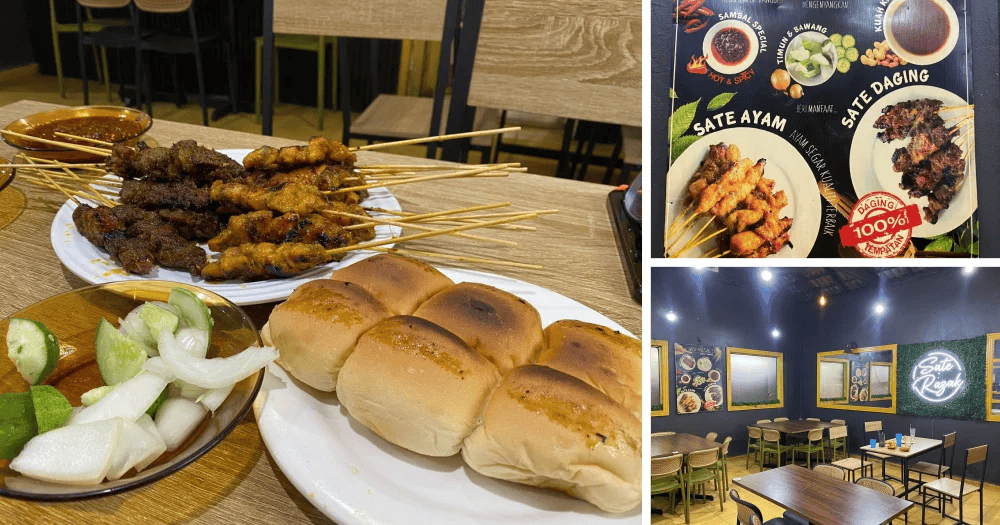
For an evening meal, Sate Razak in Wakaf Bharu is known for its grilled skewers served with a rich peanut sauce. Marinated meat is cooked over an open flame, producing tender, smoky skewers that pair naturally with cucumber and onion.
Crossing the Kelantan River from Kota Bharu adds to the experience, making the journey part of an enjoyable evening excursion.
Pantai Sabak Evening Treats
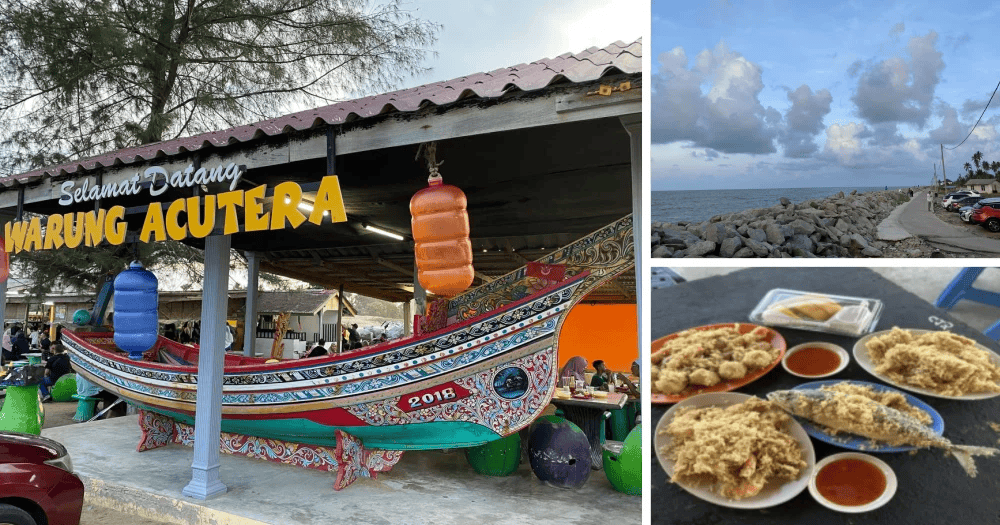
As the day cools, make your way to Pantai Sabak for a taste of colek, a popular local snack experience. Fried seafood, fritters and fresh fruit are typically accompanied by a spicy-sweet dipping sauce.
Enjoying these simple treats while watching the sun set over the coast offers a relaxed way to experience Kelantanese food and seaside life. The combination of sea breeze, local flavours and an open-air setting captures the unhurried character of the East Coast.
Nature and Eco-Adventures
Beyond its cultural attractions, Kelantan offers abundant opportunities to reconnect with nature. Rivers, paddy fields, forests and mountains provide a contrasting landscape for travellers looking to explore the state’s quieter side.
Min House Camp
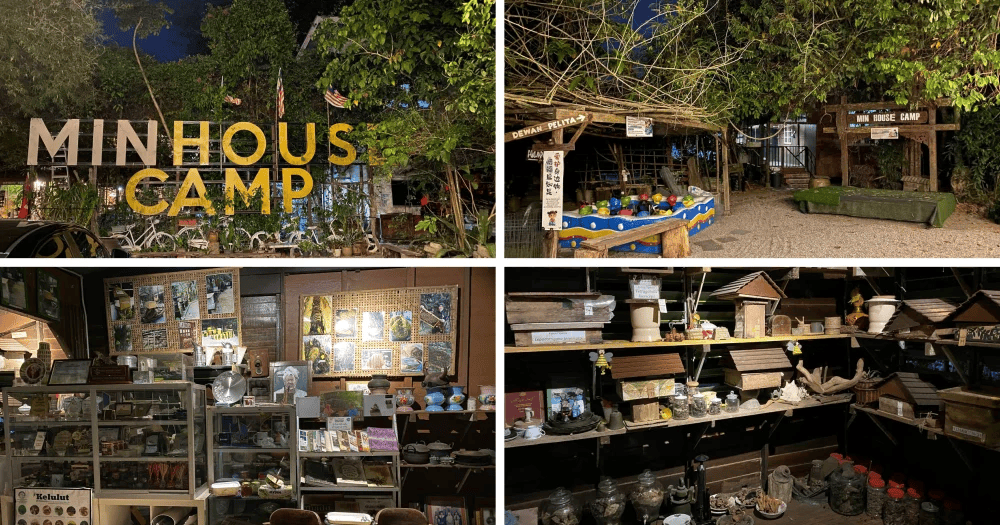
Located in Kubang Kerian, Min House Camp combines eco-tourism with environmental education. Set along a peaceful riverbank, the attraction offers activities ranging from firefly boat rides to visits to a stingless bee farm.
During the day, visitors can learn about stingless-bee keeping and sample madu kelulut, while evening boat rides provide the chance to see fireflies illuminating the surrounding darkness.
The experience highlights Kelantan’s natural environment while encouraging greater appreciation for conservation and sustainable tourism.
Desa Gemalai
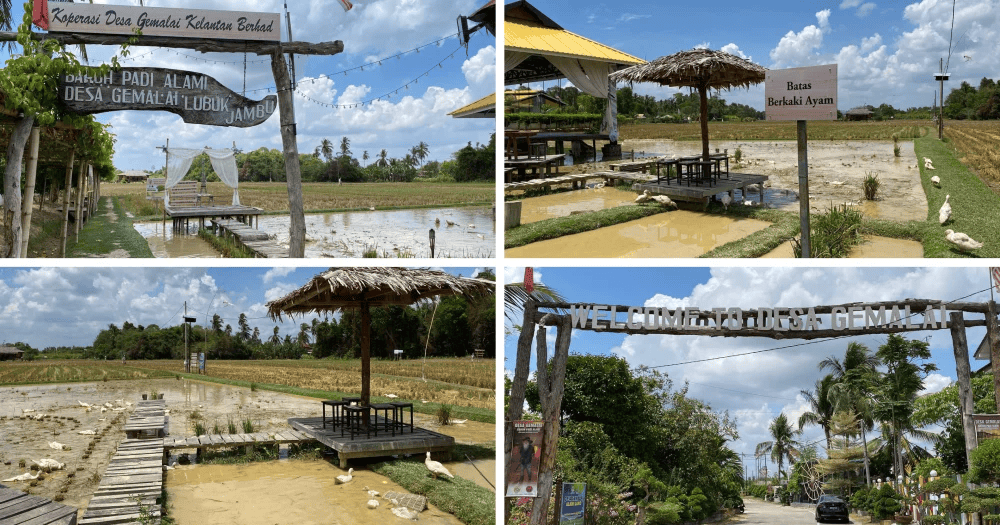
For a slower rural experience, Desa Gemalai offers picturesque paddy fields and traditional village scenery. Wooden walkways pass through fields of rice, with rustic structures and open landscapes creating an ideal setting for photography.
The changing colours of the fields throughout the agricultural cycle offer a glimpse into the rhythms of rural life, while early mornings and late afternoons provide particularly atmospheric views.
Gunung Stong and Baha Camp
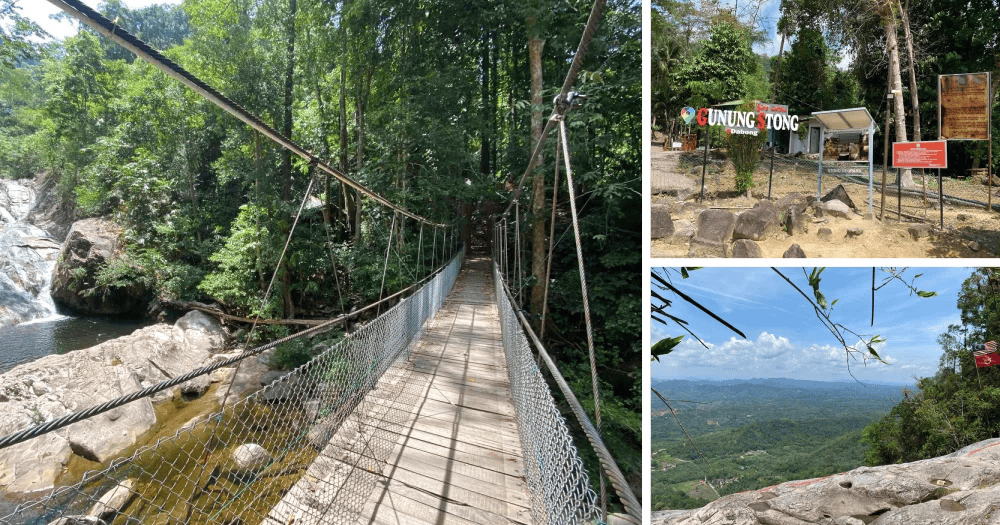
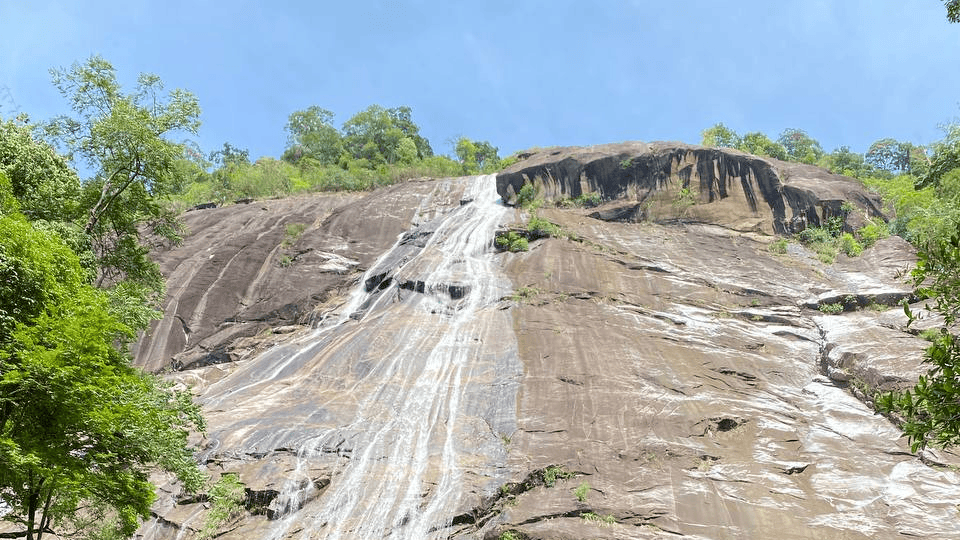
For adventurous travellers, Gunung Stong offers a challenging journey into Kelantan’s rainforest. The area is home to Jelawang Waterfall, one of the region’s most impressive waterfalls, as well as dense forest ecosystems rich in flora and fauna.
The route to Baha Camp involves steep sections, slippery rocks and wooden ladder climbs. Hikers can reach the camp in roughly 1.5 to 2.5 hours from the trail base, while those continuing towards Gunung Stong or Gunung Ayam face several more hours of demanding climbing.
An overnight stay at Baha Camp can reward trekkers with spectacular sunrise views above the clouds. Due to the challenging terrain and changing conditions, hikers should arrange the required permits and engage a certified local forestry guide before entering the trail.
Living Heritage Beyond Kota Bharu
Kelantan’s heritage extends beyond museums and city landmarks. Across its villages and surrounding districts, traditional architecture, performing arts and craftsmanship remain an important part of the state’s cultural identity.
Laman Warisan Seni Kampung Laut
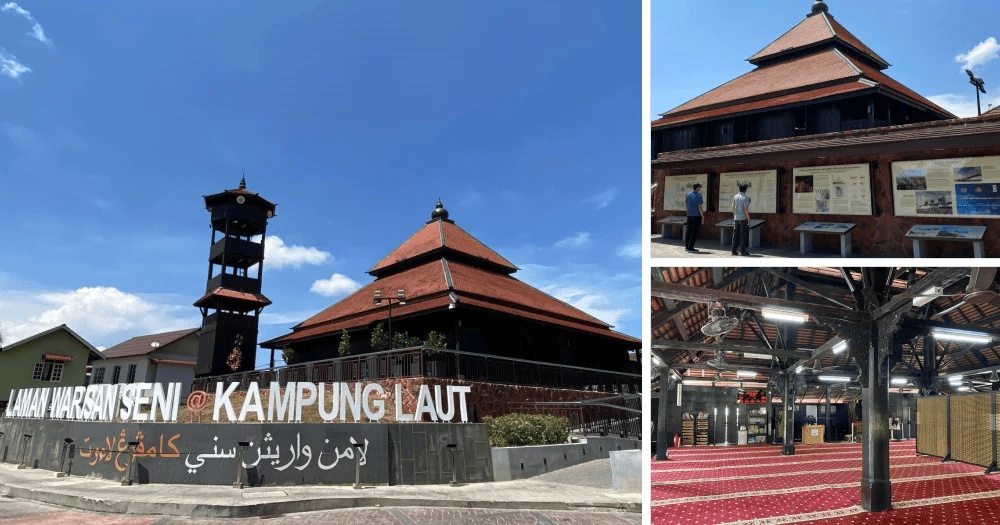
At Laman Warisan Seni Kampung Laut, visitors can discover the historic Masjid Kampung Laut, recognised as one of the oldest surviving wooden mosques in Malaysia and Southeast Asia.
The mosque is notable for its traditional construction, including the use of Chengal timber and a mortise-and-tenon technique known as tebuk-pasak. Its distinctive three-tiered meru roof reflects the architectural traditions of the wider Nusantara region.
The surrounding heritage area provides opportunities to experience traditional crafts and local food while learning more about the history of Kampung Laut and its relationship with the Kelantan River.
Tambatan Diraja
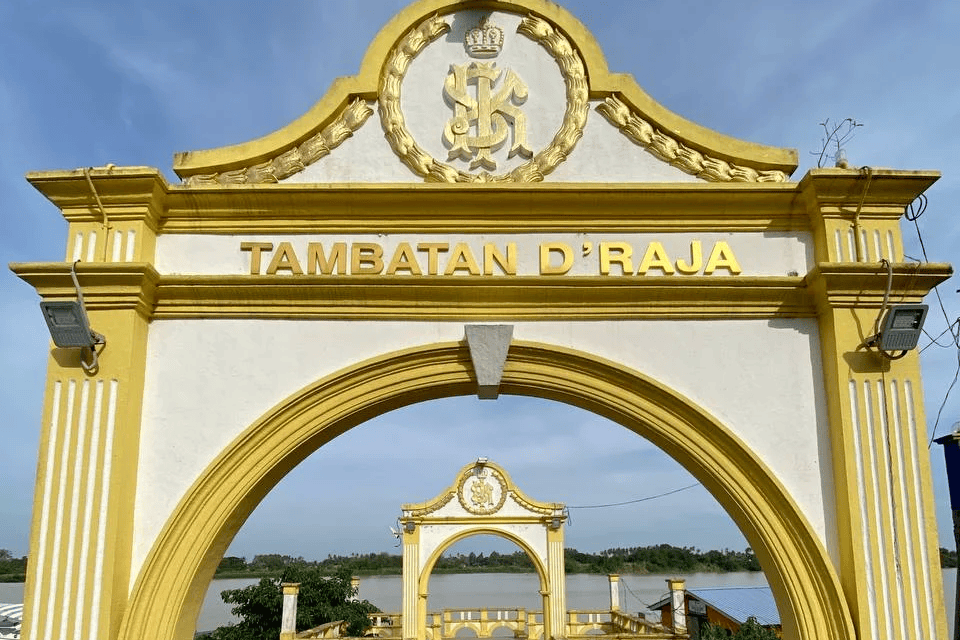
Located along the Kelantan River, Tambatan Diraja was once an important royal landing point. Royal family members, foreign envoys and dignitaries would arrive here by river before continuing towards the royal precinct.
Its location near historic landmarks such as Istana Balai Besar and Istana Jahar highlights the important role the river once played in connecting Kota Bharu’s royal and administrative centre with the wider region.
Wau and Wayang Kulit Heritage
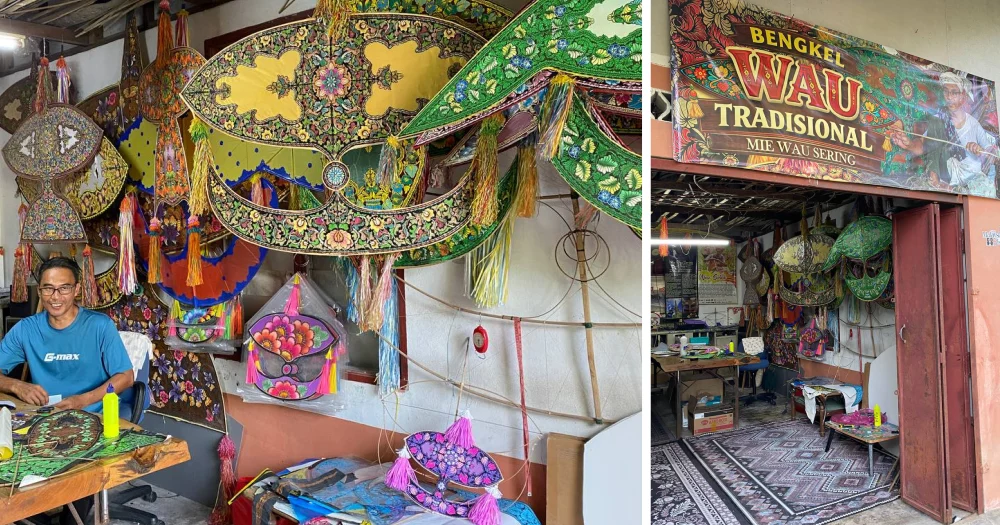
Kelantan’s cultural identity is perhaps nowhere more distinctive than in its traditional performing and decorative arts.
At artisan workshops such as Mie Wan Sering, visitors can learn about the making of the iconic Wau Bulan, Malaysia’s celebrated crescent-shaped kite. Master artisans demonstrate intricate techniques including sobek, a delicate form of paper-cutting used to create elaborate decorative patterns.
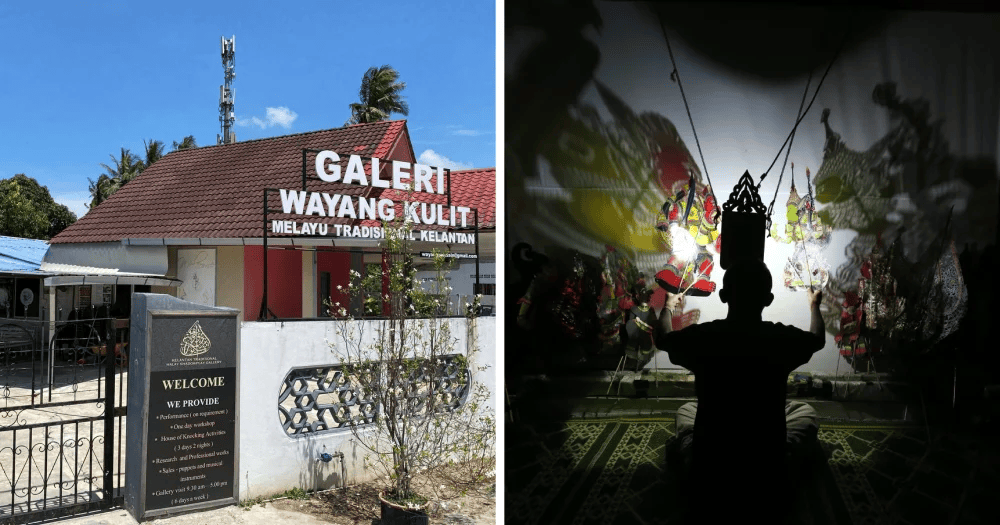
The experience can be complemented by a traditional Wayang Kulit performance. In this centuries-old shadow-puppet tradition, the Tok Dalang manipulates intricately carved leather puppets behind an illuminated screen while musicians provide a traditional soundtrack.
The combination of craftsmanship, storytelling, music and light offers a captivating window into Kelantan’s artistic heritage.
Experience the Soul of Kelantan
Kelantan rewards travellers who take the time to look beyond its headline attractions. Its appeal lies in the meeting of old and new: modern gateways lead into historic royal quarters; bustling markets preserve traditional foodways; skilled artisans continue techniques passed down through generations; and ancient rainforests remain within reach of the city.
Whether your interests lie in heritage, food, craftsmanship, adventure or simply slowing down amid beautiful landscapes, Kelantan offers a journey rich in character. More than a destination to visit, it is a place to experience — through its people, traditions, flavours and enduring connection to the land.
Source: Malaysia Tourism