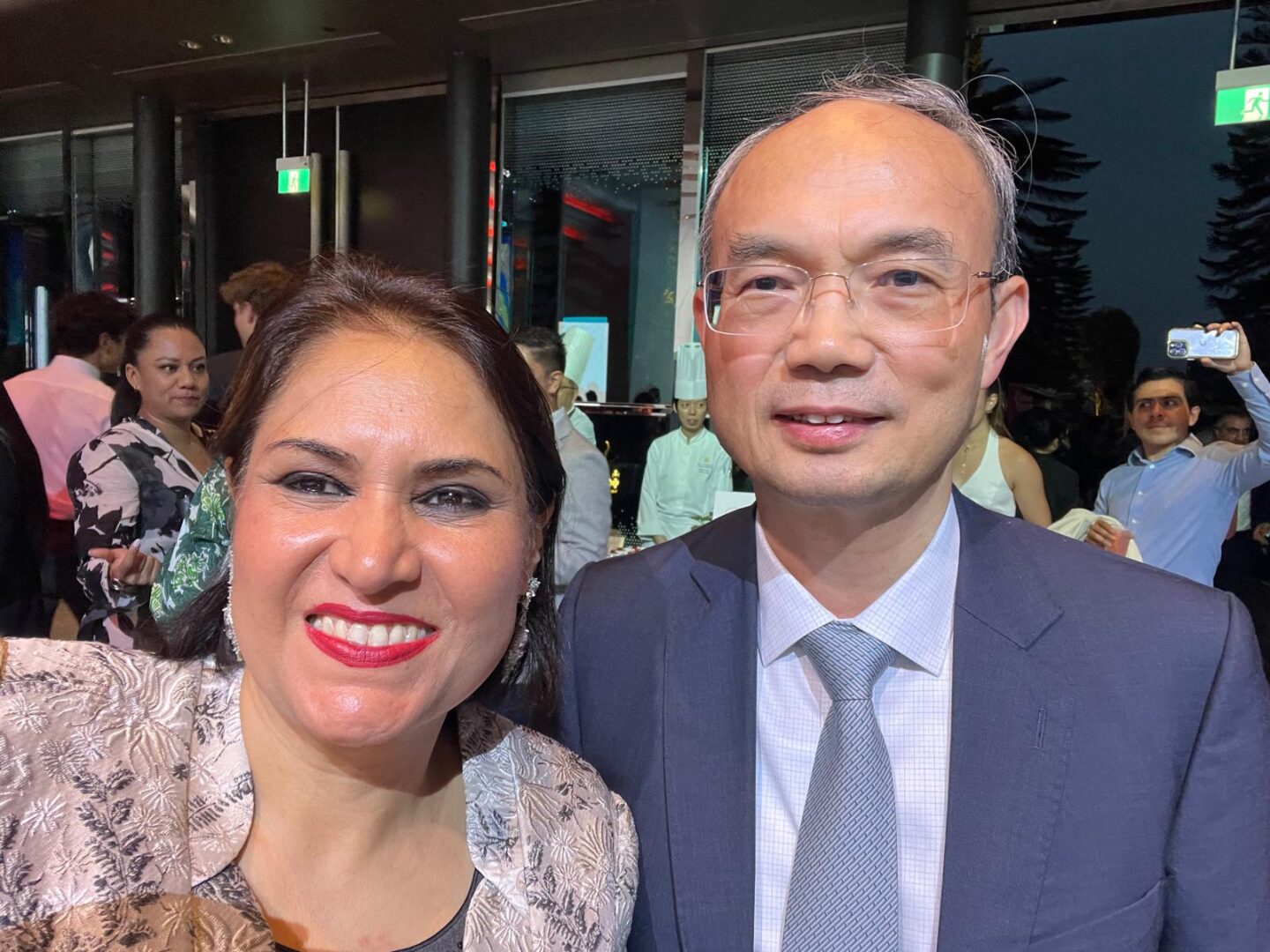
In an exclusive interview with IN Diplomacy, Chinese Ambassador to Singapore H.E. Cao Zhongming highlights the achievements of Prime Minister Lawrence Wong’s recent visit to China and outlines the future trajectory of bilateral relations.
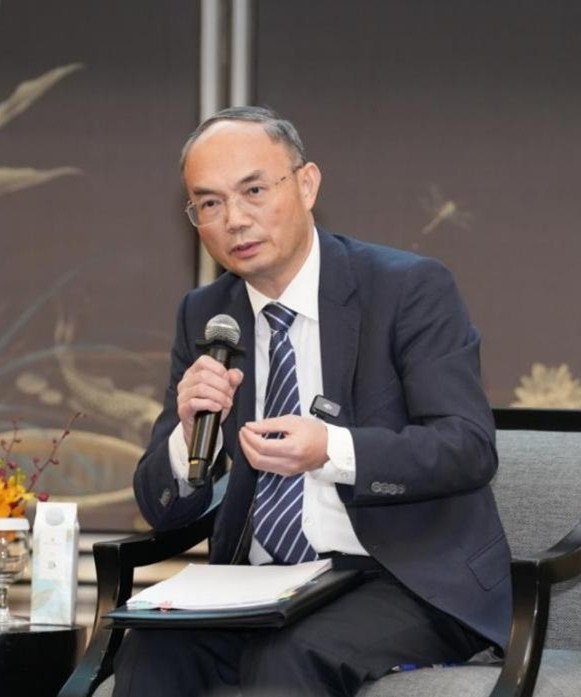
Singapore, 15 August 2025 — Chinese Ambassador to Singapore H.E. Cao Zhongming has expressed strong optimism about the future of China–Singapore relations, following Prime Minister Lawrence Wong’s official visit to China from 22 to 26 June 2025 to mark the 35th anniversary of diplomatic ties.
Q: Prime Minister Wong recently visited China to mark 35 years of diplomatic relations. How would you describe the current relationship between China and Singapore?
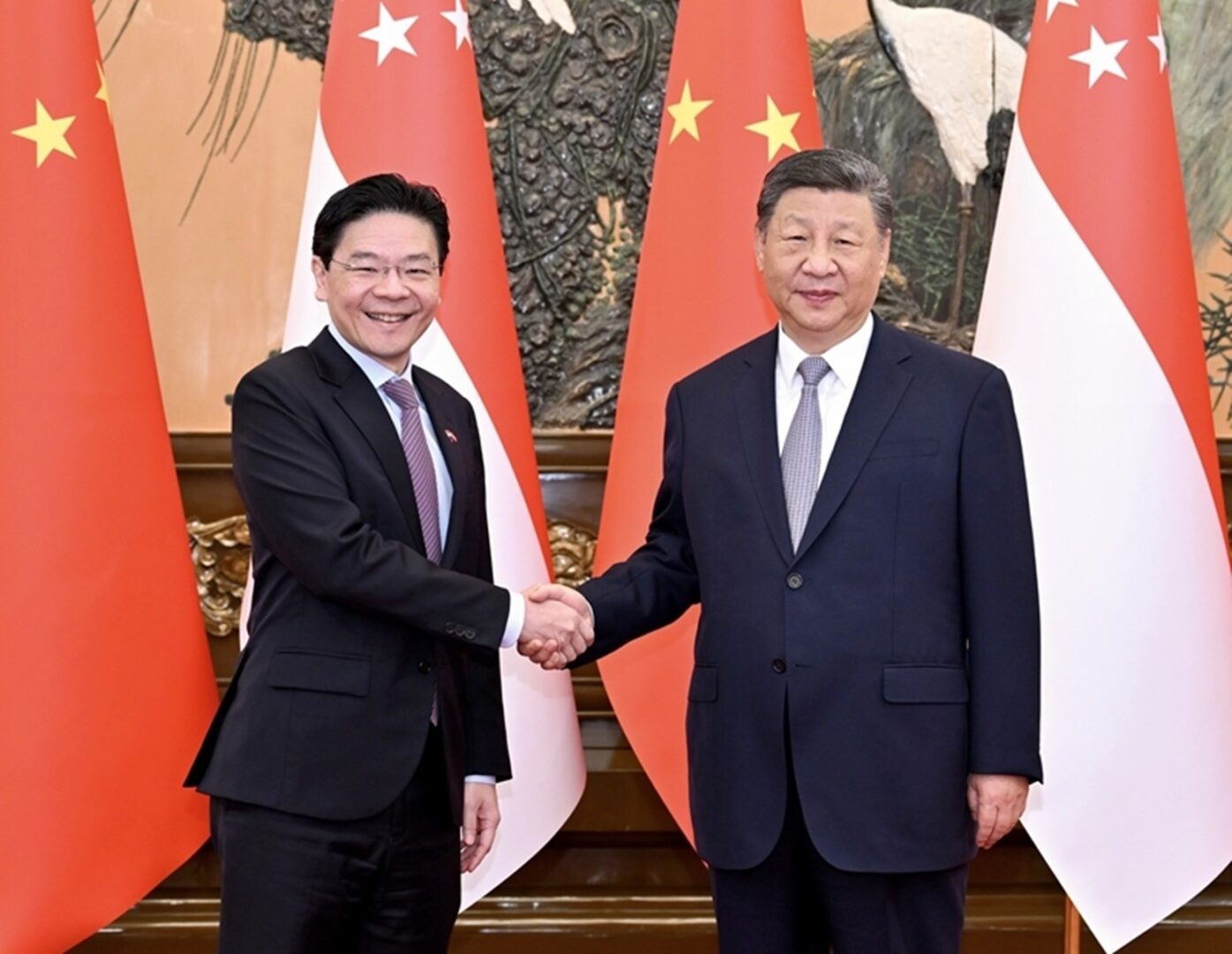
Prime Minister Lawrence Wong paid an official visit to China from June 22 to 26. This is his first official visit to China after assuming office as Prime Minister. During his visit, Chinese President Xi Jinping, Premier Li Qiang and Chairman of the Standing Committee of the National People’s Congress Zhao Leji met with him respectively. The visit took place at a time when China and Singapore are set to open up new prospects for bilateral friendly cooperation on top of past achievements. During their meetings and talks, leaders of both countries took stock of the development of China-Singapore relations over the past 35 years, reaffirming that mutual understanding and mutual respect provide a solid safeguard for the stable and sound growth of China-Singapore ties. Throughout the visit, I clearly sensed the continuity and evolution of China-Singapore friendship and relations, as well as the long-term strategic perspective taken by Chinese and Singaporean leaders when approaching and growing China-Singapore relations. Therefore, I am highly confident about the future of our bilateral relations.
Q: During the meeting, both sides reaffirmed the “All-Round High-Quality Future-Oriented Partnership.” What does this mean in practical terms?
The relationship between China and Singapore was elevated to an all-round, high-quality, future-oriented partnership in 2023. This new characterisation sends out several messages. First, it reflects the maturity of this relationship. All-round means that the relationship covers all levels: top-level interactions between heads of state and government, close communication between government ministries, extensive cooperation between Chinese provinces and municipalities and their Singaporean counterparts, and booming people-to-people exchanges. All-round also means that this relationship spans all fields, be it politics, economy, education, science and technology, culture or tourism.
Second, the high-quality and future-oriented part of the characterisation points out the direction this relationship will progress toward. High quality is the defining hallmark of China-Singapore cooperation. Under this guidance, China and Singapore have focused on high-quality Belt and Road cooperation, and upgraded the Suzhou Industrial Park, Tianjin Eco-City and Chongqing Connectivity Initiative—three government-to-government projects—to adapt to new circumstances and meet new needs. Our two countries are also committed to cultivating new cooperation highlights in such areas as digital economy, green economy, artificial intelligence, smart cities and marine energy. We will also actively expand our cooperation to third countries.
Future-oriented means that on the basis of aligning our respective development strategies, China and Singapore will conduct forward-looking practical cooperation by embracing emerging trends of connectivity, information technology and artificial intelligence. At the same time, we will conduct experience sharing on state governance in order to find solutions to shared challenges like population ageing and sustainable development.

Q: The leaders discussed working together in the digital and green economies. Can you give examples of any current or upcoming projects in these areas?
Digital and green are the priorities of China-Singapore cooperation in the future. Our two countries have established multiple cooperation mechanisms around these two themes. On digital, we have established the China-Singapore Digital Policy Dialogue and convened its first meeting in Beijing last year. At the meeting, our two sides set out the direction and priorities for the next phase of cooperation on cross-border data flows with a view to facilitating corporate data transfers across borders, cultivating new digital business models and formats, and promoting high-quality development of digital trade. On green, our two countries have put in place the China-Singapore Environment Policy Dialogue and recently convened its 7th meeting in Beijing. At the meeting, we had an in-depth exchange of views on solid waste management, carbon market, nuclear and radiation safety, and environmental technology. In addition to this, Singapore has also signed MoUs with China’s Tianjin Municipality and Shandong Province on cooperation on the Green and Digital Shipping Corridor. This cooperation will accelerate the green and sustainable development of the shipping industry in the three places and might also be expanded to the national level in the future.
The China-Singapore cooperation, while rooted in bilateral engagement, carries far-reaching significance. As President Xi Jinping rightly pointed out, the outcomes of China-Singapore cooperation have set a yardstick for regional cooperation. Current digital and green initiatives between our two countries may be introduced to other countries through tripartite cooperation. At the same time, both China and Singapore are staunch champions of sustainable growth and digital development in the region. Under our support, the 2024 China-ASEAN Summit issued a joint statement on facilitating cooperation in building a sustainable and inclusive digital ecosystem. China is also actively applying to join the Digital Economy Partnership Agreement initiated by Singapore.
Q: The leaders mentioned the early relationship between Mr Lee Kuan Yew and Mr Deng Xiaoping. Why are these historical links still important today?

As the founders of China-Singapore relations, Mr. Lee Kuan Yew and Mr. Deng Xiaoping have established the principle of mutual understanding and respect from the very beginning of bilateral engagement. This principle is the underlying foundation for the stable and sound development of China-Singapore relations.
As a Chinese saying goes, “When drinking water, one should never forget its source.” Only by remaining true to our original aspirations can we accomplish our long-term mission. No matter how far China-Singapore relations progress, we must always understand and respect each other. This is indeed the only way to steer China-Singapore relations along the right course of friendship and continued development.
Q: What are some ways Singapore and China can continue to support open and fair trade in today’s global environment? How can both countries contribute to improving global economic systems?
At present, some major powers are obsessed with putting themselves first and peddling the “decoupling” narrative. In recent months, some specific powers have been wielding the tariff stick to threaten and exploit their trade partners, bringing serious shocks to global supply chains and trade systems, and creating more challenges for international economic and trade cooperation. As beneficiaries and defenders of economic globalisation and free trade, both China and Singapore should stay committed to open regionalism and true multilateralism, actively liberalise and facilitate trade and investment, and ensure that global industrial and supply chains are stable and uninterrupted. We can start from promoting economic integration in this region, such as implementing the China-Singapore Free Trade Agreement (CSFTA) Upgrade Protocol, which entered into force at the end of last year and the Regional Comprehensive Economic Partnership (RCEP), and formally signing the upgrade protocol for China-ASEAN Free Trade Area 3.0 as scheduled.
Q: Prime Minister Wong restated Singapore’s “One China” policy. How does China view this position, and why is it important?
The Taiwan question is at the core of China’s core interests. The one-China principle is a basic norm in international relations, an established international consensus, and the political foundation for China-Singapore friendship. The root cause of the current tension and turbulence in the Taiwan Strait is that the Democratic Progressive Party authorities and Lai Ching-te stubbornly hold on to “Taiwan independence” claims, continuously make separatist provocations, and won’t turn around on the wrong path. Singapore’s clear adherence to the one-China policy and opposition to “Taiwan independence” demonstrate not only its support for China’s core interests, but also its dedication to peace and stability in the Taiwan Strait. China appreciates the above-mentioned statement of PM Wong.
Q: Are there any plans to expand student, cultural, or professional exchanges between China and Singapore? How do people-to-people ties help strengthen the relationship between the two countries?
State-to-state relations lie in close people-to-people contact. People’s friendship is the source of power for countries to grow ties. Both China and Singapore are willing to promote visits between our peoples. Since February last year, our mutual 30-Day Visa-Exemption Arrangement has greatly facilitated our people-to-people exchanges. During the first quarter of this year, more than 831,000 Chinese tourists travelled to Singapore, keeping China as the top source of tourists for Singapore. During Singapore’s school holiday in June this year, the number of Singaporeans travelling to China grew by 58% year-on-year, with popular Chinese brands such as Pop Mart, Haidilao and Chagee becoming major factors of attraction.
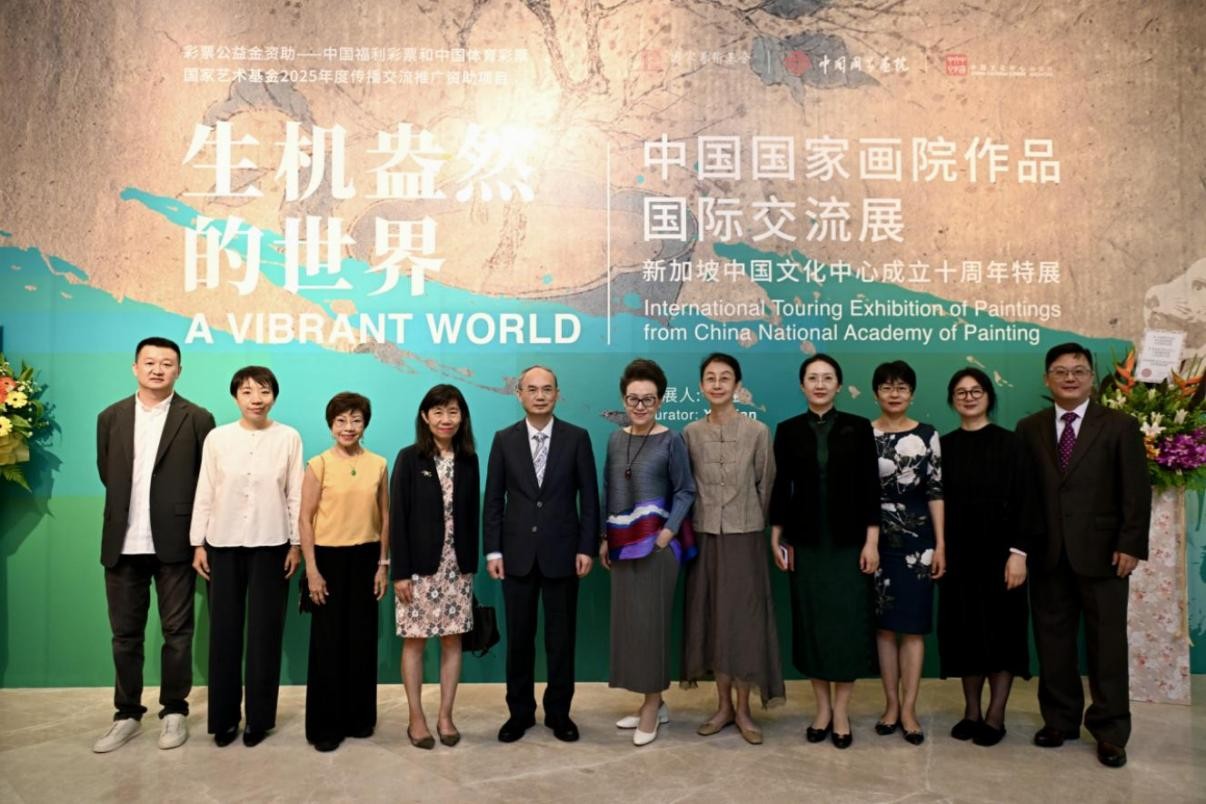
Cultural exchanges between our two countries have also been frequent. In June this year, precious collections from Singapore’s Asian Civilisation Museum and Peranakan Museum were on display in Beijing, demonstrating Singapore’s charm of diversity to the Chinese audience. Starting from July, the China Cultural Centre in Singapore has been hosting “A Vibrant World-International Touring Exhibition of Paintings from China National Academy of Painting”, which helps local friends better understand the unique views of the Chinese people towards the universe, nature and life. In September, the China National Symphony Orchestra will visit Singapore and perform at Esplanade to mark the 35th anniversary of our diplomatic ties.
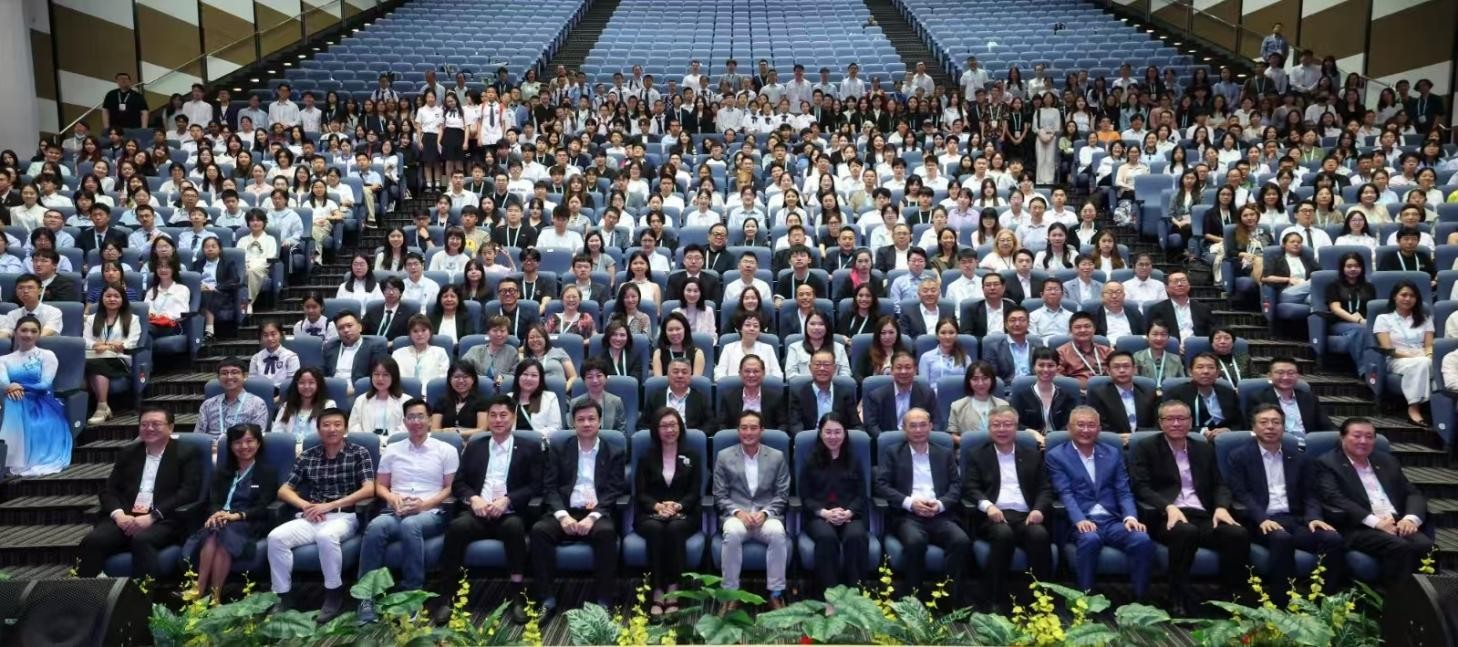
Exchanges of our young people have never stopped either. Not long ago, I attended the Singapore-China Youth Forum 2025 jointly organised by Business China, Singapore Polytechnic and Wanhe International, where I was deeply impressed by the friendship that binds our youth together for a common future.
It is my firm belief that the closer our cultural and people-to-people exchanges are, the deeper our peoples’ friendship will be, which will eventually feed back to the friendly ties between China and Singapore.
Q: Prime Minister Wong also attended the Summer Davos in Tianjin. What were the outcomes?
At the Summer Davos, Prime Minister Wong was engaged in a conversation with Mr. Borge Brende, President of the World Economic Forum (WEF). During the conversation, PM Wong voiced his concerns about the weakening of global norms and rules and the decline of global institutions. He also called for uniting the people, promoting integration, breaking barriers and building multilateralism that is more resilient and inclusive. Notably, he creatively put forth “flexible multilateralism” as an approach to cope with current situations, and explained how Singapore upholds economic globalisation and free trade in practical terms. PM Wong’s remarks have made like-minded countries, including China, willing to work with Singapore, starting with bilateral and regional endeavours, to defend multilateral trade systems and rules, accelerate economic integration, and deliver benefits to people of all countries.
Q: What are the Embassy’s key focus areas moving forward in China–Singapore cooperation?
The most important missions for the Chinese Embassy in Singapore are to help people from all walks of life understand China and China-Singapore relations, to serve as a bridge for friendly exchanges and cooperation, and to provide a platform to consolidate shared ideas and interests. Of course, our most important work now is to implement the consensus reached between our leaders, especially those achieved during PM Wong’s recent visit to China, while striving to open new frontiers of cooperation, including digital economy, green economy, artificial intelligence, smart cities and marine energy. In addition, the Embassy will organise or participate in a number of events marking the 35th anniversary of China-Singapore diplomatic ties, through which we hope to uncover more experience and wisdom from the past journey of bilateral relations, and to make our tree of friendship flourish and bear more fruits.