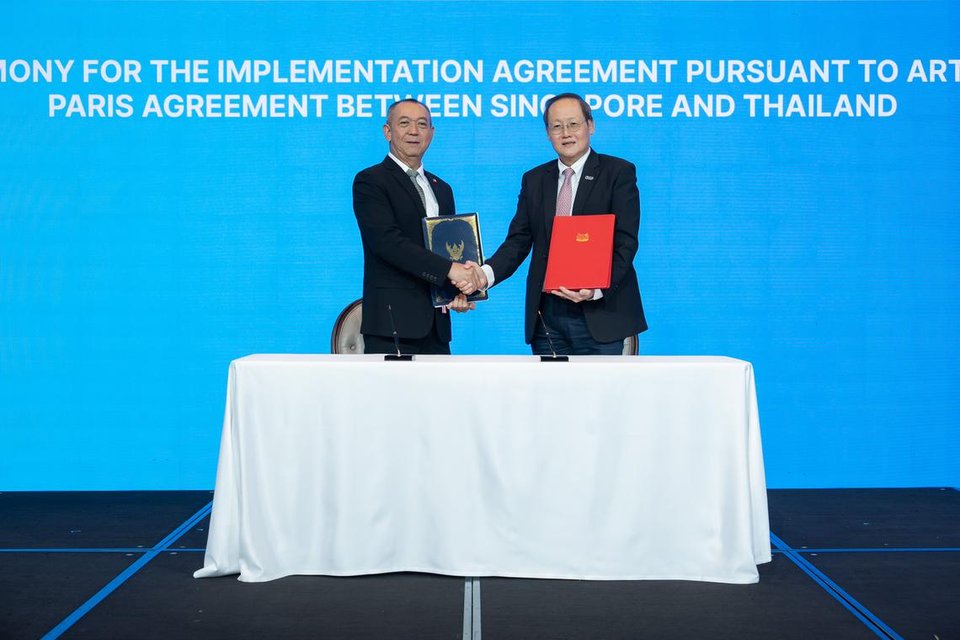
carbon credits under Article 6 of the Paris Agreement. Image: MTI
Singapore and Thailand have signed their first bilateral Implementation Agreement on carbon credits, strengthening regional cooperation on climate action under the Paris Agreement.
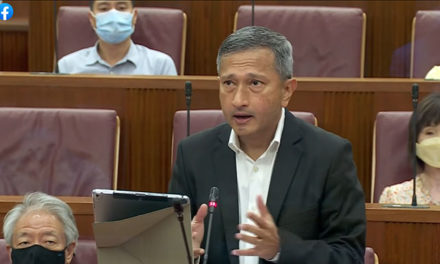
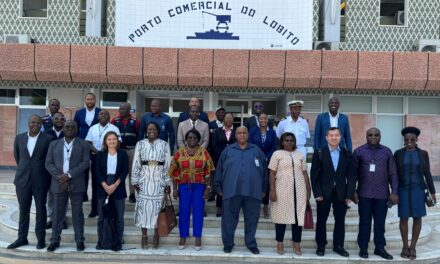
Singapore and Thailand signed an Implementation Agreement on carbon credits collaboration under Article 6 of the Paris Agreement. The agreement was signed by Singapore’s Minister for Manpower and Minister-in-charge of Energy and Science & Technology, Dr Tan See Leng, and Thailand’s Minister of Natural Resources and Environment, Mr Chalermchai Sri-on, on the sidelines of the 9th Singapore Regional Business Forum (SRBF) in Bangkok.
This is Singapore’s first Implementation Agreement with an ASEAN member state, marking a significant step in advancing regional climate cooperation. The legally binding framework will enable the generation and transfer of high-integrity carbon credits from mitigation projects in Thailand, aligned with the Paris Agreement’s rulebook.
Dr Tan highlighted the importance of the partnership, noting that 2025 marks the 60th anniversary of diplomatic relations between the two nations. He said the agreement reflects a shared commitment to addressing global challenges, adding that it would pave the way for Southeast Asia to develop high-quality carbon credit projects that contribute to meaningful emissions reductions and unlock opportunities in the carbon market.
Mr Chalermchai described the collaboration as a clear signal of ASEAN’s ability to drive credible greenhouse gas mitigation. He welcomed Singapore’s role in unlocking climate finance and supporting carbon credit projects in areas such as forestry, clean energy and zero-emission transport. He also reaffirmed Thailand’s ambition to become a regional hub for carbon credit initiatives.
The agreement is expected to channel financing towards projects in Thailand that deliver both environmental and socio-economic benefits, including job creation, improved waste management, enhanced energy efficiency and reduced pollution. It also stipulates that Singapore will direct a portion of proceeds from authorised carbon credits towards Thailand’s climate adaptation measures, such as flood resilience and sustainable forest management.
Source: MTI