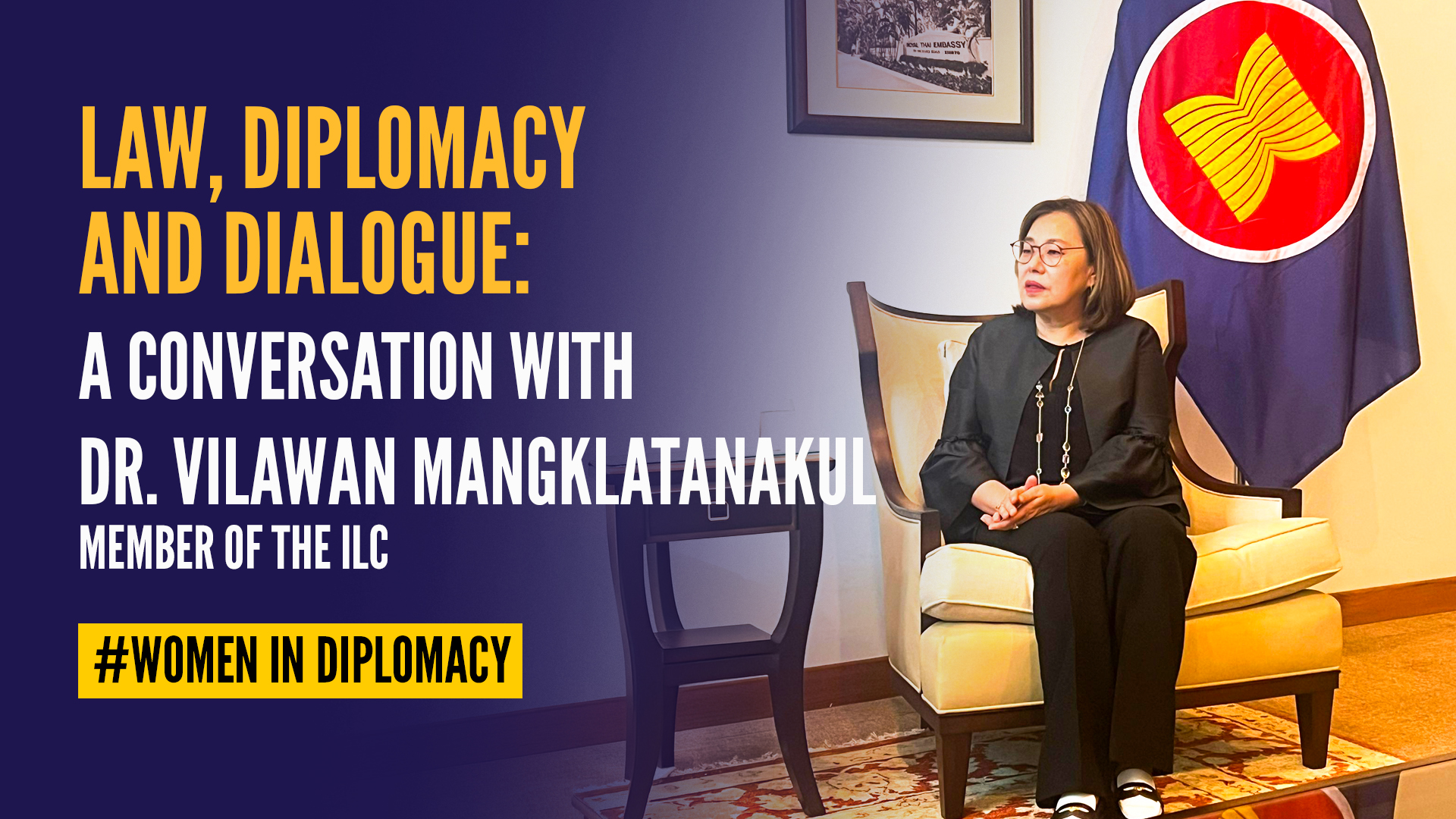
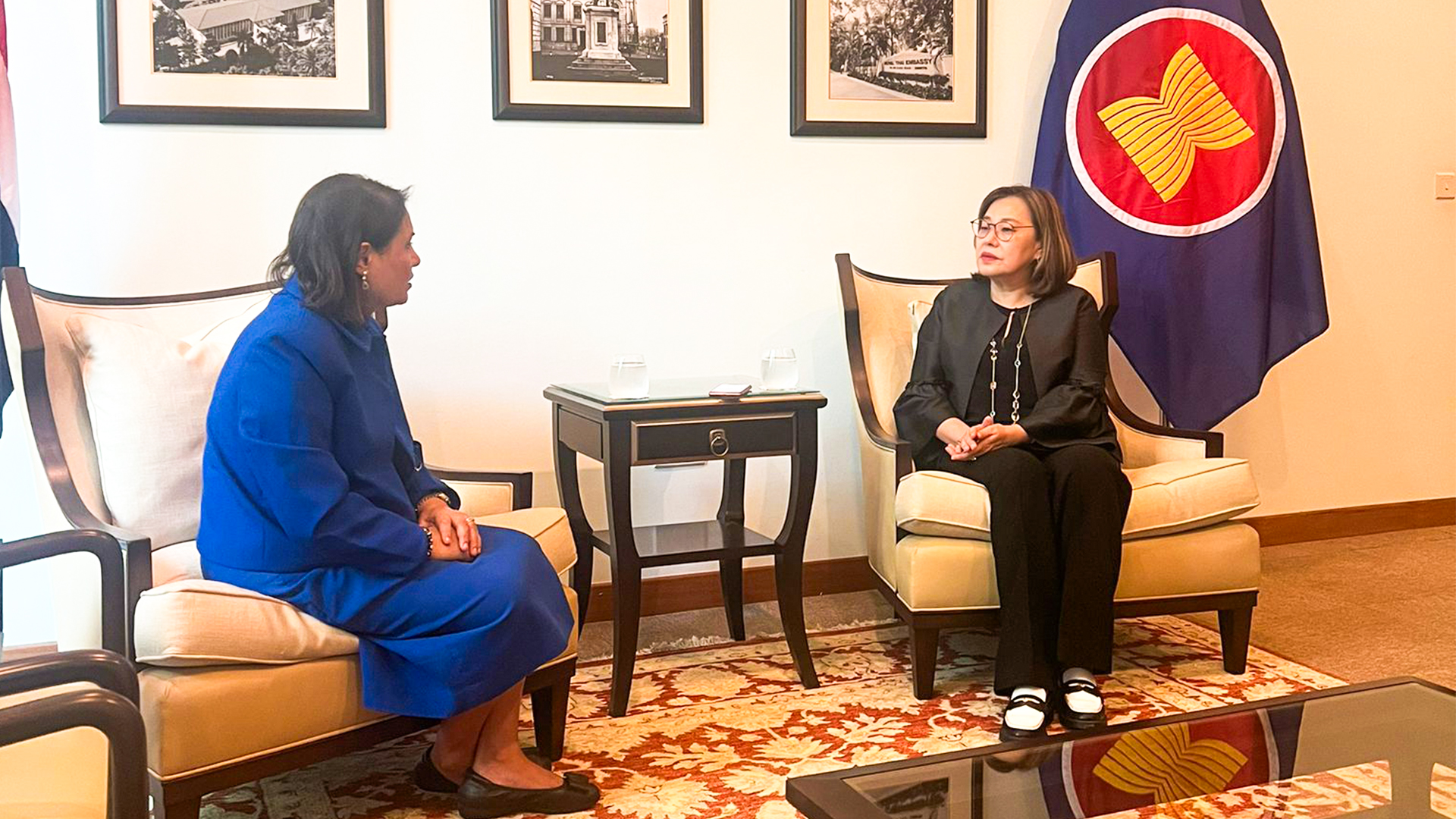
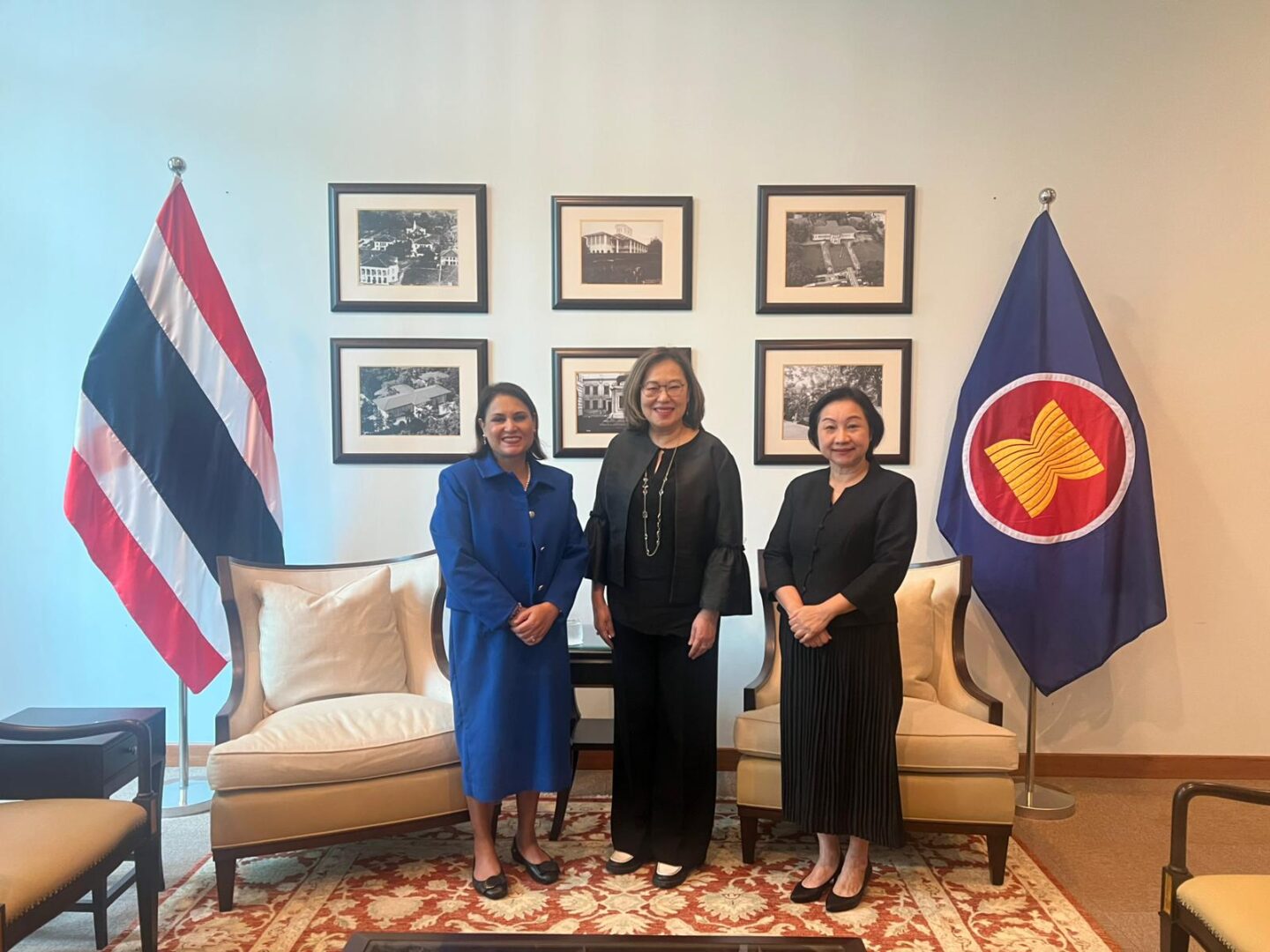
A distinguished international jurist and seasoned diplomat, Dr. Vilawan Mangklatanakul, Member of the ILC, brings, decades of experience in international law, multilateral negotiations and global governance. In a wide-ranging conversation with IN Diplomacy’s Editor-in-Chief, Ms Nomita Dhar, Dr. Mangklatanakul — current Member of the International Law Commission (2023–2027) and former Ambassador of Thailand to Austria, Slovenia and Slovakia, as well as Permanent Representative to the United Nations and international organisations in Vienna — reflected on her journey in public service, drawing on her experience in complex multilateral legal conferences and treaty negotiations, the enduring relevance of the rule of law, ASEAN cooperation, and the role of diplomacy in navigating today’s complex geopolitical landscape.
A former Ambassador of Thailand to Austria, Slovenia and Slovakia, and Permanent Representative of Thailand to the United Nations and international organisations in Vienna, and now a Member of the International Law Commission (2023–2027), Dr. Vilawan Mangklatanakul has spent her career juggling many hats — moving fluidly between the precision of legal drafting and the nuance of high-level diplomacy. Over decades of public service, she has operated at the highest levels of multilateral engagement, demonstrating how law and dialogue together shape global governance.
Raised in a close-knit family of twelve children, she often reflects that “we are a very close family,” describing an upbringing rooted in shared responsibility and strong community values. Those early lessons in discipline and resilience would later underpin her professional life.
After completing her law degree at Thammasat University and a Master’s at the University of London, she entered Thailand’s Ministry of Foreign Affairs, specialising in international law negotiations and bilateral investment agreements. Law, she emphasises, is not merely technical structure but foundational principle. “Law is the foundation for everything,” she says. “The rule of law — domestic and international — is very important.” In demanding multilateral conferences, she consistently returned to first principles: “I went back to the rules and interpreted them carefully. The rule of law must be the basis.”
For small and medium-sized states such as Thailand and Singapore, she underscores the importance of a rules-based international order. “We must continue to uphold it, especially for small and medium-sized states,” she notes, stressing that international organisations function within legal frameworks that must be sustained even amid geopolitical complexity.
Her election to the International Law Commission marked a significant milestone. “Looking at the history of the Commission, in almost 80 years there were fewer than ten women among more than 200 members,” she observed. With strong support, she stepped forward to contribute to the progressive development and codification of international law, ensuring that ASEAN perspectives are reflected in global legal drafting.
Her tenure in Vienna placed her at the crossroads of diplomacy and international governance. As Ambassador and Permanent Representative, she balanced legal precision with diplomatic judgement — guided by early advice that “in foreign affairs, you have to be a diplomat first and lawyer second.”
Thailand–Singapore relations, she observes, continue to deepen, particularly in areas such as arbitration and investor-state dispute reform. Beyond litigation, she maintains that diplomacy remains indispensable. “Law alone is not enough. Dialogue must continue.”
In an era marked by shifting alliances and rising tensions, Dr. Mangklatanakul’s journey reflects steady conviction: law provides structure, diplomacy sustains engagement, and dialogue remains essential.