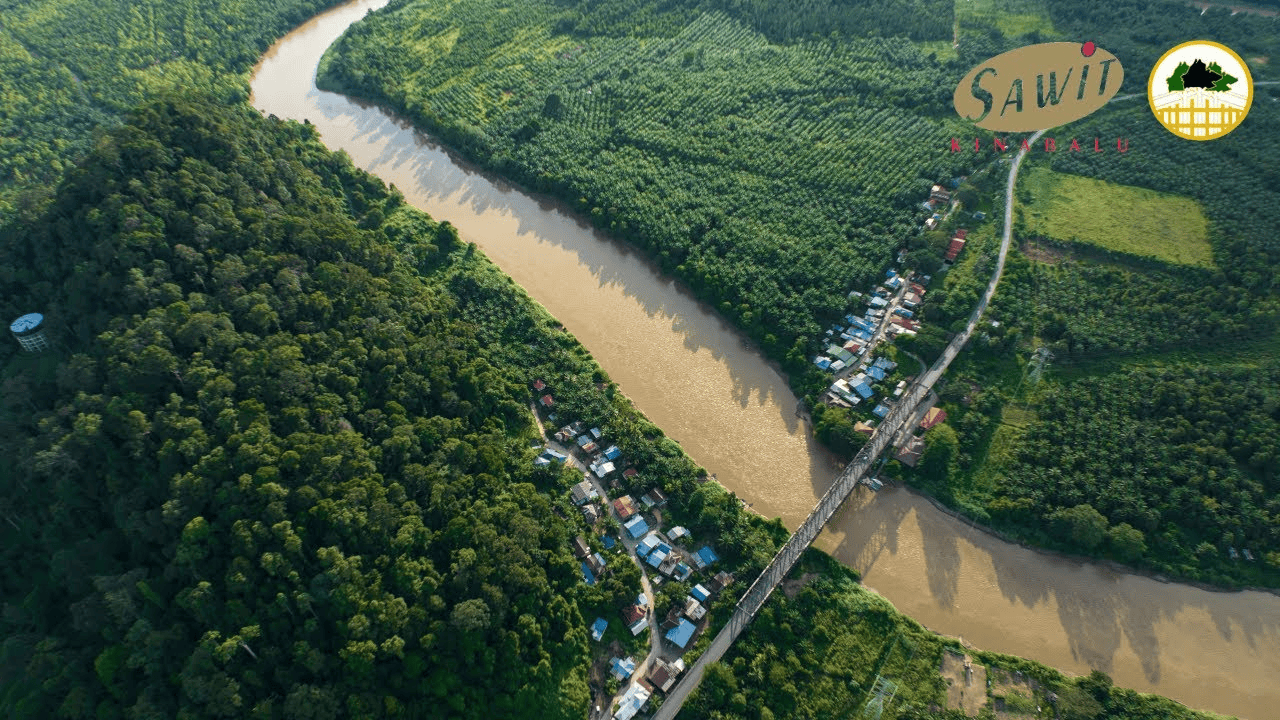
A vital conservation initiative in Sabah, the Sungai Pin Conservation Area is restoring ecological connectivity while safeguarding endangered species within the Kinabatangan floodplain

Set within the rich ecological landscape of Kinabatangan in Sabah, the Sungai Pin Conservation Area (SPnCA) stands as a significant example of private-sector-led conservation in Malaysia. Managed by the Conservation and Biodiversity Unit (CBU) of Sawit Kinabalu Group (SKG), this 2,632-hectare voluntarily set-aside area plays a crucial role in preserving biodiversity within one of Borneo’s most important wildlife corridors. Positioned in a highly fragmented forest landscape, SPnCA contributes to the ecological integrity of the Kinabatangan floodplain by supporting both conservation and sustainable natural resource management.
Since 2003, Sawit Kinabalu Group has been actively involved in conservation efforts within the area, helping restore and protect critical habitats. A key milestone was achieved in 2017 with the signing of a Memorandum of Understanding with the Sabah Forestry Department (SFD), formalising a more structured and collaborative conservation approach. This partnership led to a multi-disciplinary scientific expedition in 2019, conducted together with the Forest Research Centre (FRC), which significantly advanced understanding of the site’s ecological value.
Findings from the expedition revealed remarkable biodiversity despite the site’s relatively modest size. A total of 21 mammal species were recorded, including iconic Bornean endemics such as the orangutan, Bornean gibbon, and least pygmy squirrel. Several of these species fall under threatened categories in the IUCN Red List, including Critically Endangered and Vulnerable classifications. Bird diversity was equally notable, with 104 species documented, including several protected under the Sabah Wildlife Conservation Enactment 1997 and others classified as threatened, such as Storm’s stork and multiple hornbill species. In addition, 85 species of nocturnal insects were identified, alongside 521 taxa of vascular plants, of which a significant proportion are endemic to Borneo, including species unique to Sabah.
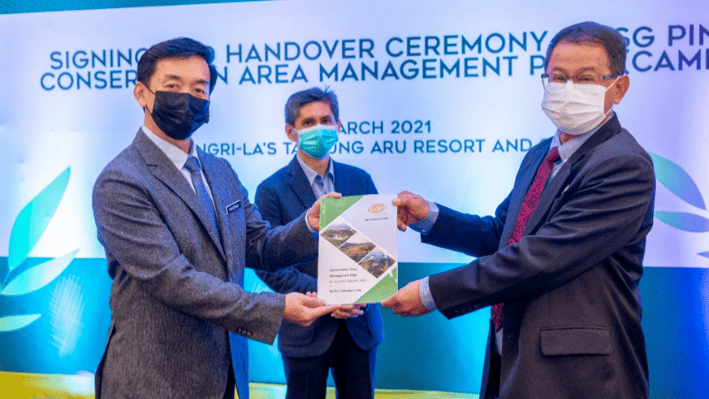
One of the most important outcomes of the expedition was the development of the Sungai Pin Conservation Area 10-Year Conservation Area Management Plan (CAMP), the first comprehensive management framework jointly produced by SFD and SKG. This plan provides a long-term strategy for biodiversity conservation, habitat restoration, and sustainable management practices within SPnCA.
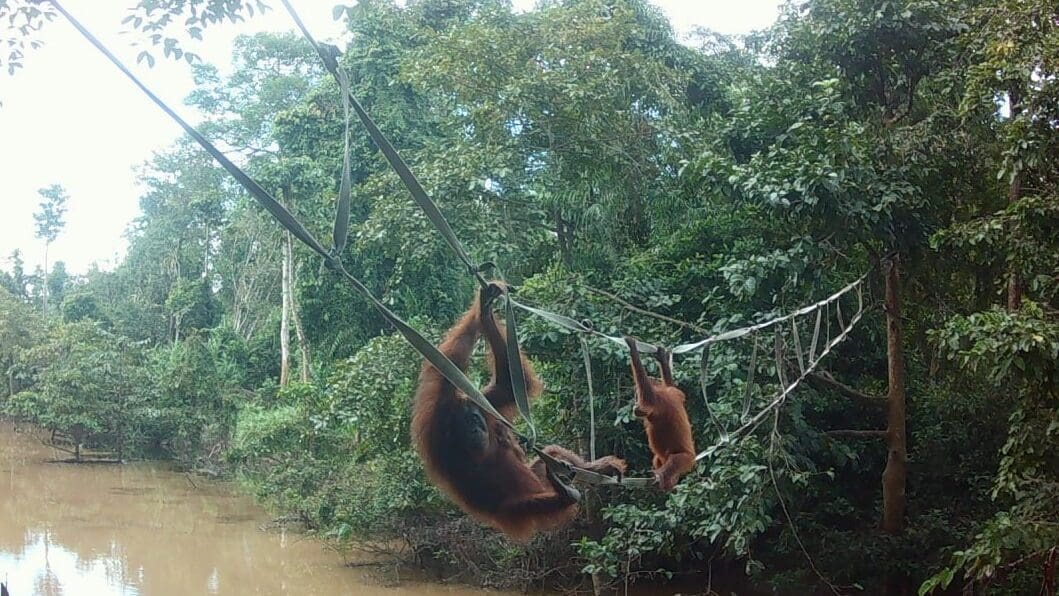
SPnCA also plays a pivotal role in the conservation of the Bornean orangutan. In 2019, two orangutan bridges were installed to reconnect fragmented forest patches and facilitate safe wildlife movement across the landscape. These structures enable orangutans—particularly migrating males—to traverse between habitats that would otherwise be isolated. A third bridge, installed in June 2024 in collaboration with HUTAN, further strengthens these connectivity efforts, reinforcing SPnCA’s function as a wildlife corridor.

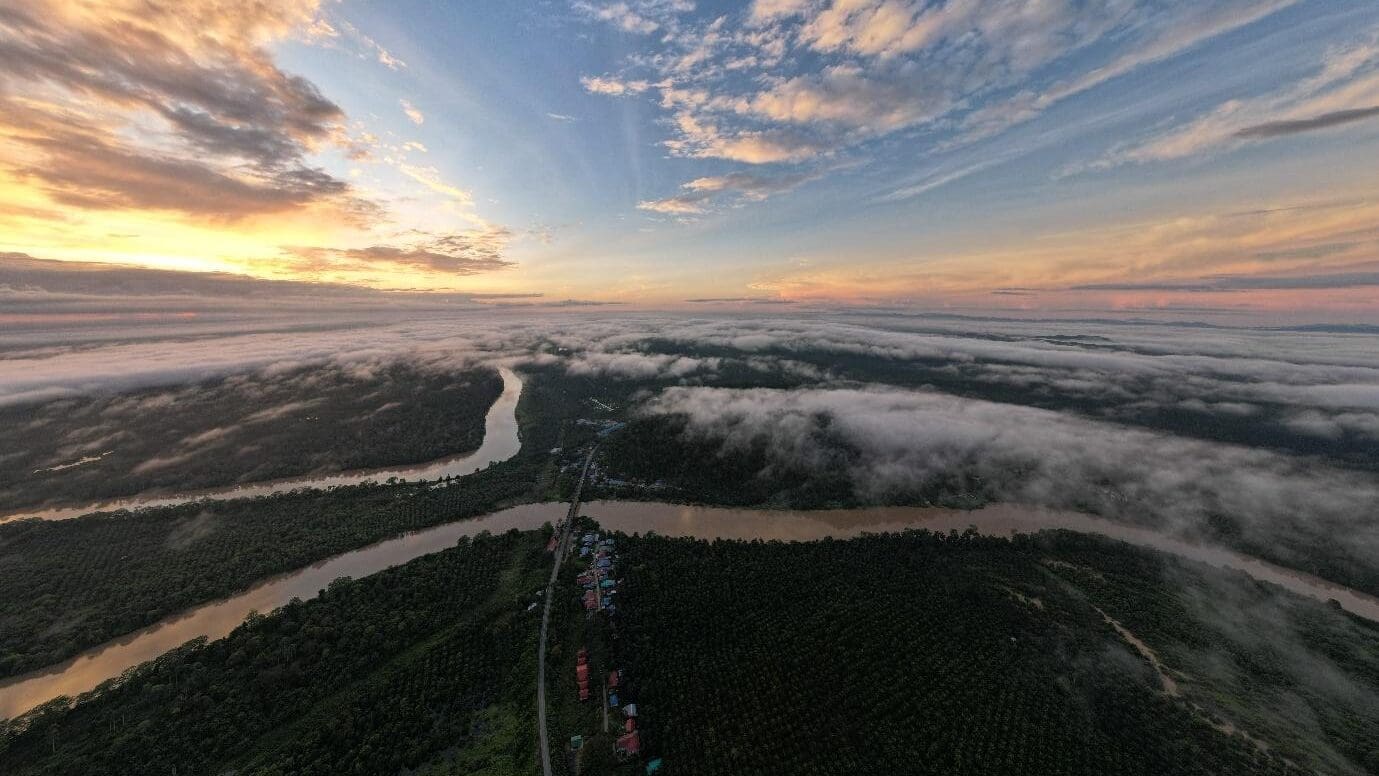
Beyond species protection, SPnCA supports essential ecological processes. It enables biotic functions such as animal migration, plant dispersal, and genetic exchange, while also maintaining abiotic processes including water flow and nutrient cycling. These interconnected systems are fundamental to sustaining ecosystem health and resilience across the Kinabatangan landscape.
At a national level, SPnCA contributes to Malaysia’s commitment under the National Policy on Biological Diversity, particularly Target 6, which focuses on strengthening protected areas and ecological networks. The initiative demonstrates how conservation efforts within managed landscapes can complement broader environmental goals while aligning with responsible agricultural practices.
Looking ahead, Sawit Kinabalu Group is working towards securing recognition for SPnCA under the International Union for Conservation of Nature (IUCN) Green List of Protected and Conserved Areas. Currently at the candidate stage, this recognition would affirm the site’s effective management and global conservation value, further reinforcing its role as a model for sustainable and responsible land stewardship.

Source: Sawit Kinabalu Group