Alma Amarthatia
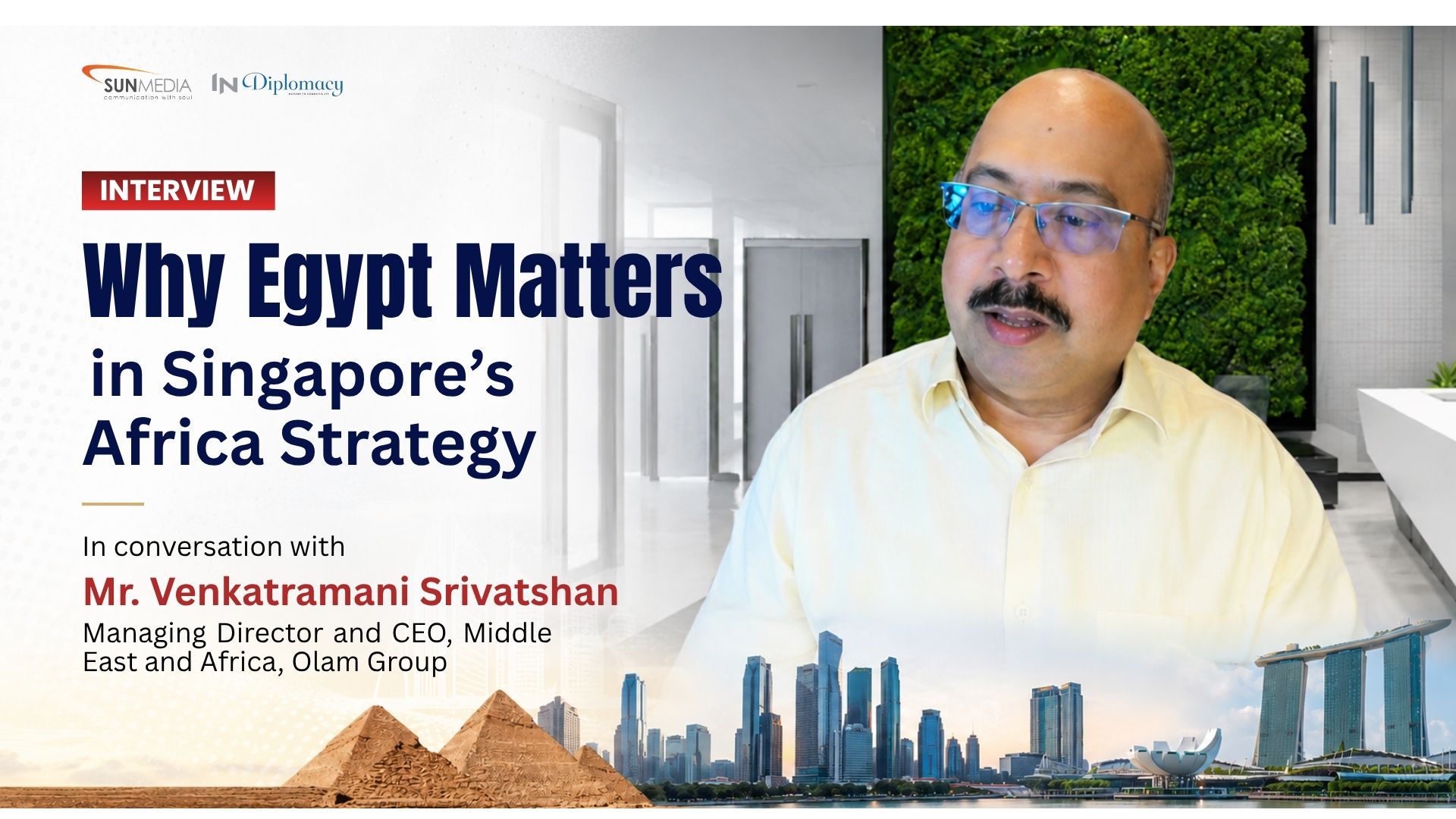
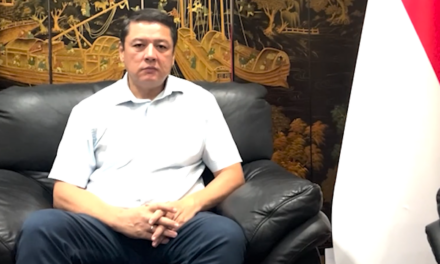
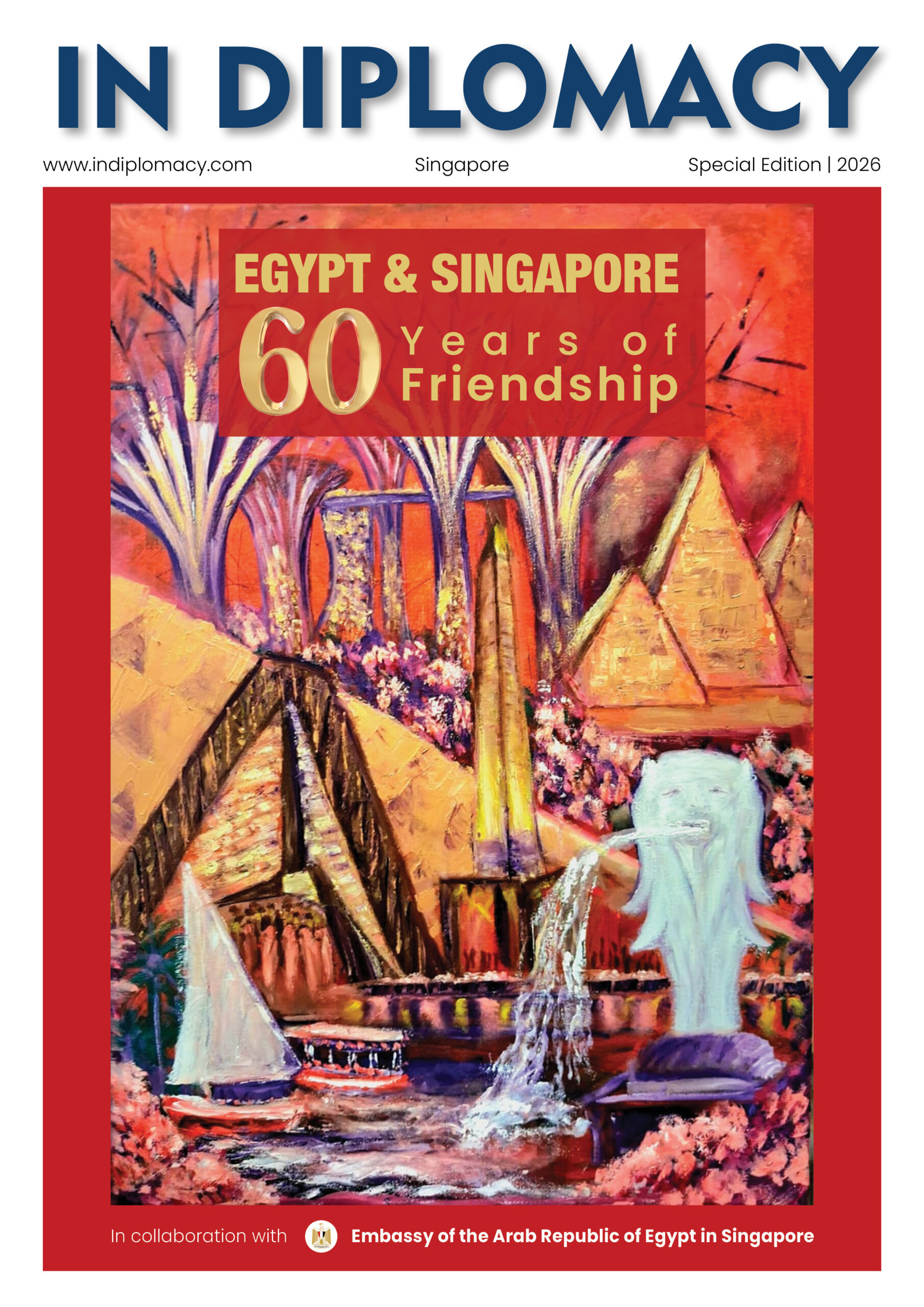
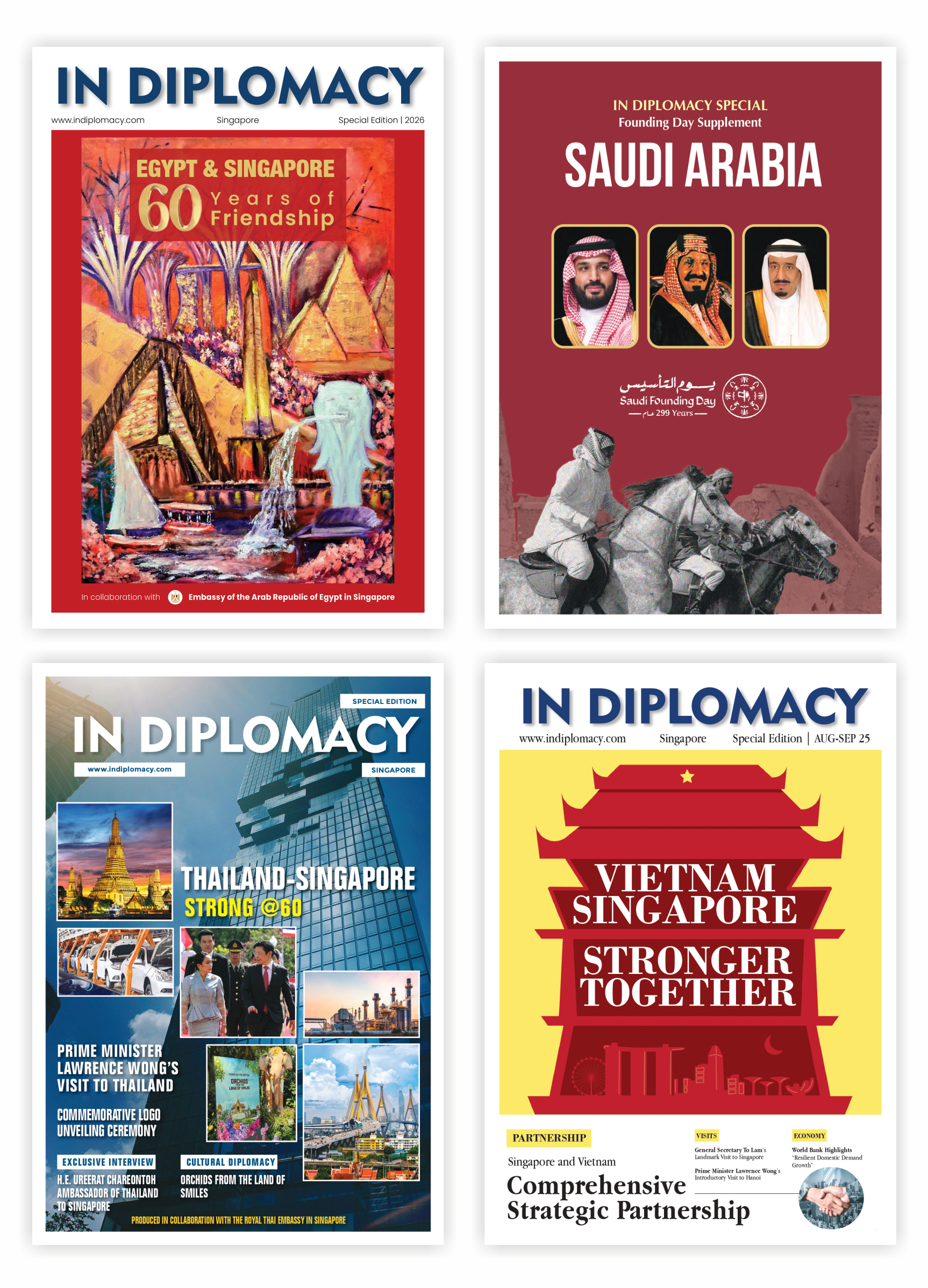
As part of the Egypt–Singapore @60 Special Edition, commemorating the 60th anniversary of diplomatic relations between Egypt and Singapore, IN Diplomacy spoke with Mr. Venkatramani Srivathsan, Chairman of the Singapore Business Federation (SBF) Africa Business Group. Reflecting on President Tharman Shanmugaratnam’s recent State Visit to Egypt, Mr. Srivathsan shared his perspectives on the growing momentum in Singapore–Egypt relations, emerging business opportunities, and his vision for the future of cooperation between the two nations. As both countries celebrate six decades of friendship and partnership, he highlighted the strong foundations and promising prospects for deeper collaboration in trade, investment, logistics, food security, and innovation.
During President Tharman Shanmugaratnam’s recent visit to Egypt, you were part of the Singapore business delegation as Chairman of the Singapore Business Federation Africa Business Group. What stood out most to you from that engagement?
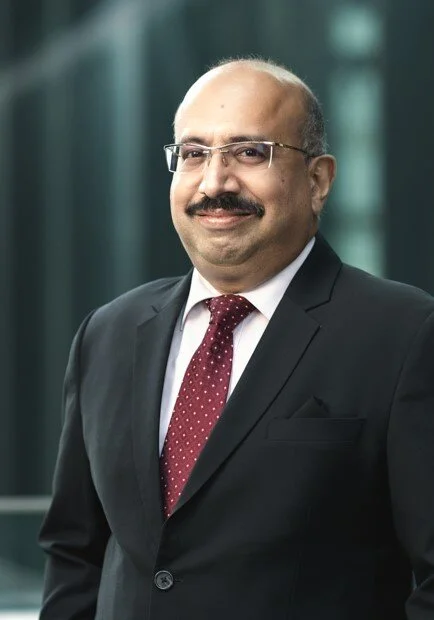
It was a real honour to join the delegation accompanying President Tharman during his State Visit to Egypt. The visit was historic because it marked one of the highest-level exchanges between Singapore and Egypt in many years, reflecting the strengthening relationship between both countries.
What stood out most was the warmth and openness shown by the Egyptian side, especially the business community. Around 20 Singapore business delegates participated, and the engagements were coordinated by the Singapore Business Federation and the Egyptian Business Federation. There was genuine enthusiasm to deepen partnerships with Singapore across sectors such as logistics, infrastructure, IT, and education.
Several MOUs were signed, but beyond the agreements themselves, what impressed me most was the willingness from Egyptian stakeholders to collaborate long term. Egypt is also a fascinating country with an extraordinary civilizational history, so the visit was both productive and memorable.
How does the SBF Africa Business Group help Singaporean companies enter markets such as Egypt and other African countries? enriched your tenure?
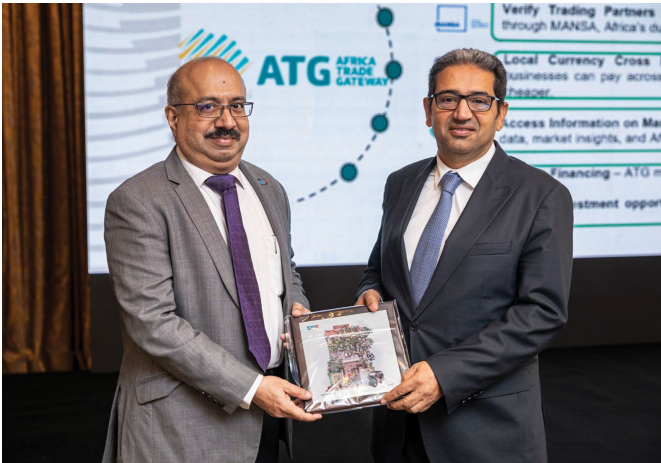
The SBF Africa Business Group operates under the Singapore Business Federation’s Internationalisation Action Committee. Its role is to help Singapore companies build linkages with African markets by facilitating introductions, providing market intelligence, and organizing business delegations. During the Egypt visit, for example, we connected Singapore companies with Egyptian firms across logistics, construction, fintech, infrastructure, and manufacturing. These business-to-business engagements often become the foundation for long-term partnerships.
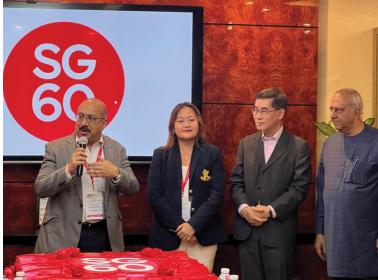
SBF also supports SMEs that may lack networks or experience in entering new markets independently. We help businesses understand regulatory environments, identify opportunities, and connect with agencies such as Enterprise Singapore and local business federations. Before the Egypt trip, we also organized an “Egypt Evening” with the Egyptian Ambassador and business representatives to create awareness and encourage collaboration.
Is Egypt’s location a major advantage for Singapore businesses?
Definitely. Egypt sits at the crossroads of Africa, the Middle East, and Europe, making it an ideal gateway market. The Suez Canal remains one of the world’s most important shipping routes connecting Asia and Europe.
Beyond geography, Egypt itself is a massive domestic market of nearly 110 million people with opportunities in agriculture, logistics, oil and gas, manufacturing, and infrastructure.
Egypt also has a strong talent pool with many highly capable professionals. From my own experience at Olam Group, we entered Egypt before the Arab Spring through an onion-processing business. Despite periods of political and economic volatility, we stayed because the long-term potential remained compelling. Today, the business has expanded significantly, and we have introduced advanced agricultural technologies that benefit both the company and Egyptian farmers.
Besides agriculture, where do you see opportunities for Singapore companies?
Logistics is a major opportunity, particularly in cold-chain infrastructure, warehousing, and supply-chain solutions. Egypt is investing heavily in infrastructure, including the development of the New Administrative Capital led by Administrative Capital for Urban Development.
There are also opportunities in construction, smart-city solutions, manufacturing, and fintech. Singapore companies are already using Egypt as a production and export hub into African markets. Egypt’s young, multilingual population also creates strong potential for digital services and AI-related industries.
What is your wish list for the next 60 years of Singapore–Egypt relations?
I hope to see the bilateral relationship move to the next level through stronger institutional cooperation and more structured agreements. Singapore’s focus on food security and supply-chain resilience aligns very well with Egypt’s agricultural strengths and strategic location.
Both countries have complementary strengths, and I believe there is enormous room for collaboration in trade, logistics, food security, technology, and investment. I’m optimistic that the relationship will continue growing strongly, and I don’t think we need to wait another 60 years to see that happen.