New initiative aims to accelerate the commercialisation of bio-based innovations and strengthen Singapore’s capabilities in synthetic biology
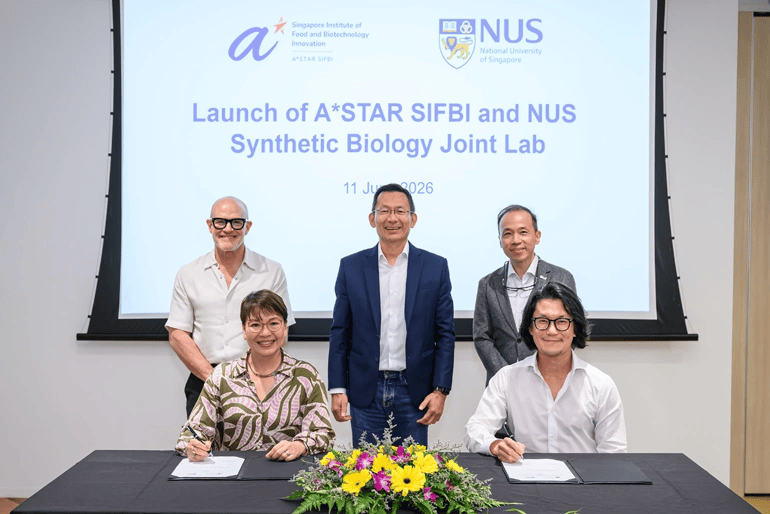
The Agency for Science, Technology and Research (ASTAR) and the National University of Singapore (NUS) have launched the ASTAR SIFBI-NUS Synthetic Biology Joint Lab, a new research initiative designed to accelerate the translation of synthetic biology innovations into commercially viable products. The joint laboratory will support industry collaboration, talent development, and the advancement of Singapore’s growing bioeconomy.
Established through a partnership between the ASTAR Singapore Institute of Food and Biotechnology Innovation (ASTAR SIFBI) and the NUS Synthetic Biology for Clinical and Technological Innovation (NUS SynCTI), the laboratory aims to bridge the gap between scientific discovery and industrial application. Its launch comes amid growing global demand for bio-based alternatives as industries seek more sustainable methods of producing ingredients, chemicals, and materials.
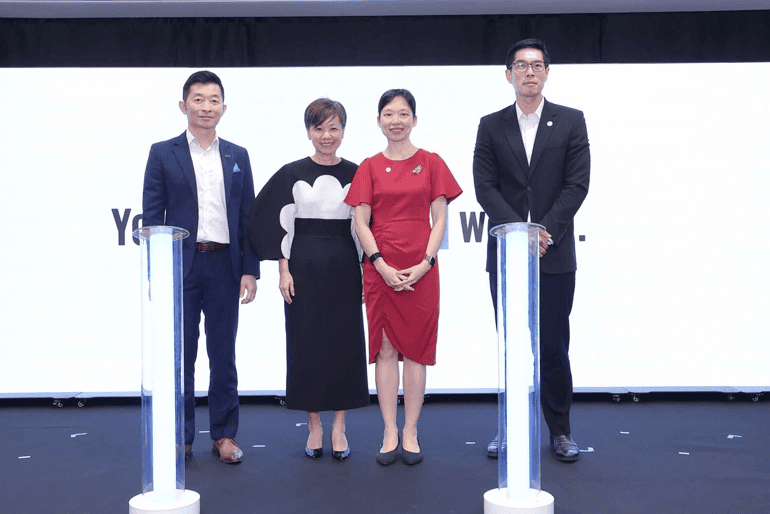
The joint laboratory combines A*STAR SIFBI’s expertise in bioprocess development and scale-up with NUS’ strengths in fundamental science, interdisciplinary research, and talent development. Initial research efforts will focus on nutrition and consumer care applications, while future work is expected to expand into advanced materials and healthcare-related innovations.
According to A*STAR Chief Executive Officer Beh Kian Teik, the initiative will help move scientific breakthroughs closer to commercial deployment by enabling industry partners to develop scalable bio-based solutions for ingredients, chemicals, and materials. He noted that stronger industry collaboration will be essential for Singapore to capture opportunities emerging from the rapidly expanding bioeconomy.
Under the leadership of Professor Jay Keasling, a recognised pioneer in synthetic biology, the laboratory will focus on three key areas. These include accelerating product development through AI-guided enzyme and pathway engineering, developing industrial-scale microbial production platforms, and creating access to novel bio-based compounds for ingredients and functional applications.
The initiative aligns with broader global trends in sustainable manufacturing and biotechnology. The bioeconomy is projected to contribute up to US$4 trillion annually within the next decade, while the global market for bio-based chemicals is expected to exceed US$200 billion by 2030. Synthetic biology, as a core enabling technology, is also forecast to experience significant growth over the coming years.
One area where synthetic biology is already demonstrating impact is food and nutrition. Bio-based ingredients are enabling companies to diversify supply chains and reduce dependence on traditional raw material sources. For example, advances in biotechnology are supporting the production of omega-3 lipids through alternative biological sources rather than imported marine resources. Combined with artificial intelligence and advanced data analytics, these technologies are helping to accelerate the discovery and large-scale production of complex molecules.
Singapore Economic Development Board (EDB) Managing Director Jermaine Loy said that industrial biotechnology provides companies with a practical pathway to develop sustainable products and diversify feedstock sources. He noted that the new joint laboratory would strengthen Singapore’s research and development ecosystem while supporting innovation in the emerging bioeconomy.
In addition to research and industry engagement, the laboratory will play a significant role in developing future talent. Training programmes will focus on areas such as synthetic biology, metabolic engineering, AI-guided biological design, and industrial biomanufacturing. Through joint supervision arrangements, internships, and fellowships, students and early-career researchers will gain experience working across academic and industry environments.
NUS Deputy President (Academic Affairs) and Provost Professor Aaron Thean highlighted the university’s strong track record in synthetic biology research and emphasised the importance of creating pathways for translating scientific discoveries into practical outcomes. He added that the collaboration would equip researchers and students with skills that are increasingly sought after as biotechnology capabilities expand across industries.
Source: Agency for Science, Technology and Research (A*STAR)