Step into one of George Town’s most captivating cultural attractions, where centuries-old ceramics, shipwreck artefacts and contemporary art come together to tell the story of Penang’s rich maritime legacy.
Nestled in the heart of George Town, the Straits and Oriental Museum offers visitors an enriching journey through Penang’s vibrant maritime history and cultural heritage. Located within the UNESCO World Heritage city, the museum celebrates centuries of trade, cultural exchange and artistic excellence that shaped Penang into one of Southeast Asia’s most significant historical ports.

As the first private museum of its kind in Penang, the Straits and Oriental Museum houses an exceptional collection of ceramics and porcelain spanning several Chinese dynasties, from the Han Dynasty through the Qing Dynasty and into the Republic of China period. Its carefully curated galleries provide valuable insights into the evolution of ceramic craftsmanship while highlighting the importance of maritime trade across Asia and beyond.
One of the museum’s most remarkable features is its collection of artefacts recovered from historic shipwrecks discovered in the South China Sea. These include treasures from the Wanli, Royal Nanhai and Desaru wrecks, offering visitors a rare glimpse into the bustling trade networks that once connected China, Southeast Asia and Europe. The recovered ceramics not only demonstrate extraordinary artistry but also reveal the significant role Penang played along these historic maritime routes.
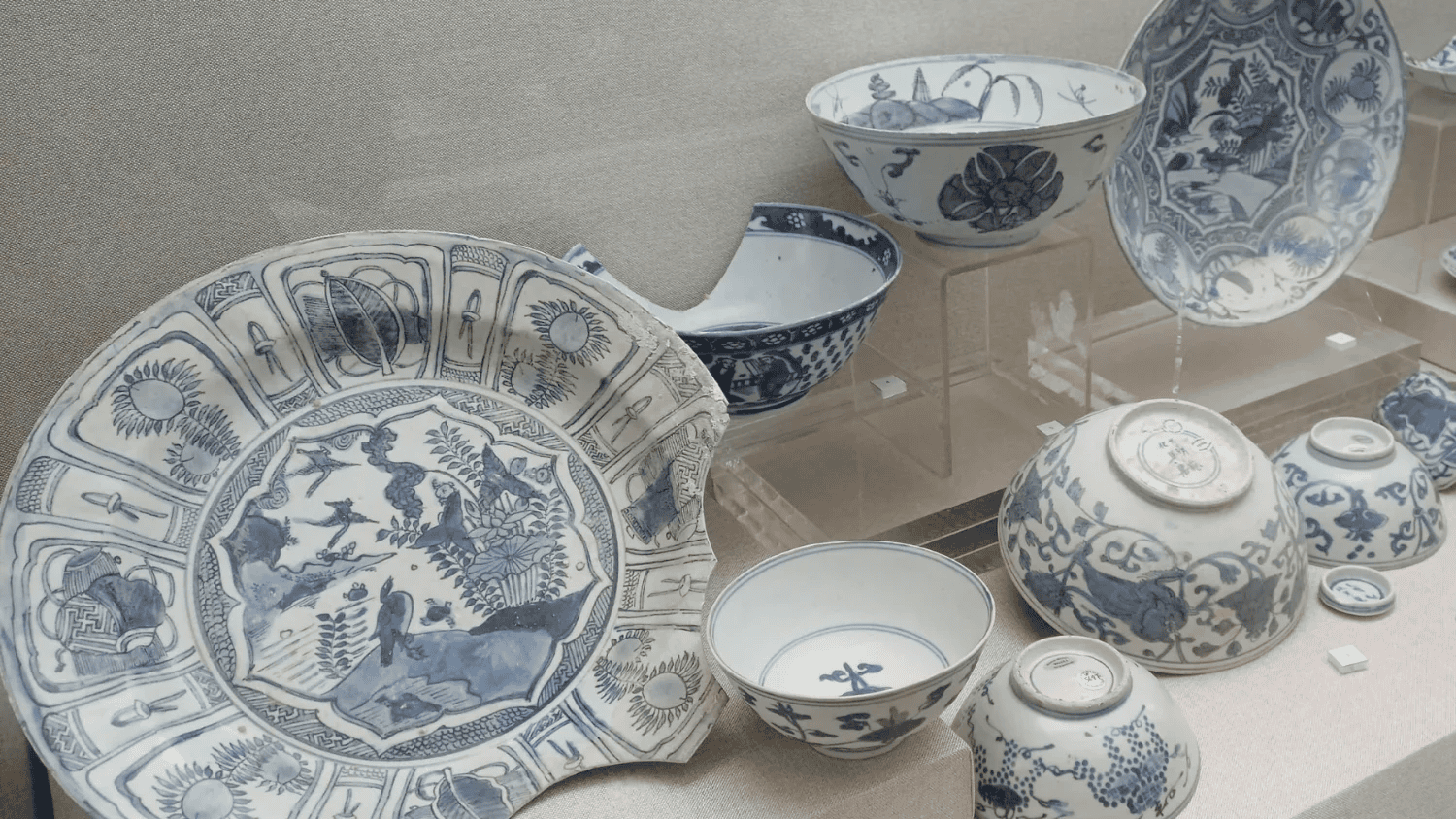
Among the museum’s highlights are the exquisite Ming Dynasty blue-and-white porcelains, meticulously recovered from the Wanli shipwreck. Renowned for their elegant designs and exceptional craftsmanship, these pieces serve as enduring reminders of the flourishing trade that linked China with the wider world during the Ming period.
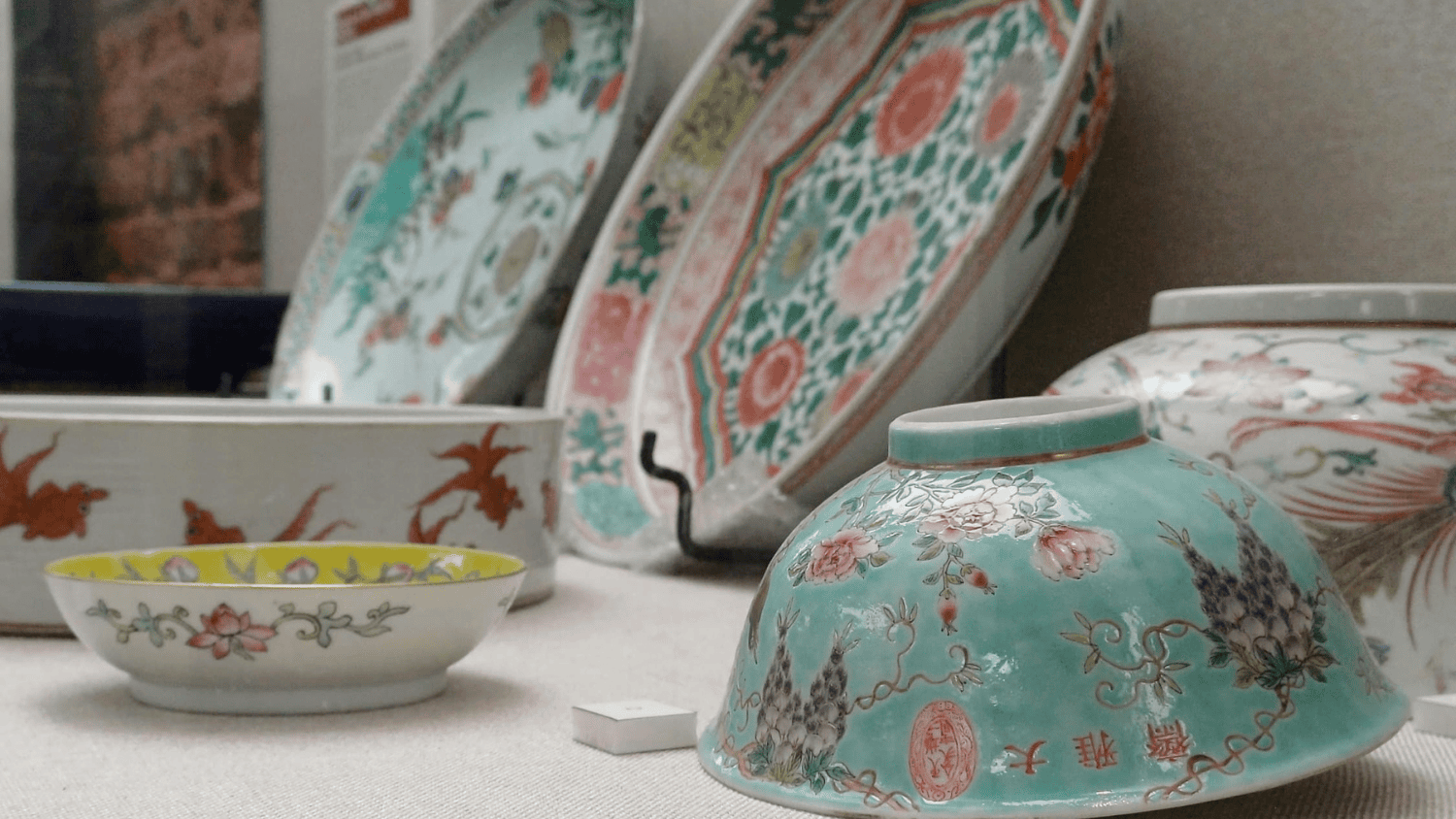
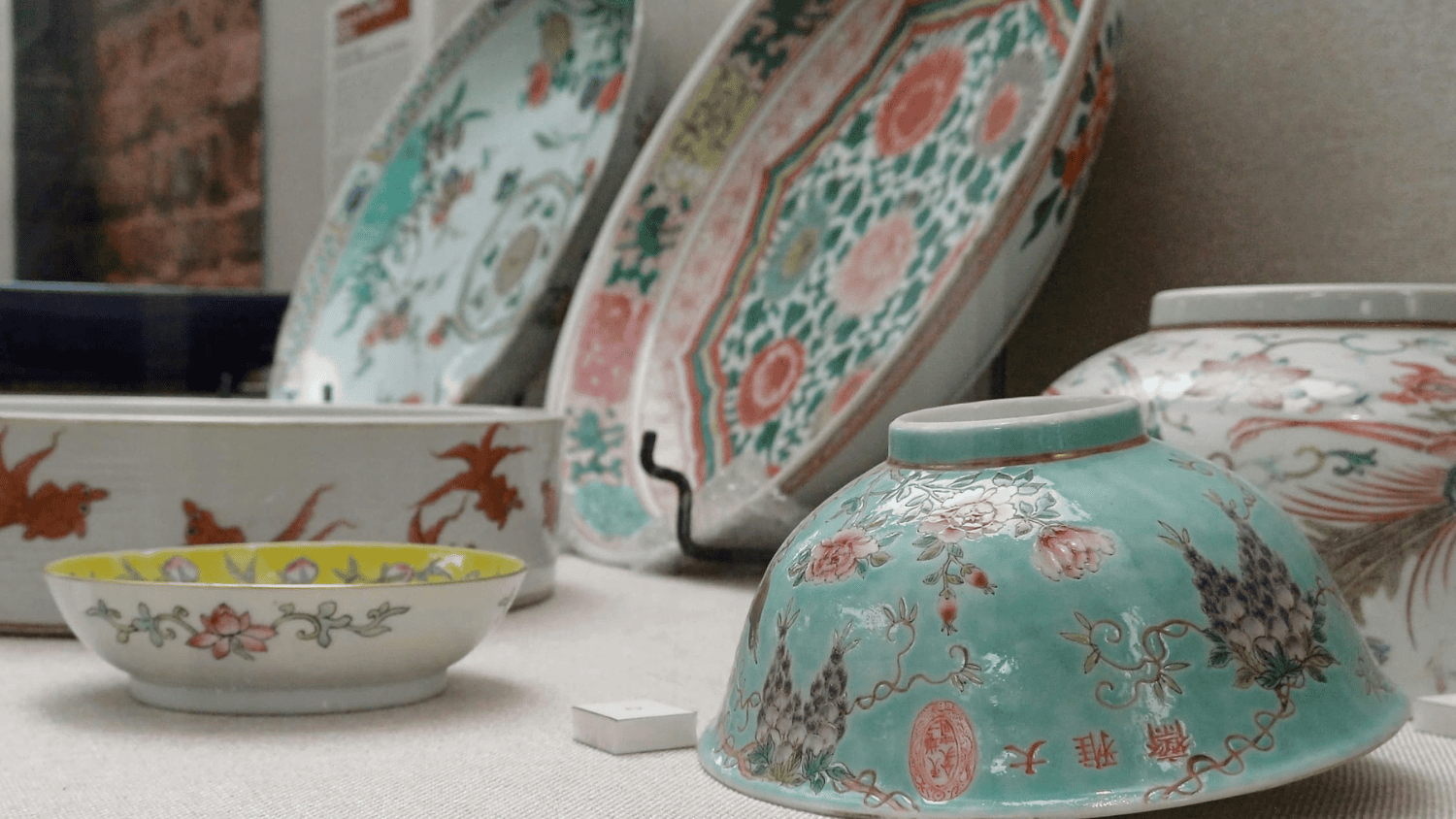
Equally impressive are the Qing Dynasty Dayazhai porcelains, originally produced exclusively for Empress Dowager Cixi. Distinguished by their refined decoration and luxurious quality, these imperial porcelains reflect the sophistication and artistic achievements of the Qing court during one of China’s most influential historical eras.
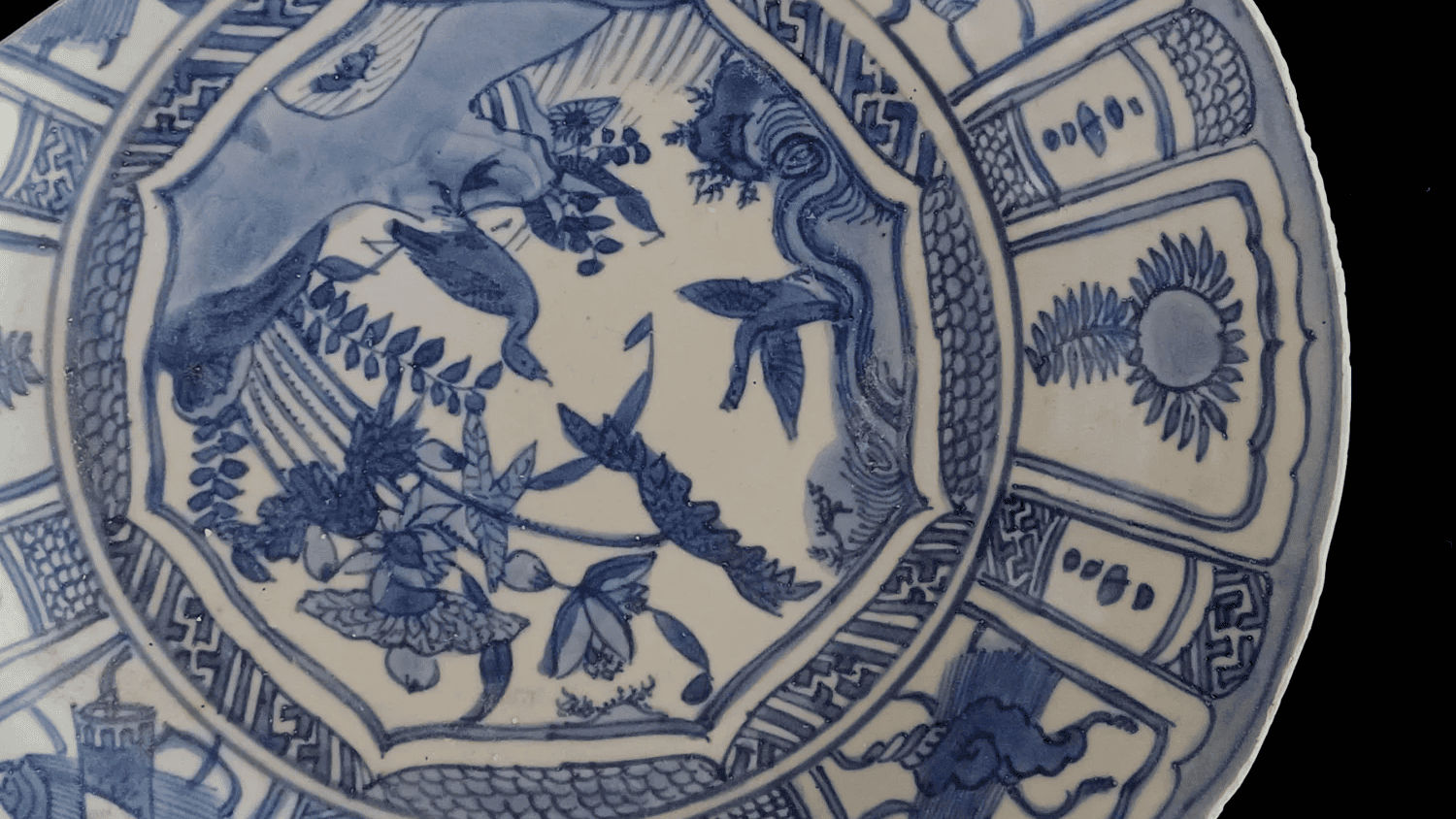
Visitors can also admire the famed Kraak porcelains, celebrated throughout the 16th century as prized luxury goods. Characterised by their intricate blue-and-white patterns, these ceramics became highly sought after across Europe and played a significant role in strengthening commercial and cultural ties between East and West.
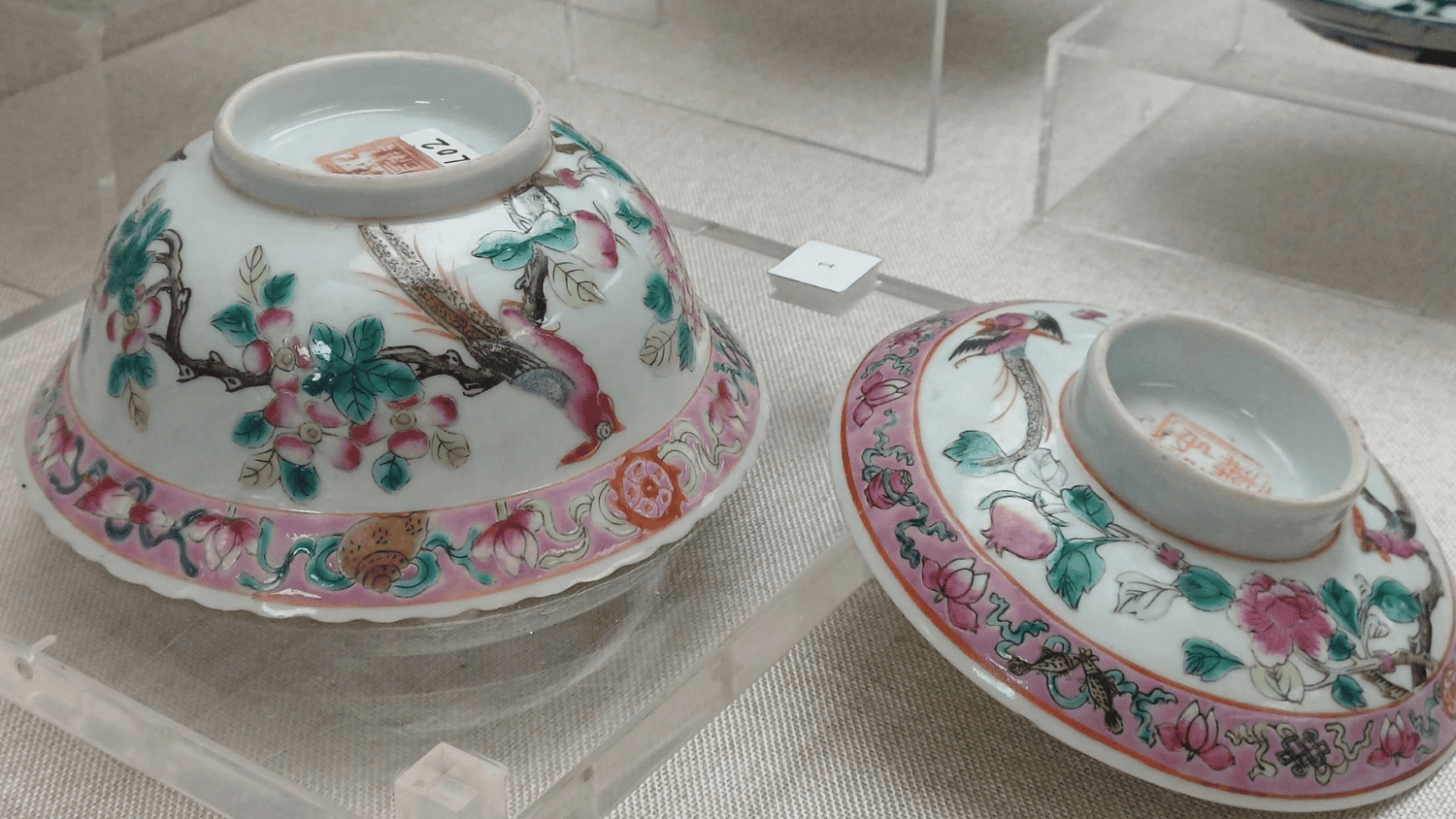
Adding another layer of cultural significance, the museum showcases Peranakan porcelain featuring the iconic phoenix motif. Frequently found adorning ceremonial wares, the phoenix symbolises prosperity, family heritage and renewal, reflecting the rich traditions and cultural identity of the Peranakan community.
Beyond its historical collections, the museum also embraces contemporary creativity through the Ming Art Gallery, located on the second floor. The gallery regularly presents rotating exhibitions by local artists, creating an engaging dialogue between Penang’s artistic traditions and its modern creative landscape.
Conveniently situated near several of George Town’s most recognisable heritage landmarks, the museum is easily accessible by public transport or private vehicle, making it an ideal addition to any cultural itinerary in Penang.
The Straits and Oriental Museum welcomes visitors daily from 10:00 AM to 6:00 PM. Admission is RM25, which includes one complimentary coffee, while children aged 12 and below enjoy free entry. Whether you are a history enthusiast, an art lover or simply looking to explore Penang’s cultural treasures, the museum offers an immersive experience that brings the region’s fascinating maritime heritage to life.
Source: Malaysia Tourism