Explore the city’s rich heritage through iconic historical sites
Bandung is widely known for its cool climate, vibrant culinary scene, and Art Deco architecture, but the West Java capital is also home to some of Indonesia’s most significant historical landmarks. From colonial-era buildings to museums and monuments, these sites trace the city’s transformation from a colonial administrative centre into a key stage for Indonesia’s independence movement and international diplomacy.
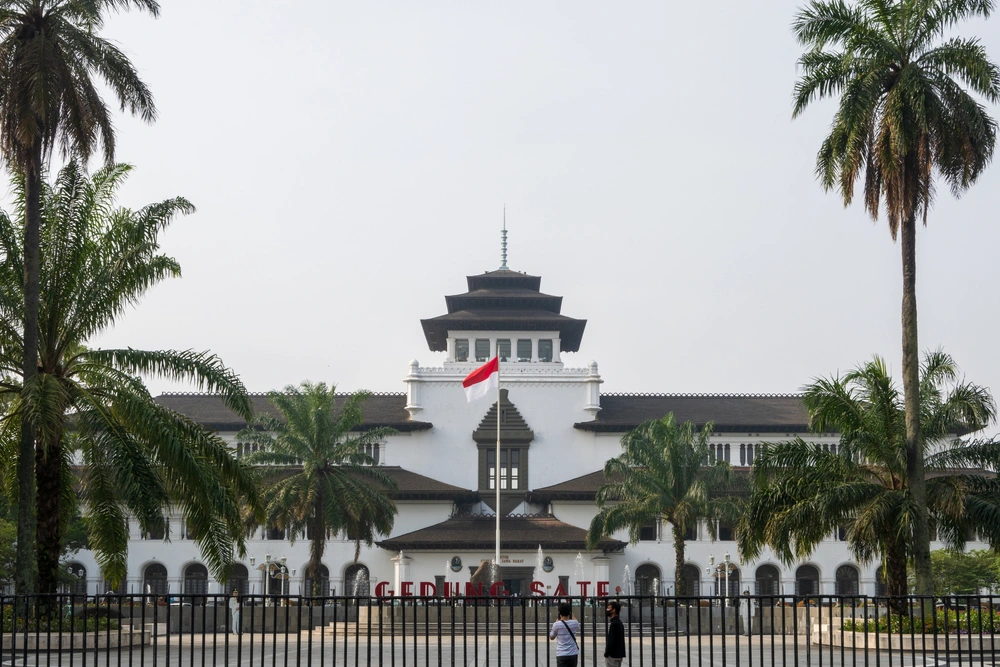
Among its best-known landmarks is Gedung Sate, completed in 1924 as a Dutch East Indies government building. Today, it serves as the headquarters of the West Java provincial government and is remembered for the Battle of Gedung Sate on 3 December 1945, when members of the Public Works Youth Movement defended the building during the Indonesian National Revolution.
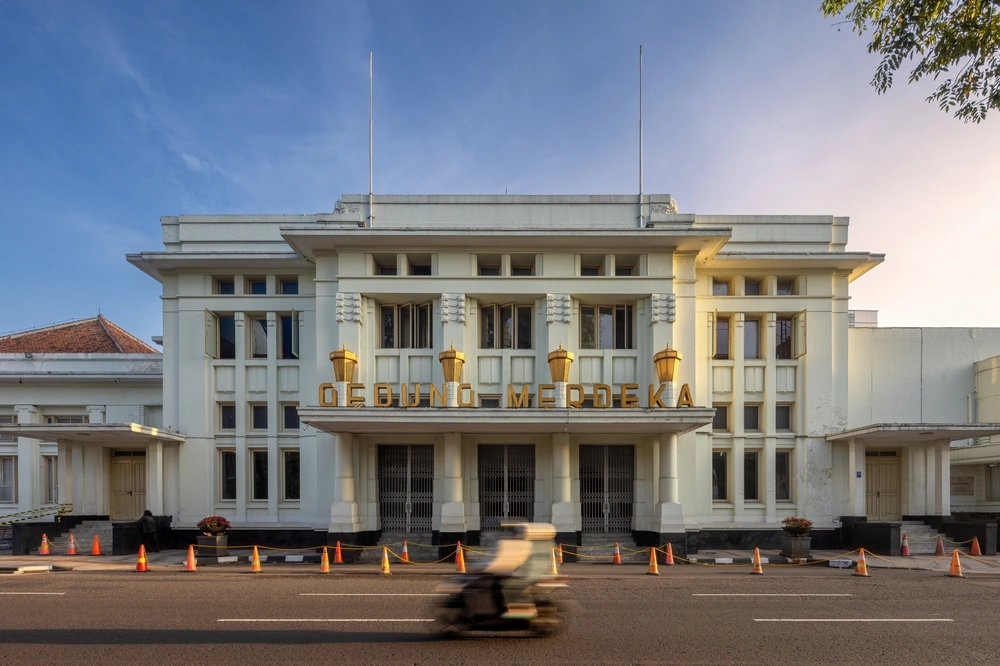
Just a short distance away, Gedung Merdeka reflects Bandung’s global significance. The building hosted the landmark 1955 Asian-African Conference, where representatives from 29 Asian and African countries gathered to promote peace, cooperation, and solidarity. Visitors can continue exploring this legacy at the adjoining Museum of the Asian-African Conference, which preserves photographs, documents, and artefacts from the historic meeting.
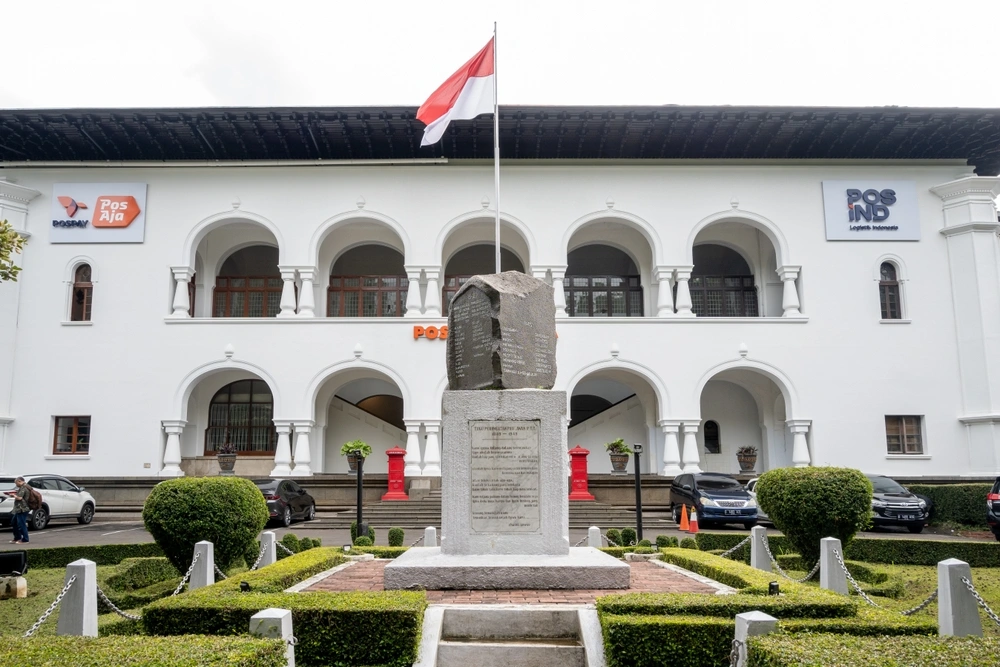
Bandung’s role in Indonesia’s struggle for independence is further commemorated at the Bandung Sea of Fire Monument, honouring the events of March 1946, when residents evacuated and burned parts of the city to prevent Allied forces and the Netherlands Indies Civil Administration (NICA) from using Bandung as a military base. The city’s historical narrative continues through other notable attractions, including the Indonesian Postal Museum, Mandala Wangsit Siliwangi Museum, Villa Isola, Gedung Indonesia Menggugat, where Soekarno delivered his landmark 1930 defence speech against Dutch colonial rule, the West Java People’s Struggle Monument, Sri Baduga Museum, and Bandung’s Zero Kilometre Marker, widely regarded as the point from which modern Bandung developed after the construction of the Great Post Road in the early nineteenth century.
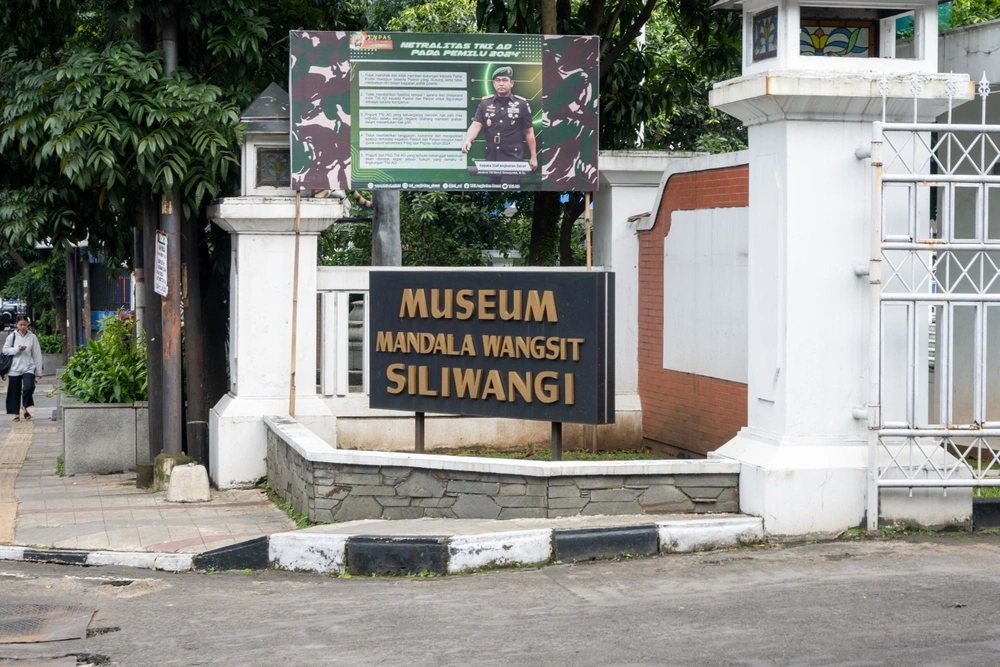
Together, these historic landmarks showcase Bandung’s enduring role in Indonesia’s history. Preserving stories of governance, diplomacy, independence, and cultural heritage, they continue to offer visitors a deeper understanding of the people and events that helped shape the nation while reinforcing Bandung’s reputation as one of Indonesia’s leading heritage destinations.
For those planning to explore these sites, checking opening hours in advance is recommended, as several museums are closed on Mondays. Wearing comfortable footwear and following museum guidelines, including avoiding flash photography where prohibited, can also help ensure a smooth and enjoyable visit.
Source: Indonesian Ministry of Tourism