From bustling alleyways and generations-old food stalls to steaming street-side specialities, Hanoi’s flavours offered a delicious window into the heart of Vietnamese culture.
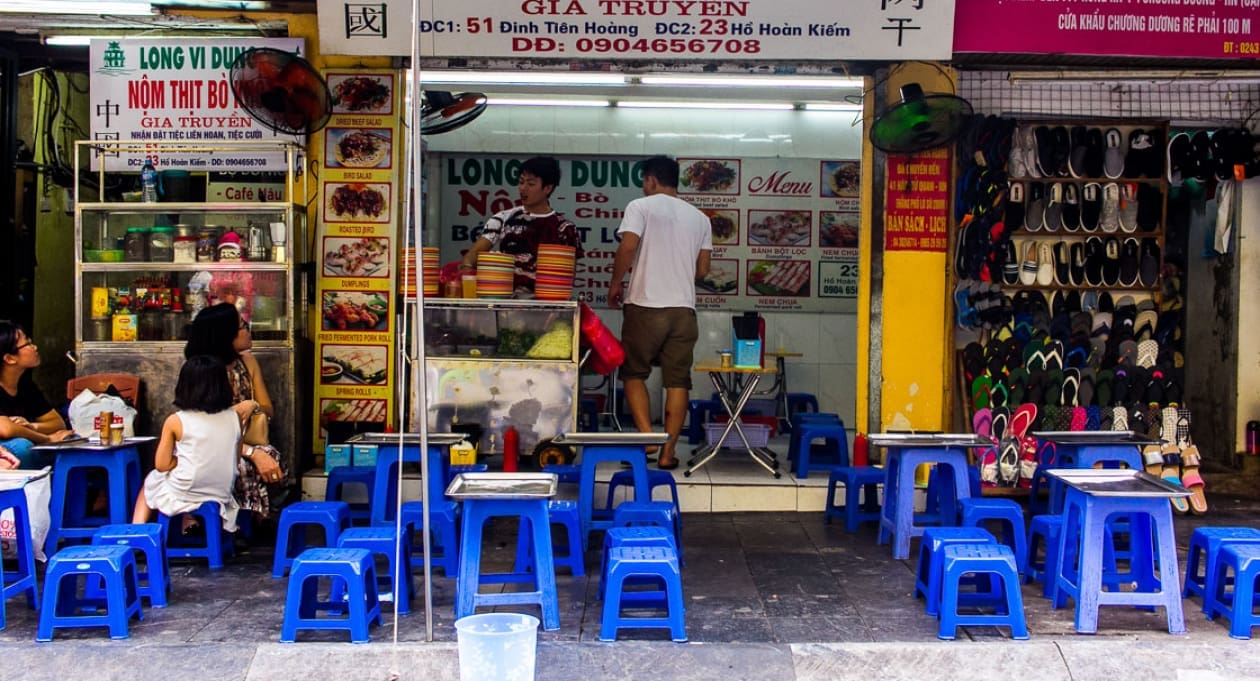
Hanoi’s historic Old Quarter offered more than a maze of narrow streets and traditional architecture. It was also a vibrant culinary landscape, where the aromas of freshly prepared dishes drifted through alleyways and small food stalls became meeting points for locals and visitors alike. Exploring the neighbourhood on foot provided an intimate way to experience the city, one dish at a time.
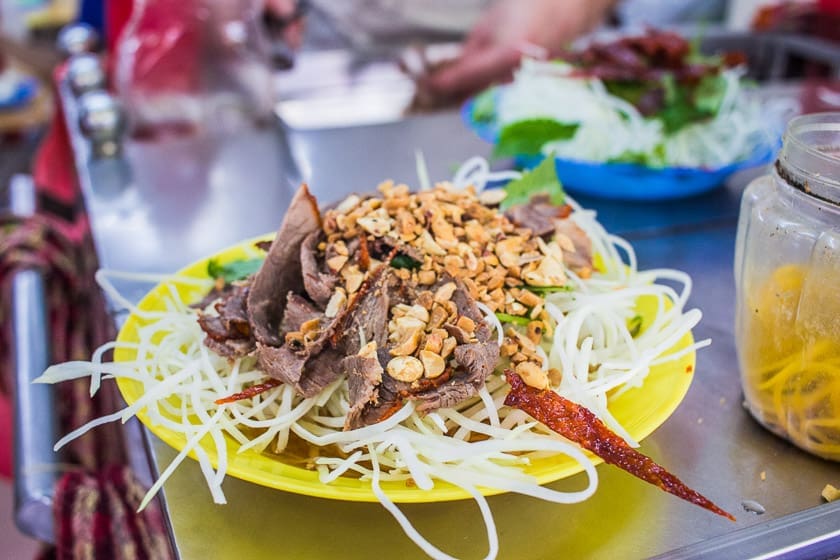
A culinary journey could begin around Hoan Kiem Lake, near the Thang Long Water Puppet Theatre and the historic Jade Mountain Temple. From there, visitors could venture deeper into the Old Quarter, discovering small vendors serving dishes that reflected Hanoi’s distinctive culinary traditions. One popular speciality was nộm thịt bò khô, a fresh green papaya salad topped with beef jerky, peanuts, herbs and fish sauce.
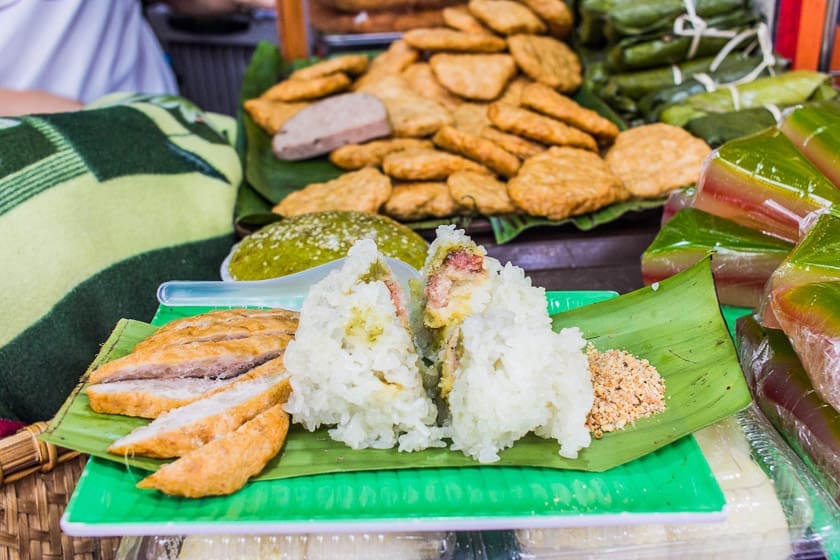
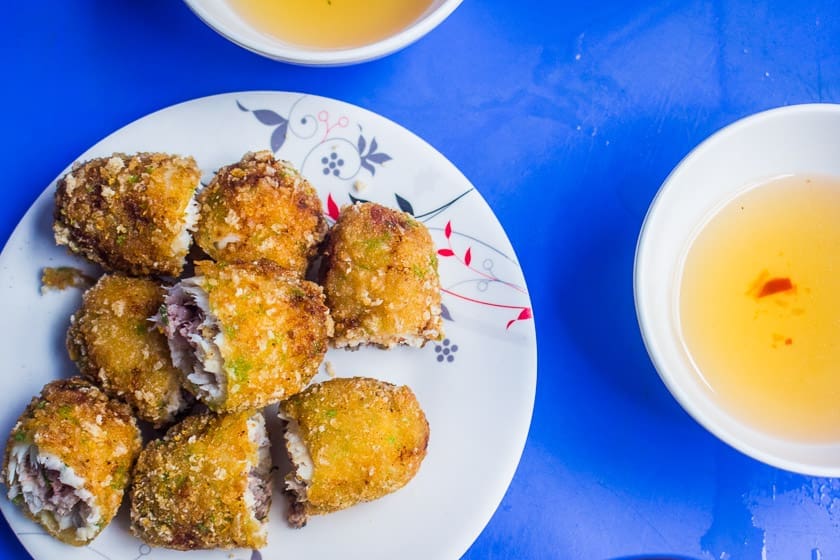

The experience continued with bánh khúc, a Hanoi speciality made with sticky rice, mung bean paste and roasted pork, traditionally wrapped in khúc leaves and served with peanuts and pork patties. Other discoveries included cá cuộn thịt, fried fish balls filled with pork, as well as bánh tôm and bánh gối, two crispy favourites enjoyed with fresh herbs and fish sauce.

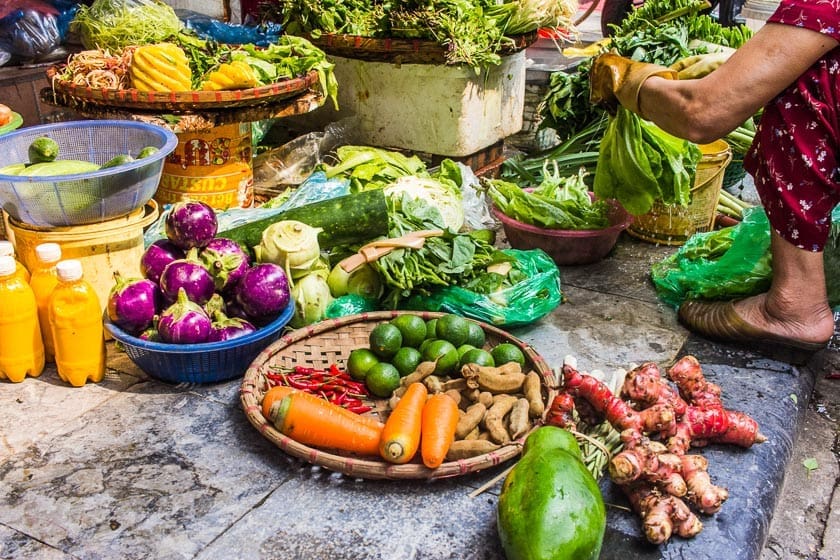
Beyond the food itself, wandering through Hanoi’s ngõ, or alleyways, revealed another side of the capital. These narrow passages opened onto tube houses, small temples, local markets and everyday scenes of neighbourhood life. The Old Quarter’s streets historically developed around guilds specialising in different goods, creating a distinctive urban character that remains part of Hanoi’s identity.

No Hanoi food journey would have been complete without bia hơi, the capital’s famously fresh beer, traditionally enjoyed at simple local establishments. The culinary exploration could then conclude at a modern Vietnamese restaurant, where contemporary dishes such as chả cá rolls and banana flower salad offered a different interpretation of the country’s flavours.
For travellers, Hanoi’s street food offered more than an opportunity to taste Vietnamese cuisine. It provided a way to understand the city through its people, traditions and streets — where every corner could reveal another flavour, story or glimpse of everyday life.
Source: Viet Nam National Authority of Tourism