Speakers from ASEAN, Europe and Middle East discussed halal trade and requirements
The International Halal Webinar 2026, themed “Navigating the Future of Halal Trade”, was held on 19 September 2026, bringing together speakers from ASEAN, Europe and the Middle East to discuss halal trade, certification, packaging, market access and international business opportunities. Organised by Sun Media Private Limited in partnership with Everdeen Global Private Limited, the webinar examined practical considerations for businesses seeking to develop halal markets and strengthen international trade links.
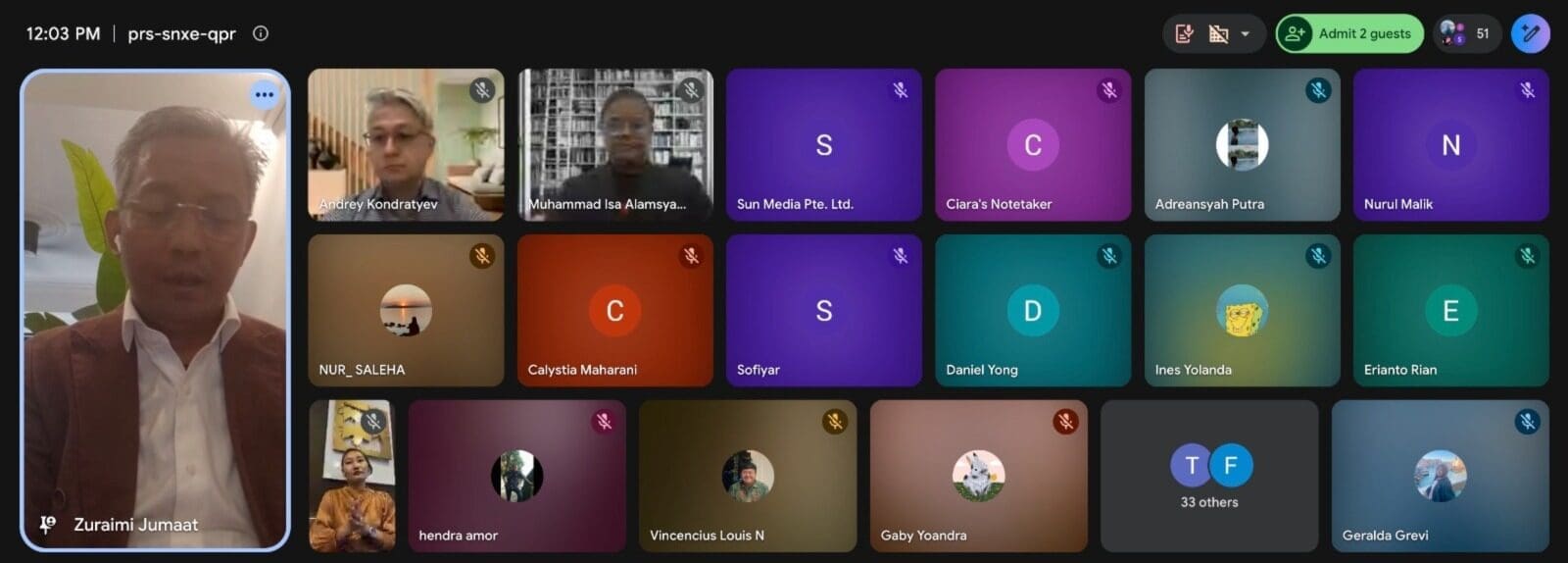
Dr. H. Zuraimi Jumaat, Group CEO of Everdeen Group, Global Senior Advisor to Halal Hub Vietnam and Halal Strategist for NPE Print Communication Pte Ltd, opened the programme by welcoming government representatives, industry leaders, universities and international partners. He positioned Batam and Bintan as strategic gateways connecting ASEAN with the GCC, Europe, Russia and wider global markets. “Our mission is clear: to build tangible cross-border bridges, align international certification standards, elevate talent management, and establish direct market access across key growth triangles,” he said.
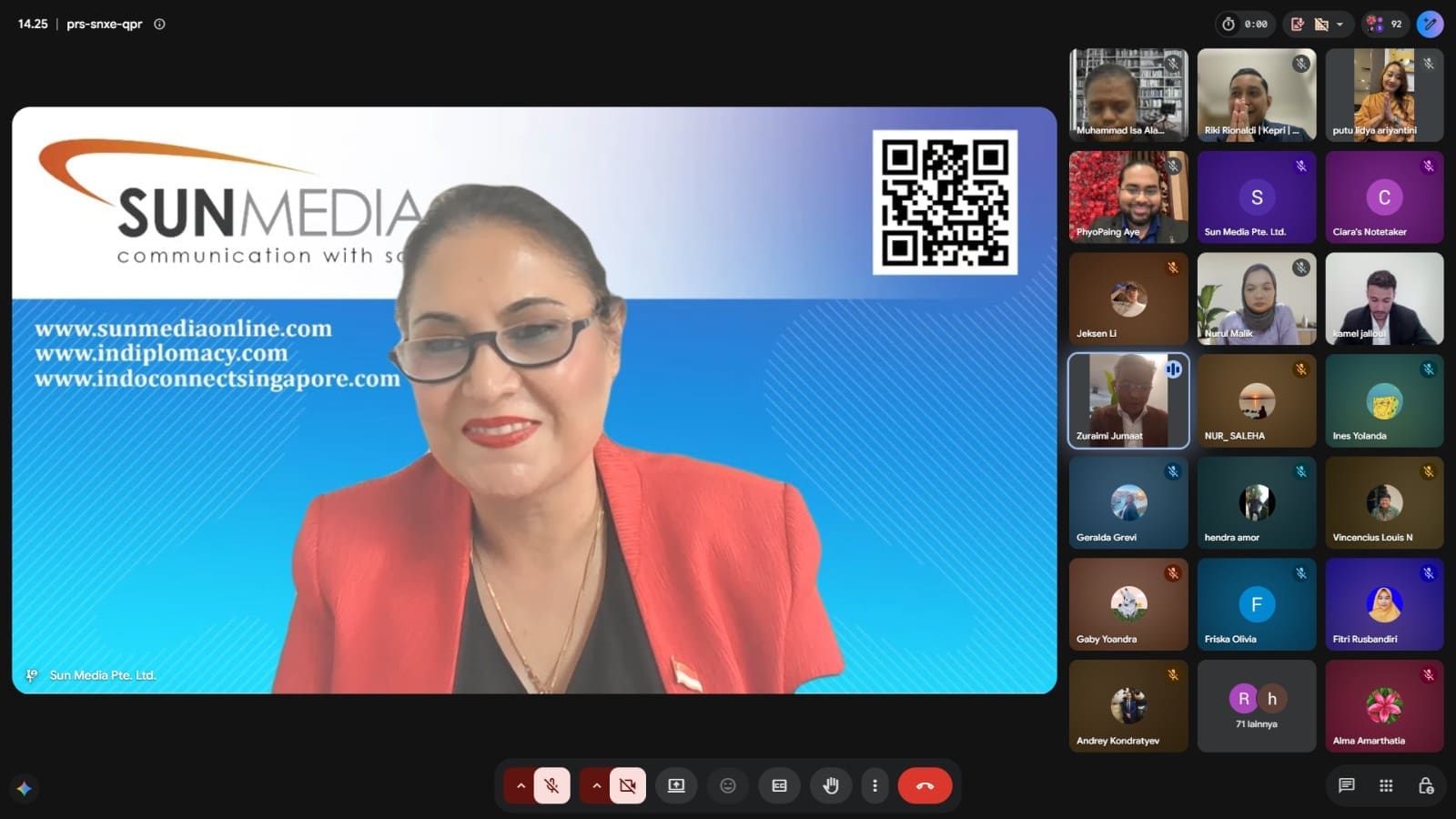
Ms. Nomita Dhar, Editor-in-Chief of Sun Media Pte Ltd, highlighted the media company’s role in connecting businesses, institutions and markets across the global halal economy. She outlined the complementary strengths of ASEAN markets, from Singapore’s finance, logistics and technology capabilities to Indonesia’s production scale, Malaysia’s halal expertise, Thailand’s food sector and Vietnam’s agriculture and food processing industries. “Media should not only report on halal, but help connect the entire halal ecosystem by giving visibility to companies, products, innovations and opportunities across markets,” she said. Dhar also emphasised the importance of certification, packaging, logistics, traceability and transparency, reaffirming Sun Media’s commitment to consistent coverage of the global halal economy.
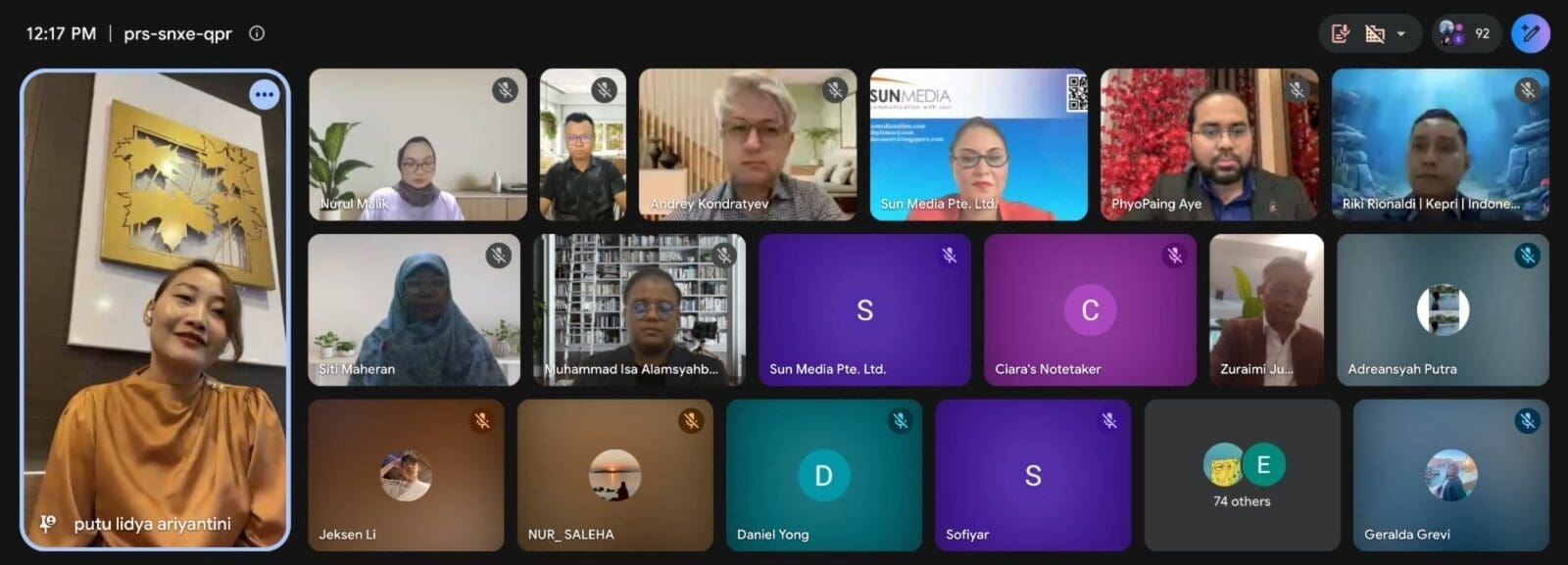
Ms. Ni Putu Lidya Ariyantini, Director of PT Nakia Global Sejahtera Indonesia, described the webinar as a starting point for stronger international connections and opportunities for the Riau Islands through the Kepri International Business Forum 2026. “Our objective is not simply to exchange ideas. We want to turn this connection into a partnership, into market access, and into real business collaboration,” she said, encouraging participants to continue the engagement at the forum.
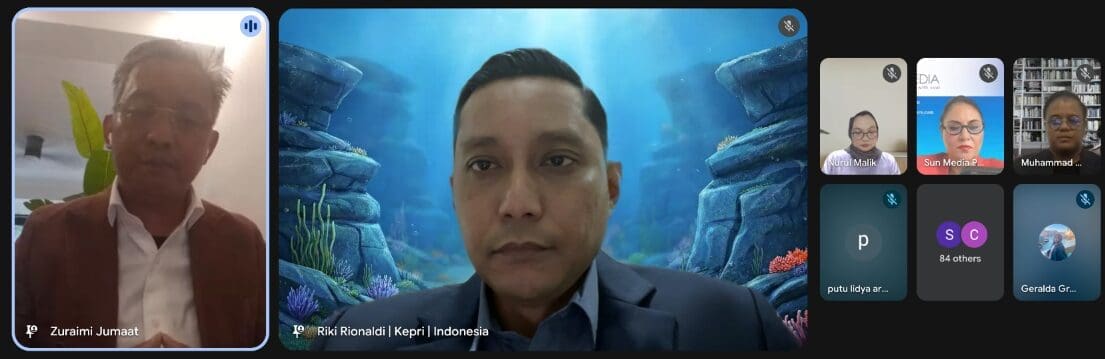
Representing the Government of the Riau Islands Province, Mr. Riki Rionaldi, S.STP., M.Si, Head of the Office of Cooperatives and MSMEs, highlighted the province’s strategic position between Indonesia, ASEAN and global markets. He noted the region’s 6.99 per cent year-on-year economic growth in the second quarter of 2026 and the role of its Free Trade Zones, special economic zones and Batam–Bintan–Karimun business ecosystem. “The sea is not a separator; the sea is a connector. And borders are not limitations; borders are opportunities to build economic connectivity with the world,” he said. He also stressed that halal encompasses a wider value chain involving quality, food safety, packaging, traceability, logistics, financing, technology and branding.
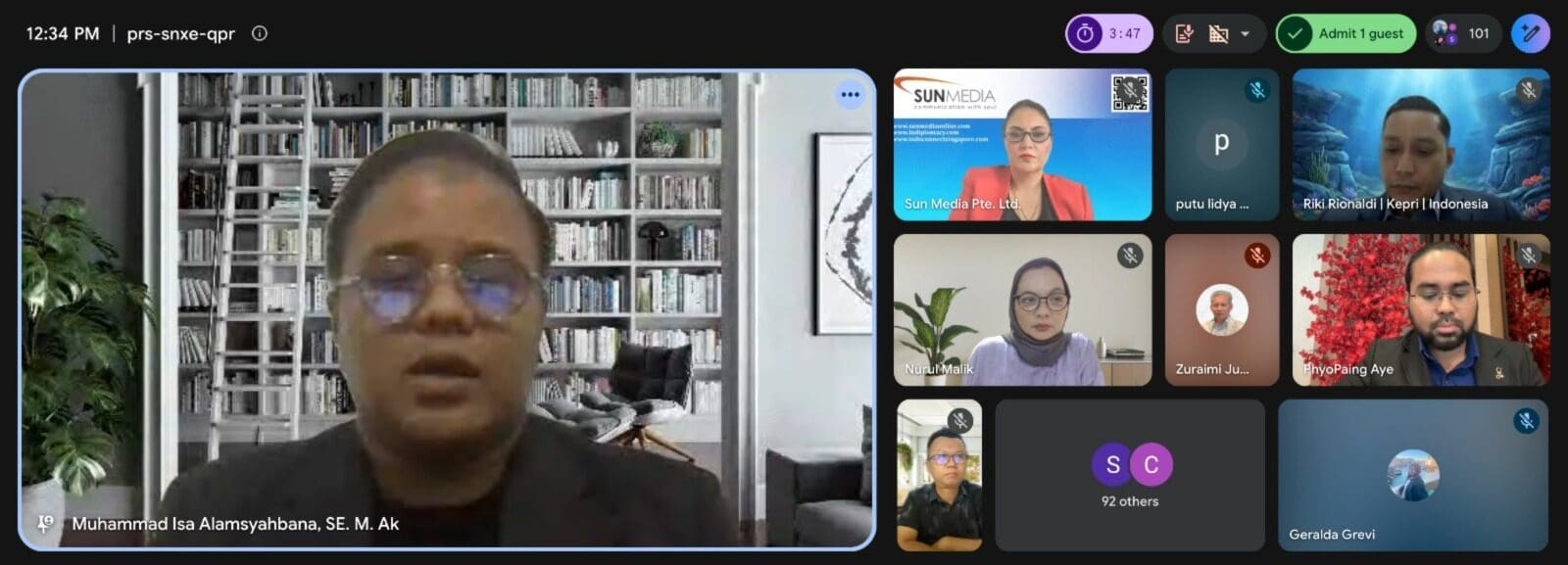
Assoc. Prof. Muhammad Isa Alamsyahbana, Senior Lecturer at STIE Pembangunan Tanjung Pinang and Manager of Finance and Financing at the Inkubasi Bisnis Merah Putih Provinsi Kepri, emphasised halal as a pathway to quality, competitiveness, sustainability and international market access. He highlighted the role of universities and business incubators in supporting SMEs with digitalisation, branding, product development and market readiness, noting that around 110 SMEs had been trained and mentored over the previous two years. “SMEs need an ecosystem, not only training, to enter international markets,” he said.
From Vietnam, Mr. Nguyen Huy Toan, Communications Director and External Relations of Halal Hub Vietnam Joint Stock Company, discussed opportunities to strengthen economic links between Vietnam, Batam, Bintan and ASEAN through halal trade, investment and supply-chain cooperation. He highlighted the potential for an integrated halal ecosystem supported by traceability, logistics and supply-chain technology, with opportunities spanning tourism, seafood, agriculture, manufacturing and food production.
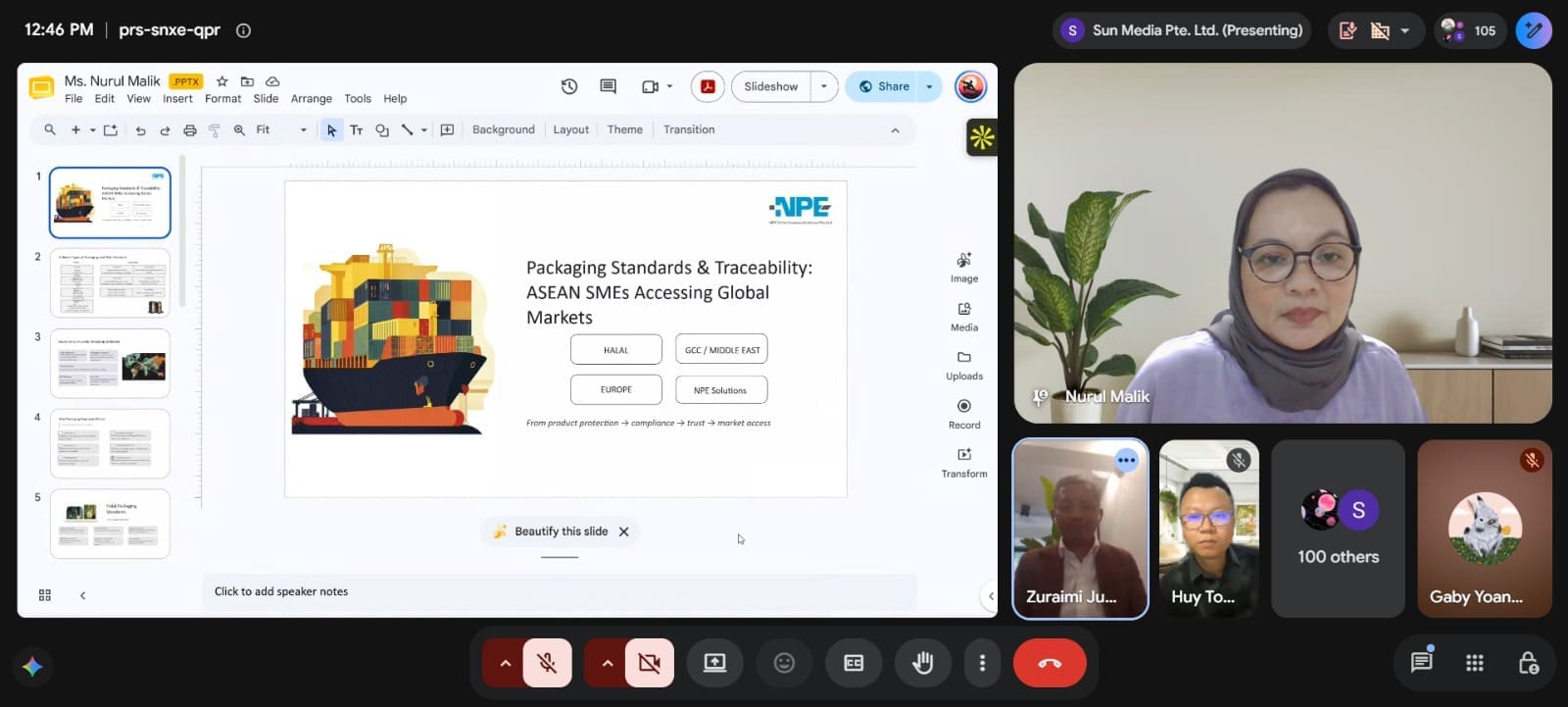
Ms. Nurul Malik, Head of the Packaging Engineering Division at NPE Print Communications Pte Ltd, highlighted packaging as an important component of market access for ASEAN SMEs entering halal, European and GCC markets. She noted that packaging must address safety, halal compliance, sustainability and traceability, while technologies such as barcodes, QR codes and RFID can strengthen supply-chain visibility. “Packaging is more than just a container. It is really the passport to market entry,” she said.
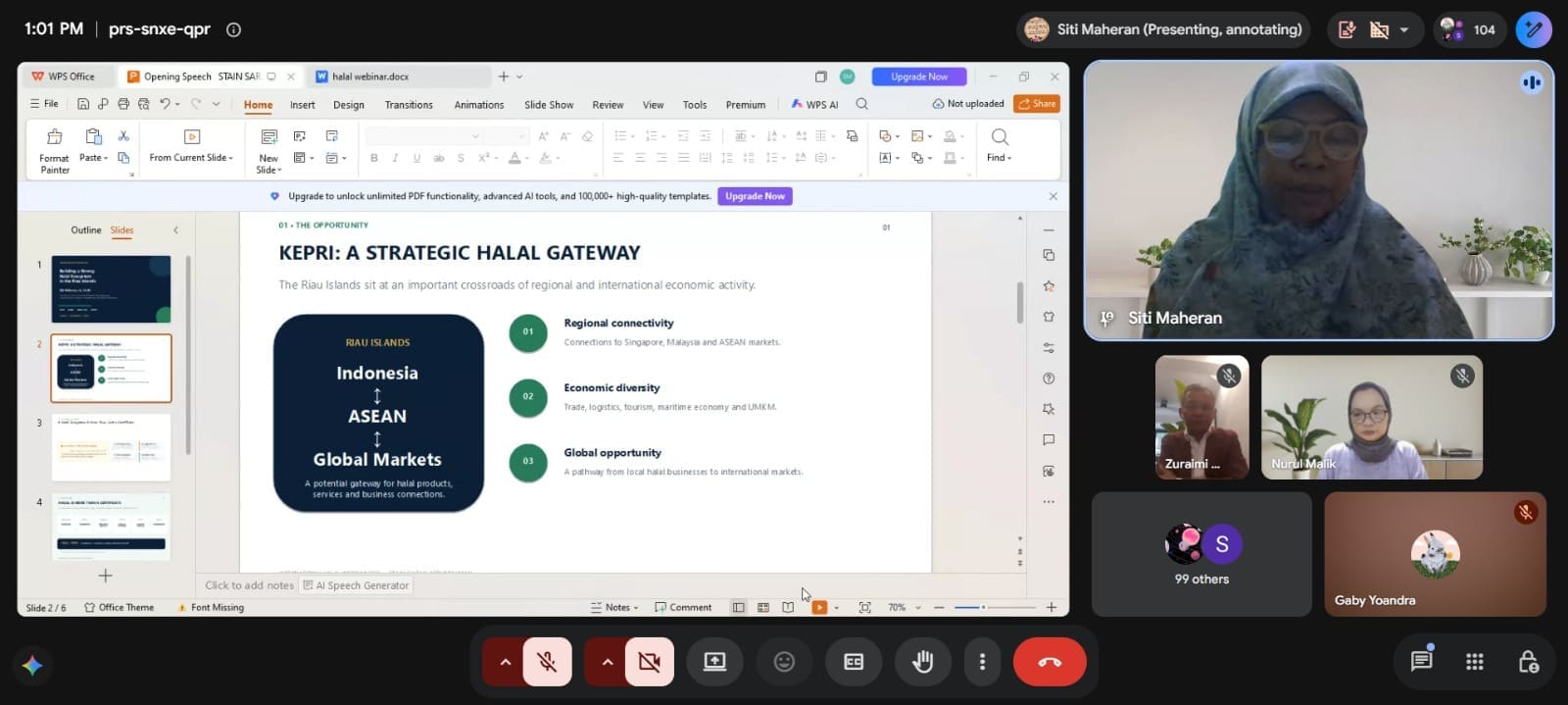
Mrs. Siti Maheran, Head of the Halal Study Center Unit & Head of the Halal Product Process Assisting Institution (LP3H) at STAIN Sultan Abdurrahman Kepulauan Riau, highlighted Kepri’s potential to become a strategic gateway for halal products and services connecting Indonesia and ASEAN with global markets. She emphasised that geography alone is not enough, noting that a strong halal ecosystem requires certification, knowledge, competent human resources, quality assurance and effective production systems. “Let us transform halal from certification into a culture of quality, compliance into competitiveness, and collaboration into opportunity,” she said. Maheran also stressed the importance of collaboration among government agencies, universities, halal institutions, entrepreneurs and international partners to strengthen SMEs and help them become more competitive in regional and global markets.
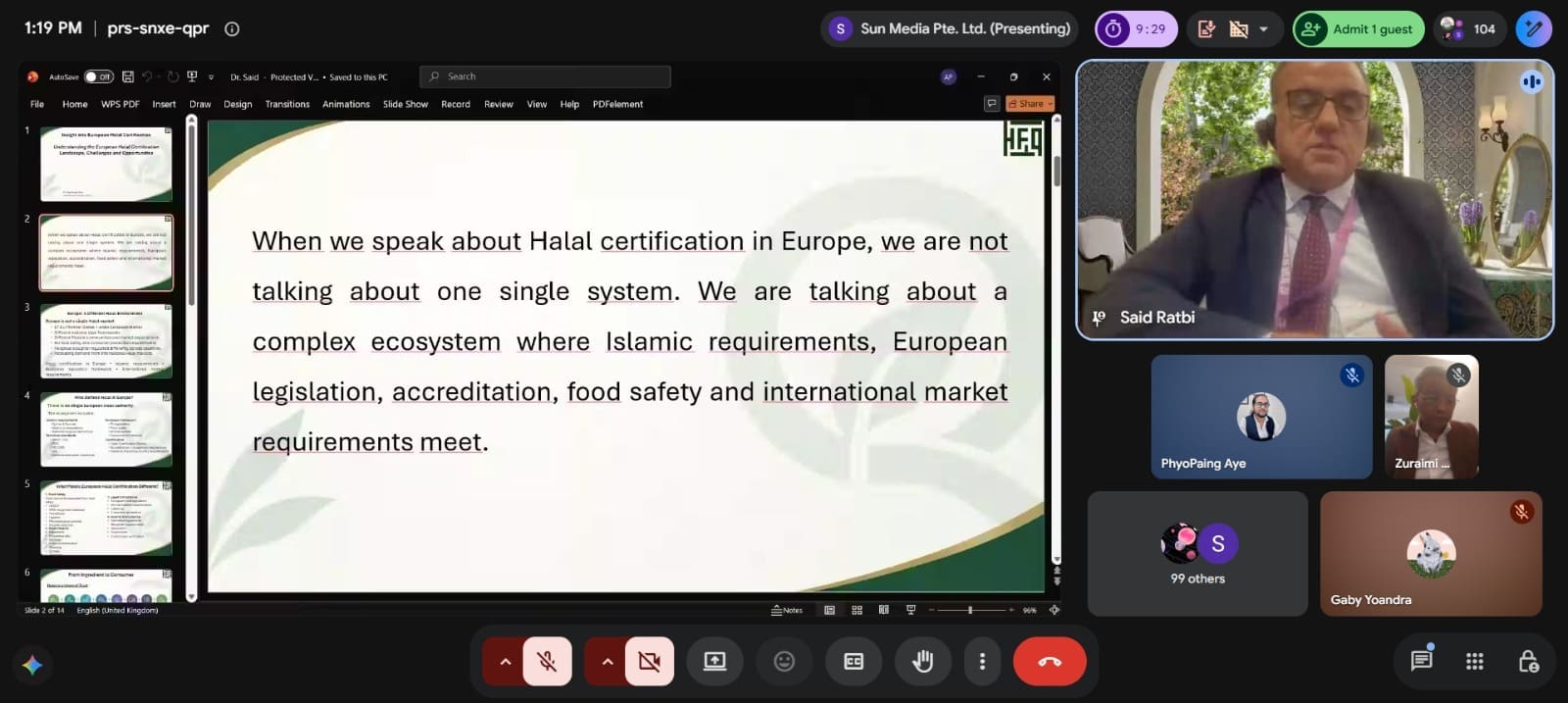
Mr. Said Ratbi, CEO, Halal Food & Quality (HFQ) of Spain, outlined the complexities of halal certification in Europe, where Islamic requirements intersect with EU food safety regulations, animal welfare rules, accreditation systems and individual market requirements. He stressed that Europe does not have a single halal certification system, making recognition, accreditation and destination-country requirements important considerations for exporters. “Certification must evolve from a simple certificate into a system of trust, evidence and traceability,” Ratbi said, highlighting the growing importance of supplier controls, audits, laboratory analysis, digital traceability and continuous monitoring. He also noted that European halal certification can serve as a platform for accessing Muslim consumers and wider markets across the GCC, ASEAN and Africa.
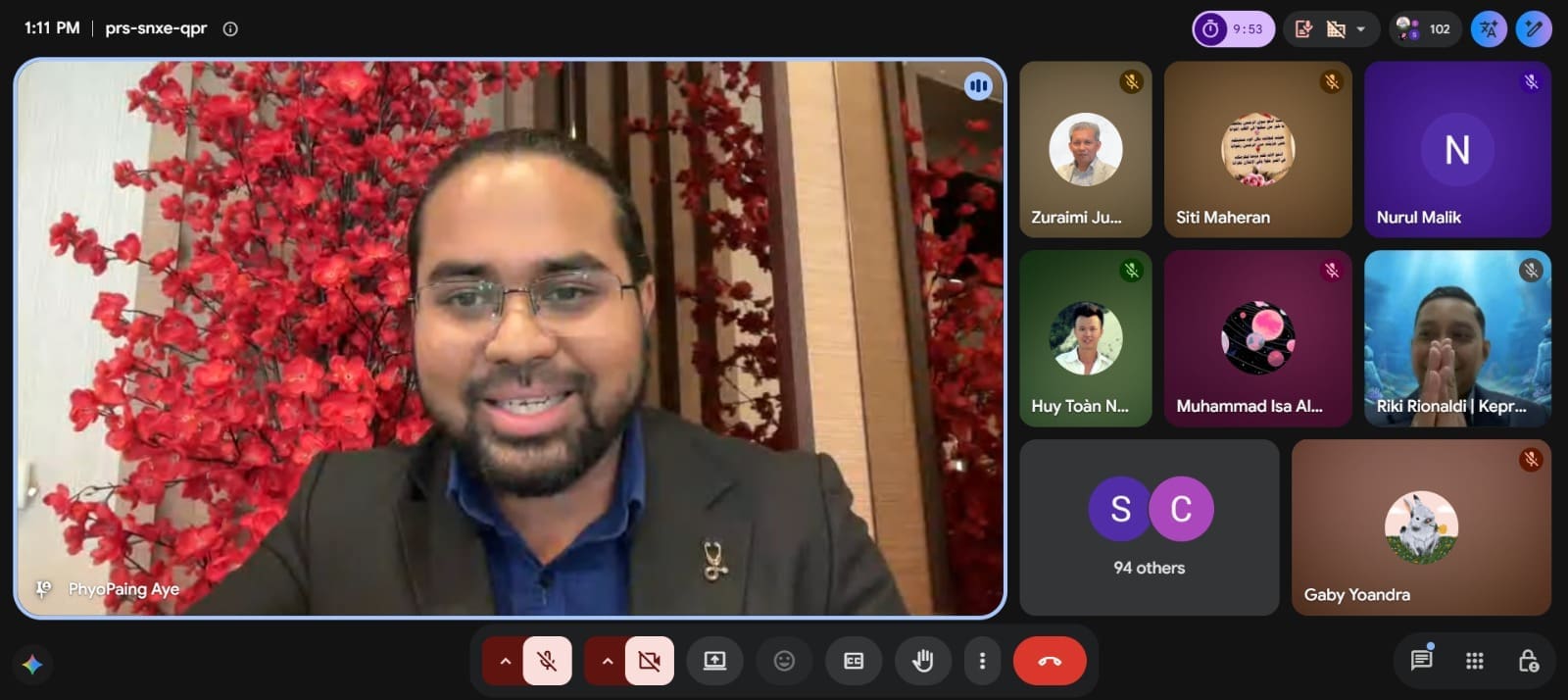
Dr. Phyo Paing Aye, Medical Doctor and Founder of Luxovera Medical Tourism, Turkey, discussed opportunities for stronger business links between Turkey, Indonesia and ASEAN, drawing on Turkey’s capabilities in manufacturing, food, healthcare, cosmetics and other sectors. He stressed that successful cross-border partnerships require businesses to align market demand, regulations, documentation, logistics and distribution. “Networking creates the connection. Execution creates the business,” he said.

Dr. Tomas Guerrero, Director of the Halal Trade and Marketing Centre of Dubai, highlighted the UAE’s role as a gateway to the wider GCC and Middle Eastern markets. He explained that HTMC supports companies through market intelligence, halal compliance and growth support, alongside business matching and trade missions. “At the end of the day, it’s about exporting, it’s about selling, it’s about finding new clients,” he said.
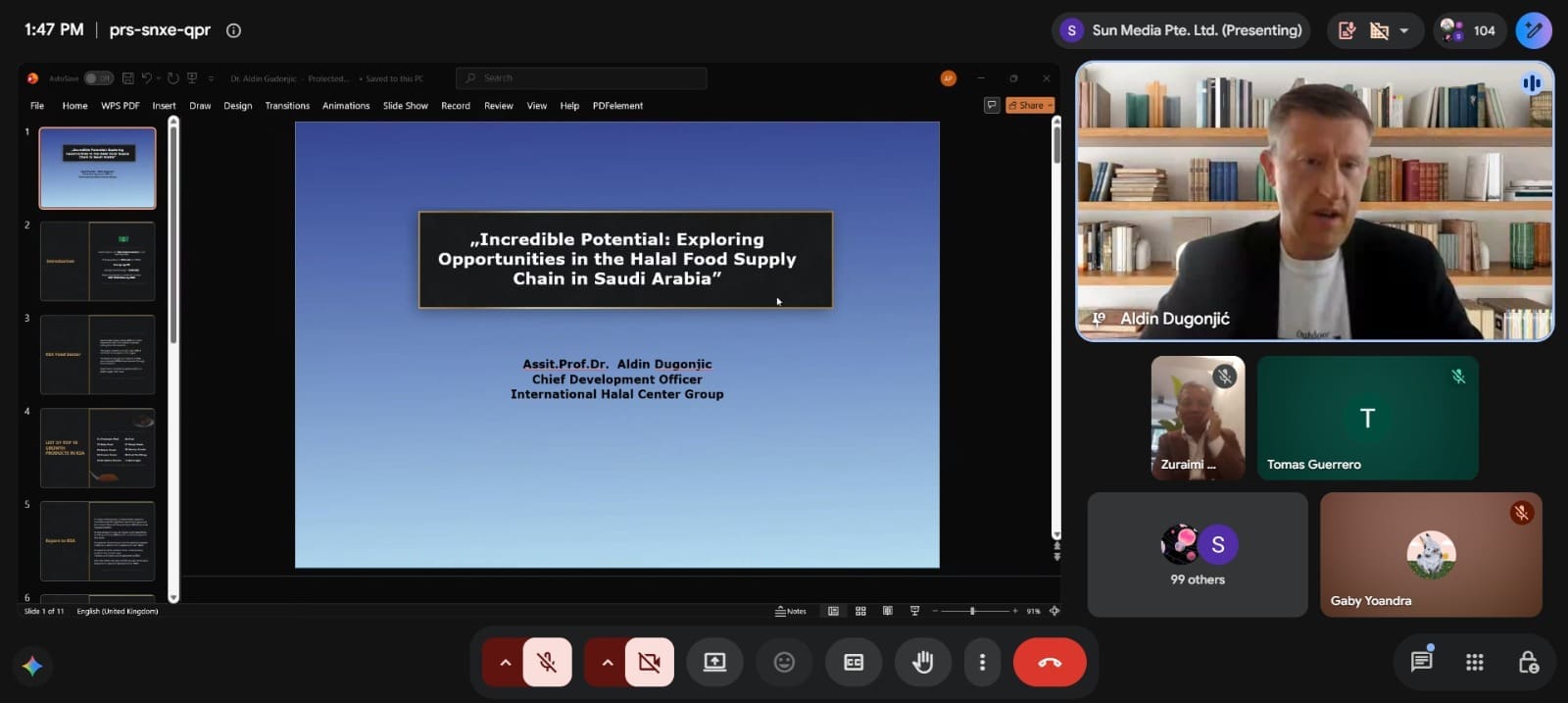
Dr. Aldin Dugonjic, CEO & CDO, Global Halal Sector Expert & Strategic Business Advisor at the International Halal Centre Group of Germany and former CMO for The Bridge, Saudi Arabia, highlighted Saudi Arabia’s potential for halal products and investment. He pointed to opportunities in food, hospitality, tourism and major development projects, while stressing the importance of experienced local partners and understanding Saudi regulatory requirements.
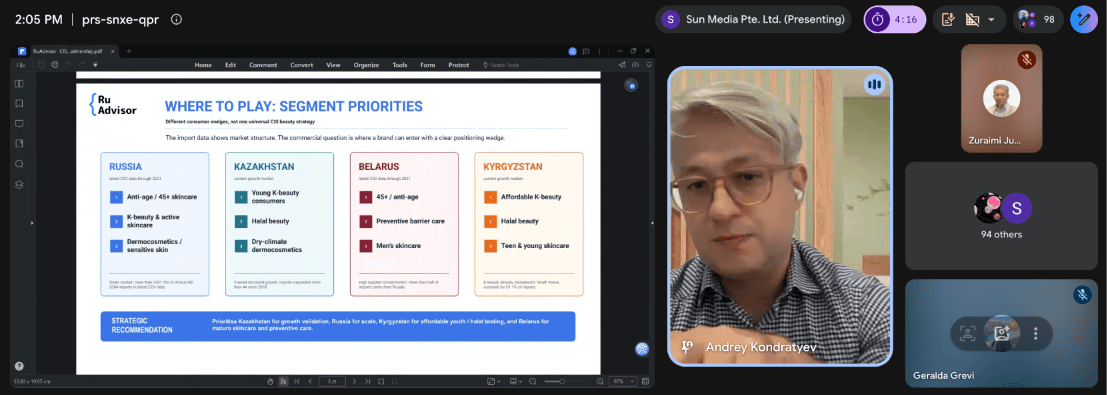
Mr. Andrey Kondratyev, International Project Expert, former diplomat and Co-Founder and CBDO Asia at RuAdvisor, highlighted opportunities in Russia and the wider CIS region for ASEAN halal businesses. He noted the potential of markets serving Muslim consumers across Russia and the CIS, while identifying opportunities in halal food, cosmetics and other consumer products. He also encouraged businesses to explore partnerships and platforms such as the Kazan Forum.
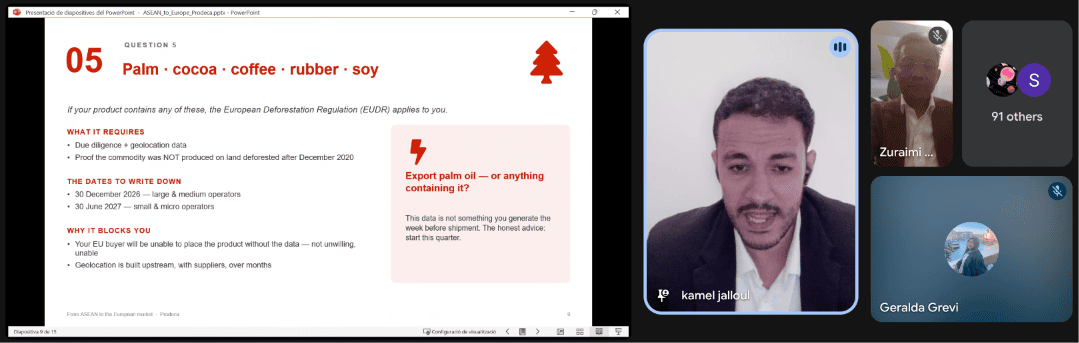
Mr. Kamel Jalloul Ratbi, International Marketing Specialist at PRODECA Agency of Spain, highlighted the importance of understanding European regulatory requirements when exporting halal products. He stressed that halal certification alone does not guarantee market access, with exporters also needing to meet requirements covering food safety, packaging, sustainability and deforestation regulations. “Halal builds trust, compliance opens markets, partnerships create opportunities,” he said, highlighting Barcelona as a potential gateway to the European single market.
The webinar also served as a lead-in to the Kepri International Business Forum 2026, scheduled for 20–24 September in Batam City. Across the programme, speakers emphasised certification, standards, packaging, traceability, logistics, financing and market access as key considerations for businesses seeking to expand within the global halal economy.