ASEAN energy ministers advance regional priorities through policy frameworks, studies and institutional initiatives.
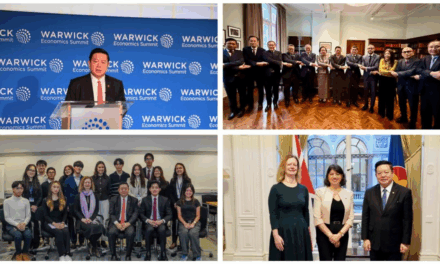
The 44th ASEAN Ministers on Energy Meeting (AMEM), held under the Philippines’ ASEAN Chairship in 2026, reported the substantial completion of the year’s Priority Economic Deliverables (PEDs) for the energy sector. The meeting endorsed regional workplans, acknowledged ongoing discussions on cross-border electricity infrastructure and launched two initiatives to support energy policy development and regulatory capacity in ASEAN.
The meeting and its associated meetings provided a platform for advancing ASEAN’s regional energy priorities and reviewing progress on the 2026 PEDs. The outcomes covered electricity connectivity, energy outlooks, regulatory development, sustainable energy management and technical studies relevant to the region’s energy sector.

Among the key outcomes was the endorsement of the ASEAN Power Grid Consultative Committee (APGCC) Task Force Workplans, which supported the continued development of the ASEAN Power Grid (APG). The meeting also acknowledged ongoing discussions on the ASEAN Submarine Power Cable Development Framework, which concerns the development of regional submarine electricity cable infrastructure.
The meeting saw the launch of the ninth ASEAN Energy Outlook (AEO9), providing a regional reference for energy trends and outlooks. It also launched the ASEAN School of Regulation (ASR), an initiative focused on energy regulation within the region.
In addition, the meeting endorsed a series of regional studies addressing different aspects of energy development and management. These covered nuclear power financing and human resources development, carbon capture, utilisation and storage (CCUS), upstream oil and gas fiscal benchmarking, sustainable energy management certification, battery energy storage systems (BESS), variable renewable energy integration and cross-border renewable energy certificate (REC) markets.
The studies addressed technical, financial, regulatory and workforce-related considerations relevant to ASEAN’s energy sector. Their endorsement formed part of the meeting’s reported progress towards completing the 2026 PEDs.
The outcomes reflected the range of policy and technical areas covered by ASEAN’s regional energy agenda, from electricity connectivity and renewable energy integration to energy storage, resource development and regulatory capacity.
At the conclusion of the meeting, the participating parties extended their appreciation to the Government of the Philippines for its hospitality and arrangements in hosting the 44th AMEM and its associated meetings.
The reported outcomes established the status of the 2026 energy-sector deliverables while advancing discussions on regional infrastructure, energy planning and regulatory initiatives within ASEAN.
Source: ASEAN