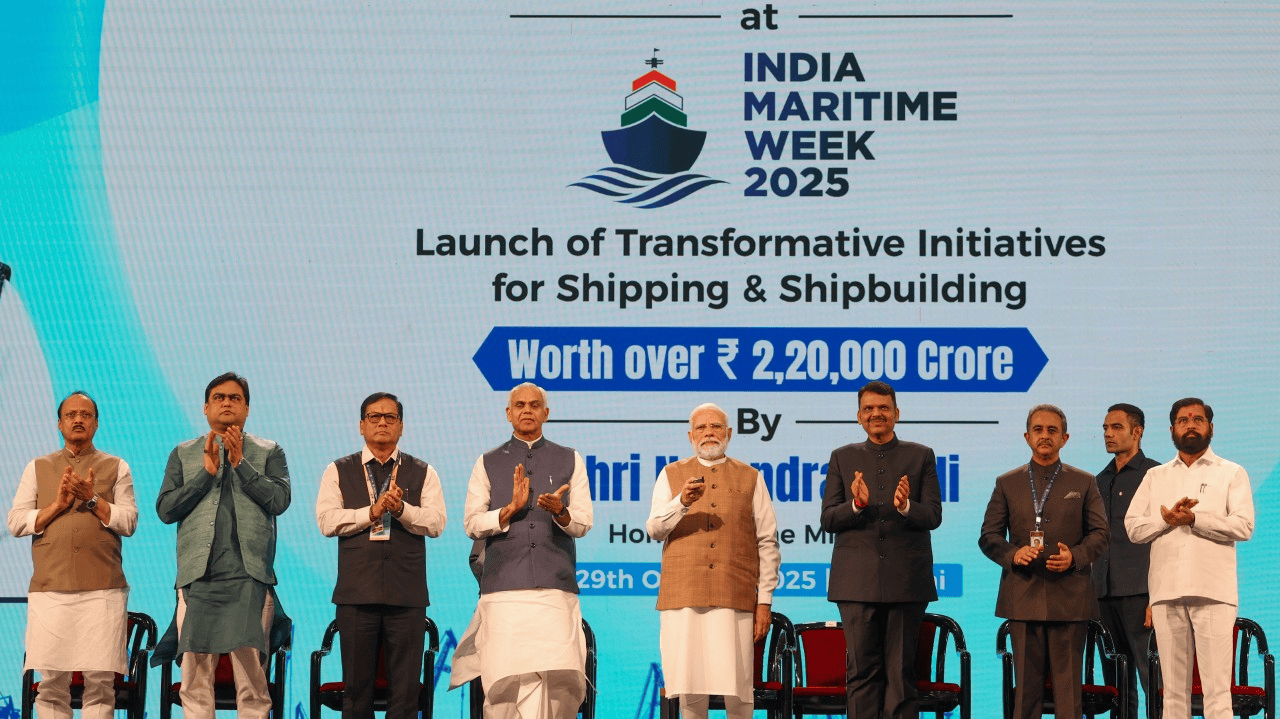
Prime Minister Narendra Modi underscored India’s remarkable transformation in the maritime sector during the Maritime Leaders Conclave in Mumbai, highlighting advancements in port capacity, seafaring workforce, and sustainable development
Prime Minister Narendra Modi addressed the Maritime Leaders Conclave in Mumbai as part of India Maritime Week 2025, reaffirming the city’s long-standing connection to India’s maritime heritage. He recalled Mumbai’s historical significance, from the naval legacy of Chhatrapati Shivaji Maharaj to its modern role as a hub of port infrastructure and global trade. PM Modi expressed optimism after meeting CEOs and key stakeholders, noting a shared vision for advancing India’s port-led growth.
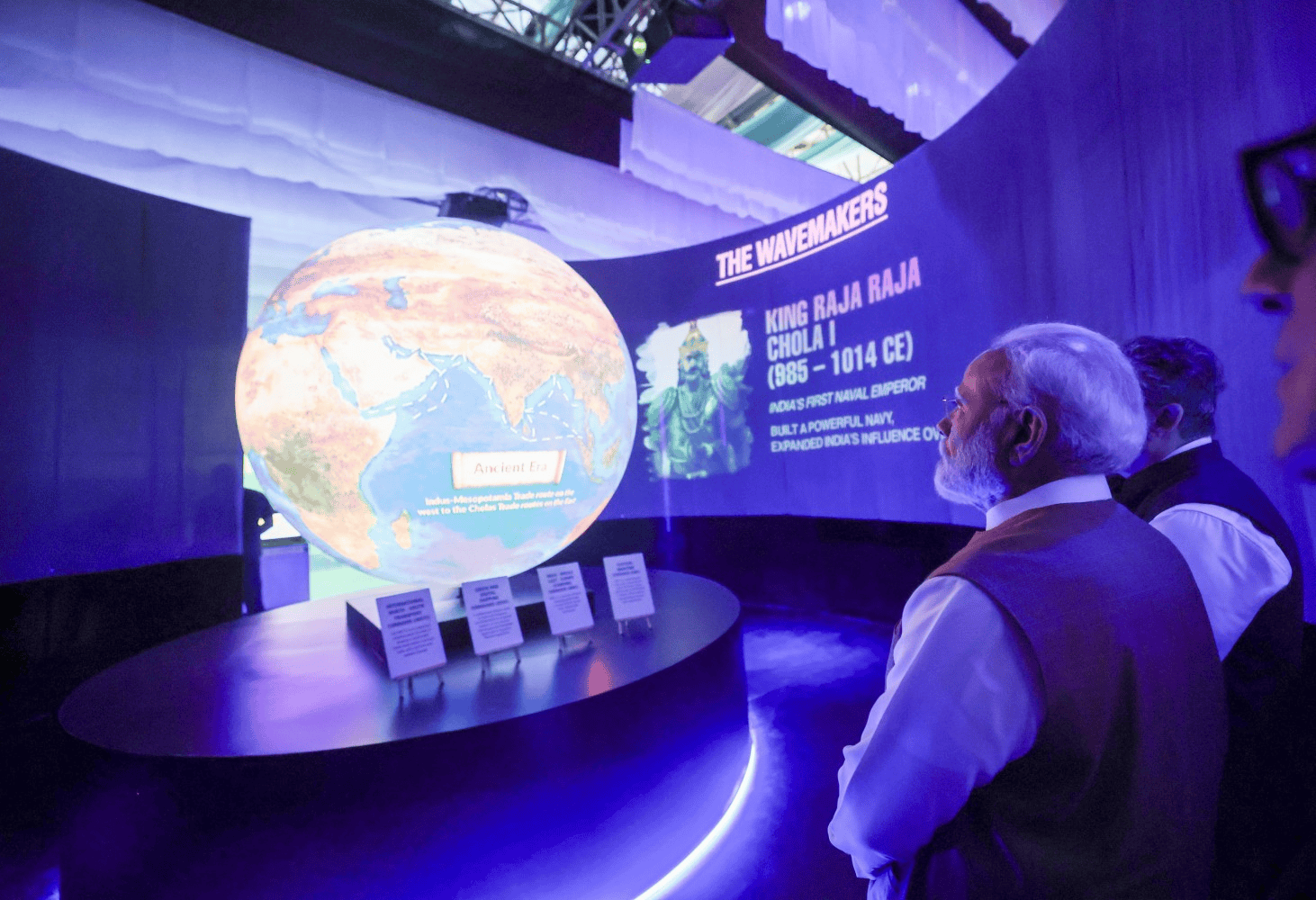
Reflecting on India’s maritime past, he acknowledged that the nation was once a global shipbuilding power under the Cholas and Marathas. However, when his government took office a decade ago, the maritime sector faced outdated regulations and limited capabilities. Since then, extensive reforms and infrastructure development have transformed it into a symbol of efficiency, global trust, and national pride.
India’s maritime growth over the last eleven years has been significant. Port capacity has doubled from 1,400 to 2,762 MMTPA, while cargo handling surged from 972 to 1,594 MMT. Vessel turnaround time has been reduced by nearly half, and the sector’s net surplus increased ninefold. India now ranks among the top three suppliers of trained seafarers globally, with more than 3 lakh seafarers contributing to the global workforce.
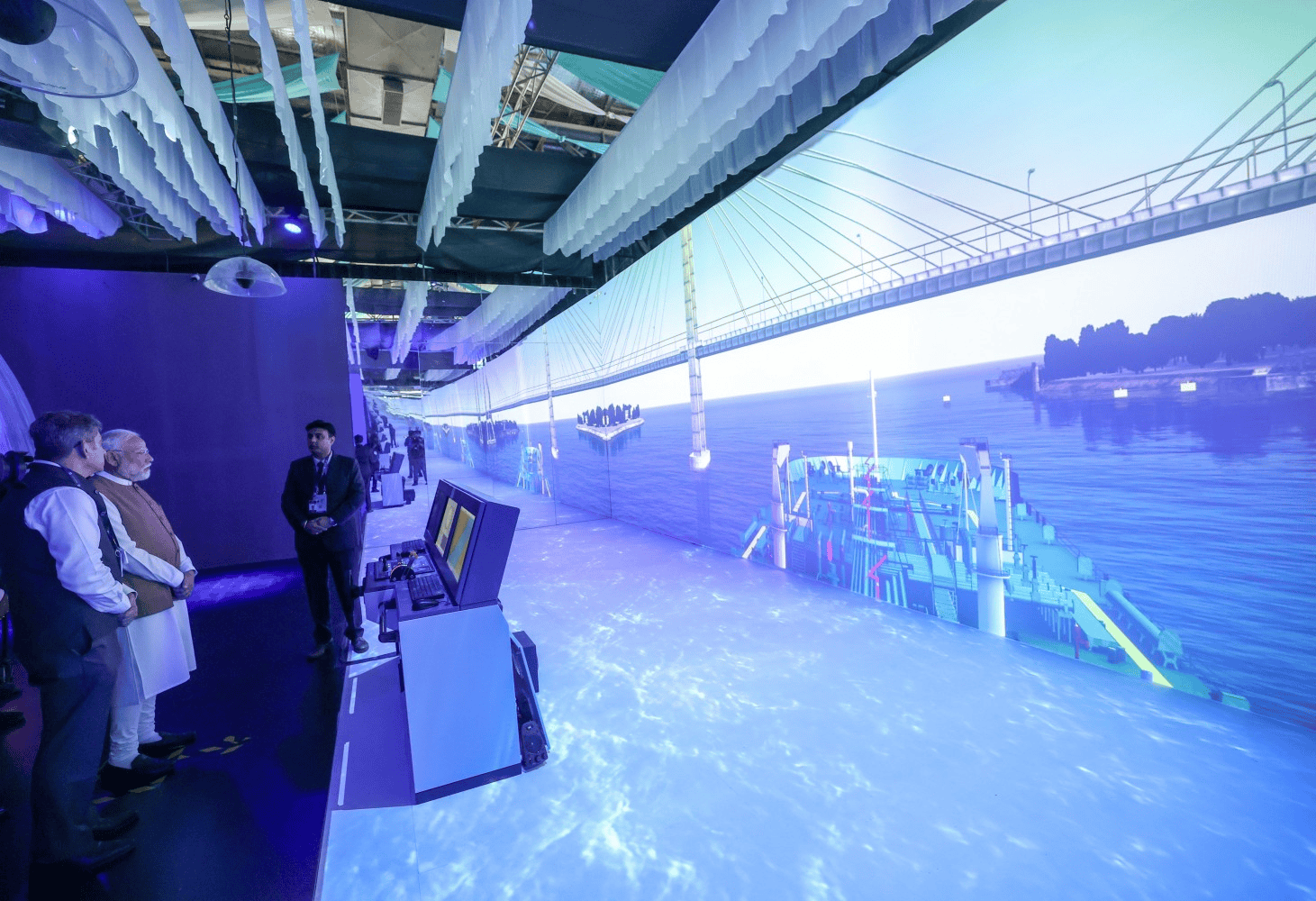
The Prime Minister also highlighted India’s expanding shipping and inland waterways network. Indian-flagged vessels increased to 1,549, and coastal cargo movement nearly doubled. Inland waterway cargo saw a dramatic 710% rise, supported by expanded operational waterways and ferry services connecting millions across the nation. Projects such as Vizhinjam Port—India’s first deep-water transhipment hub—and Kandla Port’s green hydrogen facility underscore the sector’s focus on sustainability and innovation.
Reforms have driven these achievements. The government’s five landmark maritime bills have modernised governance, simplified trade, and aligned India with global standards. With a ₹70,000 crore umbrella package and initiatives like the Shipbuilding Assistance Scheme and Maritime Development Fund, India aims to attract over ₹4.5 lakh crore in investment and build more than 2,500 vessels. PM Modi concluded by inviting global investors to “come aboard,” emphasising India’s world-class ports, strategic trade routes, and growing Blue Economy as the anchors of its maritime future.
Source: Prime Minister Narendra Modi