A CONVERSATION ON INDUSTRIAL LEADERSHIP, GENDER DIVERSITY, AND THE FUTURE OF WOMEN IN BUSINESS
In the evolving landscape of Southeast Asia’s industrial sector, women leaders are increasingly shaping the direction of industries once considered firmly male-dominated. As a Deputy CEO within Samator Indo Gas Tbk, one of Indonesia’s leading industrial gas and manufacturing companies, the interviewee has built a reputation for combining strategic vision with a deep commitment to human development. Her leadership reflects a broader transformation within the region’s industrial economy, where innovation, inclusivity, and long-term sustainability are becoming central to corporate governance.
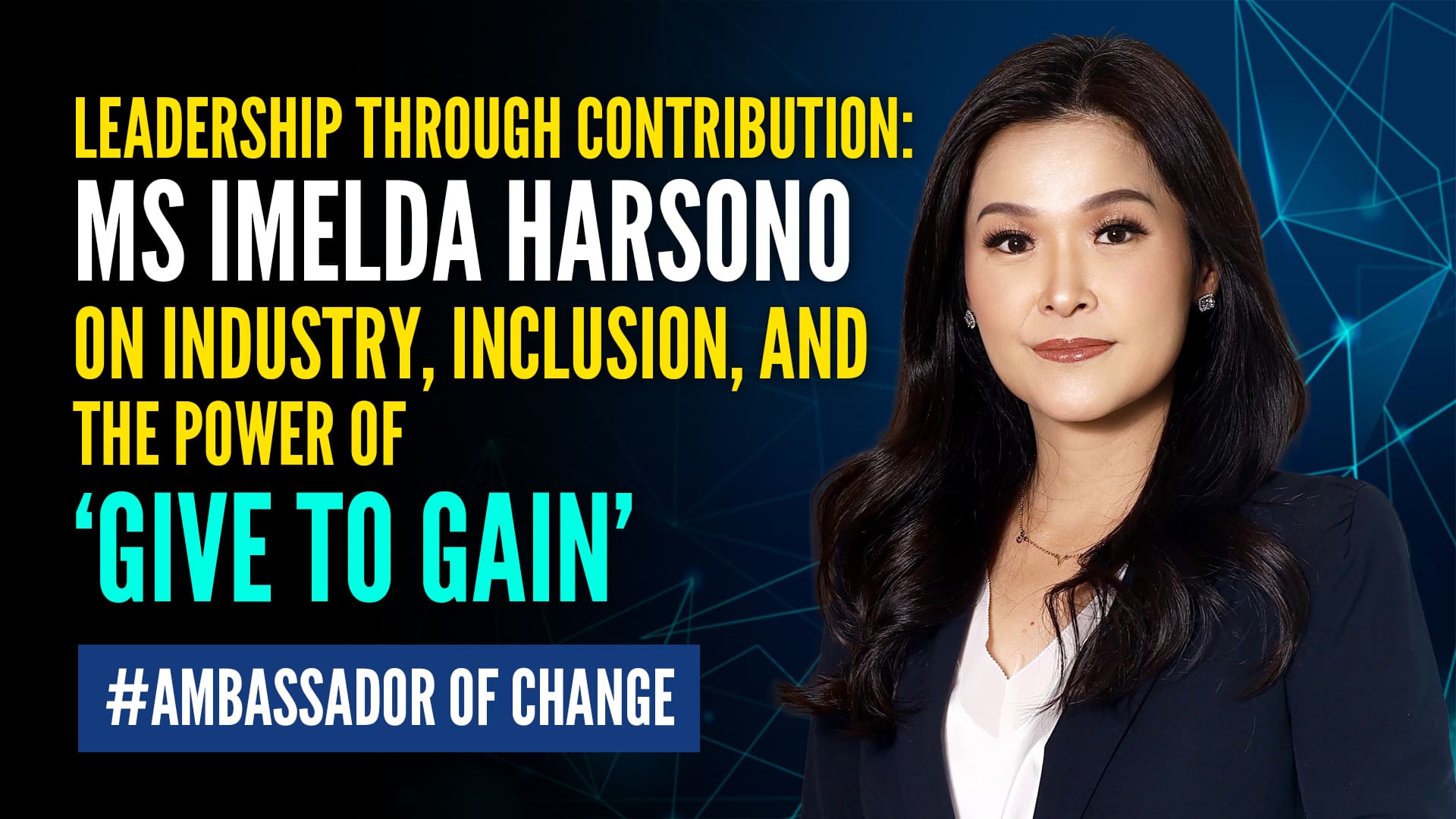
In a reflective conversation with IN Diplomacy, Ms Imelda Harsono discussed the evolving role of women in industry, the importance of inclusive leadership, and the meaning of the International Women’s Day 2026 theme, “Give to Gain.” The discussion moved fluidly between business strategy and social progress, touching on the importance of gender diversity, leadership in complex economic environments, and the role of Southeast Asia’s emerging corporate leaders in shaping responsible growth.
Ms. Imelda Harsono’s professional journey began with a strong determination to understand the industries she would eventually help lead. The industrial gas, manufacturing, and energy sectors are traditionally male-dominated fields that require not only technical knowledge but also resilience and patience. Rather than confronting these barriers directly, she focused on building her expertise and establishing credibility.
“Breaking through was less about fighting the system and more about consistently proving value,” she explained. “Early in my career, I invested time in understanding the technical side of the business, listening carefully to experienced colleagues, and delivering results.”
This commitment to competence and collaboration gradually opened opportunities for leadership. Yet the journey was not without challenges. At times, she found herself as the only woman in the room during key meetings or negotiations. Those moments, however, reinforced her belief that leadership ultimately transcends gender.
“What the journey gave back to me is perspective,” she reflected. “Leadership is not defined by gender but by clarity of vision, discipline, and the ability to bring people together.”
Within Samator Indo Gas Tbk, she has since become an advocate for human capital development and organisational culture. The company is widely recognised in Indonesia for its progressive approach to workforce development, and gender diversity forms an important part of that strategy.
According to her, championing diversity begins with a straightforward principle: talent has no gender. In practical terms, this philosophy translates into initiatives that expand opportunities for women within the organisation. These include leadership pathways, mentorship programmes, and greater visibility for women in technical and decision-making roles.
“Creating opportunities, encouraging mentorship, and building an inclusive culture are essential,” she said. “When diversity of perspectives is welcomed, organisations make stronger and more balanced decisions.”
The results, she noted, have been tangible. Teams with diverse perspectives tend to collaborate more effectively and adapt more quickly to change. These qualities are particularly important in industrial sectors facing rapid technological transformation and global competition.
Beyond the corporate environment, the conversation also turned to the broader role of Indonesian women in society. She believes the spirit behind the “Give to Gain” theme is already deeply embedded in Indonesia’s social fabric.
“Across Indonesia, women contribute enormously to their families, communities, and increasingly to the national economy,” she observed. “What they give is dedication, resilience, and the ability to carry multiple responsibilities at once.”
However, she emphasised that achieving genuine equality requires continued investment in opportunity. Access to education, professional pathways, and supportive workplace policies remain essential elements for ensuring that women can fully realise their potential in business and industry.
When asked about representing Indonesian women on regional and global platforms, she described the experience as both an honour and a responsibility. She hopes that the visibility of Indonesian women leaders will demonstrate that leadership can combine ambition with empathy and collaboration.
“Indonesian women often bring a leadership style that balances professional excellence with community awareness and long-term thinking,” she explained. “These qualities are increasingly valuable in a world that requires more responsible and inclusive leadership.”
Her message to aspiring women leaders across Southeast Asia, particularly in the context of International Women’s Day 2026, is rooted in preparation and mutual support.
“Leadership is not something you wait for—it is something you prepare yourself for,” she said. “Invest in your skills, remain curious, and do not hesitate to step into challenging roles. Growth often happens outside your comfort zone.”
At the same time, she encourages women to recognise that progress is collective. Supporting other women through mentorship and collaboration, she believes, accelerates advancement for entire communities and industries.
Reflecting once more on the theme of “Give to Gain,” she concluded that the principle captures an essential truth about leadership itself.
“When leaders give trust, opportunities, mentorship, and responsibility, they gain teams that are more committed and resilient,” she said. “Leadership is not about position—it is about contribution.”
In an increasingly interconnected global economy, her perspective illustrates how business leadership, social responsibility, and inclusive values can work together to shape a more balanced and forward-looking industrial future.