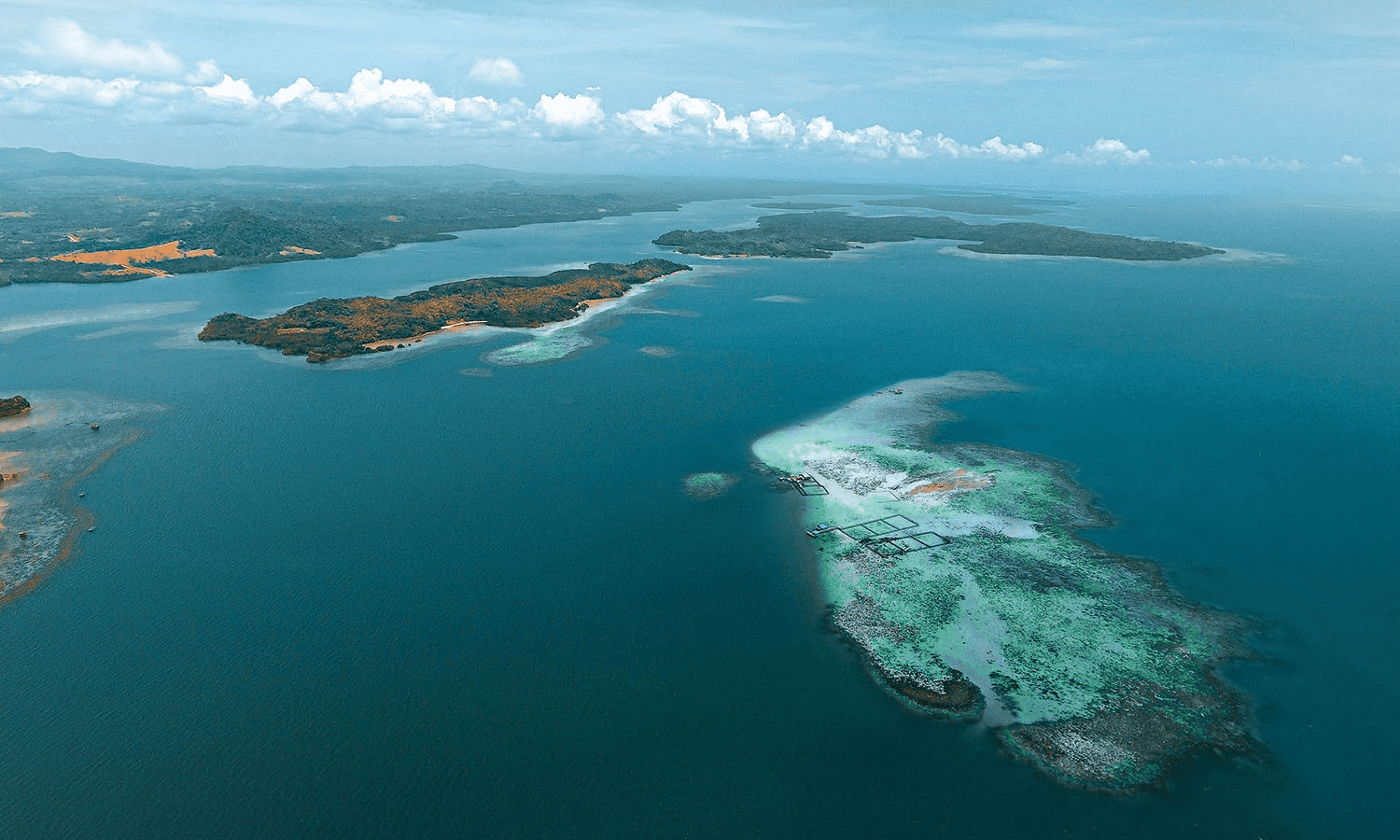
Stretching across the northern coast of Sabah, Tun Mustapha Park stands as one of Malaysia’s most important marine conservation areas. From rich coral reefs to sustainable community tourism, this vast marine park showcases how nature conservation and local livelihoods can thrive together.
1. It Is Malaysia’s Largest Marine Protected Area
Located off the northern coast of Sabah, Tun Mustapha Park spans across the districts of Kudat, Pitas, and Kota Marudu. Covering approximately 2.4 million acres and encompassing more than 50 islands and islets, the park is recognised as Malaysia’s largest marine protected area (MPA) and shark sanctuary.
Its vast waters, coastal ecosystems, and island landscapes make it one of the country’s most significant marine conservation zones. The park also plays a vital role in safeguarding the biodiversity-rich waters of northern Borneo.
2. The Park Was Officially Established in 2016
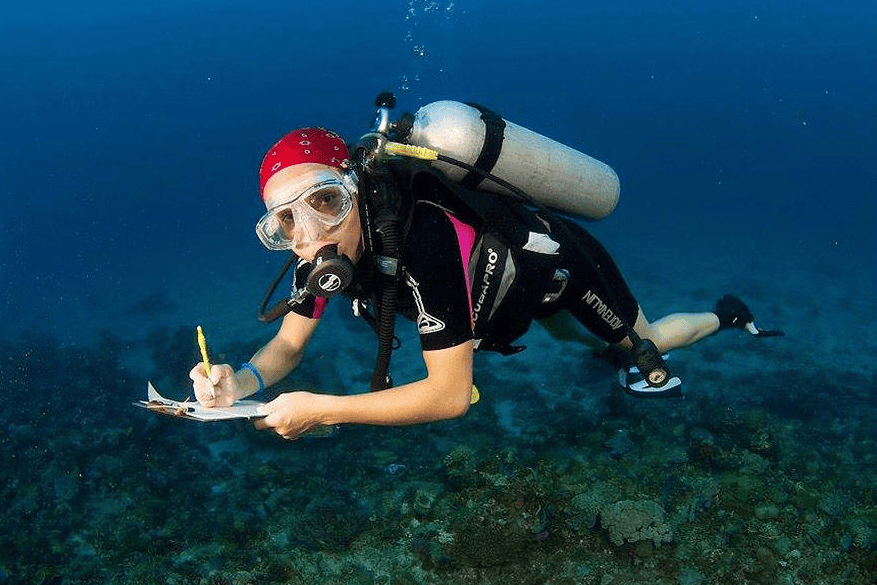
Tun Mustapha Park was formally gazetted in 2016 after more than 13 years of planning, discussions, and collaborative efforts between government agencies, conservation organisations, international partners, and local communities.
Among the key organisations involved was the World Wildlife Fund (WWF), which contributed to research, conservation planning, and community engagement initiatives. The establishment of the park marked a major milestone for marine conservation in Malaysia and demonstrated Sabah’s commitment towards sustainable environmental management.
3. It Protects Extraordinary Marine Biodiversity
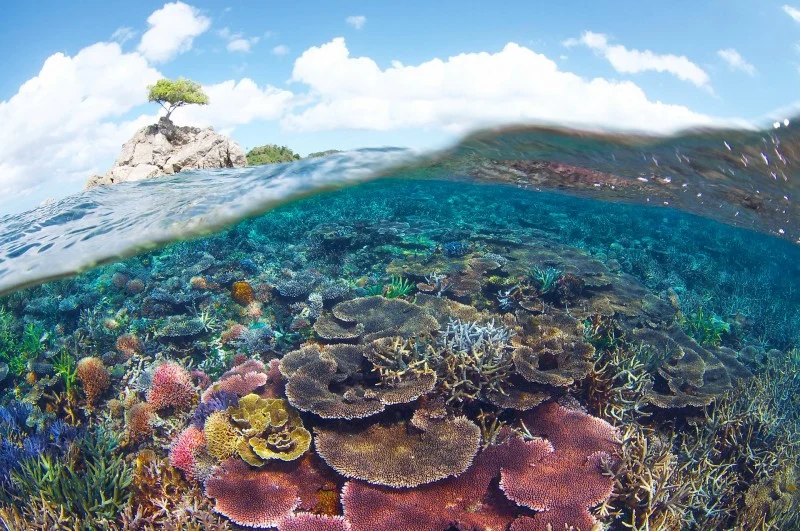
Tun Mustapha Park is home to a remarkable range of marine life and coastal ecosystems. The protected area contains more than 250 species of coral and over 300 species of fish, making it one of the richest marine habitats in the region.
The park also protects endangered species such as green turtles and dugongs, alongside vital ecosystems including seagrass beds and mangrove forests. These habitats are essential not only for marine biodiversity but also for coastal protection and carbon storage.
For eco-travellers and marine enthusiasts, the park offers breathtaking underwater scenery filled with vibrant coral reefs and diverse sea life.
4. Sustainable Fishing Is Still Allowed
Unlike fully restricted marine reserves, Tun Mustapha Park adopts a balanced conservation model that supports both environmental protection and local livelihoods.
More than 80,000 people live within and around the park area, with many communities relying heavily on fisheries for their income and daily sustenance. To ensure long-term sustainability, fishing activities are permitted in designated zones under regulated management practices.
This approach helps combat destructive activities such as overfishing, blast fishing, and marine pollution while allowing local communities to continue benefiting from marine resources responsibly.
5. It Is Emerging as a Sustainable Tourism Destination
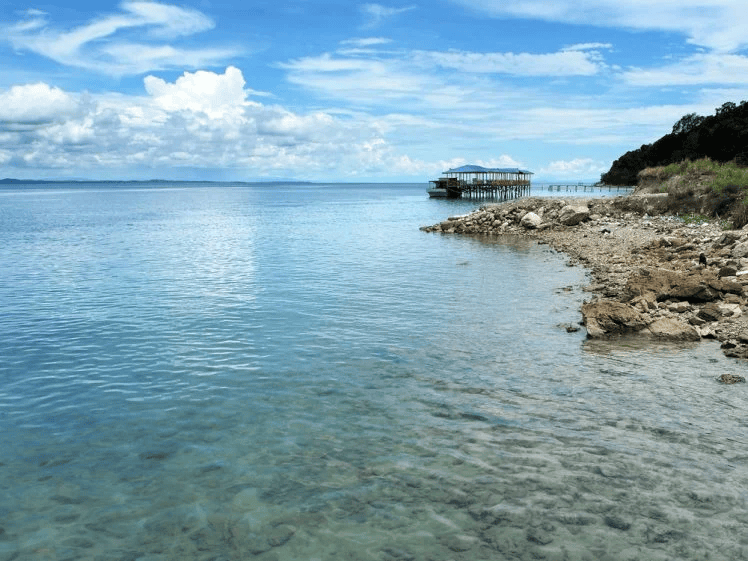
Beyond conservation, Tun Mustapha Park is becoming an important destination for eco-tourism and community-based tourism in Sabah.
Visitors can experience a range of sustainable tourism activities including homestays, mangrove tours, turtle conservation programmes, birdwatching experiences, snorkelling excursions, and volunteering opportunities. These activities not only offer immersive travel experiences but also create economic opportunities for local communities.
Tun Mustapha Park highlights how responsible tourism can support environmental conservation while uplifting coastal communities. As travellers become increasingly conscious of sustainability, destinations like this serve as inspiring examples of how tourism and nature preservation can coexist harmoniously.
Protecting nature begins with awareness and responsible action. Whether travelling or at home, adopting sustainable practices remains essential in preserving the environment for future generations.
Source: Malaysia Tourism