Source: Viet Nam National Authority of Tourism
From protected forests and coral gardens to pepper farms and fishing villages, Vietnam’s Pearl Island offers a deeper connection with nature, culture and local life.
Phu Quoc, Vietnam’s famed “Pearl Island”, is widely celebrated for its white-sand beaches, turquoise waters and spectacular sunsets. Yet beyond its postcard-perfect coastline lies an island shaped by forests, marine ecosystems, agriculture and generations of local traditions. For travellers seeking more than a conventional beach escape, Phu Quoc offers an opportunity to experience Vietnam’s natural beauty at a slower and more immersive pace.
Exploring the Island’s Forests

Source: Viet Nam National Authority of Tourism
The northern part of Phu Quoc is home to dense forests and Phu Quoc National Park, where visitors can discover a diverse landscape of evergreen forests, grasslands, palm vegetation and mangroves. Several protected areas, including Bai Thom, Cua Duong, Ham Ninh and Ganh Dau, offer opportunities for hiking, cycling, camping and bird-watching.
For a gentler experience, the Ganh Dau trail winds through impressive old trees, while Suoi Tranh Waterfall provides a refreshing setting surrounded by greenery and natural streams. More experienced hikers can explore the Ham Ninh mountain trail for views across the island and towards the sea.
Discovering Life Beneath the Waves
Source: Viet Nam National Authority of Tourism
Phu Quoc’s natural attractions extend far beyond its shores. The island forms part of the Kien Giang Biosphere Reserve, where coastal and marine ecosystems support extensive coral reefs and diverse marine life.
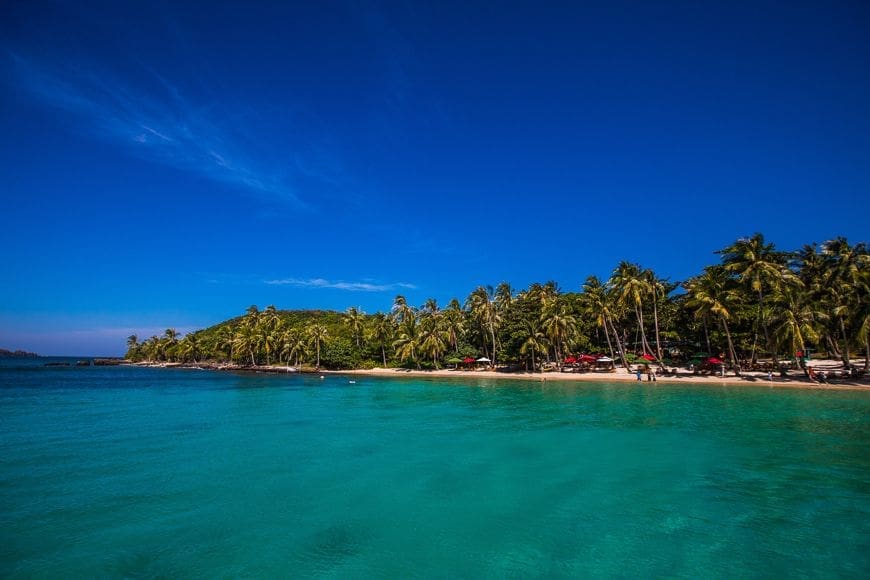
Around Ganh Dau, Ham Ninh and the An Thoi Archipelago, visitors can explore colourful coral gardens through snorkelling and other marine activities. Starfish Beach near Rach Vem Village is another popular natural attraction, known for its clear waters and white sands. At certain times of the year, travellers may even witness bioluminescent plankton illuminating the shallow waters after dark.
From Pepper Farms to Fish Sauce
Source: Viet Nam National Authority of Tourism
Phu Quoc’s connection with nature is also reflected in its agricultural traditions. The island’s fertile soil and tropical climate have long supported pepper cultivation, with local farms offering visitors an opportunity to learn how the aromatic spice is grown and harvested.
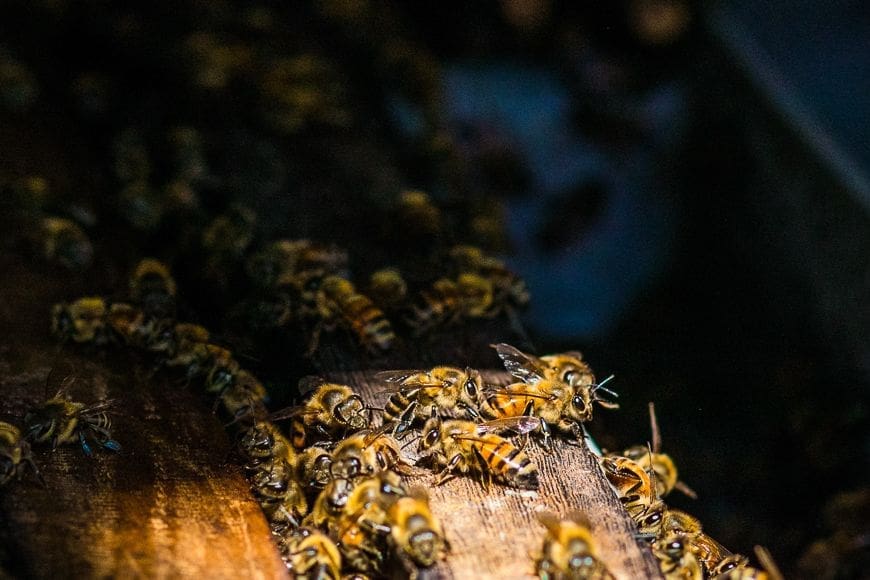
Honey production is another part of the island’s agricultural landscape, while Phu Quoc’s renowned fish sauce remains one of its most distinctive culinary traditions. Visitors can explore the traditional production process, from anchovy fishing through fermentation and bottling, and discover why the island’s fish sauce has become an important Vietnamese culinary export.
Experiencing Phu Quoc’s Fishing Heritage

Source: Viet Nam National Authority of Tourism
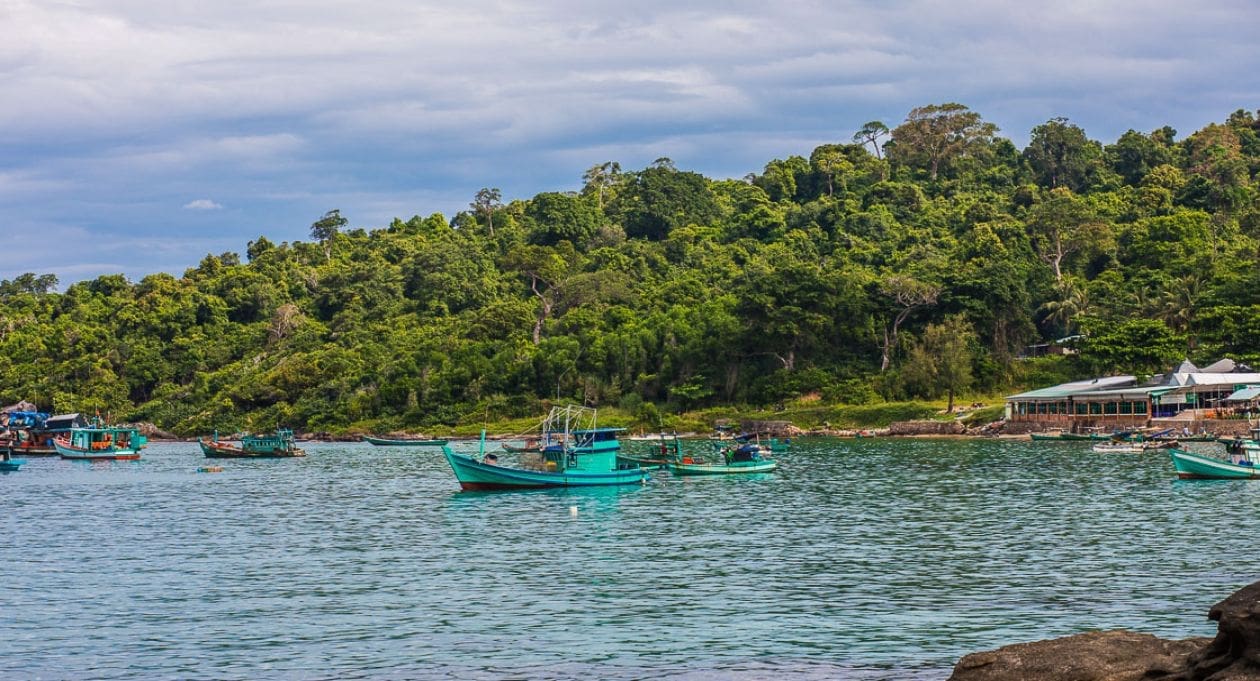
Away from the resort areas, Phu Quoc’s fishing villages provide a glimpse into the island’s everyday life. Villages such as Cua Can, Rach Tram and Ham Ninh retain strong connections to the sea, with colourful boats lining their waterfronts and fishing continuing to play an important role in local communities.
A visit to Duong Dong seafood market offers another way to experience the island’s maritime culture. Fresh catches are prepared in a variety of traditional styles, from grilled and steamed seafood to local specialities such as raw herring salad and grilled oysters.
A Different Side of the Pearl Island

Source: Viet Nam National Authority of Tourism
Phu Quoc’s appeal lies not only in its beaches, but in the relationship between its landscapes, communities and traditions. From walking beneath the canopy of its northern forests and exploring coral reefs to visiting pepper farms and meeting fishing communities, the island presents a more layered experience of southern Vietnam.
For travellers looking to combine relaxation with nature, culture and authentic local experiences, Phu Quoc offers a destination where the beauty of the island can be discovered both above and below the water.
Source: Viet Nam National Authority of Tourism