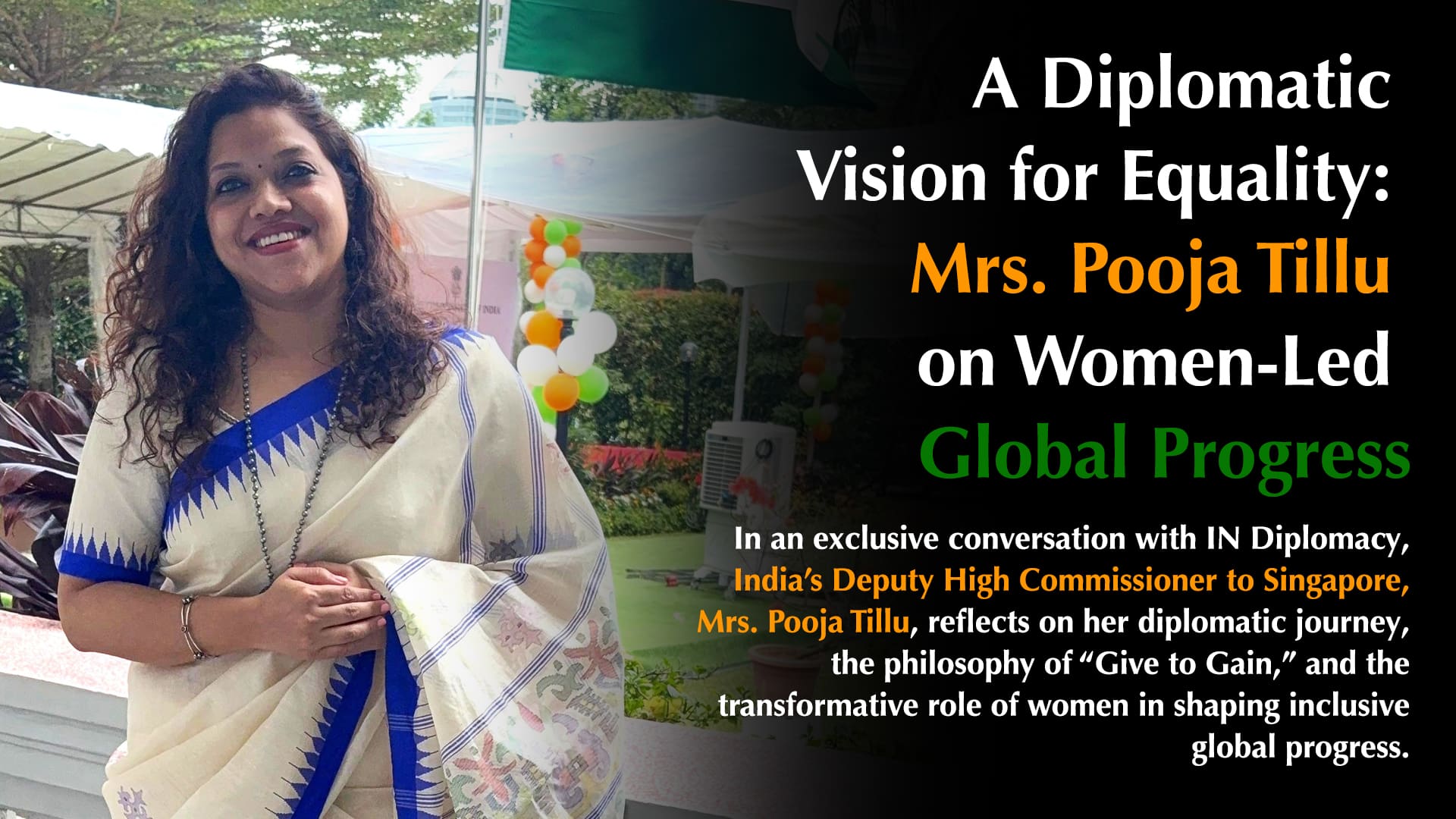
In an exclusive conversation with IN Diplomacy, India’s Deputy High Commissioner to Singapore, Mrs. Pooja Tillu, reflects on her diplomatic journey, the philosophy of “Give to Gain,” and the transformative role of women in shaping inclusive global progress.
As a distinguished member of the Indian Foreign Service, the Deputy High Commissioner of India to Singapore, Mrs. Pooja Tillu, represents a new generation of diplomats shaping international relations through both policy and purpose. Since joining the service in 2009, she has built a diverse and impactful career spanning economic diplomacy, regional engagement, and development cooperation. Her current role in Singapore places her at the heart of one of Asia’s most dynamic diplomatic corridors, where she continues to strengthen bilateral ties while championing inclusive and people-centric diplomacy.
In a thoughtful conversation with IN Diplomacy’s Editor-in-Chief, Ms. Nomita Dhar, she shared reflections on her professional journey, the evolving role of women in diplomacy, and the broader significance of collaboration in international relations. The discussion traversed themes of regional cooperation, women-led development, and India’s approach to building trust through sustained engagement and mutual support.
Growing up in Mumbai, she was surrounded by strong female role models who shaped her outlook on leadership and resilience. With a grandmother who served as a school principal, a mother with a long-standing career in the public banking sector, and a sister who built her own medical practice, she witnessed firsthand the impact of women’s empowerment across generations. These early influences instilled in her a deep belief in the capacity of women to lead and transform societies, a belief that would later inform her work in diplomacy.
Her career trajectory reflects both depth and diversity. Beginning with her early posting in Frankfurt, she was exposed to the complexities of economic diplomacy in one of Europe’s leading financial centres. “It was a wonderful learning experience,” she noted, highlighting her engagement with trade delegations and business stakeholders. Subsequent assignments in New Delhi’s Eurasia Division and later in the Maldives, where she oversaw commerce and development assistance, further broadened her perspective. Each posting, she emphasised, brought unique challenges and learning opportunities, contributing to what she described as an “enriching experience thus far.”
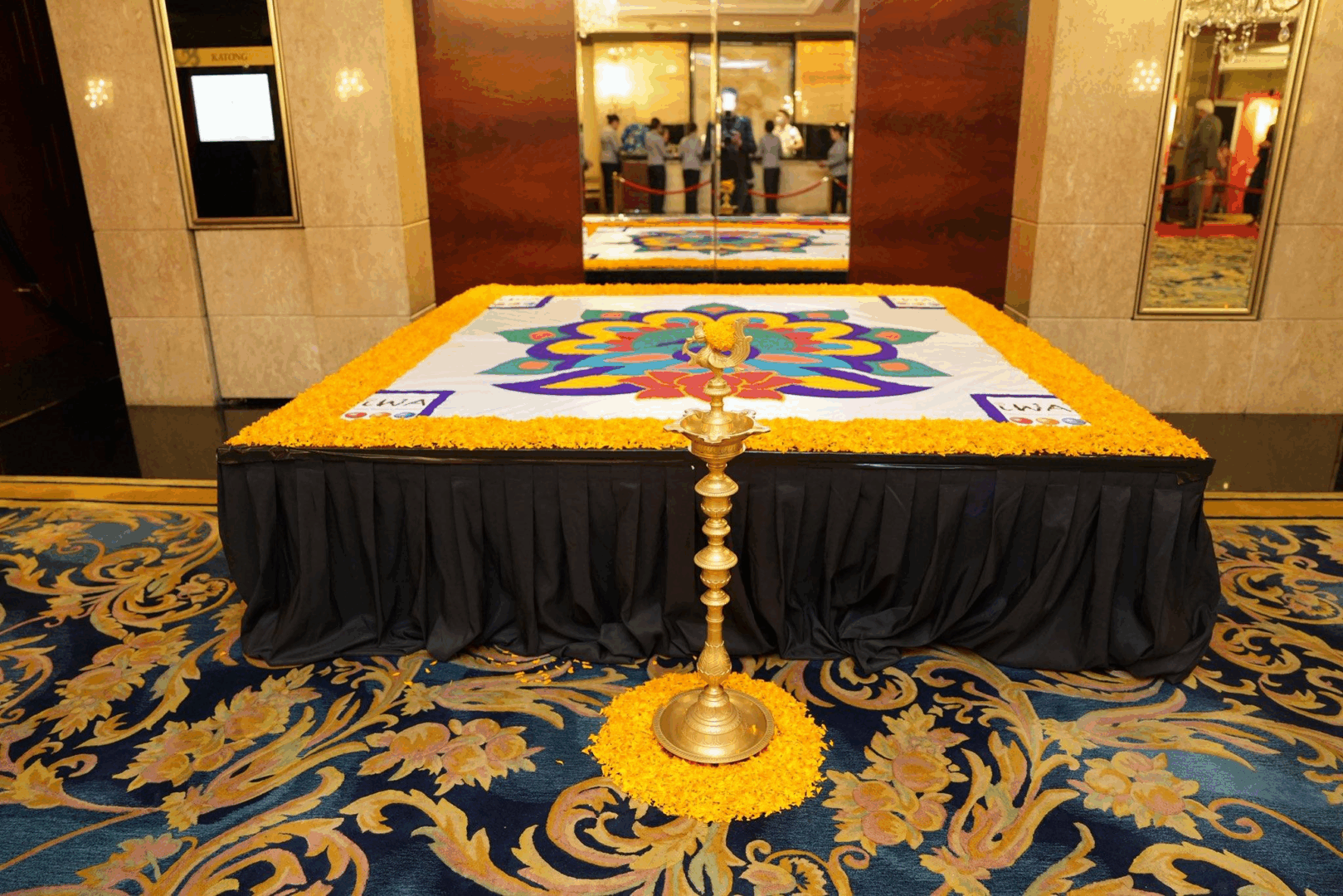
A key theme emerging from the conversation was India’s collaborative approach to diplomacy, which she described as deeply embedded in the country’s diplomatic ethos. Moving beyond transactional frameworks, she explained that this principle underpins India’s ‘Neighbourhood First’ policy, where trust is built through assistance, responsiveness, and goodwill. “It means moving away from a competition mindset towards one of collaboration,” she said, adding that such an approach is equally vital in advancing women’s empowerment. By sharing knowledge and uplifting one another, women can collectively expand opportunities and leadership pathways.
Source/High Commission of India in Singapore
She also highlighted India’s evolving development narrative, where the focus has shifted from women’s development to women-led development. Addressing persistent challenges such as labour force participation, digital access, and safety, the Government of India has implemented a range of initiatives aimed at empowering women across sectors. From financial inclusion programmes that have significantly increased women’s access to banking, to education campaigns improving school enrolment and gender ratios, these policies reflect a systemic commitment to inclusive growth.
One notable initiative she pointed to was the “Lakhpati Didi” programme, which has enabled millions of rural women to establish micro-enterprises and achieve financial independence. By equipping women with practical skills, from tailoring to drone operation, the initiative demonstrates how targeted interventions can transform livelihoods and communities.
Beyond domestic initiatives, her work also extends to supporting Indian nationals abroad. She highlighted the recent launch of a One Stop Centre at the High Commission in Singapore, designed to assist women in distress. Offering integrated services including legal aid, counselling, and emergency support, the centre reflects India’s commitment to safeguarding its citizens while promoting gender-sensitive diplomacy.

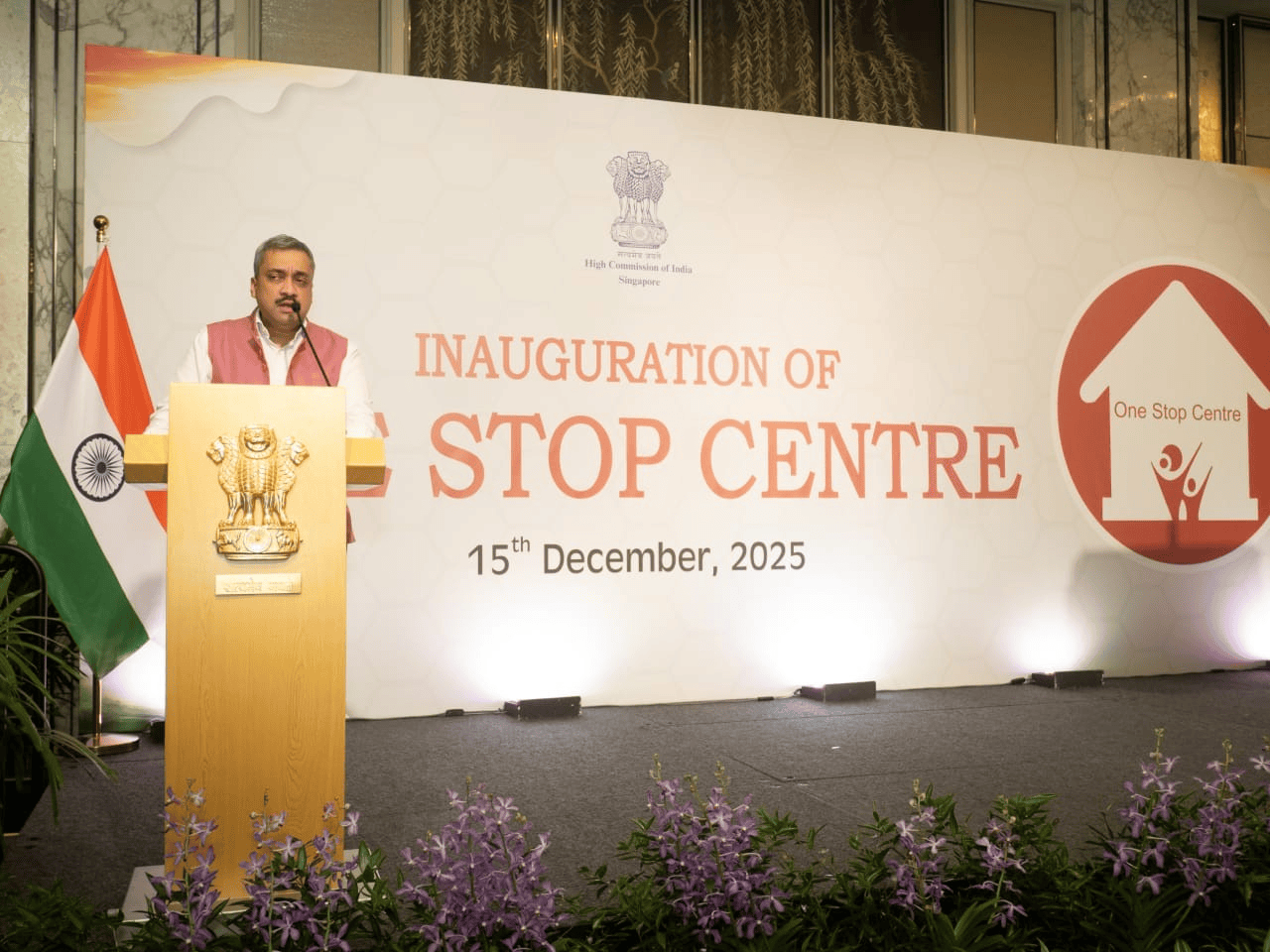
India High Commission launched the ‘One Stop Centre’ in Singapore. It will be a dedicated office to support Indian women in distress by offering legal, medical, and psychological assistance.
Source/High Commission of India in Singapore
Reflecting on broader societal change, she acknowledged that women must also play an active role in dismantling structural inequalities. “It is only after we shed our own prejudices and recognise our true potential that we can contribute better towards a more equal society,” she remarked. This perspective underscores the importance of both institutional support and individual agency in driving meaningful progress.
In discussing regional and global cooperation, she emphasised that diplomacy today requires adaptability, empathy, and sustained dialogue. Whether through bilateral partnerships or regional frameworks, collaboration remains essential in addressing shared challenges and advancing collective prosperity.
Concluding the conversation, she shared her vision of an ideal future, one where gender does not define or limit opportunity. In such a world, she noted, “the sky should be the only limit” for the next generation. Her reflections capture a broader truth: that diplomacy, at its core, is not only about negotiations between states, but also about building a more inclusive and equitable world.