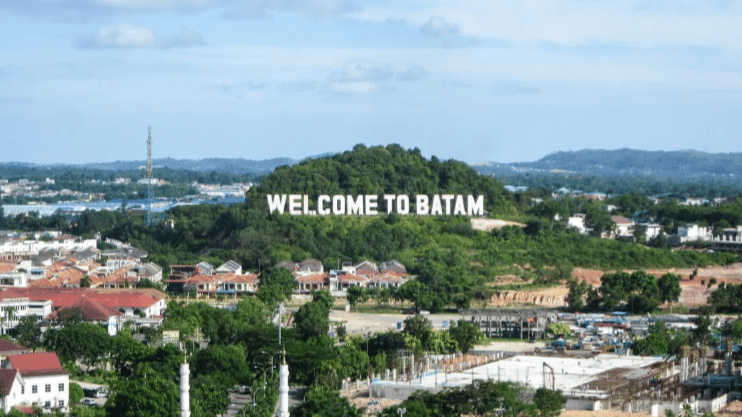
Singapore manufacturers are being encouraged to explore expansion into the Batam, Bintan and Karimun region. Industry leaders say BBK offers lower costs, strong trade links and strategic advantages for regional growth.
Singapore manufacturers were encouraged to consider expanding into the Batam, Bintan and Karimun (BBK) region during the SMF BBK Seminar held on 24 March 2026 at the Singapore Manufacturing Federation.
The seminar highlighted growing opportunities in Indonesia’s Riau Islands, which are expected to attract US$5.7 billion in investments by 2025. This would exceed the Indonesian government’s target of US$5.03 billion. Singapore companies were also noted to have contributed around 69 per cent of BBK’s total investments in the previous year.
Industry speakers said the BBK region is becoming more attractive for Singapore firms due to its role in the Singapore-Johor-Riau Islands Growth Triangle. This regional network is seen as a strong platform for cross-border manufacturing and business expansion.
One key advantage raised at the seminar was cost savings. Land and labour costs in BBK are lower than in Singapore, which can help companies reduce operating expenses. The region’s close distance to Singapore, with ferry travel taking between 40 and 90 minutes, also makes it convenient for businesses to manage operations.
Trade opportunities were another major point. Indonesia has signed trade agreements with 37 countries, with more under discussion. This gives businesses access to lower tariffs and smoother export processes.
The BBK region also has at least five Special Economic Zones (SEZs) focused on key industries. These zones offer incentives such as tax benefits, faster permit approvals, easier licensing and dedicated infrastructure to attract investors.
Speakers also promoted a “twinning strategy” for manufacturers. This approach allows companies to keep headquarters and research and development functions in Singapore while moving larger-scale manufacturing and digital operations to BBK. Industry leaders said this can help firms benefit from Singapore’s strengths in innovation while using BBK’s cost advantages.
However, manufacturers were advised to study local conditions carefully. Melvin Tan, vice-president and honorary secretary of the Singapore Manufacturing Federation, noted that grid reliability can vary across areas, and businesses should assess infrastructure limits before making decisions.
Some concerns were also raised about competition between BBK and the Johor-Singapore Special Economic Zone. However, speakers said both should be seen as complementary rather than competing regions, helping to form a stronger integrated production hub in ASEAN.
The seminar concluded that BBK presents a growing opportunity for Singapore manufacturers looking to expand, improve efficiency and strengthen their regional supply chains.
Source: SMF