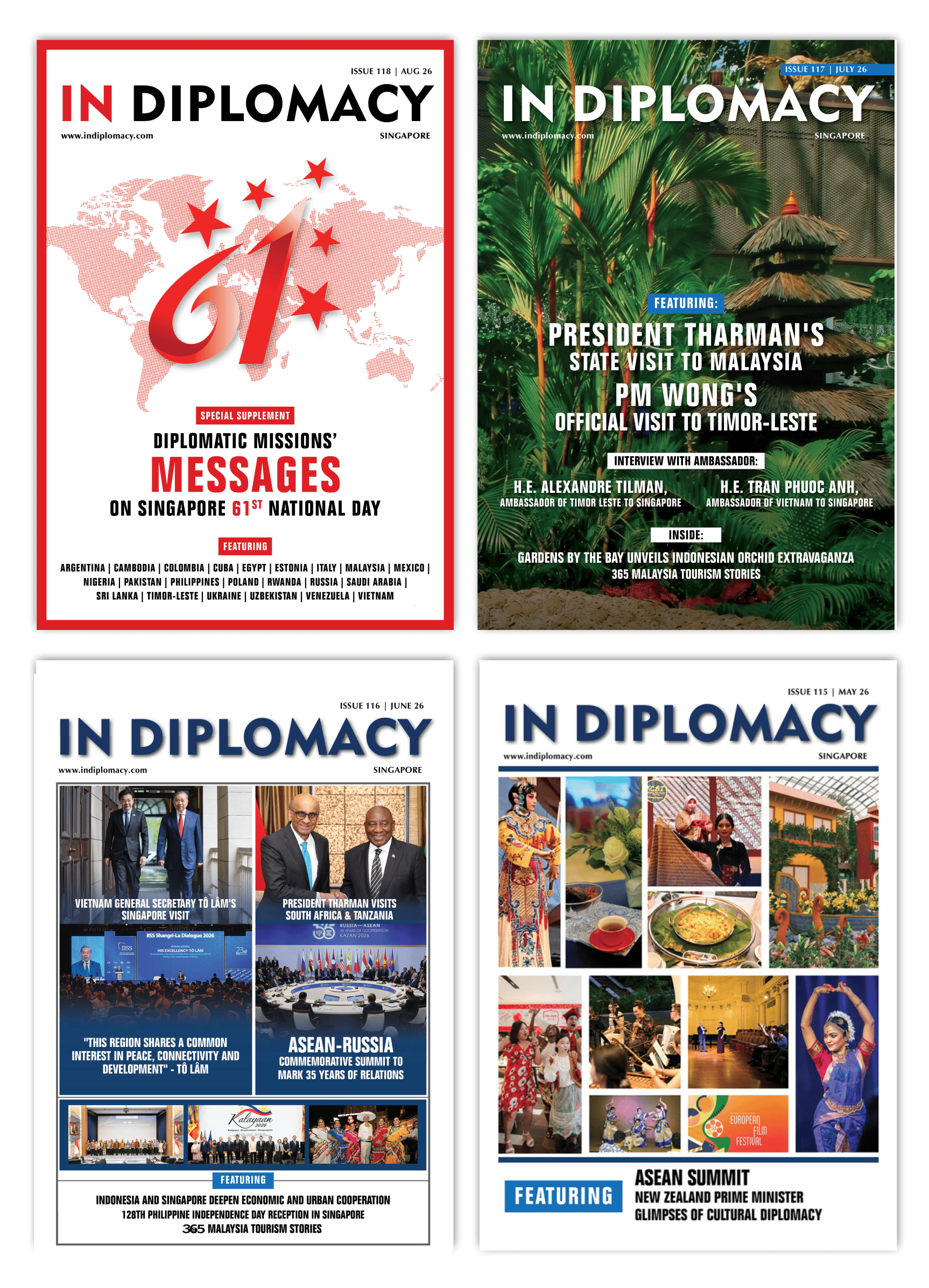
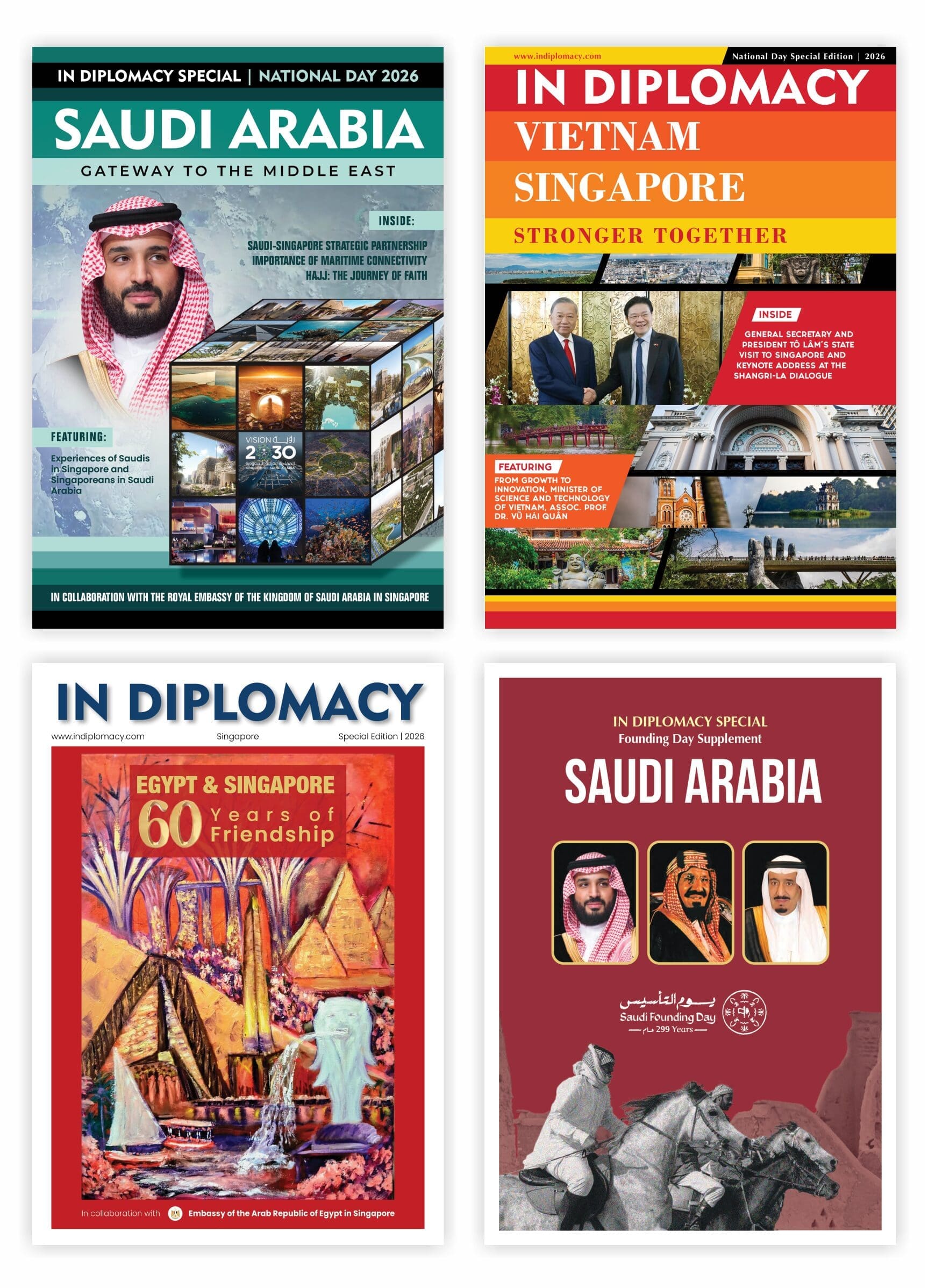
Speaking at the 23rd IISS Shangri-La Dialogue in Singapore, His Excellency Tô Lâm, General Secretary of the Central Committee of the Communist Party of Viet Nam and President of the Socialist Republic of Viet Nam, urged nations to strengthen trust, uphold international law and work together to prevent conflict in an increasingly uncertain world.
His Excellency Tô Lâm, General Secretary of the Central Committee of the Communist Party of Viet Nam and President of the Socialist Republic of Viet Nam, called on nations to advance a shared vision for peace, stability and development during his keynote address at the 23rd IISS Shangri-La Dialogue in Singapore.

Addressing defence leaders, policymakers and security experts from across the world, Tô Lâm said the international community is facing increasing instability driven by what he described as three “foundational crises” — a crisis of the international order, a crisis of development models and a crisis of strategic trust.
He warned that these challenges are particularly visible in the Asia-Pacific region, where geopolitical competition, economic pressures and declining trust between nations are creating new risks to regional and global stability.
Calling for the preservation of a rules-based international order, Tô Lâm stressed the importance of international law, peaceful dispute resolution and respect for national sovereignty. He also reaffirmed support for ASEAN centrality and highlighted the role of dialogue and preventive diplomacy in reducing tensions and preventing conflicts.

The Vietnamese leader urged countries to establish responsible norms for emerging technologies, including artificial intelligence, cybersecurity, autonomous systems and quantum technologies, warning that technological advances must remain under meaningful human oversight.
Addressing the role of major powers in the region, Tô Lâm said the Asia-Pacific does not seek the dominance or exclusion of any country but rather responsible engagement.
“What the region seeks is neither the mere presence nor absence of any major power. What it seeks is responsible commitment,” he said. “We recognise that competition is an enduring reality of international relations, but competition must remain bounded by law, guided by transparency and exercised with restraint.”
Source and Photos Credit: IISS