Global leaders, mayors, experts and young professionals gathered in Singapore to advance collaboration on liveable, sustainable and resilient cities
The 10th edition of the World Cities Summit (WCS 2026) concluded in Singapore after three days of discussions and exchanges among city leaders, policymakers, academics, industry representatives and young professionals. Held under the theme “Liveable and Sustainable Cities: ACT Now! Accelerate, Collaborate, and Transform”, the summit focused on translating national priorities into practical urban solutions and strengthening international cooperation to address common challenges.

Ahead of the main summit, the WCS Young Leaders Symposium convened 110 emerging leaders from government, business and academia on 14 June, while the Science of Cities Symposium assembled researchers, city leaders and industry experts to discuss data-driven and human-centred urban systems. The 15th Mayors Forum also provided a platform for mayors and city leaders to exchange experiences on affordable housing, urban energy transition, water resilience and municipal services.
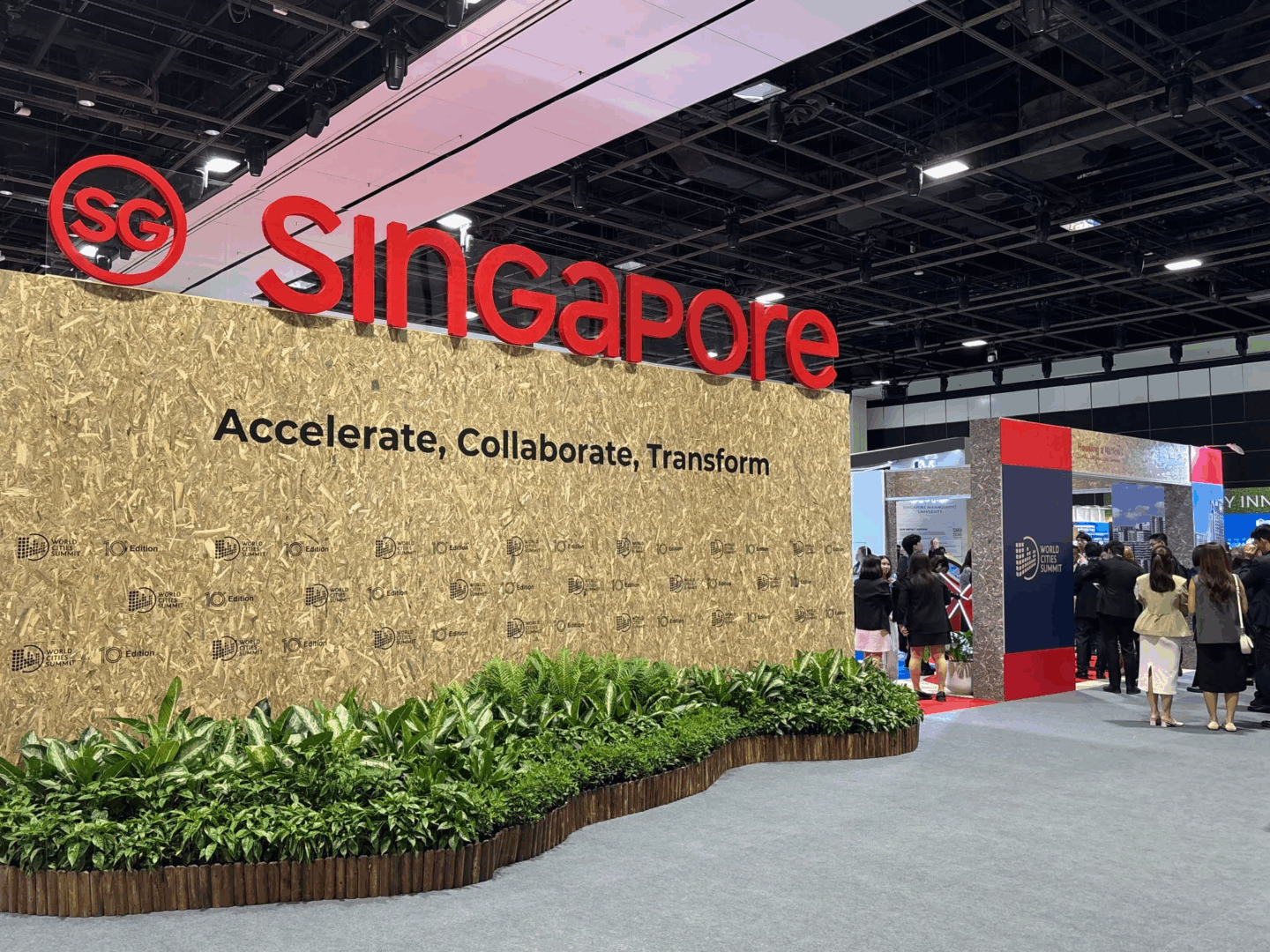

Singapore’s exhibition pavilion and other showcases highlighted innovations and urban solutions developed through collaboration among the public sector, industry, academia and communities. More than 80 research abstracts were presented during the Science of Cities Symposium poster exhibition, while publications on regenerative urban development, nature conservation and future city planning were launched during the Mayors Forum.

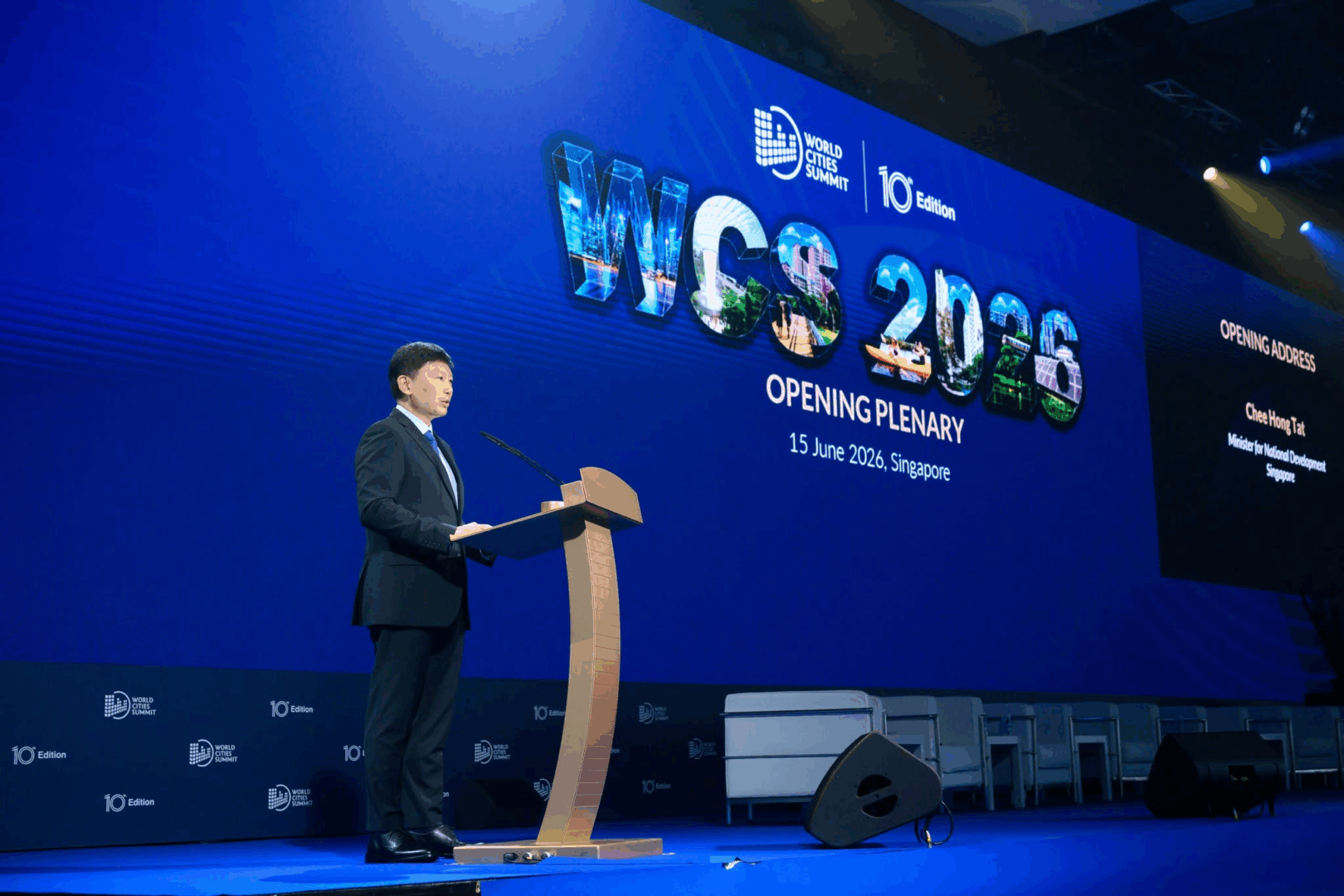


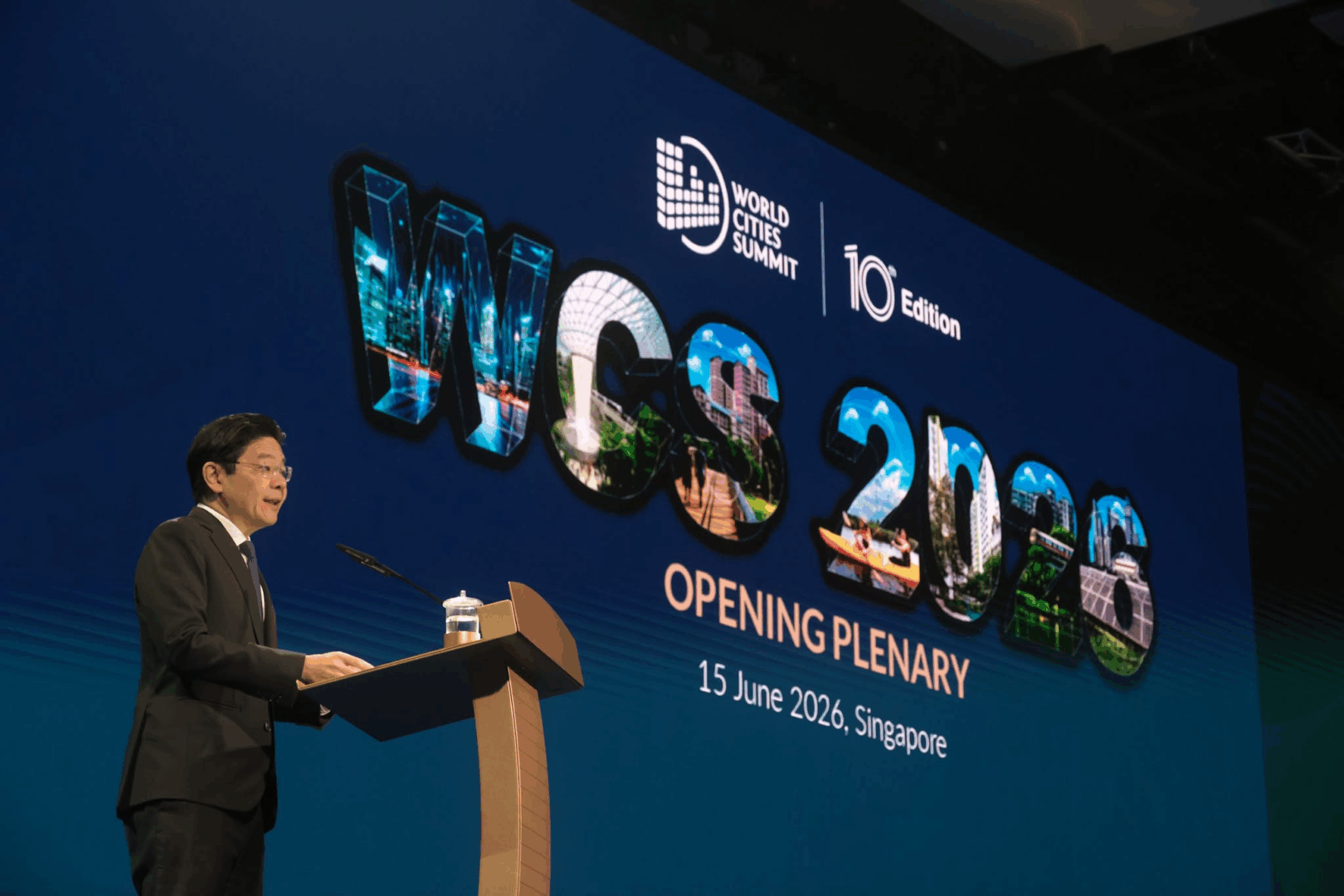
The summit opened on with the plenary session titled “From Aspiration to Acceleration: Implementing National Policies in Urban Contexts”. Minister for National Development Chee Hong Tat said that liveable cities encompassed not only infrastructure, but also green and recreational spaces that enhance wellbeing and foster social cohesion. In a special address, Prime Minister and Finance Minister for Singapore, Lawrence Wong, also emphasised how “city-to-city cooperation matters more than ever in a world that feels more divided and fragmented. Between countries, governments may not always see eye to eye on every geopolitical issue. But cities can still find common ground, exchange practical ideas, and learn from one another’s experiences.”

Discussions throughout the second day examined urban health, regenerative development, climate finance, resilience and investment. The Lee Kuan Yew World City Prize Lecture featured presentations from laureate and special mention cities, while several memoranda of understanding were signed to strengthen cooperation and knowledge exchange.
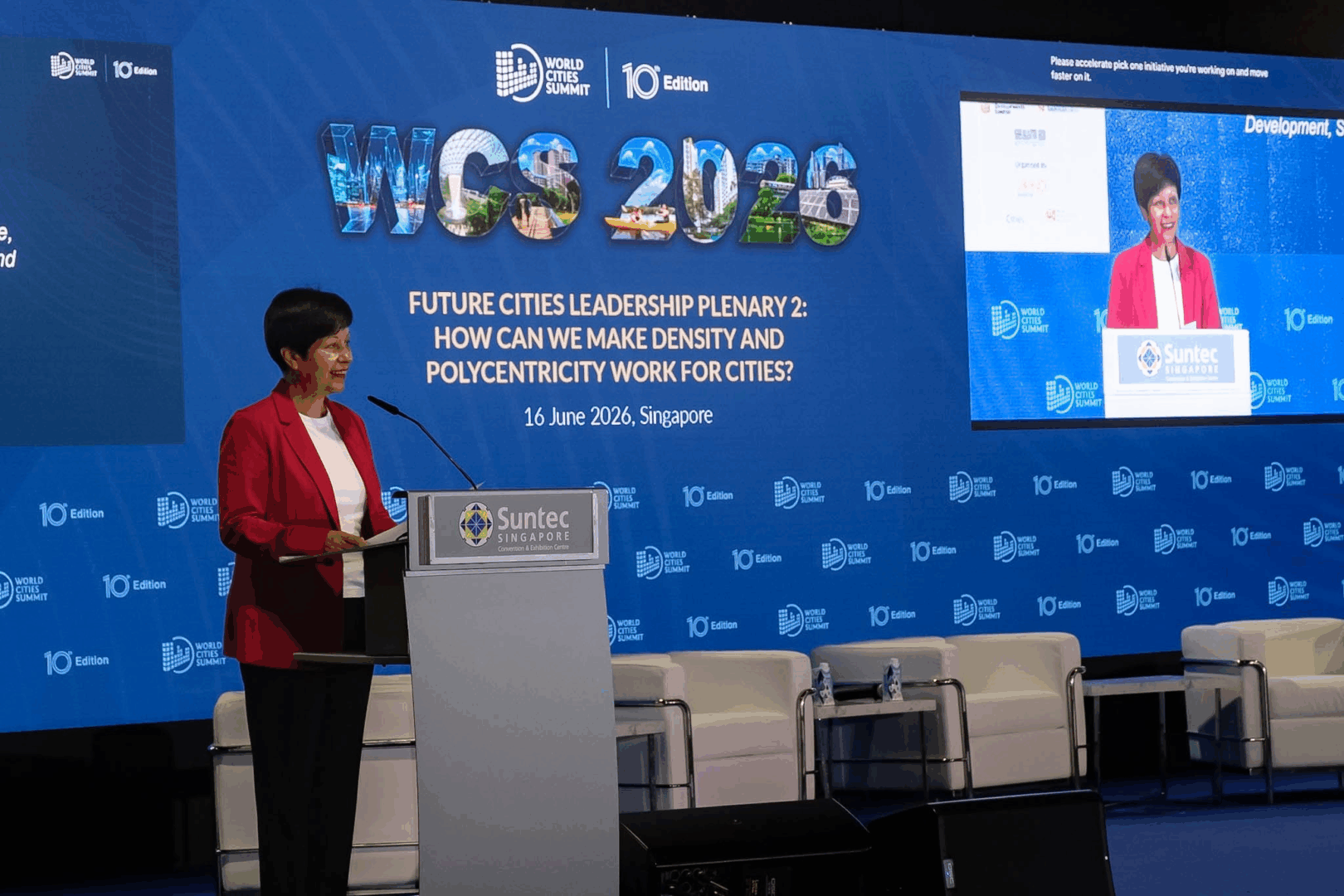
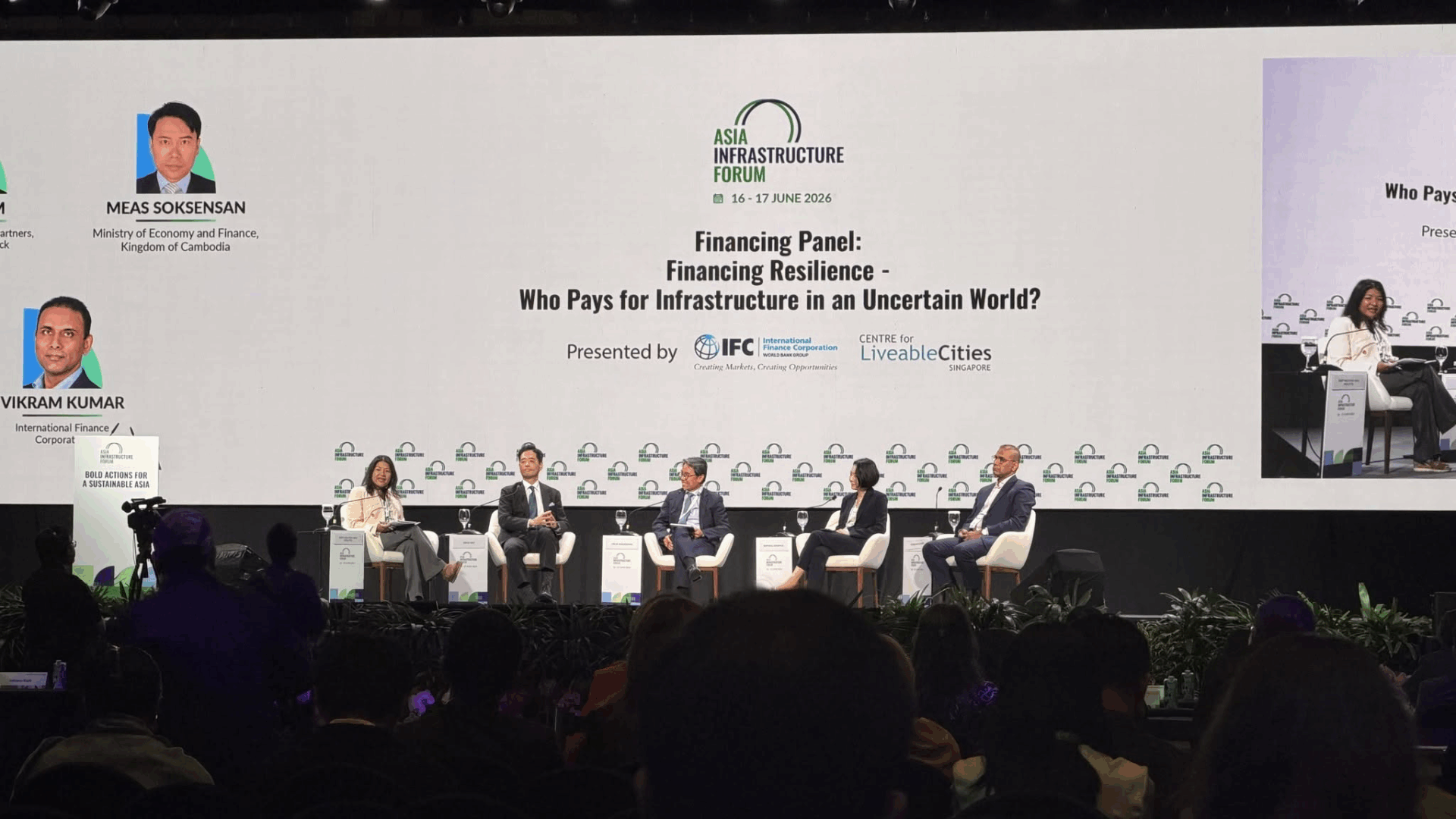

On the final day, delegates explored pathways for circular urban development, sustainable neighbourhood renewal and the role of technology in shaping future cities. Sessions led by the United Nations Development Programme and Singapore’s Housing and Development Board addressed policy frameworks, digital innovation and strategies for revitalising ageing estates. A formal debate on robotics and automation examined the implications of emerging technologies for urban life, while discussions led by the National Parks Board highlighted the role of ecosystem restoration and biodiversity in promoting healthier and more resilient communities.
Young leaders also shared perspectives on civic initiatives and future urban challenges during the “Fan the Flame: Young Leaders’ Insights” session. The closing Future Cities Plenary, themed “ACT Now!”, examined how polycentric development and integrated planning could support sustainable growth and improve residents’ quality of life.
As the summit concluded, participants emphasised the importance of translating knowledge into action to address rapid urbanisation, climate resilience and inclusive development. The partnerships and exchanges established during World Cities Summit 2026 are expected to support continued collaboration and contribute to more liveable, sustainable and resilient cities worldwide.
Source: