Source: The Saudi Press Agency (SPA)
Historic Jeddah’s traditional architecture uses shade, airflow and materials to reduce heat.
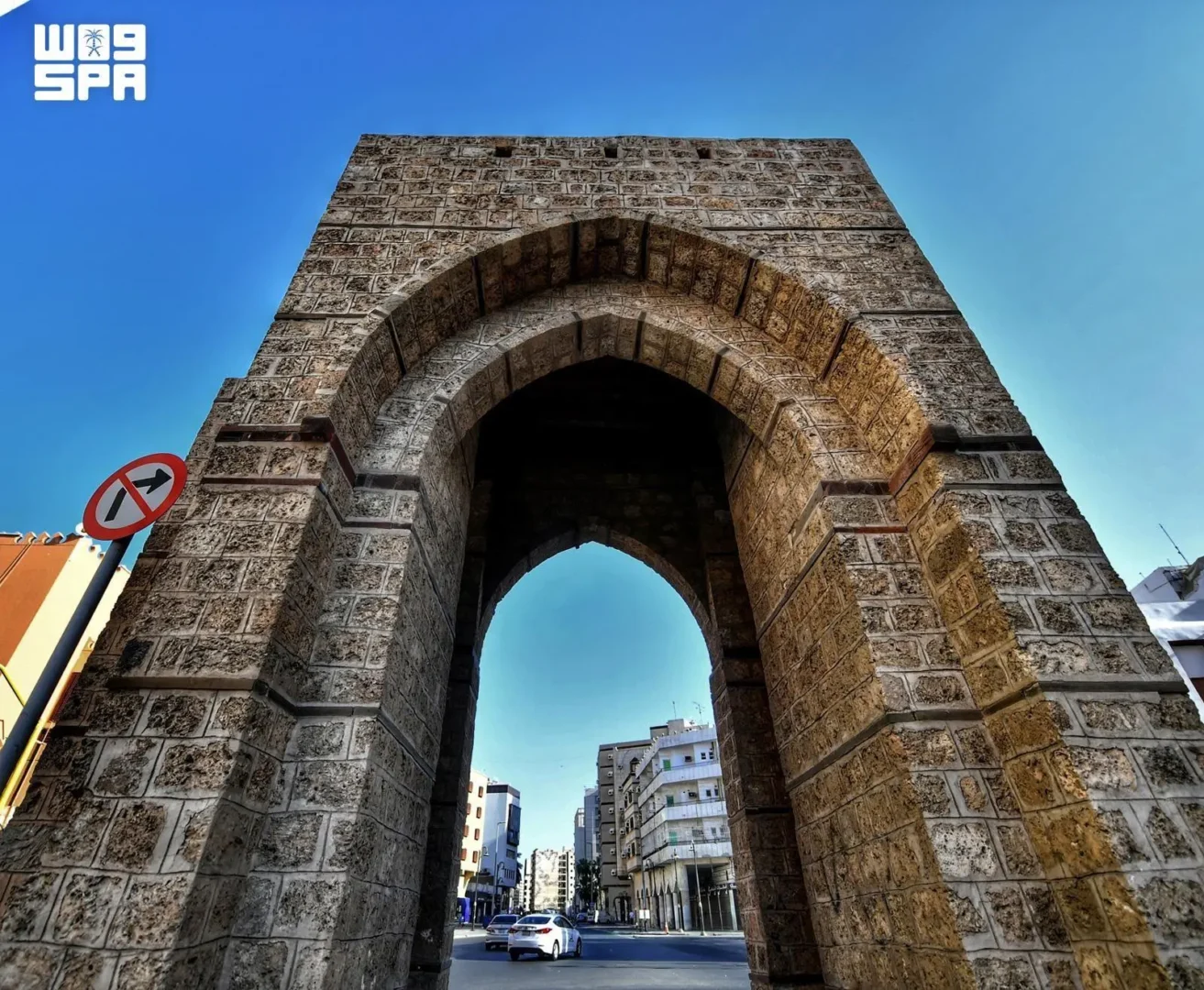
Historic Jeddah’s narrow alleyways, shaded arcades and closely clustered buildings demonstrate traditional architectural techniques developed to mitigate the intense summer heat and humidity of the coastal city. The district’s urban design uses local materials, shading and natural airflow to reduce direct solar radiation and improve thermal conditions without modern air conditioning.
Builders used local coral stone and timber to create an integrated approach to urban cooling. Densely arranged multi-storey buildings provided mutual shade, while covered walkways reduced exposure to direct sunlight along pedestrian routes. The narrow alleys also helped channel sea breezes through the district, supporting natural ventilation within the urban environment.
Projecting wooden latticework windows, known as mashrabiyas or rawashin, complemented the design of the buildings. These structures helped regulate airflow and provide diffused natural light while maintaining privacy for residents. Their projecting forms also cast broad shadows over exterior walls and streets, contributing to the cooling of surrounding spaces.
The architectural features reflect an approach to adapting buildings and urban spaces to Jeddah’s coastal climate. The combination of building density, shaded pedestrian routes, natural ventilation and locally available materials created a distinctive built environment suited to the region’s climatic conditions.
Known as “Historic Jeddah, the Gate to Makkah”, the district has been inscribed on the UNESCO World Heritage List since 2014. Its architecture provides an example of traditional climate adaptation and represents part of Jeddah’s tangible cultural heritage.
The Ministry of Culture continues efforts to safeguard and revitalise Historic Jeddah under the National Culture Strategy and Saudi Vision 2030. These efforts seek to preserve the district’s historic character while supporting contemporary cultural tourism.
The continued revitalisation of Historic Jeddah highlights the role of traditional architectural knowledge in understanding how historic urban environments responded to local climatic conditions. Its coral stone buildings, timber elements, shaded passages and wooden latticework remain defining features of the historic district.
Source: The Saudi Press Agency (SPA)