Discover Sabah’s largest national park, where rich biodiversity, scenic rainforest landscapes and outdoor adventures offer visitors an opportunity to experience Borneo’s natural heritage.
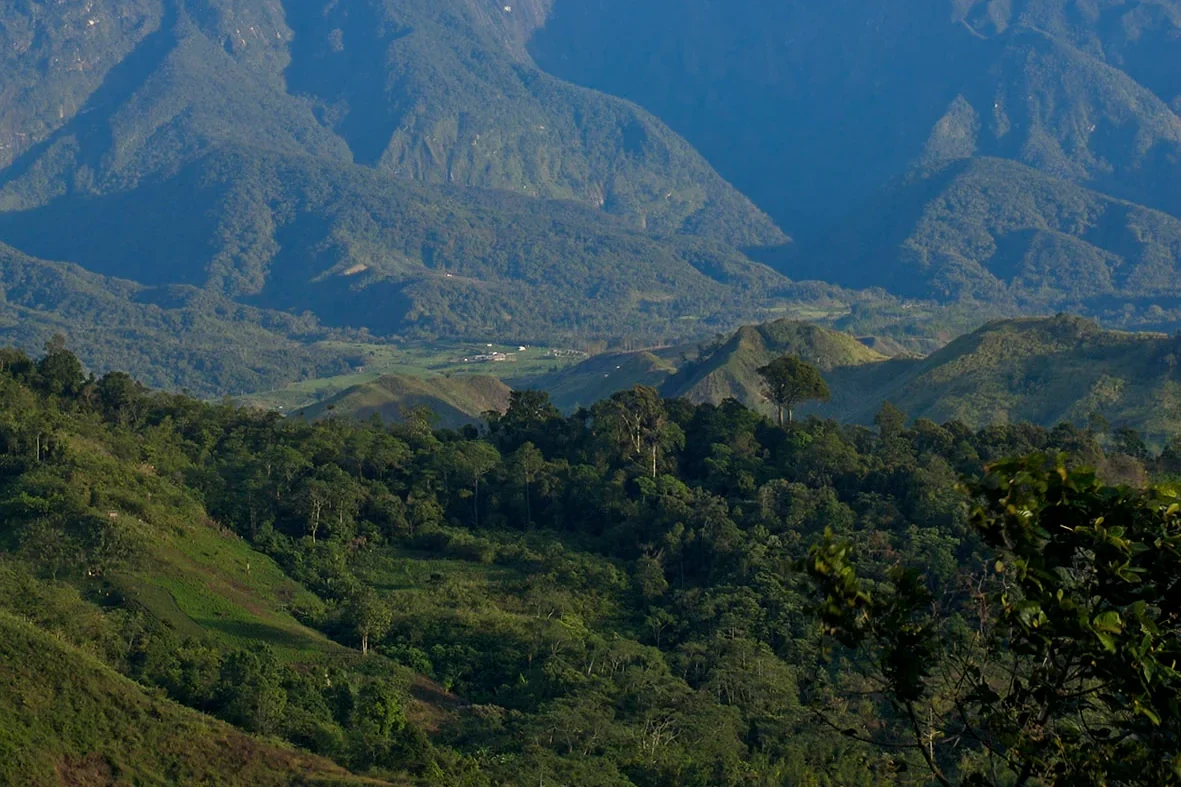
Established in 1984, Crocker Range National Park is the largest national park in Sabah, covering approximately 139,919 hectares. Recognised as a UNESCO Biosphere Reserve, the park is one of Malaysia’s important natural conservation areas, encompassing diverse ecosystems that extend from lowland tropical forests to higher montane forests.
Located approximately two hours from Kota Kinabalu, the park is home to a remarkable diversity of rare and endemic plant and wildlife species. Its expansive rainforest, pristine rivers, deep valleys and mountainous landscapes make it an appealing destination for nature enthusiasts, wildlife observers and outdoor adventurers.
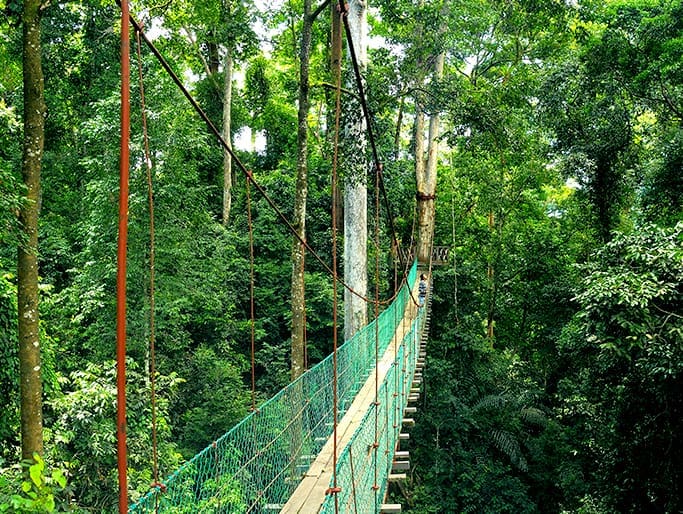
The park is particularly notable for its birdwatching opportunities. Visitors may encounter a variety of bird species, including Asian paradise flycatchers, buff-rumped woodpeckers, bulbuls, hornbills, Pacific swallows and chestnut munias. Its diverse habitats also support a range of wildlife, including orangutans, gibbons, tarsiers and long-tailed macaques.
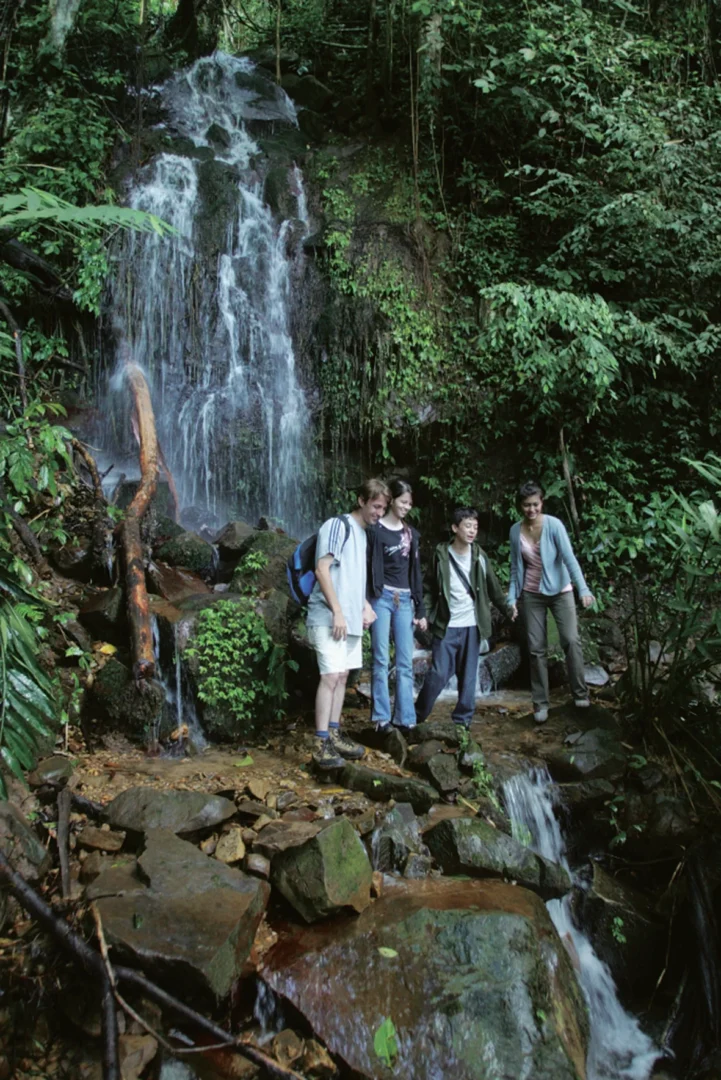
For visitors seeking an outdoor challenge, the Salt Trail offers an opportunity to explore the park on foot. Traditionally used by village traders, this approximately 34-kilometre trekking route begins at Inobong and ends at Tikolod. The trail takes hikers through rugged pathways, muddy river valleys and forested terrain, while offering glimpses of traditional village life along the way.
Another attraction for adventure seekers is the Padas River, which flows through the Crocker Range area and is recognised for its white-water rafting opportunities. The river provides an exciting experience for visitors looking to explore Sabah’s natural landscapes through outdoor activities.
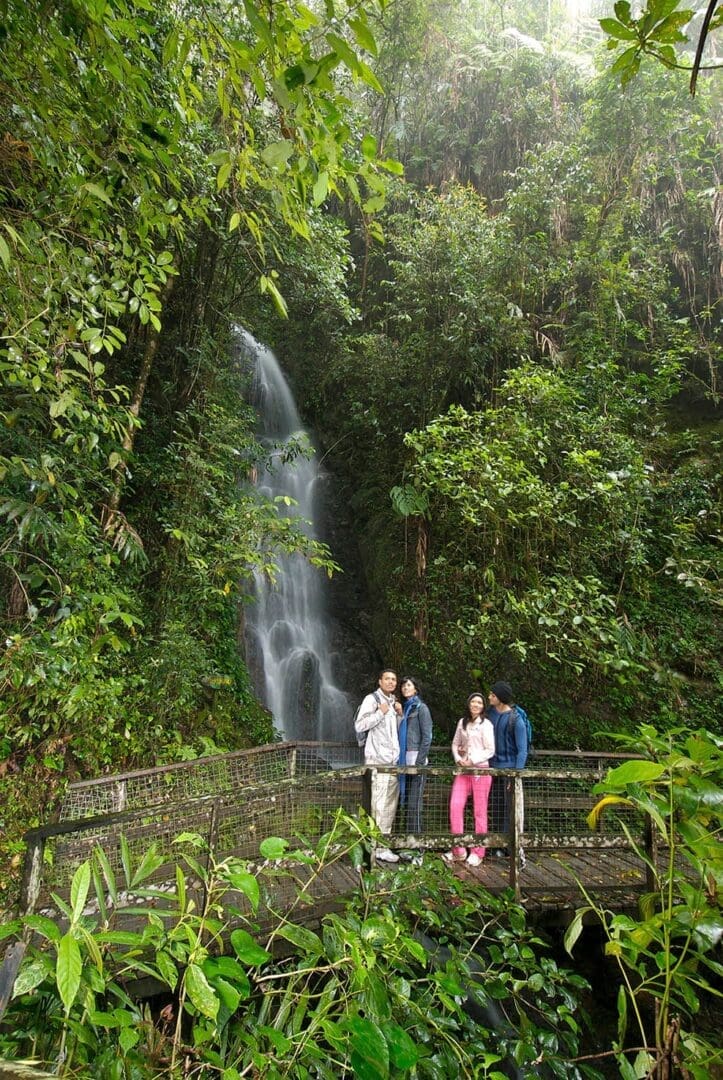
Beyond its forests and rivers, Crocker Range National Park also offers opportunities to discover its smaller natural inhabitants. The insectarium at the park headquarters features more than 400 species of insects, including stick insects, leaf insects, rhinoceros beetles and stag beetles. Visitors interested in plant diversity can explore the Fern Garden, which houses approximately 55 species of ferns.
The Rafflesia Plot provides another opportunity to appreciate Sabah’s botanical heritage. Dedicated to the conservation of Rafflesia, the area allows visitors to observe these remarkable flowers in their natural habitat. It is also home to Rafflesia keithii, recognised as the largest Rafflesia species found in Sabah.
For those wishing to spend more time in the natural surroundings, accommodation facilities include dormitories, a rest house and campsites. Night jungle walks can also be arranged in advance with park rangers, offering visitors a different perspective of the forest and its nocturnal environment.
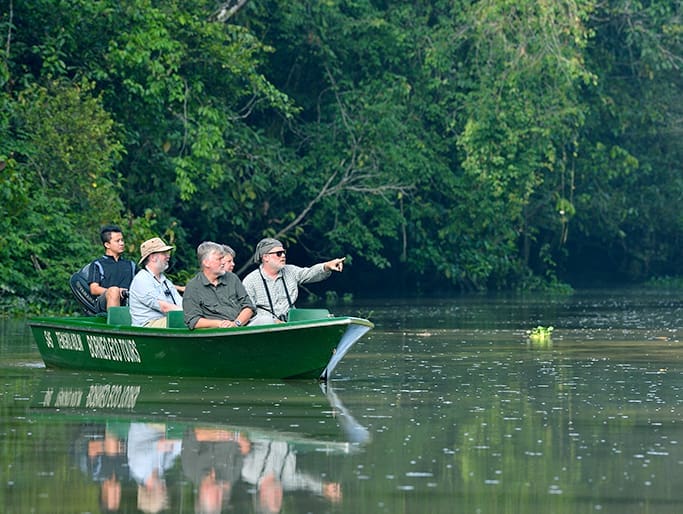
As an important water catchment area, Crocker Range National Park plays a significant role in supplying freshwater to Sabah’s west coast. Its forests and mountainous terrain support water resources used for domestic consumption, agriculture and industrial activities, highlighting the park’s importance beyond its ecological and tourism value.
The most suitable period to visit is generally between May and September, extending into early October. Visitors are advised to avoid the monsoon season, which typically occurs from October to January or February, when rainfall may affect outdoor activities and trekking conditions.
Combining biodiversity, conservation and outdoor recreation, Crocker Range National Park offers an opportunity to experience the natural richness of Sabah. From birdwatching and jungle trekking to exploring botanical attractions and river landscapes, the park remains an important destination for discovering Borneo’s ecological heritage.
Source: Tourism Malaysia