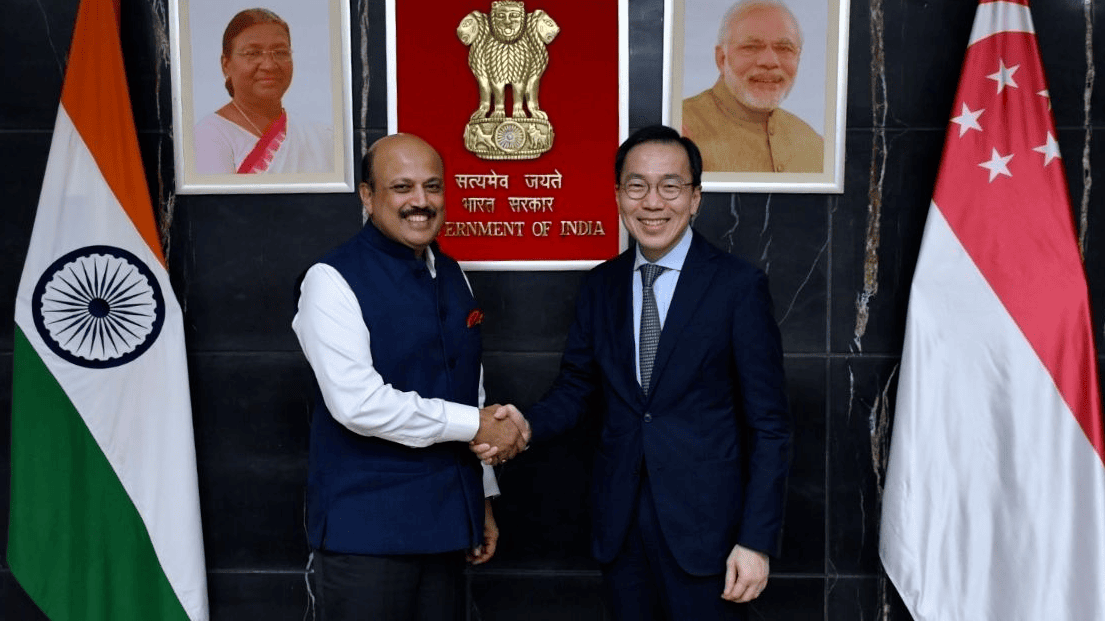
As both nations mark 60 years of diplomatic relations and 20 years of CECA, the latest dialogue in New Delhi paves the way for next-generation trade and investment collaboration
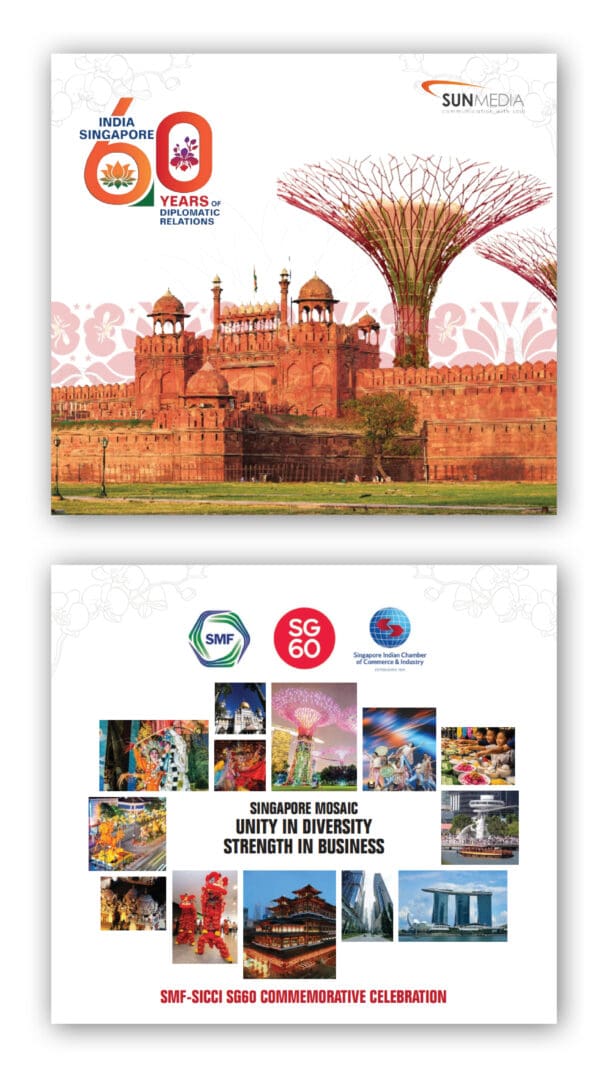
New Delhi, 14 August 2025 – India and Singapore reaffirmed their commitment to deepening economic cooperation during the 4th Meeting of the Joint Working Group on Trade & Investment (JWGTI), held at Vanijya Bhawan in New Delhi. The meeting came at a symbolic time as both nations celebrate 60 years of diplomatic relations and the 20th anniversary of the Comprehensive Economic Cooperation Agreement (CECA).
Co-chaired by Shri Rajesh Agrawal, Special Secretary in India’s Department of Commerce, and Dr. Beh Swan Gin, Permanent Secretary at Singapore’s Ministry of Trade and Industry, the dialogue built upon the momentum of the 3rd India–Singapore Ministerial Roundtable (ISMR) held just a day prior. Together, both platforms represent the strengthening architecture of bilateral economic ties.
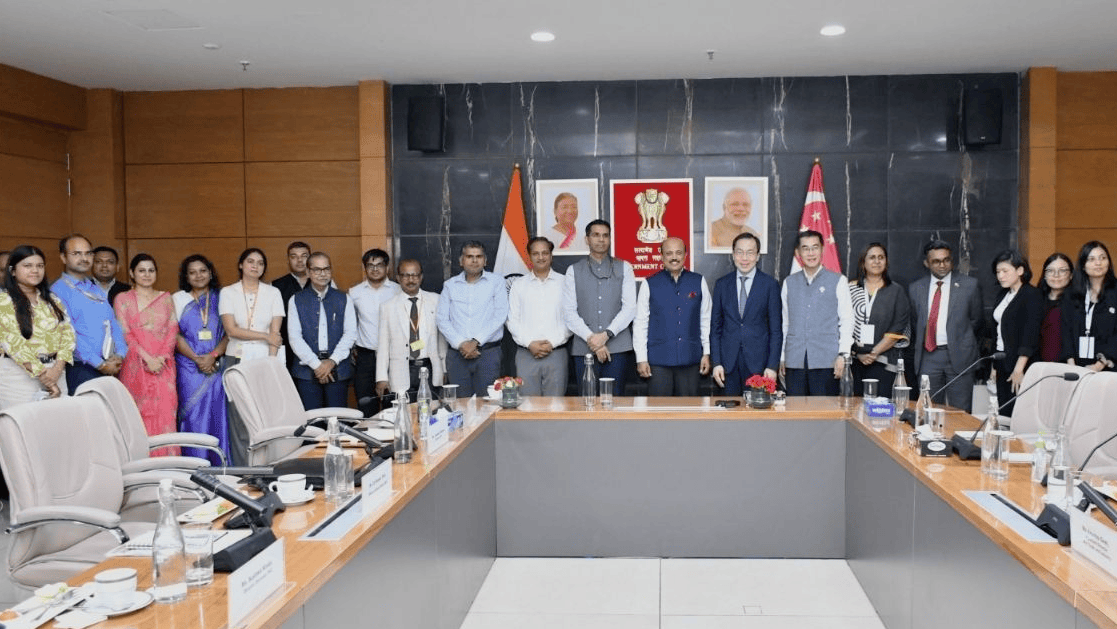
During the JWGTI meeting, discussions focused on streamlining regulatory frameworks, improving cross-border logistics, enhancing investment promotion, and identifying new sectors for strategic collaboration. Both sides acknowledged the importance of facilitating smoother trade and deepening existing supply chain partnerships, particularly in priority sectors aligned with their mutual growth agendas.
Shri Agrawal highlighted how the India–Singapore partnership has evolved beyond conventional trade. While Singapore remains India’s largest trading partner in ASEAN, with bilateral trade reaching USD 34.26 billion in 2024–25, it is also India’s second-largest source of Foreign Direct Investment (FDI), accounting for nearly 24% of cumulative inflows since April 2000.
The working group also reviewed progress in advanced sectors such as semiconductors and digital trade. In addition, potential collaborations in skills development and capacity building were explored, reinforcing the shared ambition to support inclusive, future-ready economic ecosystems.
With 2025 marking two major milestones, the diamond jubilee of diplomatic ties and two decades of CECA, the meeting concluded with a mutual agreement to enhance the frequency of bilateral engagements. As India and Singapore look to the future, the Joint Working Group serves as a key mechanism for translating strategic alignment into tangible economic outcomes.
Source: PIB Delhi