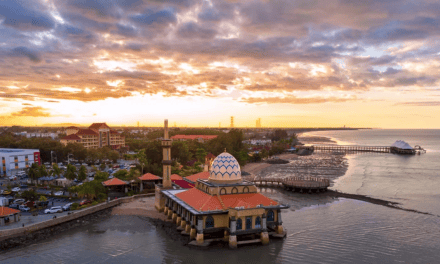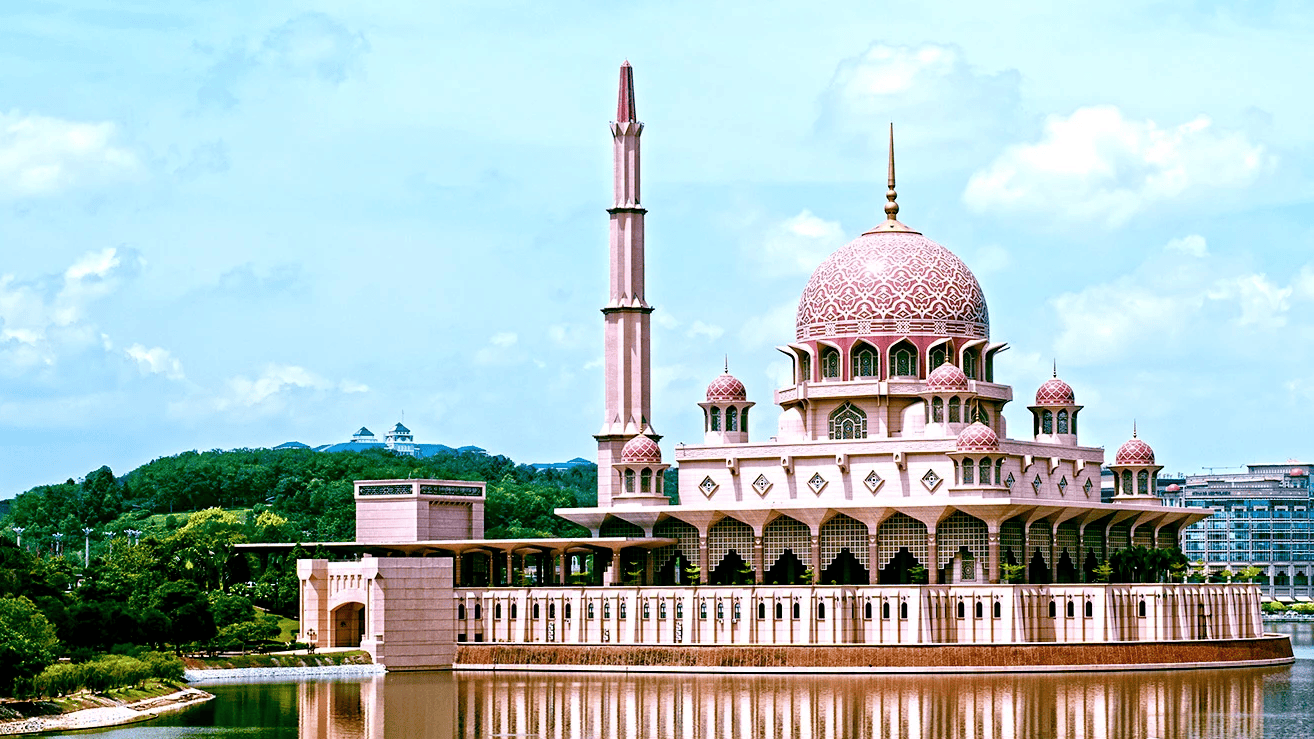
A purpose-built administrative capital just south of Kuala Lumpur, Putrajaya blends monumental architecture, landscaped parks and efficient connectivity—making it an easy, well-structured stop for Singaporean and regional travellers

Located approximately 28km from Kuala Lumpur, Putrajaya serves as Malaysia’s administrative centre, where key government institutions relocated from the capital to ease congestion and improve efficiency. Conceived in the 1990s and formally established as a federal territory in 2001, the city was designed as both a “garden city” and an “intelligent city”, with nearly 40% of its land dedicated to green spaces, lakes and landscaped parks.
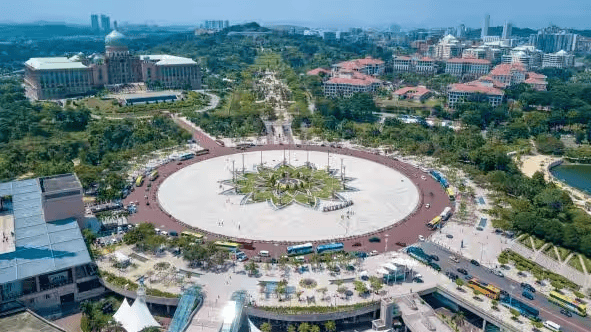
Unlike the dense urban fabric of Kuala Lumpur, Putrajaya is characterised by wide boulevards, planned precincts and a calm, orderly atmosphere. At its core lies a vast man-made lake, around which sit many of the city’s most recognisable landmarks, including the pink-domed Putra Mosque and a series of architecturally distinctive bridges. The city’s design draws on Islamic and Middle Eastern influences, reinforcing its role as a symbolic administrative and cultural centre.
Putrajaya’s appeal lies in its combination of civic grandeur and leisure spaces. The lake itself is central to the visitor experience, offering sightseeing cruises and even onboard dining, where travellers can enjoy views of government buildings and bridges from the water.

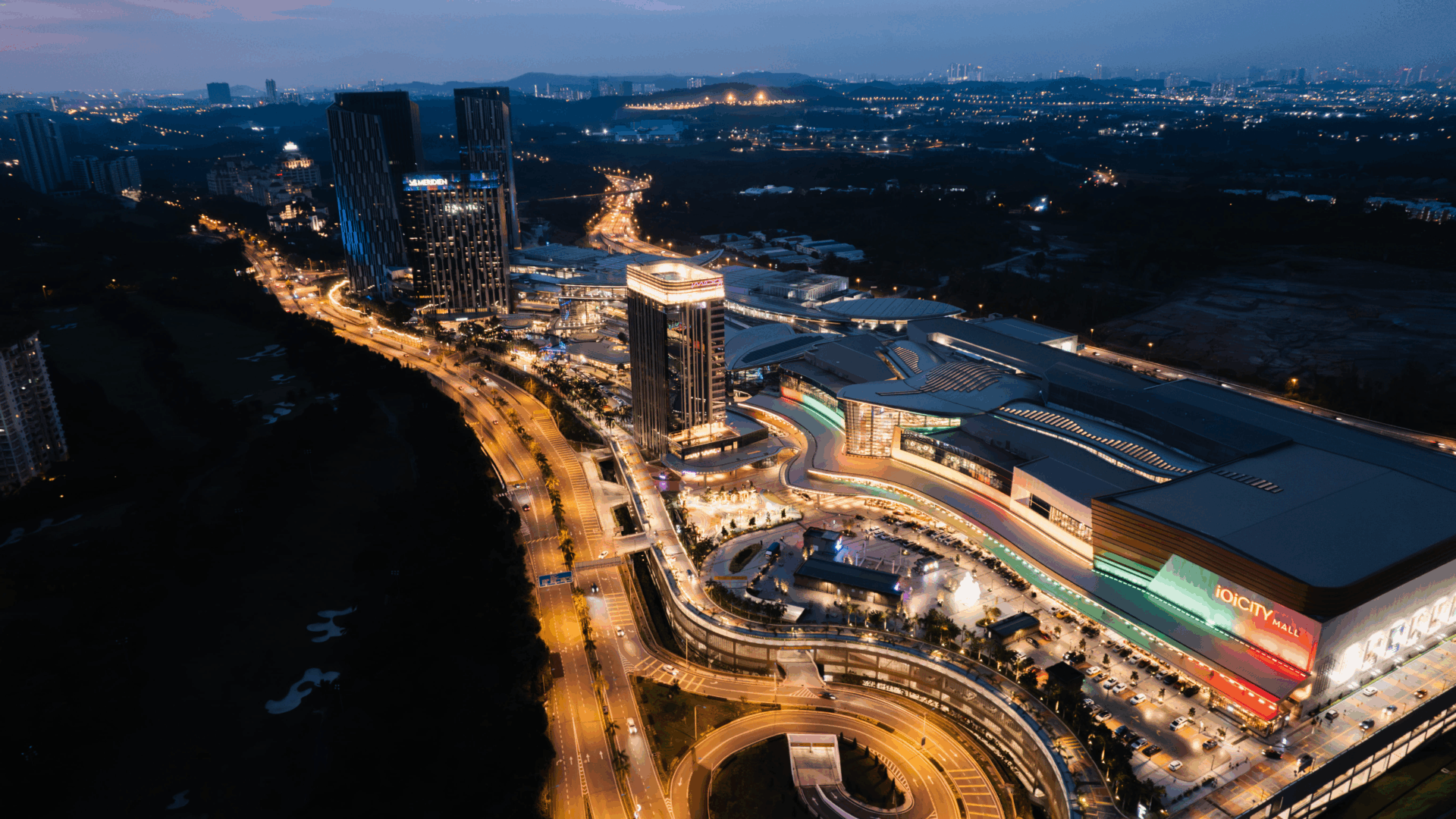
For nature-focused visits, landscaped parks and botanical gardens provide shaded walking areas and scenic viewpoints, reflecting the city’s “garden city” concept. Meanwhile, shopping hubs such as Alamanda Putrajaya and IOI City Mall offer modern retail options, while the Middle Eastern-inspired Souq adds a themed shopping environment.
Dining is equally varied, ranging from lakeside restaurants to open-air food courts and designated food truck zones in Precincts 2 and 14. Night markets (pasar malam) provide a more local experience, with street food such as satay, fried rice and traditional fritters.
Transport & Accessibility
Putrajaya is highly accessible, particularly for travellers arriving via Kuala Lumpur. The KLIA Transit rail service connects KL Sentral to Putrajaya in approximately 35 minutes, with stops including Bandar Tasik Selatan and Cyberjaya/Putrajaya.
Road connections are equally straightforward via major highways such as the KL–Putrajaya (MEX) Expressway, while public buses operate between Kuala Lumpur and Putrajaya.
Within the city, the Nadi Putra bus network provides regular services every 15–30 minutes from early morning until late at night, supplemented by taxis and e-hailing services for convenience.
For regional travellers, Putrajaya’s location between Kuala Lumpur and Kuala Lumpur International Airport (KLIA) makes it a practical stopover or day trip, particularly when transiting between city and airport.
Visa & Entry Information
Malaysia maintains relatively open entry policies for ASEAN travellers. Singapore passport holders do not require a visa for short visits for tourism purposes, typically up to 30 days, subject to immigration requirements such as valid travel documents and onward travel proof. Travellers from other regional markets should check eligibility for visa-free entry, eVisa or eNTRI facilities depending on nationality.
Putrajaya represents one of Southeast Asia’s most ambitious urban transformations—developed from former plantation land into a purpose-built administrative capital within a decade. Its creation reflects Malaysia’s strategic shift towards decentralisation, digital governance and planned urban growth.
Today, it stands as both a working government hub and a curated visitor destination, offering a distinctly different experience from Malaysia’s commercial cities—structured, scenic and designed for both function and form.

Source: Malaysia Tourism