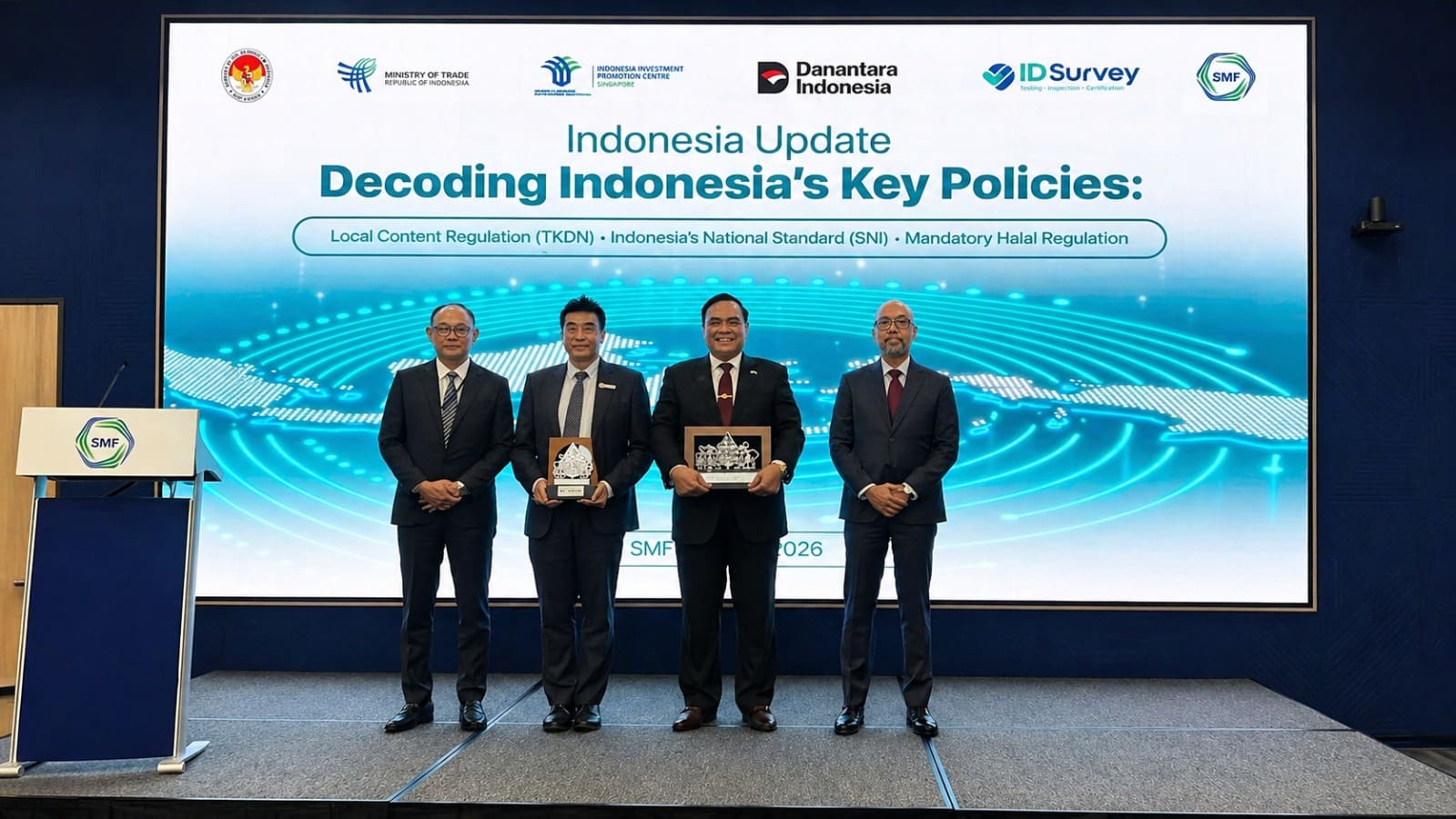
A joint forum by the Indonesian Trade Attaché Office, ID Survey and the Singapore Manufacturing Federation highlights regulatory pathways, certification requirements, and opportunities for international businesses seeking to expand into Indonesia
Business leaders, policymakers and industry stakeholders gathered in Singapore for Indonesia Update 2026: Decoding Indonesia’s Key Policies, a forum aimed at helping international companies better understand regulatory frameworks and market opportunities in Indonesia.


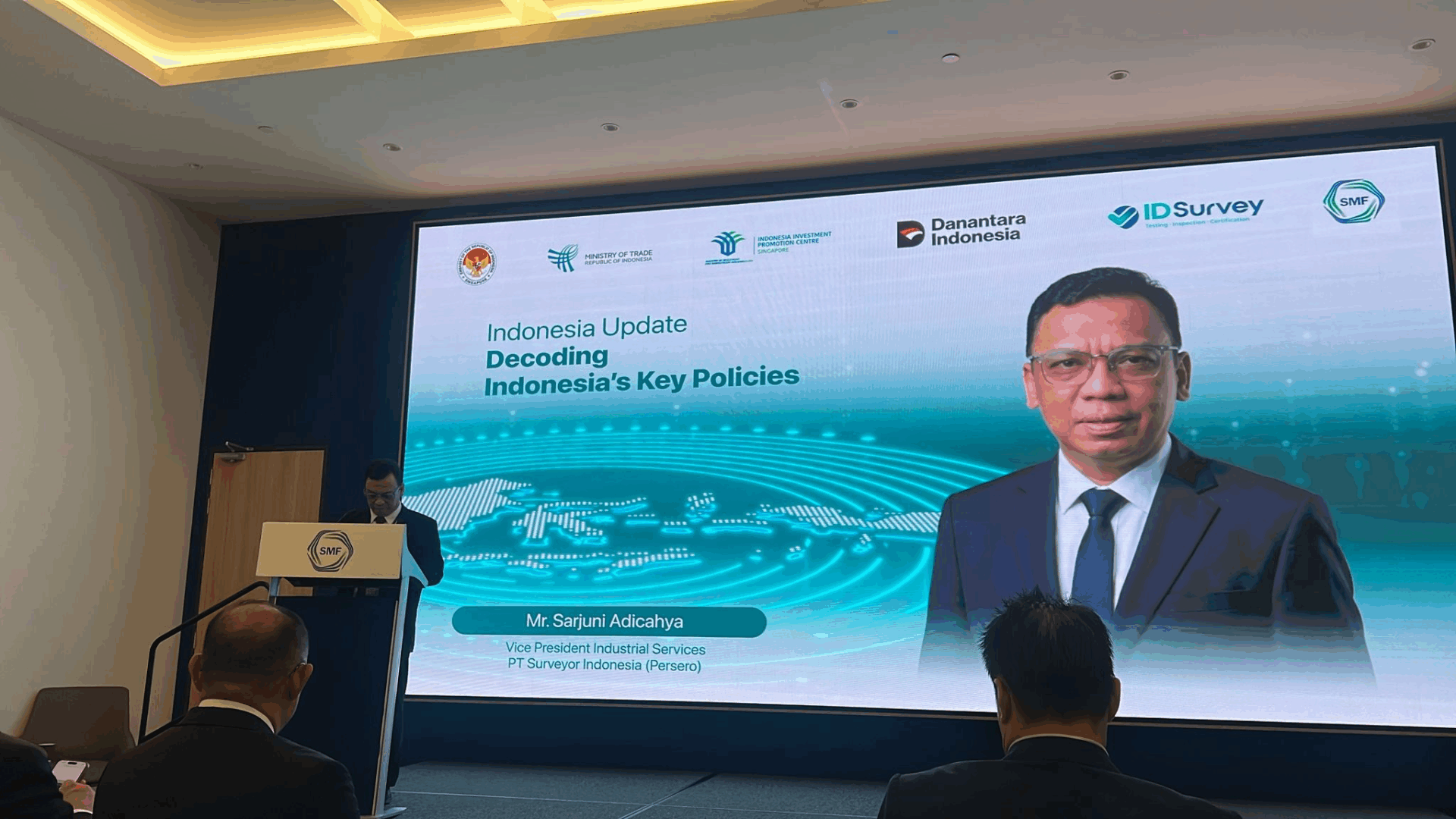
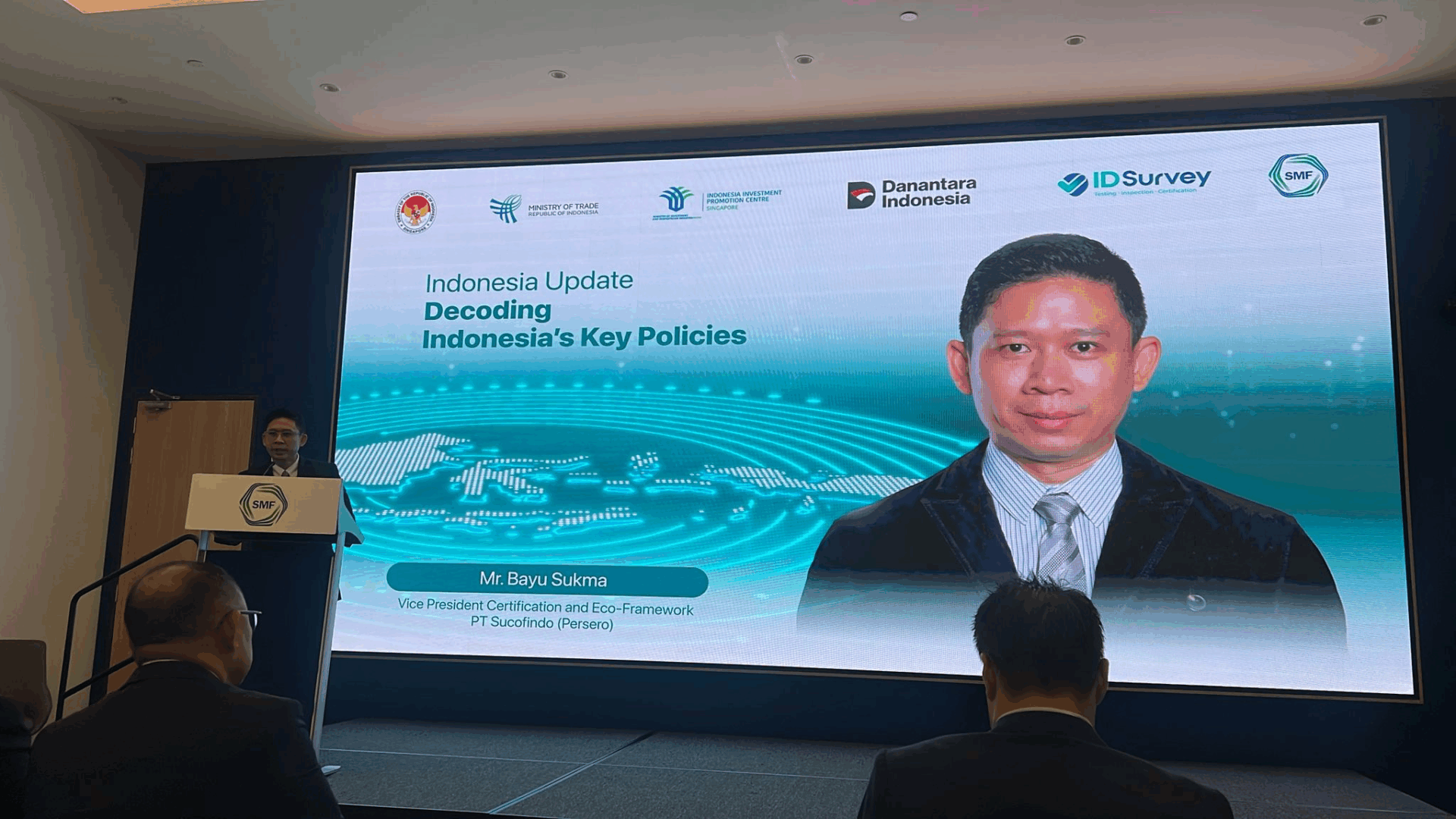
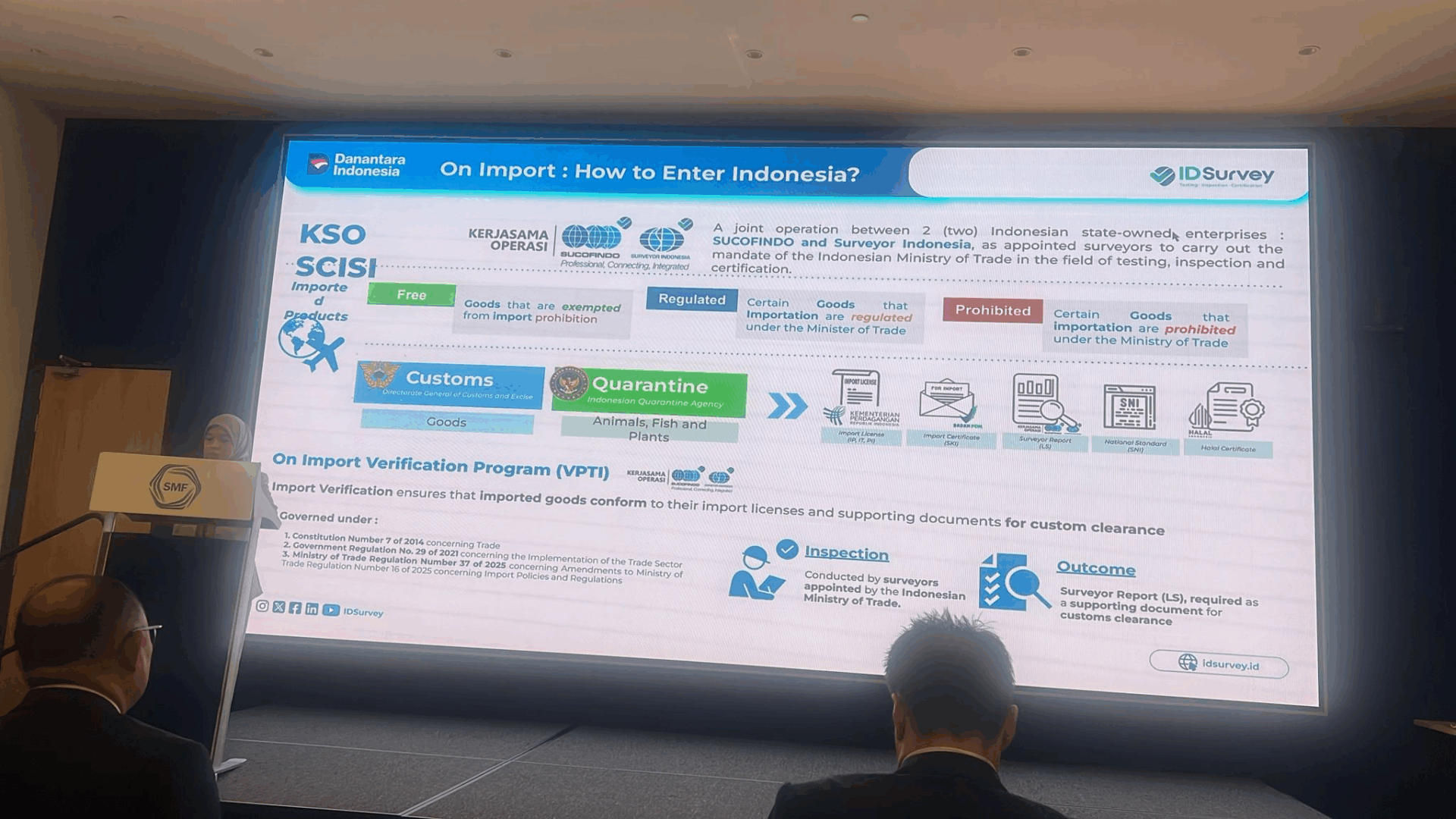
The event was jointly organised by the Trade Attaché Office of the Embassy of the Republic of Indonesia in Singapore, PT IDSurvey (Persero), Sucofindo, Surveyor Indonesia, and the Singapore Manufacturing Federation (SMF). It brought together representatives from government, industry, and certification bodies to provide practical insights into entering and expanding within Southeast Asia’s largest economy.
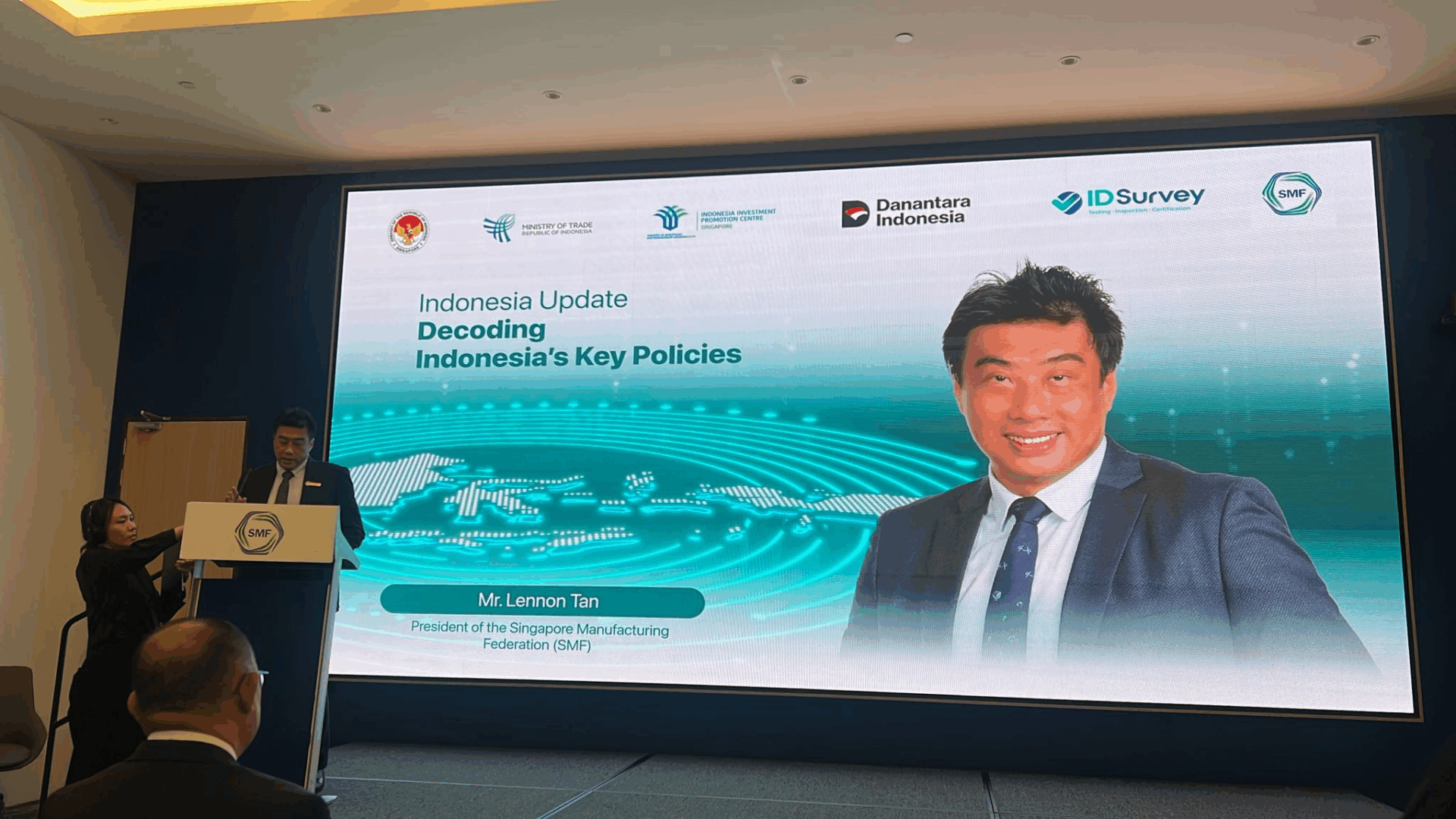
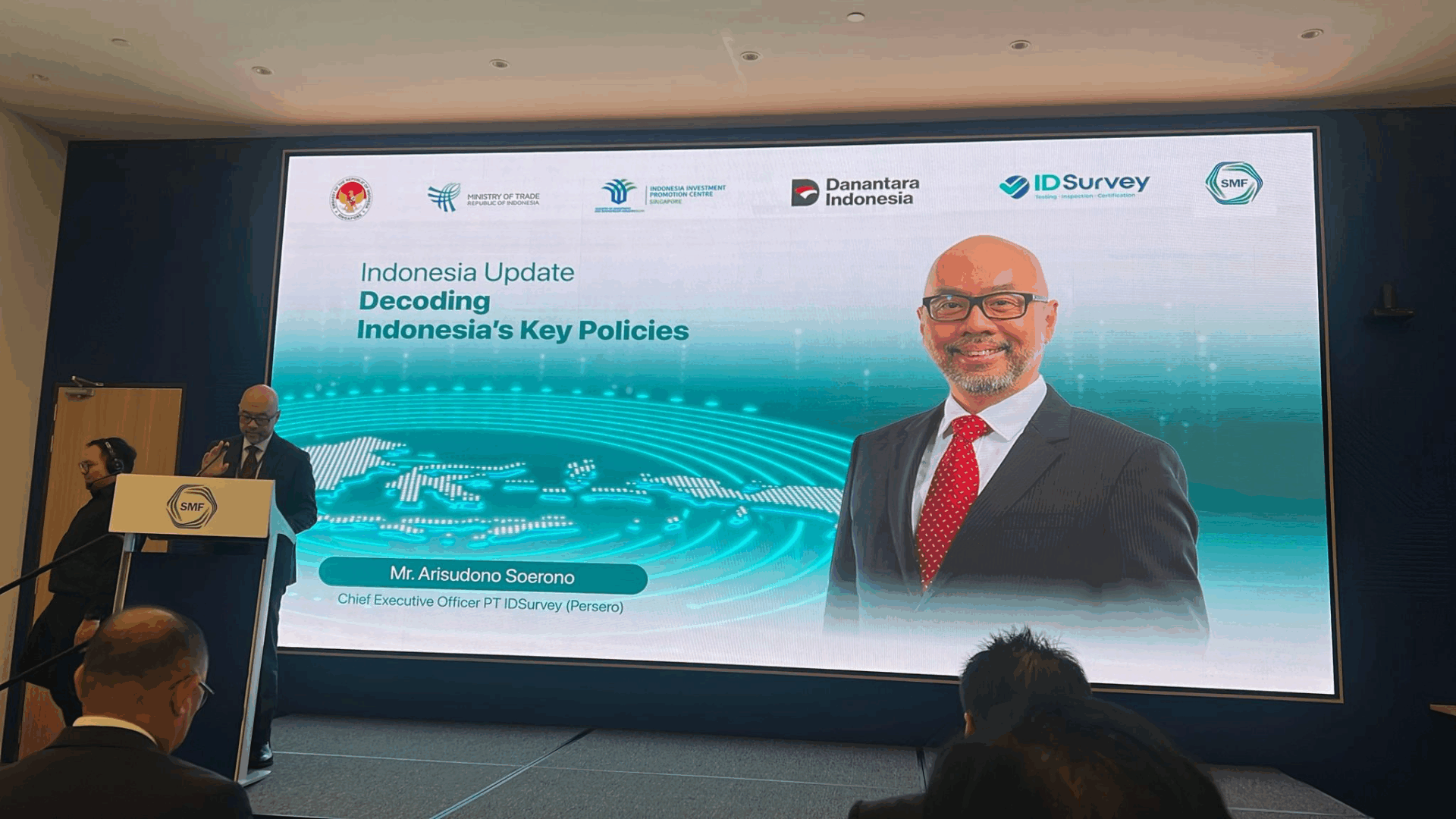
Opening the event, the Master of Ceremony welcomed H.E. Hotmangaradja Pandjaitan, Ambassador of the Republic of Indonesia to Singapore, alongside business leaders and officials including SMF Chief Executive Officer Mr Lennon Tan, and Mr Arisudono Soerono, CEO from PT IDSurvey (Persero).
The forum highlighted Indonesia’s growing appeal as a major investment destination. With a population of more than 280 million people and a rapidly expanding middle class, the country continues to attract international businesses seeking access to both manufacturing opportunities and a large consumer market.
Speaking at the event, Mr Lennon Tan underscored the importance of regulatory alignment for companies seeking to operate across borders.
“Indonesia is not just a neighbouring market, it is our primary partner for scaling production and accessing a massive consumer base,” he said. “Navigating regulations is not just about compliance; it is about ensuring that our trade corridors remain seamless.”
As part of the programme, PT IDSurvey (Persero), Indonesia’s state-owned holding company in the testing, inspection and certification (TIC) sector, presented its role in facilitating international trade through integrated compliance services. The organisation brings together three established institutions; Biro Klasifikasi Indonesia, Sucofindo, and Surveyor Indonesia to provide testing, inspection and certification services across industries including manufacturing, agriculture, maritime and infrastructure.
According to the presentation, the evolving regulatory landscape in Indonesia reflects broader national priorities, including strengthening domestic industry, improving consumer protection and aligning with global sustainability standards.
“For exporters entering Indonesia, compliance is no longer a single checkpoint. It is a system that spans multiple dimensions — product conformity, halal certification, local content requirements and supply-chain transparency,” Mr Arisudono Soerono, CEO of PT IDSurvery (Persero) said.
One of the central topics discussed was TKDN (Local Content Requirement), which measures the proportion of locally sourced materials or services used in production. For many companies seeking to participate in Indonesia’s industrial ecosystem, achieving the required local content level is essential.
The forum also addressed the Indonesian National Standard (SNI) certification framework. While some SNI certifications are voluntary, others are mandatory for products entering the Indonesian market.
Another major focus was halal certification, which is increasingly important given Indonesia’s position as the world’s largest Muslim-majority country. Products entering, circulating or being traded in Indonesia must comply with halal regulations under Law No. 33 of 2014 on Halal Product Assurance.
From October 2026, several categories of products, including food, beverages, cosmetics and pharmaceutical goods, will require mandatory halal certification.
Participants were also introduced to Indonesia’s digital licensing systems and risk-based regulatory frameworks, which have been introduced as part of ongoing economic reforms aimed at improving the ease of doing business.
Addressing attendees, Ambassador H.E. Hotmangaradja Pandjaitan highlighted the Indonesian government’s efforts to streamline investment processes and strengthen transparency.
The ambassador also emphasised the strong economic relationship between Indonesia and Singapore, noting the two countries’ extensive trade and investment ties.
Singapore remains among Indonesia’s largest sources of foreign direct investment, while Indonesia plays a critical role in regional supply chains.
“Understanding complexity is the key to clarity, and clarity creates an actionable pathway for businesses,” the ambassador said.
Beyond regulatory compliance, the forum also highlighted emerging opportunities for collaboration between Indonesian and Singaporean companies, particularly in manufacturing, logistics, and sustainable industrial development.
Organisers expressed hope that the Indonesia Update platform would continue to serve as a bridge between policymakers and industry players.
By bringing together regulators, certification bodies and business representatives, the forum aims to ensure that international companies are well prepared to navigate Indonesia’s evolving policy landscape while unlocking the significant opportunities offered by one of Asia’s fastest-growing markets.
Source: IN Diplomacy reporters