Forum at NUS highlighted bilateral cooperation on sustainability, digitalisation, trade resilience and strategic partnerships amid global economic fragmentation
Singapore hosted the second India-Singapore Futures Forum organised by the Institute of South Asian Studies at the National University of Singapore. The forum brought together policymakers, academics and industry leaders to examine how India and Singapore can deepen cooperation in sustainability, clean energy, resilient supply chains and digital transformation amid an increasingly uncertain global environment.
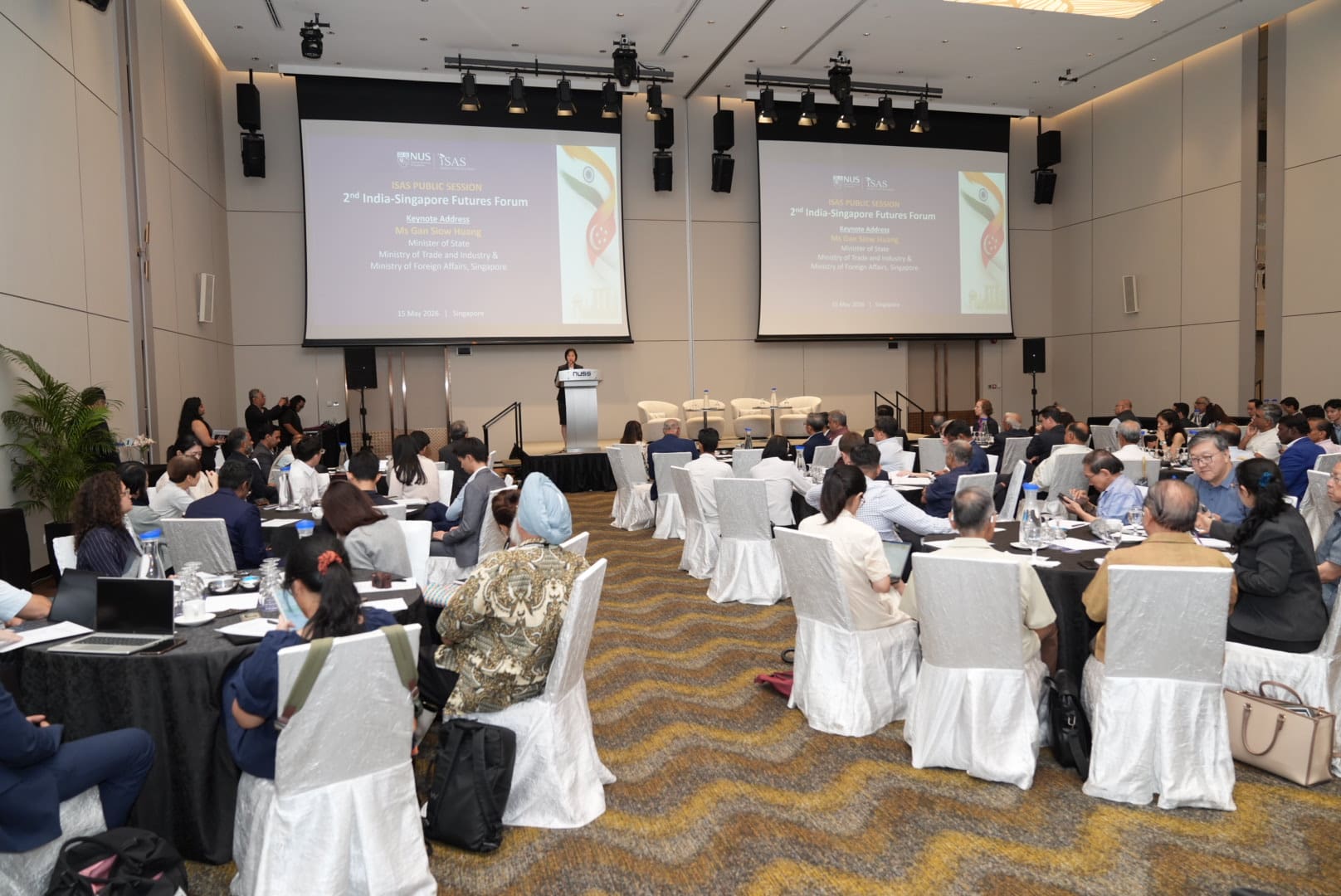
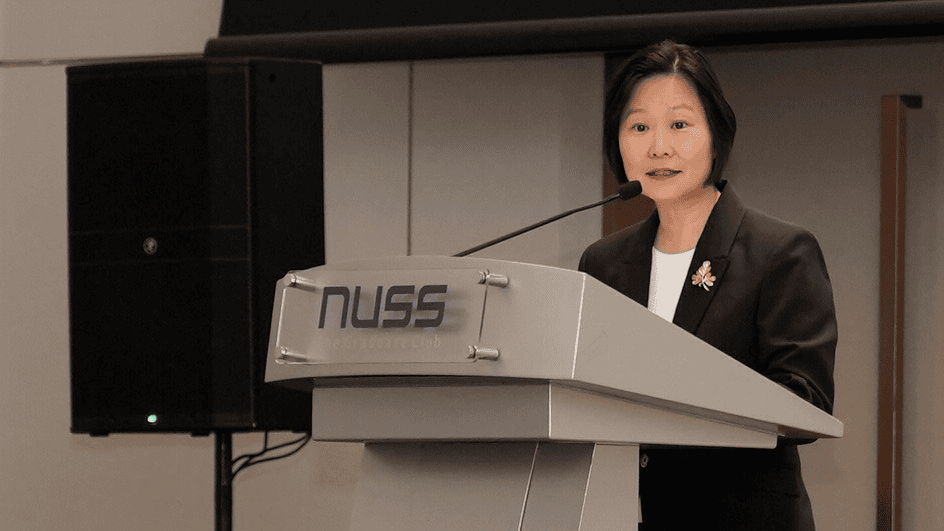
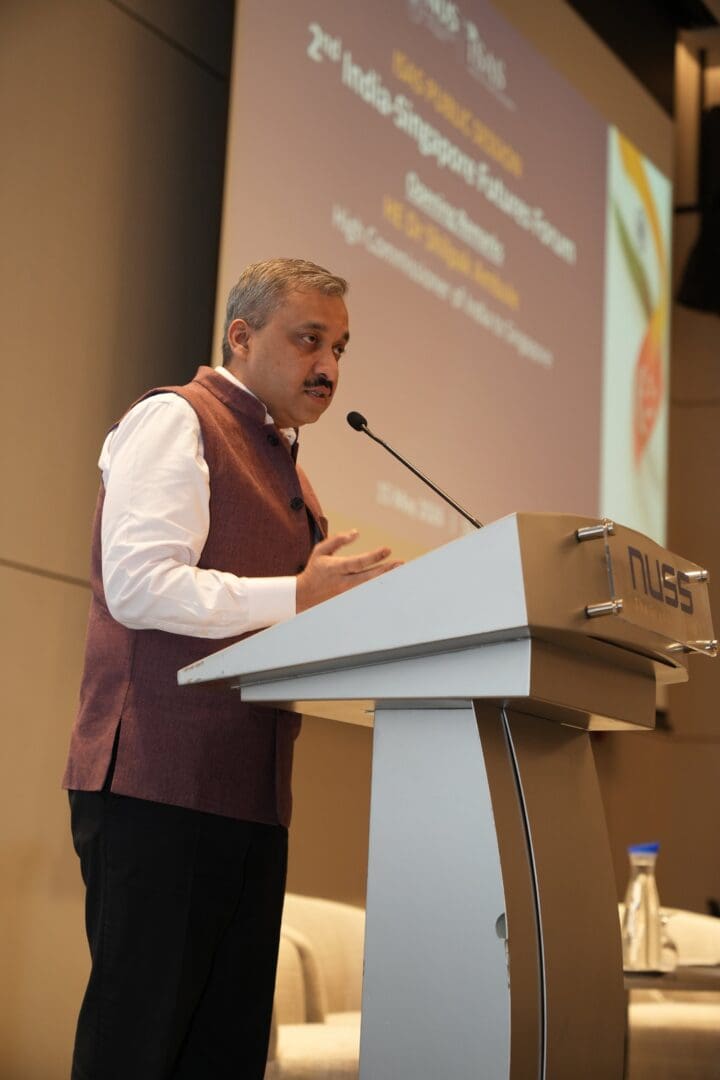
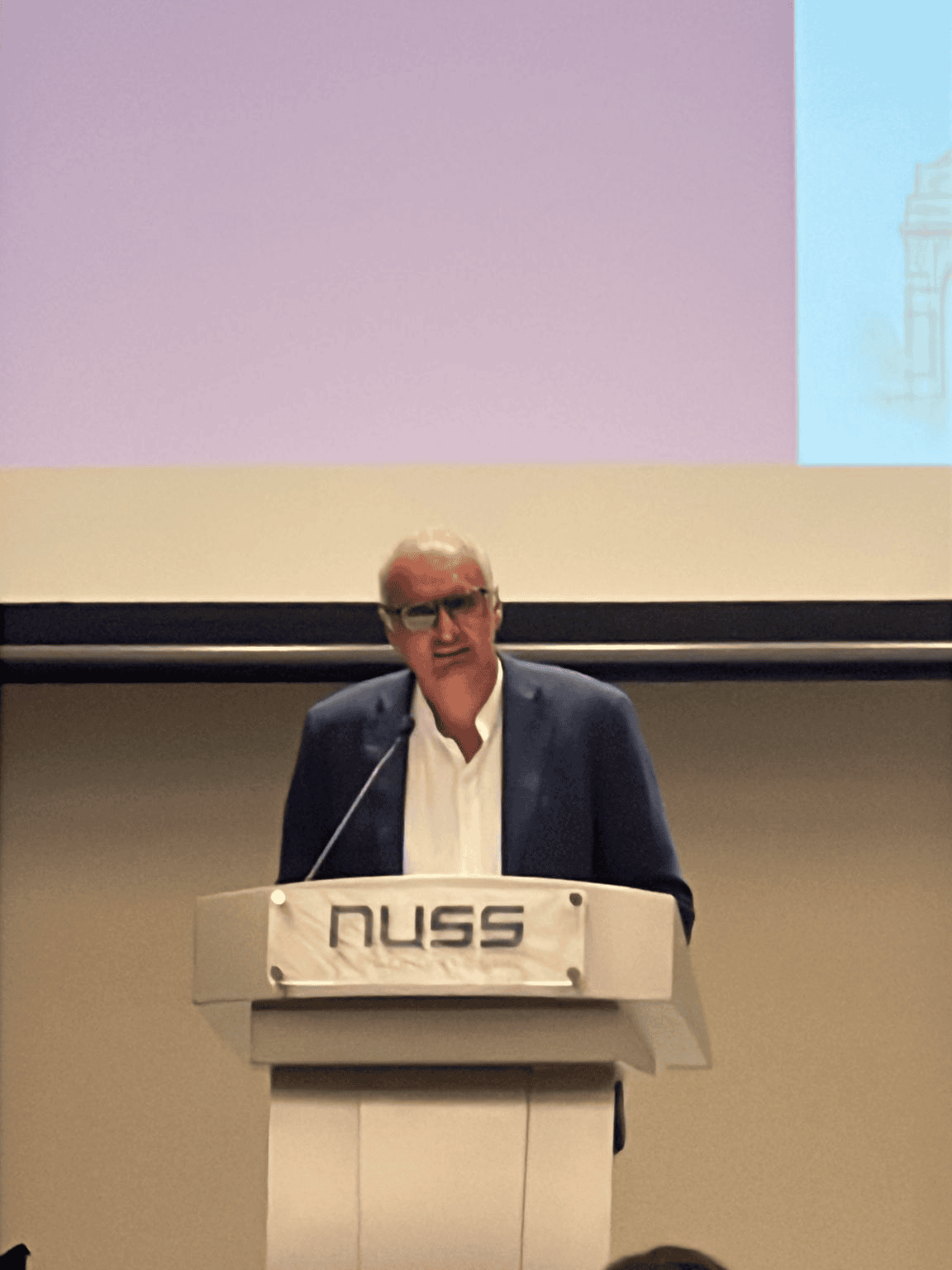
The session featured opening remarks by Dr. Shilpak Ambule, High Commissioner of India in Singapore, keynote remarks by Ms. Gan Siow Huang, Minister of State, Ministry of Trade & Industry, Ministry of Foreign Affairs, Singapore, and discussions moderated by Associate Professor Iqbal Singh Sevea, Director, Institute of South Asian studies NUS. Panellists included Ms. Sonal Varma, Managing Director and Chief Economist (India and Asia ex Japan), Mr Ashok Malik, Partner and Chair of India Practice The Asia Group, India, and Professor Tan Tai Yong, President, Singapore University of Social Sciences, and Chairman, Institute of South Asian Studies NUS.

Source: IN Diplomacy reporters
Associate Professor Iqbal Singh Sevea noted that “in the evolving global order, Singapore and India are keen to strengthen their existing links and explore new forms of cooperation,” highlighting sustainability initiatives such as green hydrogen, ammonia and the India-Singapore Green and Digital Shipping Corridor as key areas of collaboration.
Ambassador Ambule also reflected on the significance of the forum following the 60th anniversary of diplomatic relations between India and Singapore. He described the bilateral relationship as “a partnership grounded in shared values, mutual trust and common aspirations,” adding that the India-Singapore Futures Forum was launched not only to reflect on six decades of cooperation, but also to explore the future trajectory of ties between the two countries.
He noted that both countries were navigating a period of significant geopolitical and economic change marked by supply chain disruptions, energy security concerns and technological shifts. He said these developments underscored the importance of strengthening cooperation in sustainability and resilient economic networks. Referring to the Third India-Singapore Ministerial Roundtable held in August 2025, he highlighted growing collaboration in areas such as green hydrogen, ammonia, sustainable shipping and digital connectivity, as well as engagement through initiatives including the International Solar Alliance and the Global Biofuels Alliance.
He also emphasised the complementary strengths of both countries, noting that Singapore’s expertise in finance, connectivity and innovation aligns with India’s scale and implementation capabilities. Ambassador Ambule said there was considerable potential for cooperation in clean fuels, low-carbon logistics, carbon markets, digital energy systems and sustainable industry, adding that India and Singapore could together help shape sustainable pathways for the wider region.
In her keynote address, Minister Gan Siow Huang focused on sustainability, energy transition and the need for diversified pathways towards net-zero emissions. She outlined Singapore’s “four-switch” energy strategy involving natural gas, solar deployment, regional low-carbon electricity imports, and investments in low-carbon alternatives such as hydrogen and civil nuclear energy.
“No single pathway will get us to net zero, which is why we have to look at a portfolio approach to achieve affordable, sustainable and secure energy systems for the future,” Minister Gan said.
She also highlighted the growing scope of India-Singapore cooperation in sustainability, advanced manufacturing, digitalisation and healthcare. Referring to bilateral sustainability initiatives, she noted that both countries were advancing work on the Singapore-India Green and Digital Shipping Corridor and exploring collaboration under Article 6.2 of the Paris Agreement to support emissions reduction projects and carbon credit development.
During the discussions, participants examined how India and Singapore could strengthen cooperation amid geopolitical fragmentation and economic uncertainty. Conversations focused on clean energy systems, green shipping and maritime decarbonisation, sustainable digital infrastructure, and the importance of resilient supply chains and open economic networks. Panellists also discussed the growing role of innovation, workforce development and state-level engagement in shaping the next phase of bilateral cooperation.
Professor Tan Tai Yong reflected on the evolution of India-Singapore relations over the past two decades, particularly since the signing of the Comprehensive Economic Cooperation Agreement in 2005. Highlighting opportunities in technology, sustainability and innovation partnerships, he remarked, “The possibilities for the future are immense, and the potential is immense.”
Source: IN Diplomacy reporters