From fragrant rice platters and freshly baked flatbreads to hearty noodle soups and iconic street food, Malaysian lunches offer an extraordinary blend of flavours shaped by centuries of cultural exchange. Discover the dishes that make midday dining in Malaysia an unforgettable experience
Malaysia’s vibrant food culture comes alive at lunchtime. Across the country, bustling hawker centres, roadside eateries and family-run restaurants serve an incredible variety of dishes that reflect the nation’s rich multicultural heritage. Influenced by Malay, Chinese, Indian and indigenous traditions, Malaysian cuisine is celebrated for its bold spices, aromatic herbs, creamy coconut-based gravies and diverse cooking techniques.
Whether you are craving a hearty rice meal, a comforting bowl of noodles or a flavour-packed street food favourite, Malaysia offers endless options for a satisfying midday feast.
Rice and Bread Delights
Banana Leaf Rice
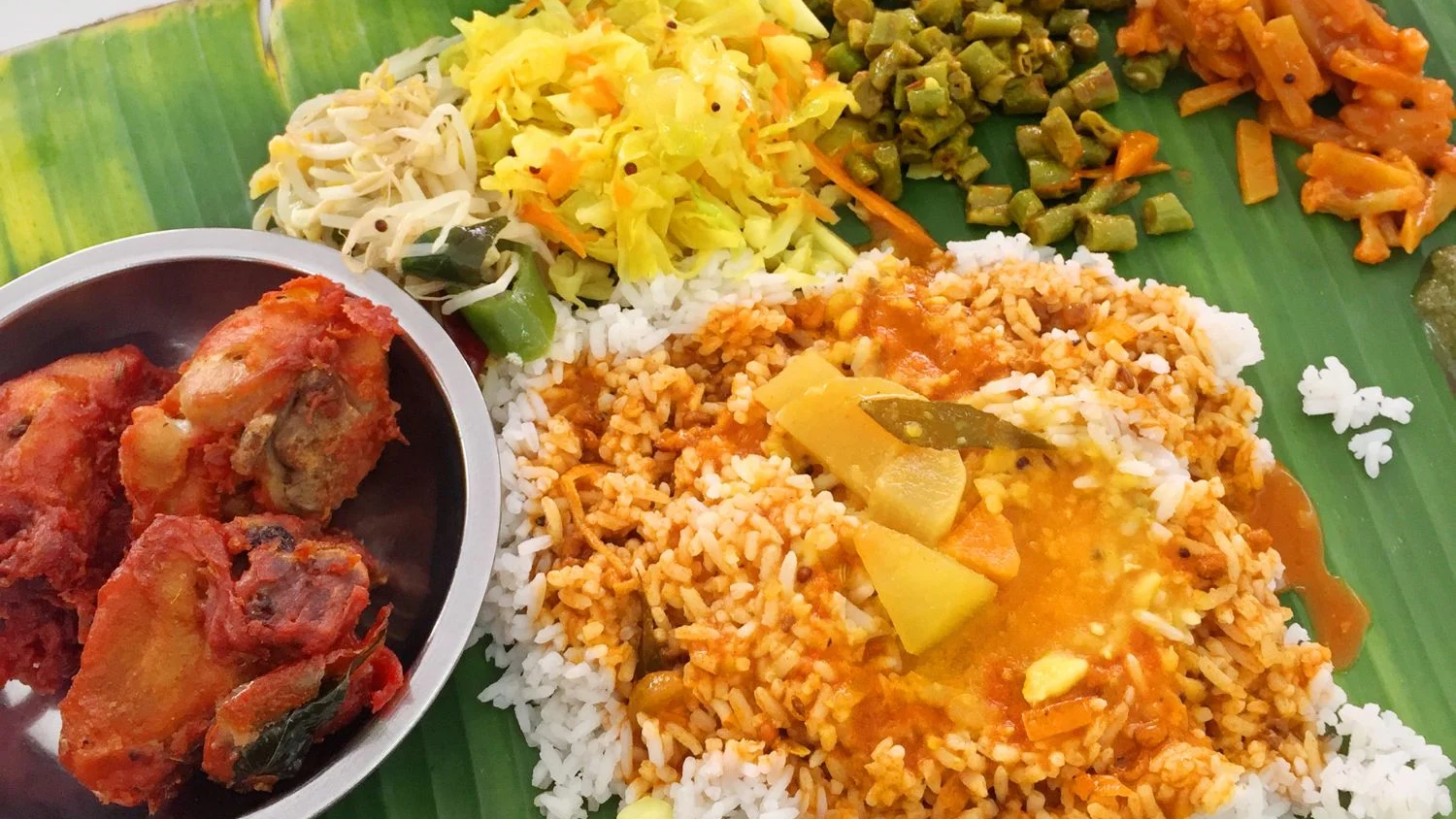
One of Malaysia’s most iconic meals, Banana Leaf Rice is deeply rooted in the country’s Indian culinary traditions. Served on a fresh banana leaf, the meal typically features steamed rice accompanied by an assortment of curries, vegetables, pickles and condiments.
The banana leaf naturally enhances the aroma and flavour of the food while creating a unique dining experience. Diners often enjoy the meal with traditional Indian flatbreads such as roti canai, thosai or chapati. Beyond its delicious taste, Banana Leaf Rice symbolises Malaysia’s multicultural identity and shared culinary heritage.
Nasi Briyani
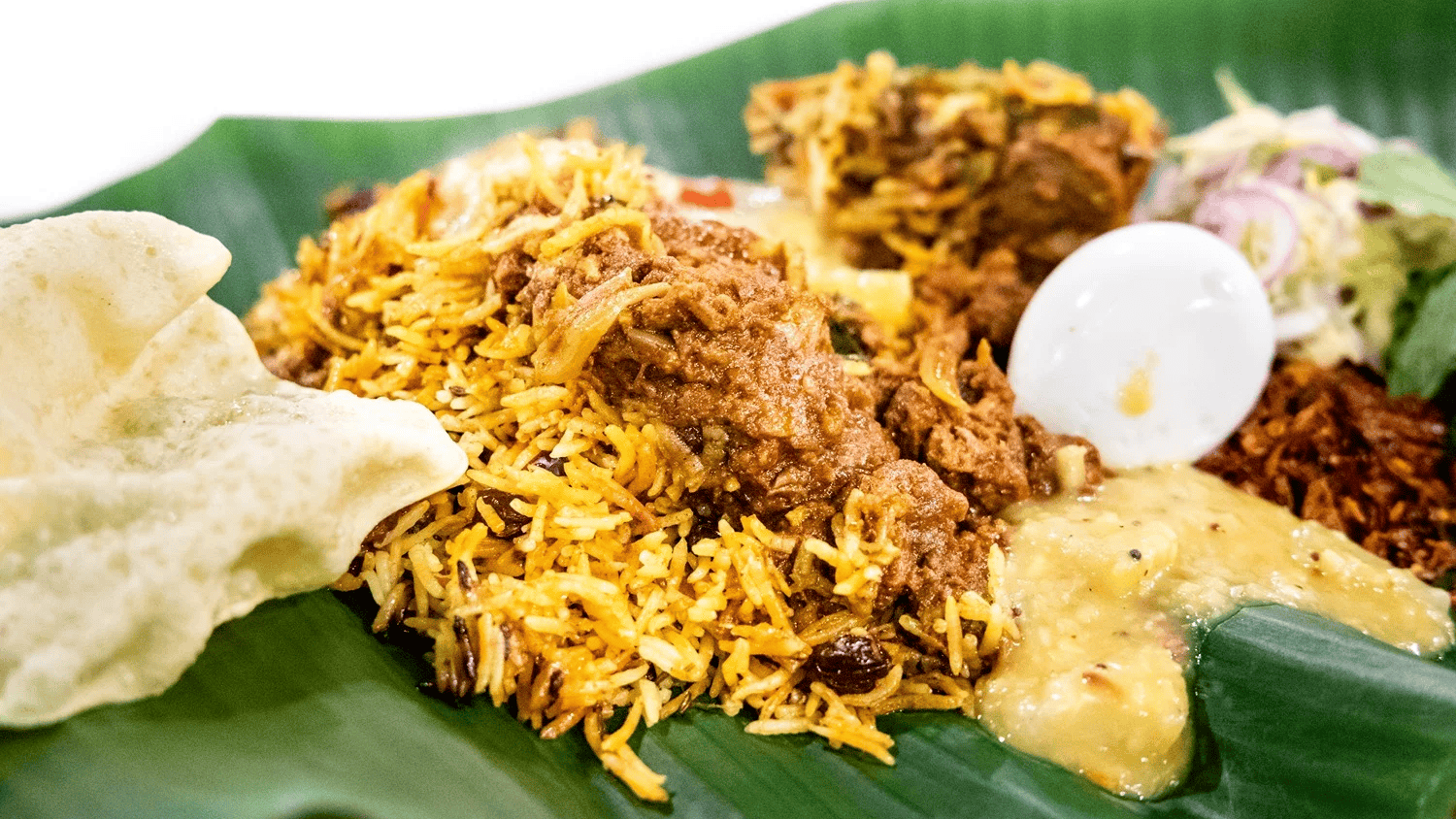
Fragrant, colourful and richly spiced, Nasi Briyani is a beloved rice dish enjoyed throughout Malaysia. Long-grain basmati rice is infused with aromatic spices including saffron, cardamom, cinnamon and star anise before being layered with marinated chicken, mutton or vegetables.
Served alongside dhal, pickled vegetables and cooling yoghurt-based raita, Nasi Briyani delivers a harmonious balance of flavours and textures. Its popularity makes it a staple choice for both everyday meals and festive occasions.
Nasi Tomato
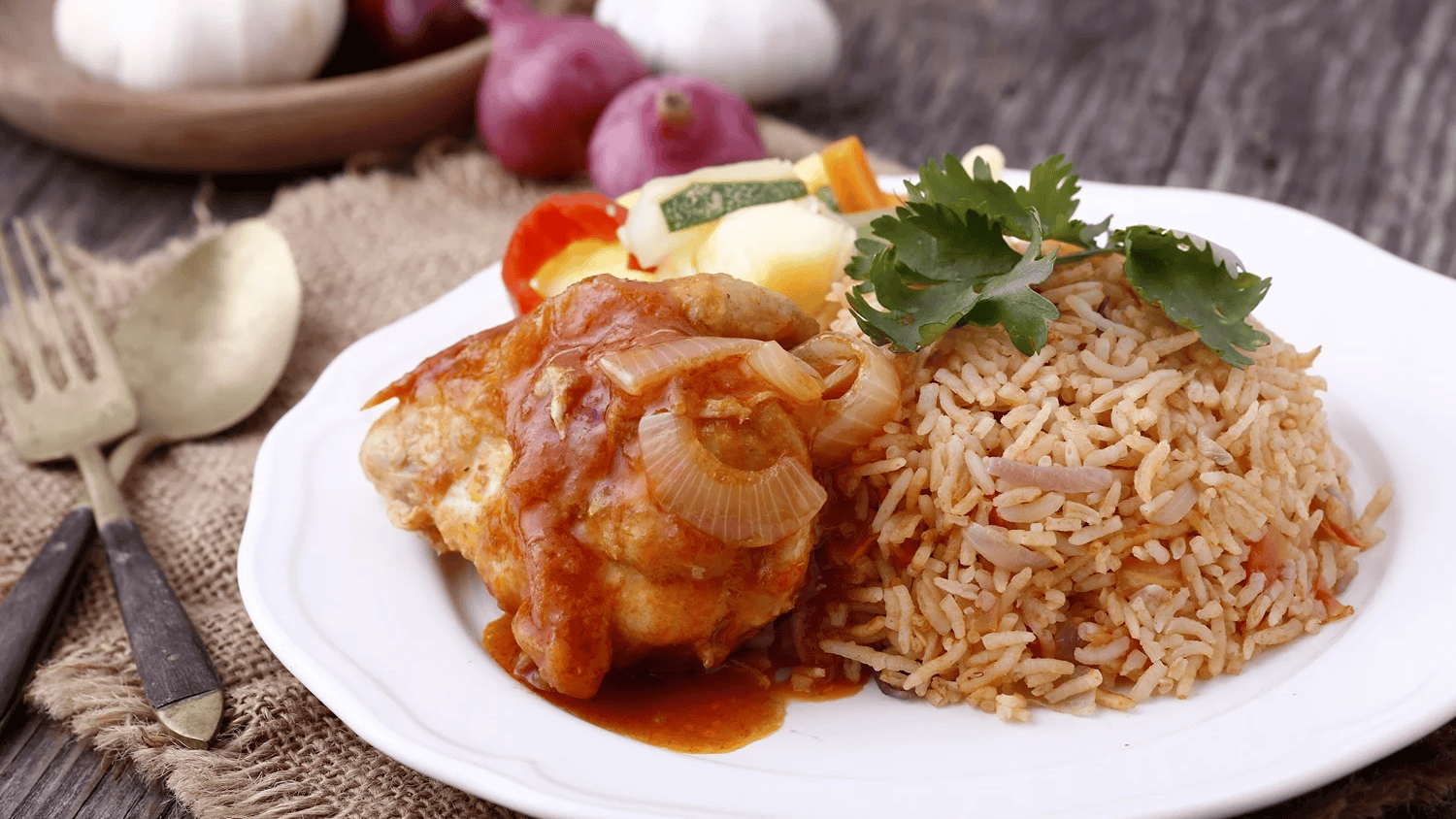
Popular in northern Malaysia, particularly in Kedah and Penang, Nasi Tomato combines fragrant rice with a mildly sweet tomato-based sauce and aromatic spices. The distinctive reddish rice is commonly paired with ayam masak merah, sambal sotong, boiled eggs and pickled vegetables.
The result is a colourful and satisfying meal that perfectly balances sweetness, spice and savoury flavours.
Nasi Kandar

Originating from Penang, Nasi Kandar is one of Malaysia’s most famous rice dishes. A generous serving of steamed rice is accompanied by a wide selection of curries, vegetables, seafood and meats.
The highlight is the famous kuah campur, a mixture of curry gravies poured generously over the rice. Every plate is customised according to personal preference, making each dining experience unique. Rich, flavourful and indulgent, Nasi Kandar remains a favourite among locals and visitors alike.
Nasi Campur

Meaning “mixed rice”, Nasi Campur is a quintessential Malaysian lunch option. Diners select from a variety of dishes displayed buffet-style, including curries, stir-fried vegetables, sambals, fried chicken, rendang, seafood and more.
The flexibility of Nasi Campur allows diners to create a personalised meal while sampling a wide range of Malaysian flavours in a single sitting.
Nasi Ayam

Simple yet incredibly satisfying, Nasi Ayam or Chicken Rice consists of tender poached, roasted or fried chicken served with fragrant rice cooked in chicken broth. Accompanied by chilli sauce, ginger sauce and sweet soy sauce, the dish is loved for its comforting flavours and versatility.
Today, Nasi Ayam is enjoyed across Malaysia regardless of cultural background and remains a staple of local dining.
Naan with Tandoori Chicken
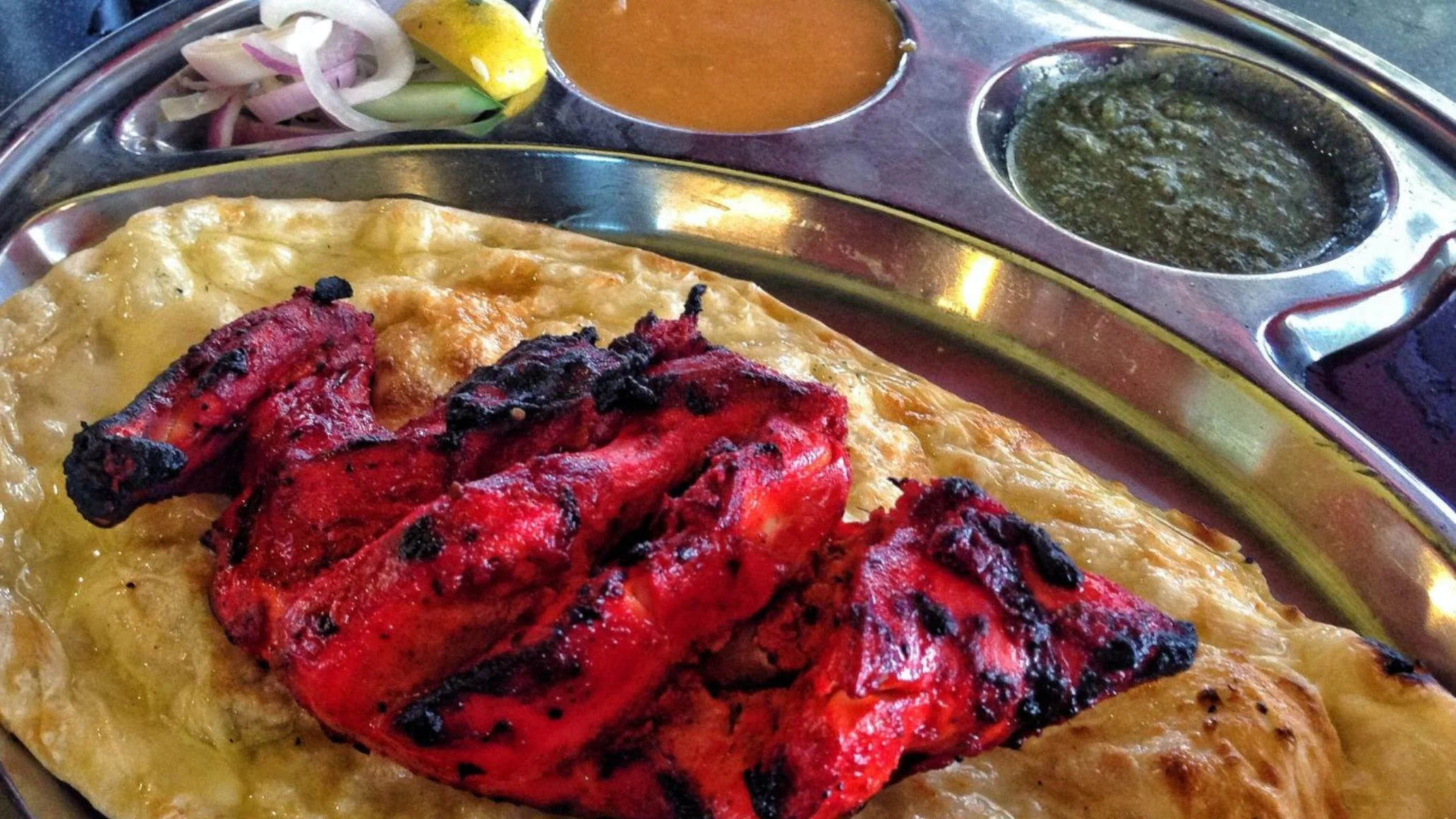
Freshly baked naan paired with succulent tandoori chicken is a popular lunch combination found throughout Malaysia. Cooked in a traditional clay tandoor oven, the naan develops a soft interior and slightly charred exterior.
The accompanying chicken is marinated in yoghurt and spices before being roasted until tender, creating a flavourful meal that showcases Malaysia’s Indian culinary influences.
Teochew Porridge
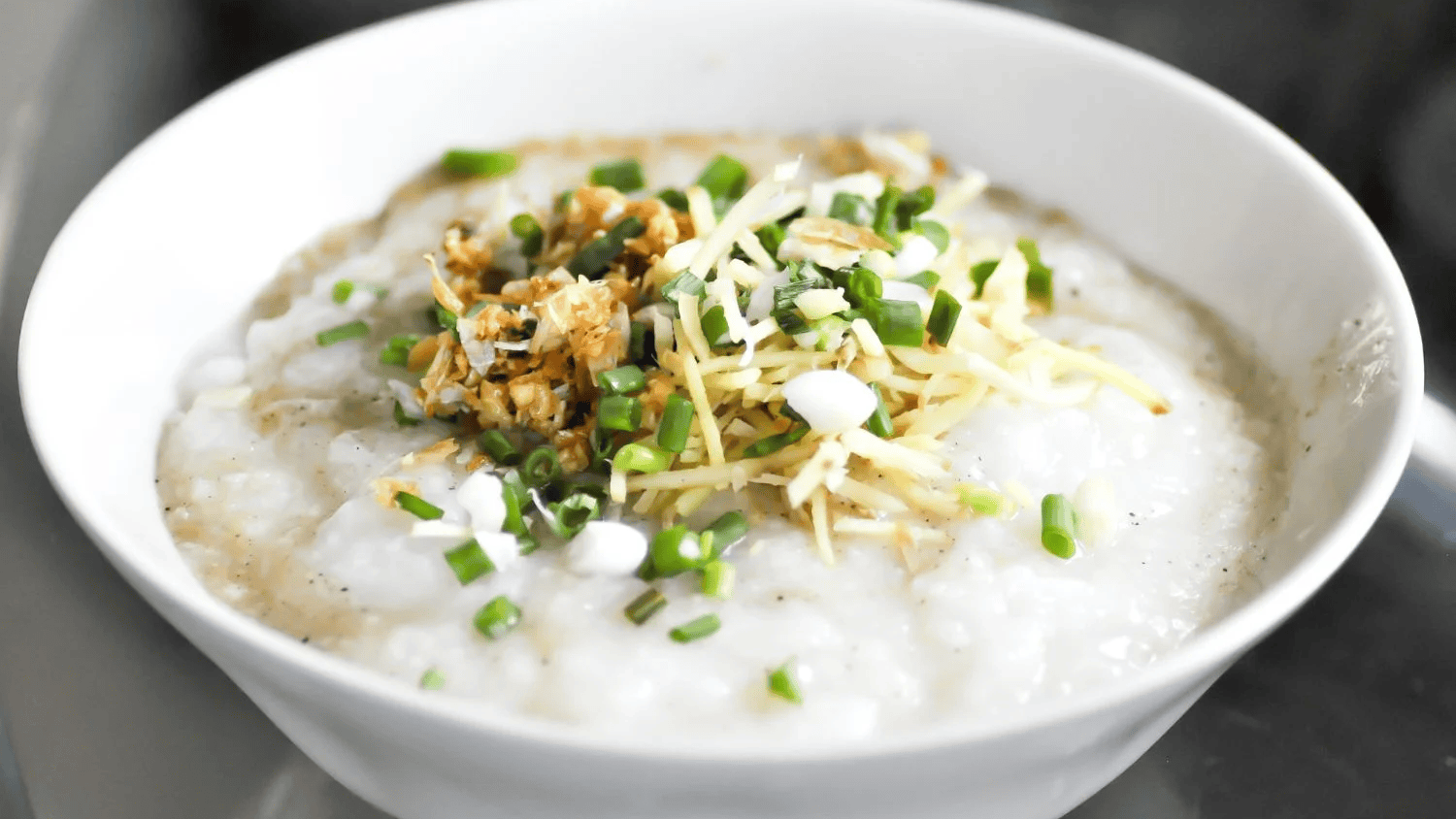
For those seeking a lighter yet nourishing lunch, Teochew Porridge offers a comforting option. Plain rice porridge is served alongside a variety of side dishes such as vegetables, seafood, minced meat, preserved vegetables and eggs.
The meal is particularly popular among the Chinese community and is appreciated for its simplicity and home-style appeal.
Nasi Goreng
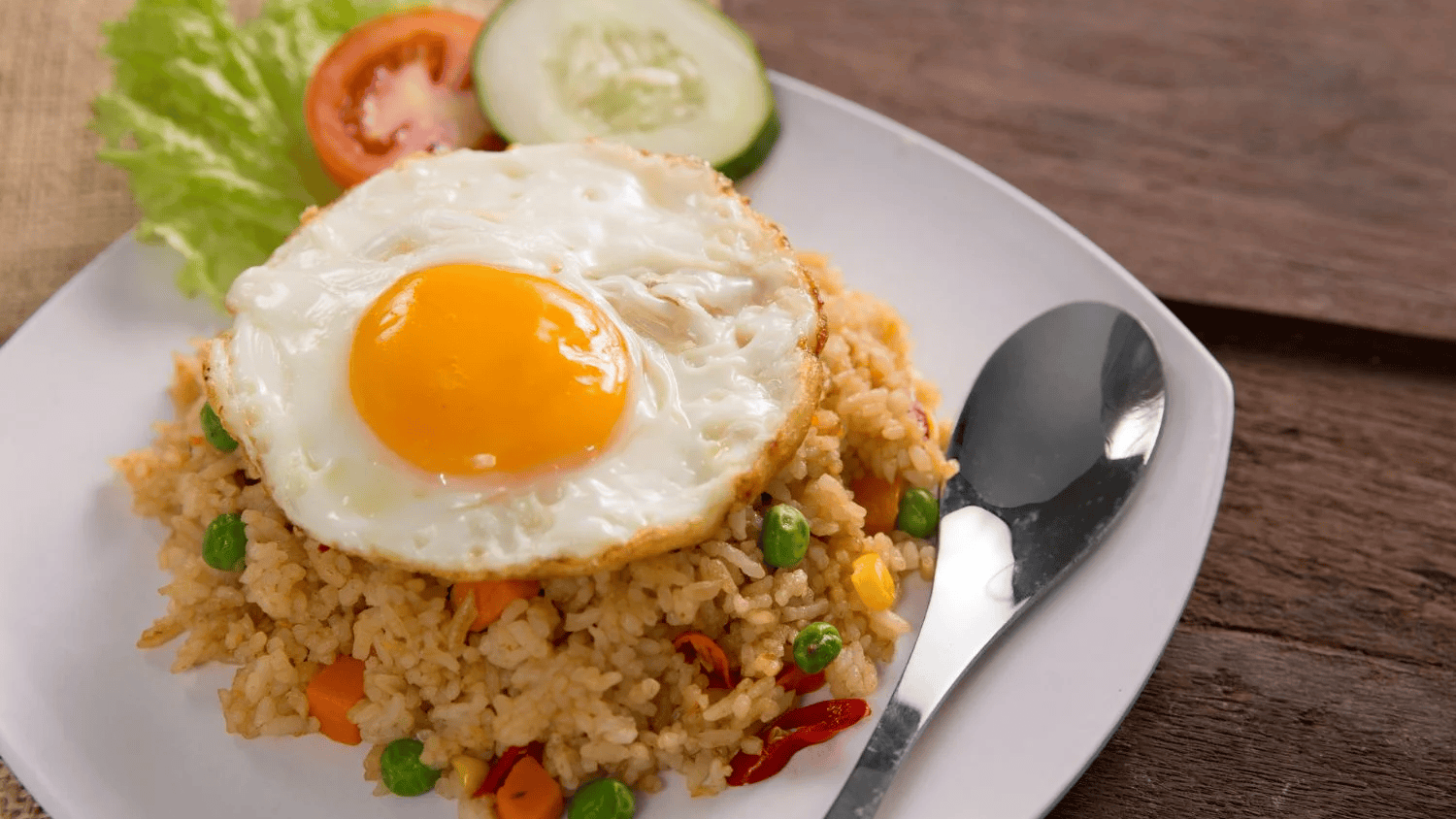
Few dishes are as universally loved as Nasi Goreng. Malaysian fried rice comes in numerous variations, including Nasi Goreng Kampung, Nasi Goreng Tom Yam and Nasi Goreng USA. Packed with flavour and cooked with a variety of ingredients, it provides a quick, affordable and delicious lunch option available throughout the country.
Noodles and Soups
Pan Mee

Pan Mee is a comforting noodle dish featuring handmade flat noodles served in either a clear savoury broth or a dry soy-based sauce. Common toppings include minced meat, vegetables and anchovies, creating a simple yet flavourful meal enjoyed by both locals and visitors.
Fish Ball Soup
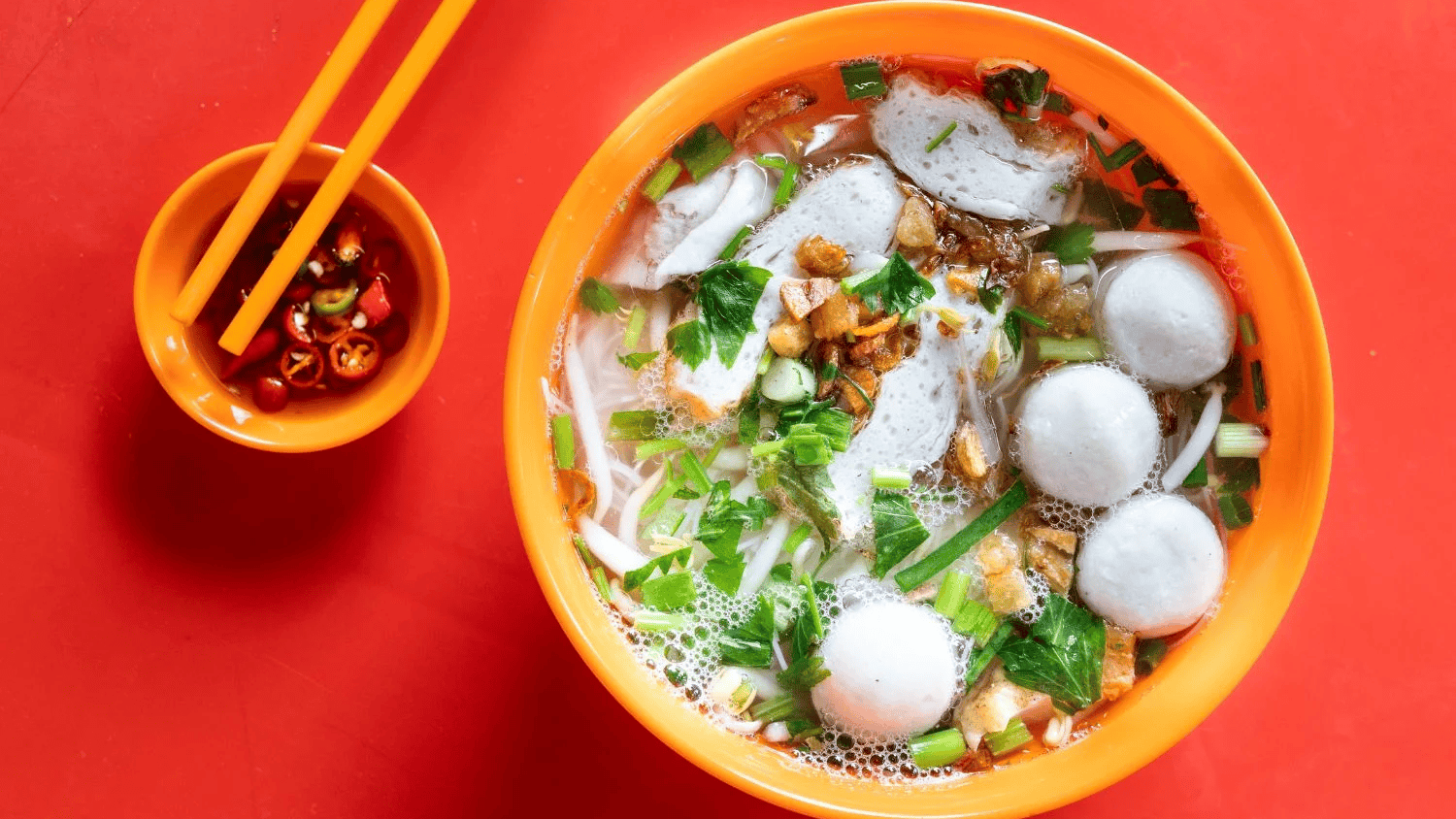
A favourite among many Malaysians, Fish Ball Soup features springy fish balls served in a light, clear broth. Often accompanied by noodles, the dish offers a satisfying yet refreshing lunch option.
Beef Kuey Teow
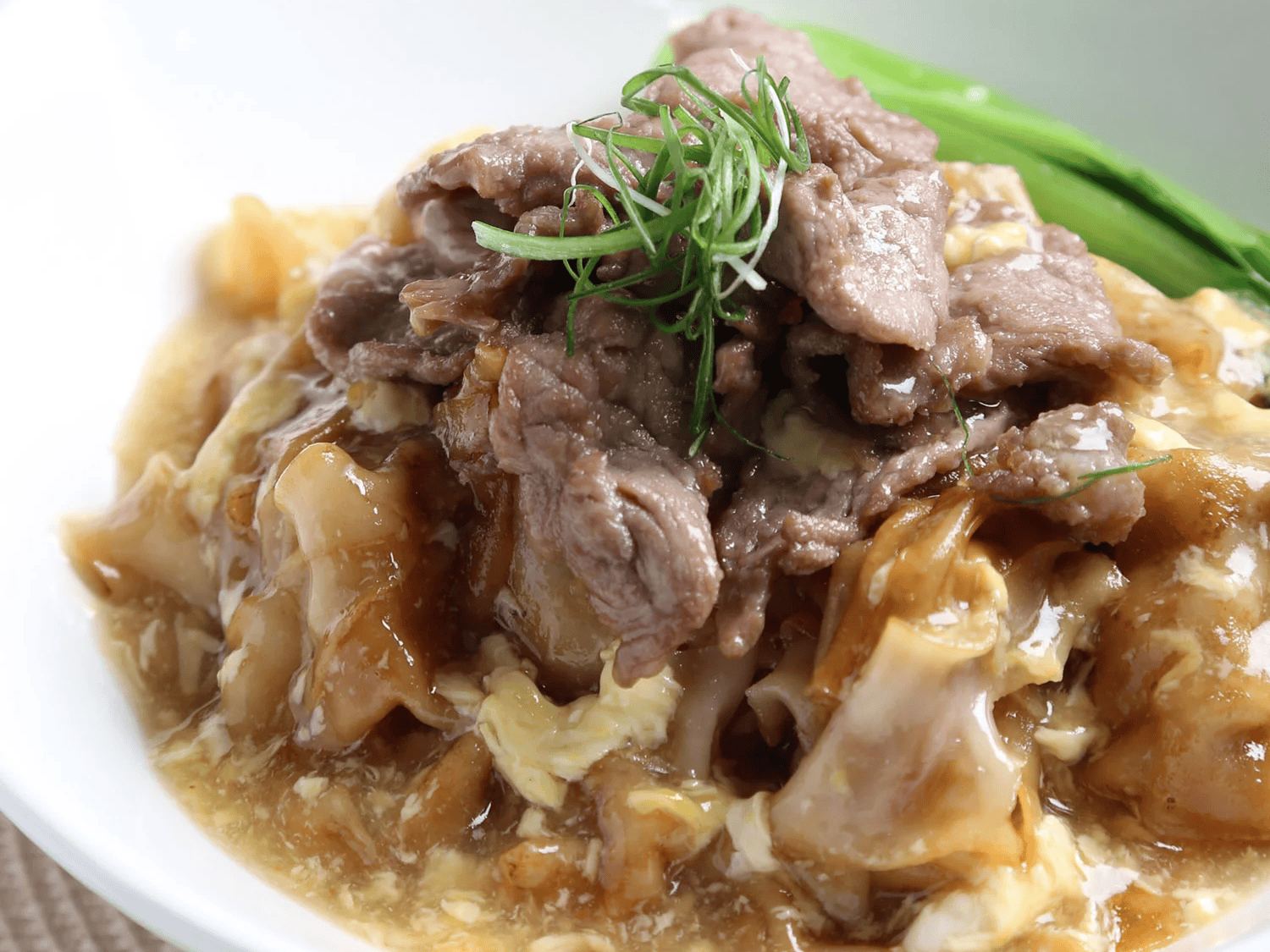
This smoky noodle dish combines silky flat rice noodles with tender beef slices stir-fried over high heat. The characteristic wok aroma and savoury seasoning make Beef Kuey Teow a popular choice across Malaysia.
Hokkien Mee
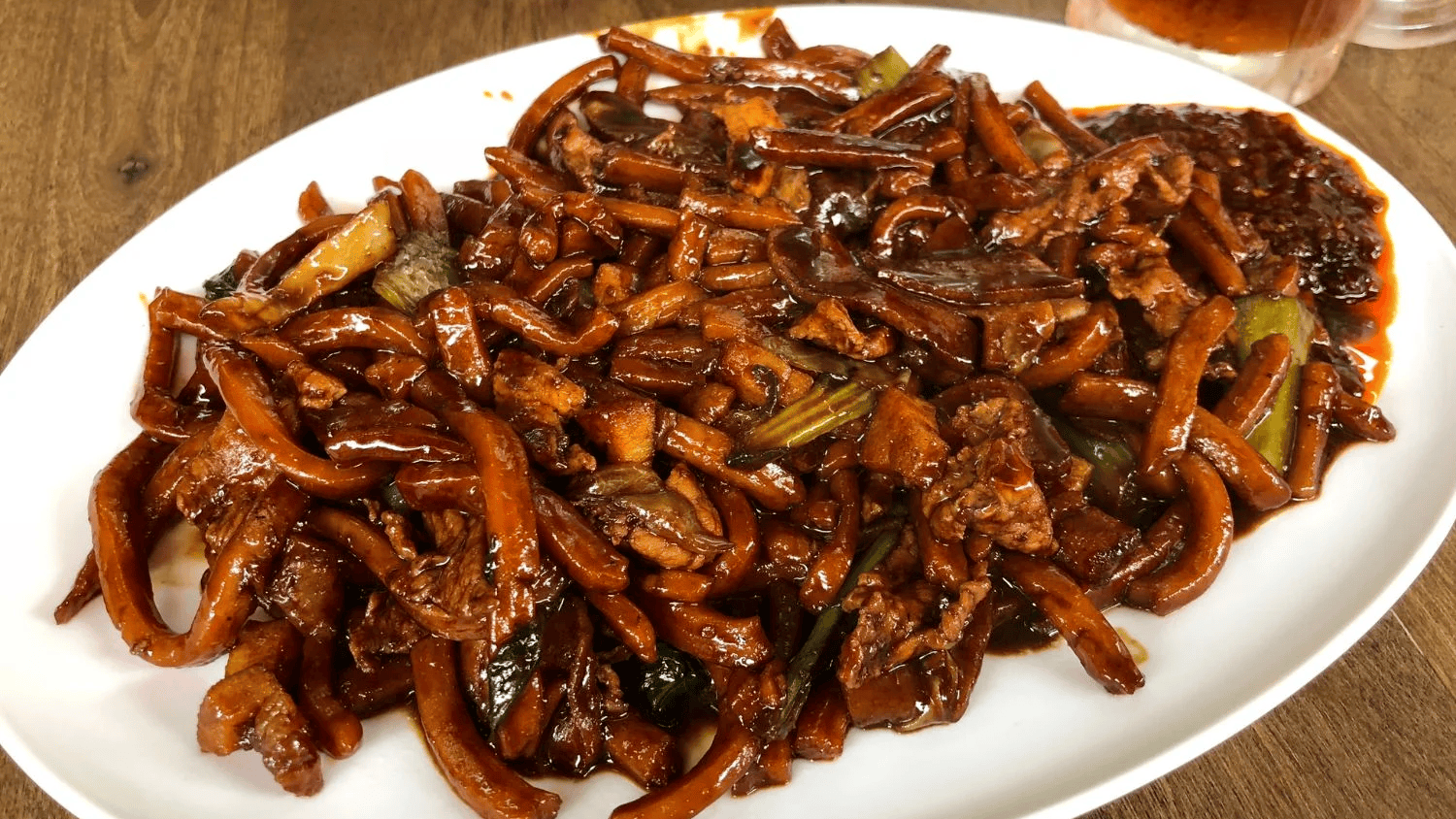
Hokkien Mee consists of thick noodles stir-fried in dark soy sauce with vegetables, prawns and sliced meat. Rich, savoury and packed with umami flavour, it remains a staple in many Chinese eateries throughout the country.
Mee Rebus

Mee Rebus features yellow noodles drenched in a thick, mildly spicy gravy made from potatoes, peanuts and aromatic spices. Topped with beef, bean sprouts, lime and crispy shallots, the dish offers a wonderful combination of flavours and textures.
Char Kuey Teow
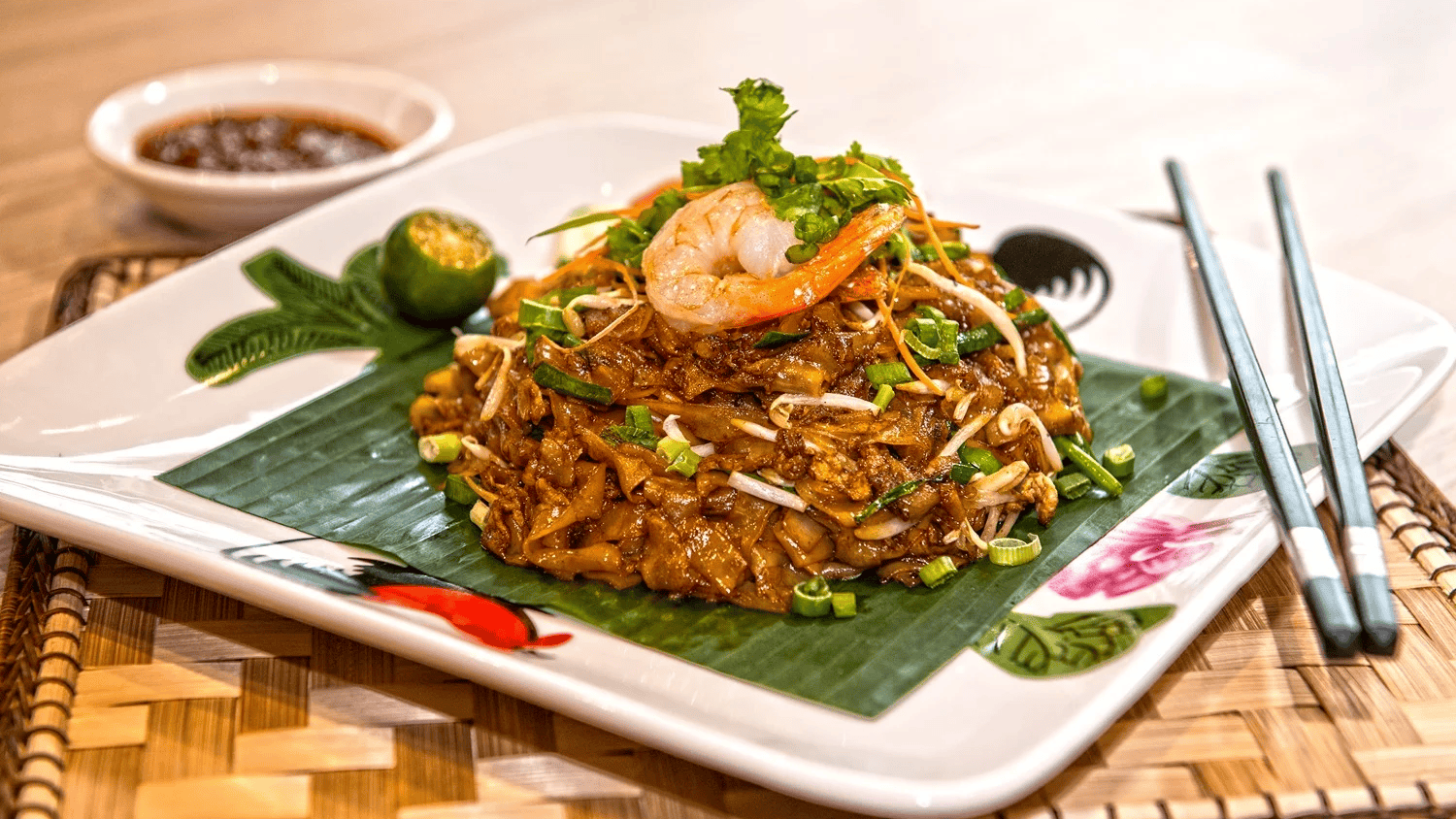
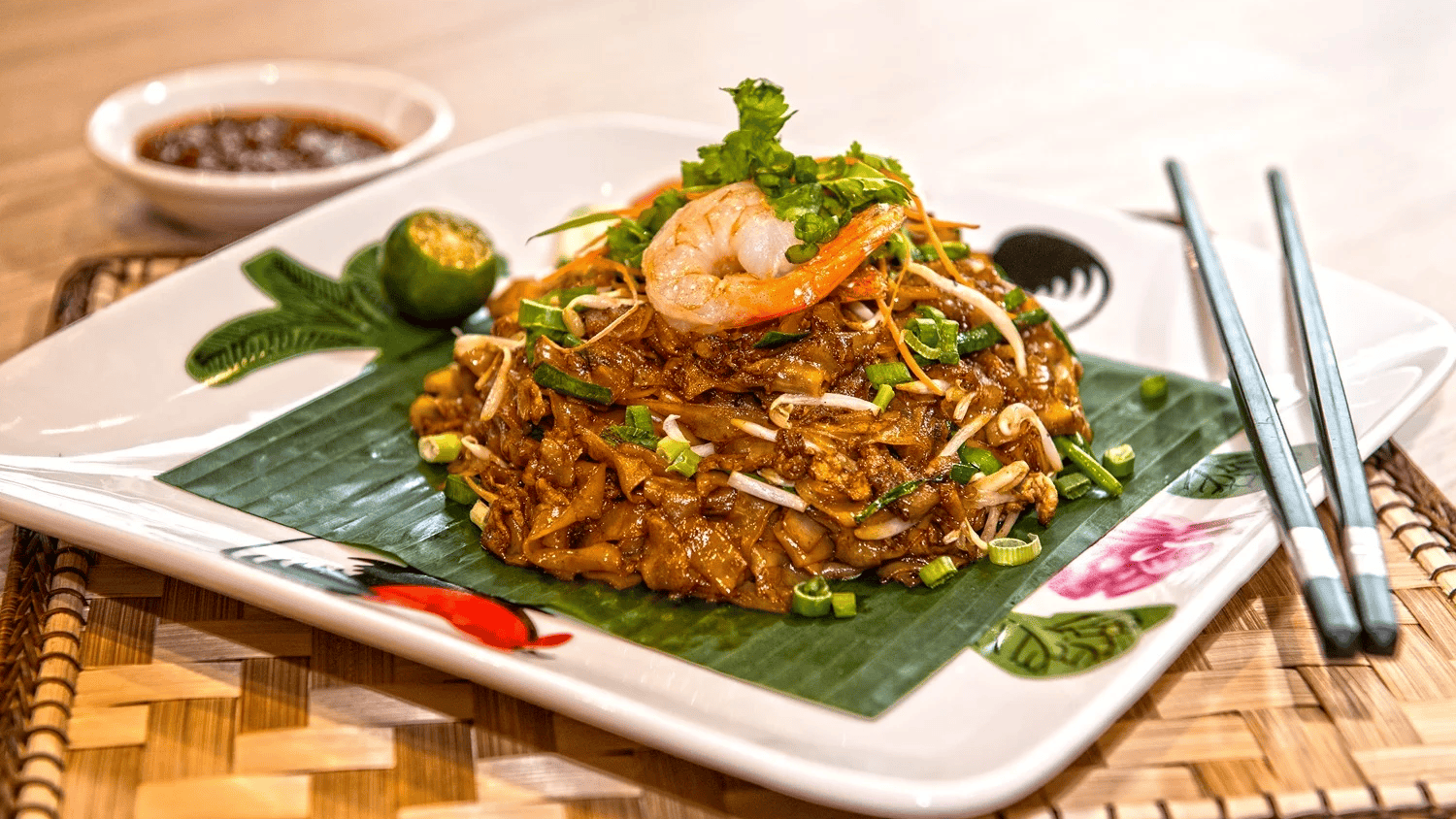
One of Malaysia’s most celebrated street food dishes, Char Kuey Teow combines wide rice noodles with prawns, eggs, bean sprouts and chives, all stir-fried over intense heat.
The result is a smoky, aromatic dish prized for its distinctive wok hei flavour. Variations can be found throughout the country, each offering its own unique interpretation.
Assam Laksa
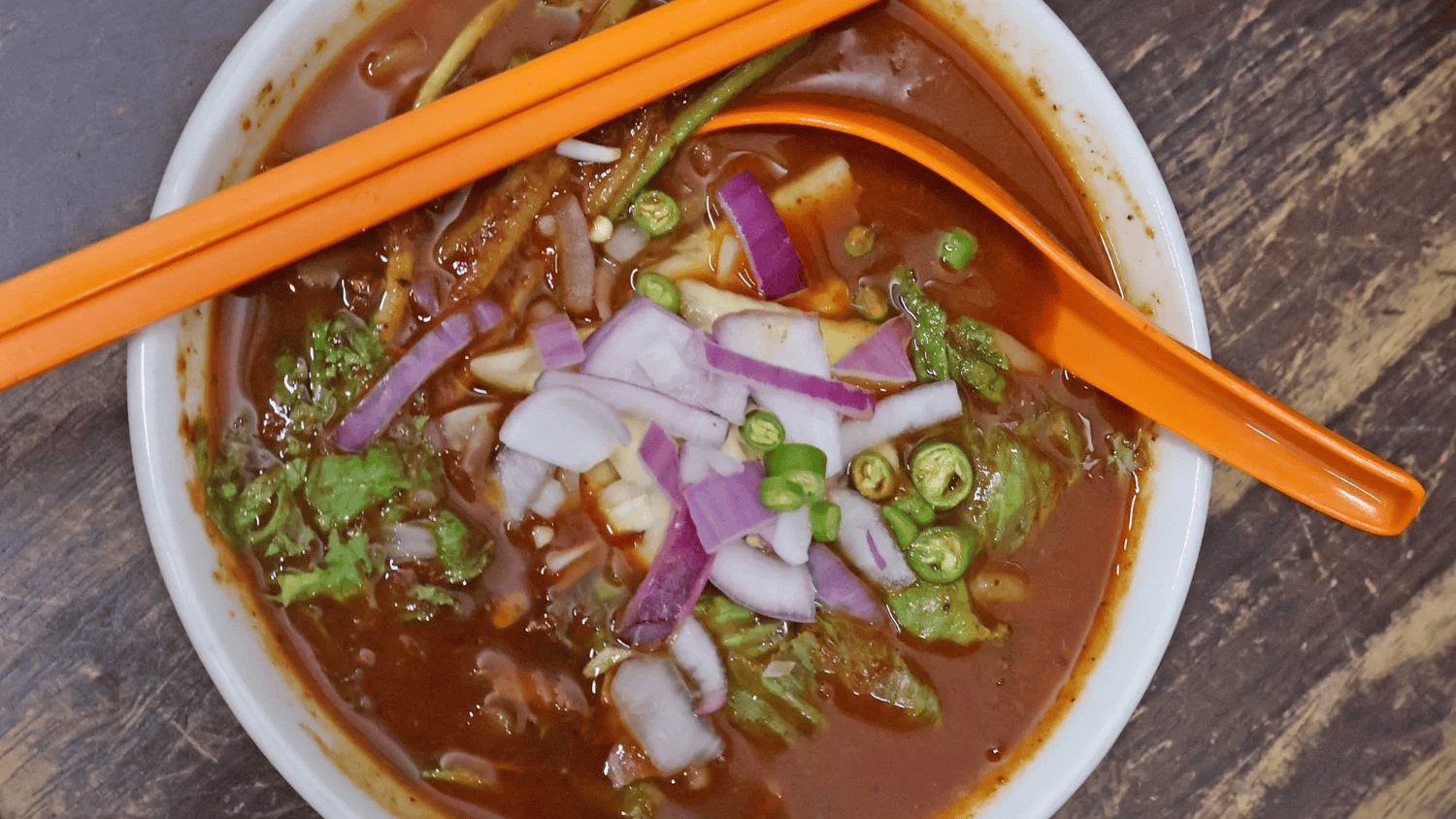
Known for its tangy and refreshing flavour profile, Assam Laksa features thick rice noodles served in a fish-based broth infused with tamarind, herbs and spices. Topped with pineapple, cucumber, onions and shrimp paste, it delivers a complex combination of sweet, sour and savoury notes.
Curry Laksa

Rich and indulgent, Curry Laksa is a coconut milk-based noodle soup infused with spices such as turmeric, lemongrass and chillies. Filled with seafood, chicken, tofu puffs and noodles, it remains one of Malaysia’s most beloved comfort foods.
Mee Goreng

A staple of Malaysian street food culture, Mee Goreng consists of yellow noodles stir-fried with vegetables, tofu, potatoes and a sweet-spicy sauce. The addition of seafood or meat creates a satisfying meal enjoyed at hawker centres and Mamak eateries nationwide.
Sarawak Laksa
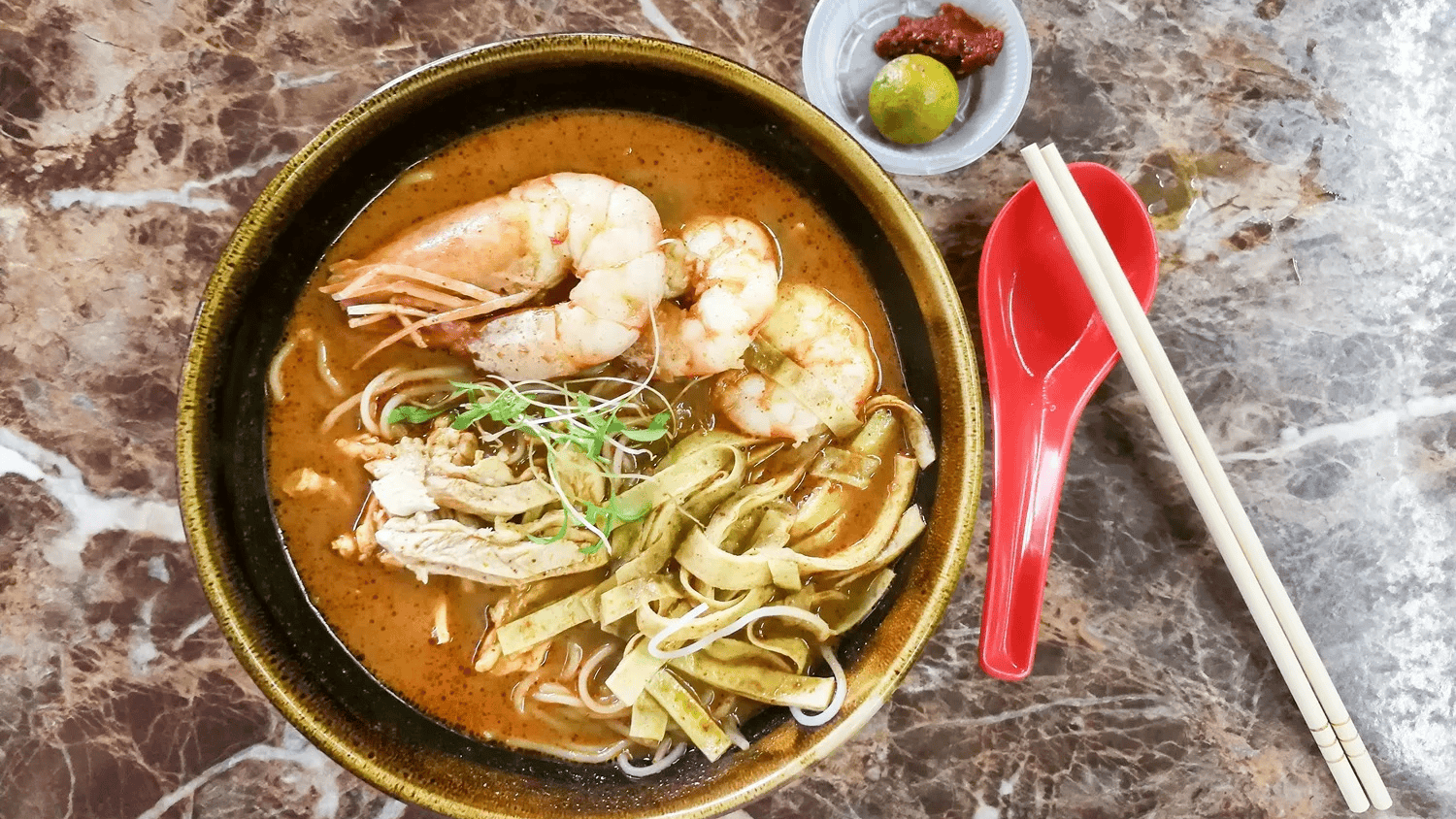
Hailing from East Malaysia, Sarawak Laksa combines rice noodles with a richly flavoured broth made from spices, tamarind and seafood. Topped with shredded chicken, egg and herbs, it offers a unique taste of Sarawak’s multicultural culinary traditions.
Mee Jawa

Mee Jawa is characterised by its thick potato-based gravy flavoured with aromatic spices. Served with yellow noodles, beef, bean sprouts and eggs, it is a hearty dish that showcases the influence of Javanese cuisine in Malaysia.
Wantan Mee
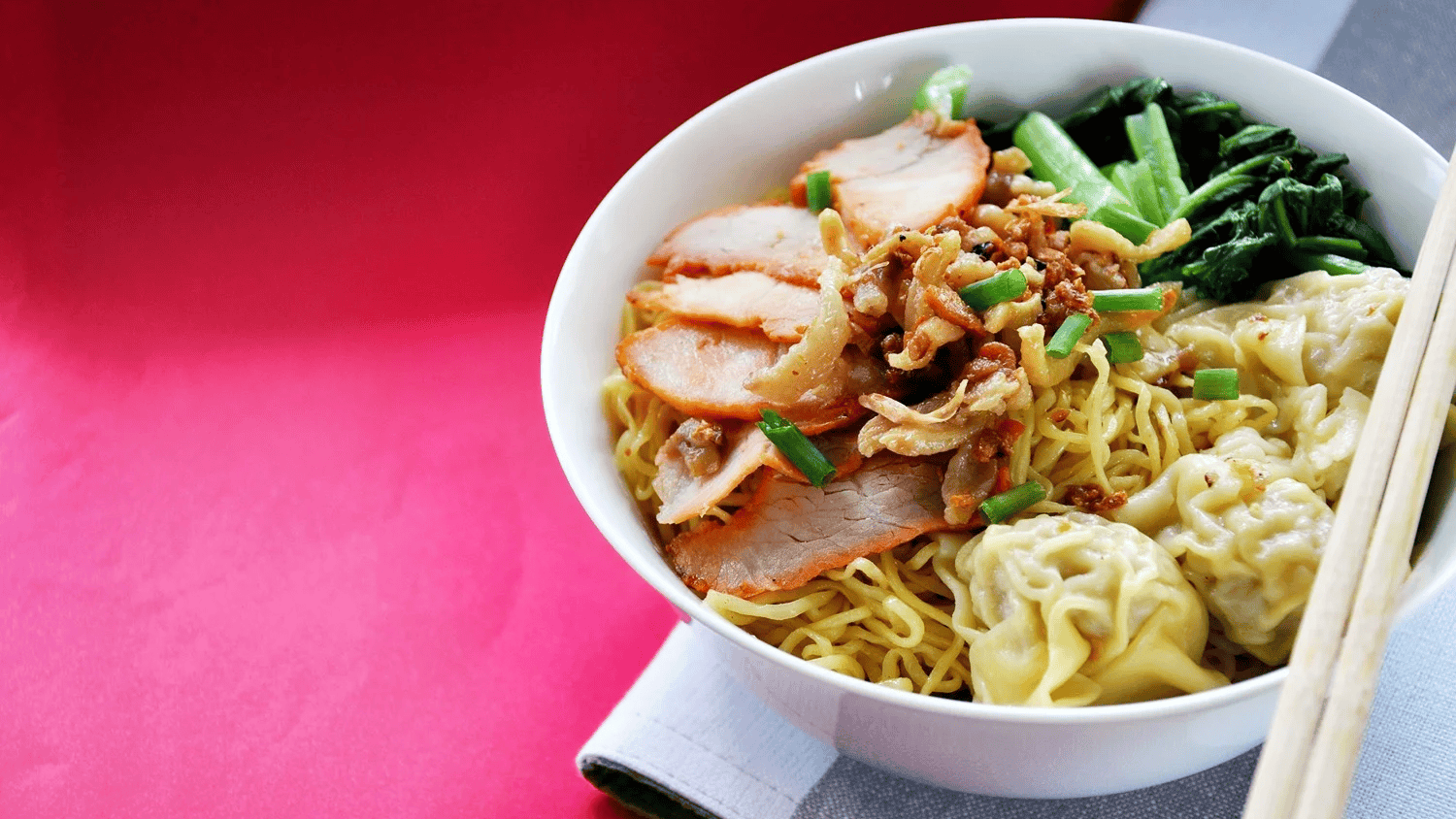
Springy egg noodles topped with wontons and roasted meat make Wantan Mee a perennial favourite. The noodles are coated in a savoury sauce that delivers a rich umami flavour, creating a simple yet satisfying lunch.
Mee Bandung
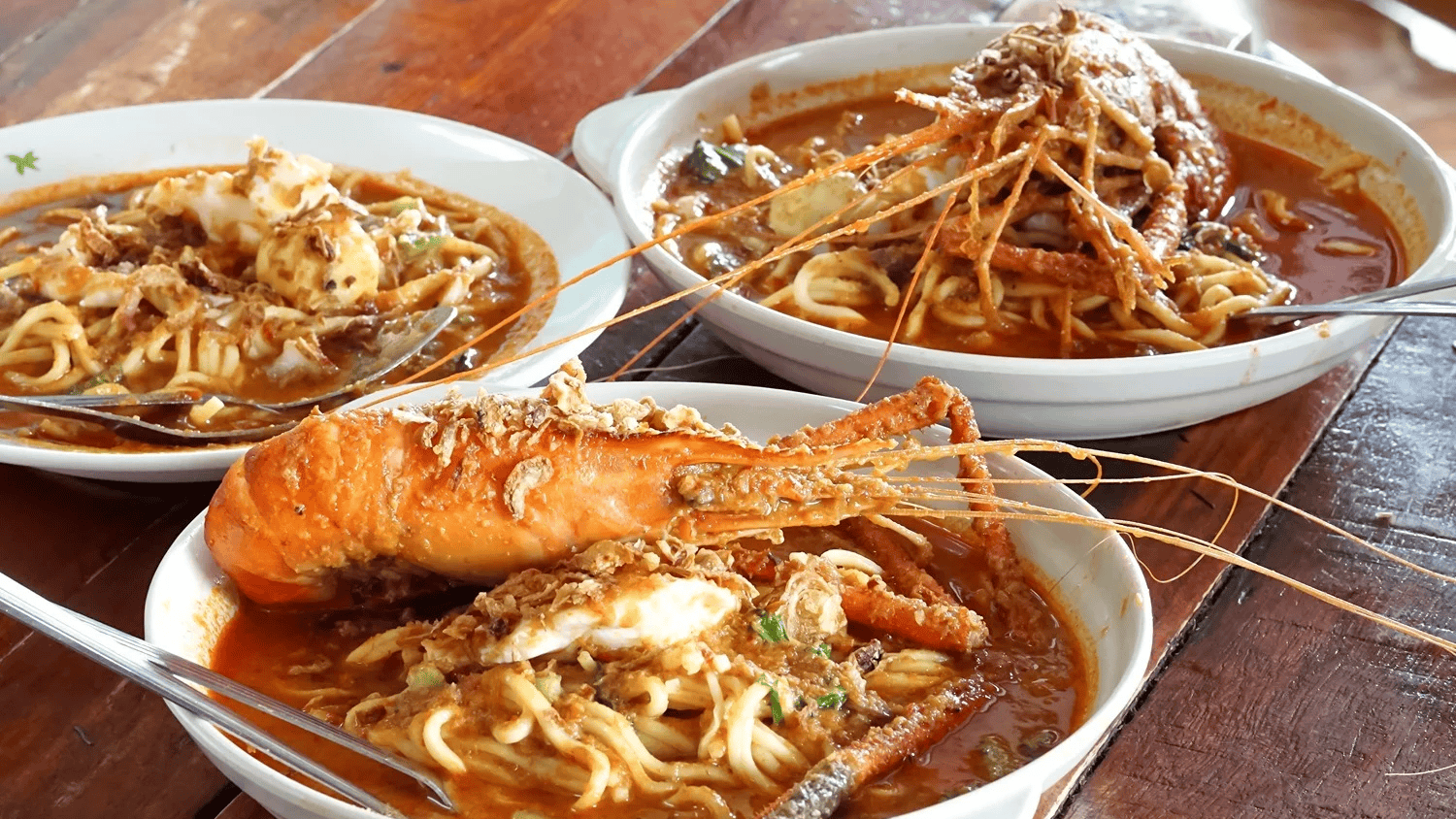
Originating from Johor, Mee Bandung features yellow noodles served in a spicy tomato and tamarind-based broth. Topped with prawns, eggs and fried shallots, it is known for its vibrant flavour and distinctive reddish appearance.
Kolo Mee
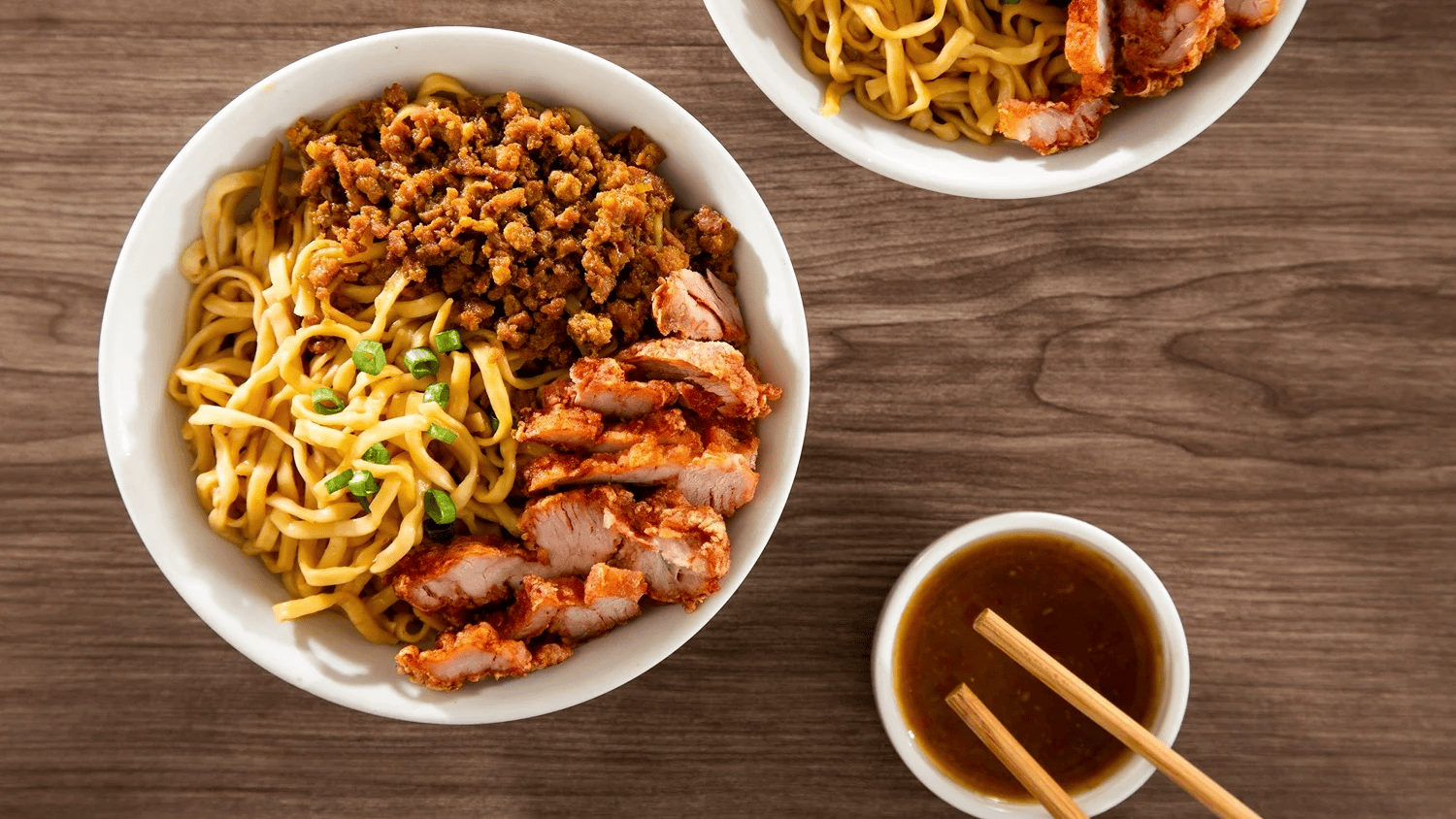
A signature dish of Sarawak, Kolo Mee consists of springy noodles tossed in a savoury sauce and topped with meat, seafood or halal alternatives. Its simplicity highlights the quality of the ingredients and the skill of the preparation.
Kueh Chap
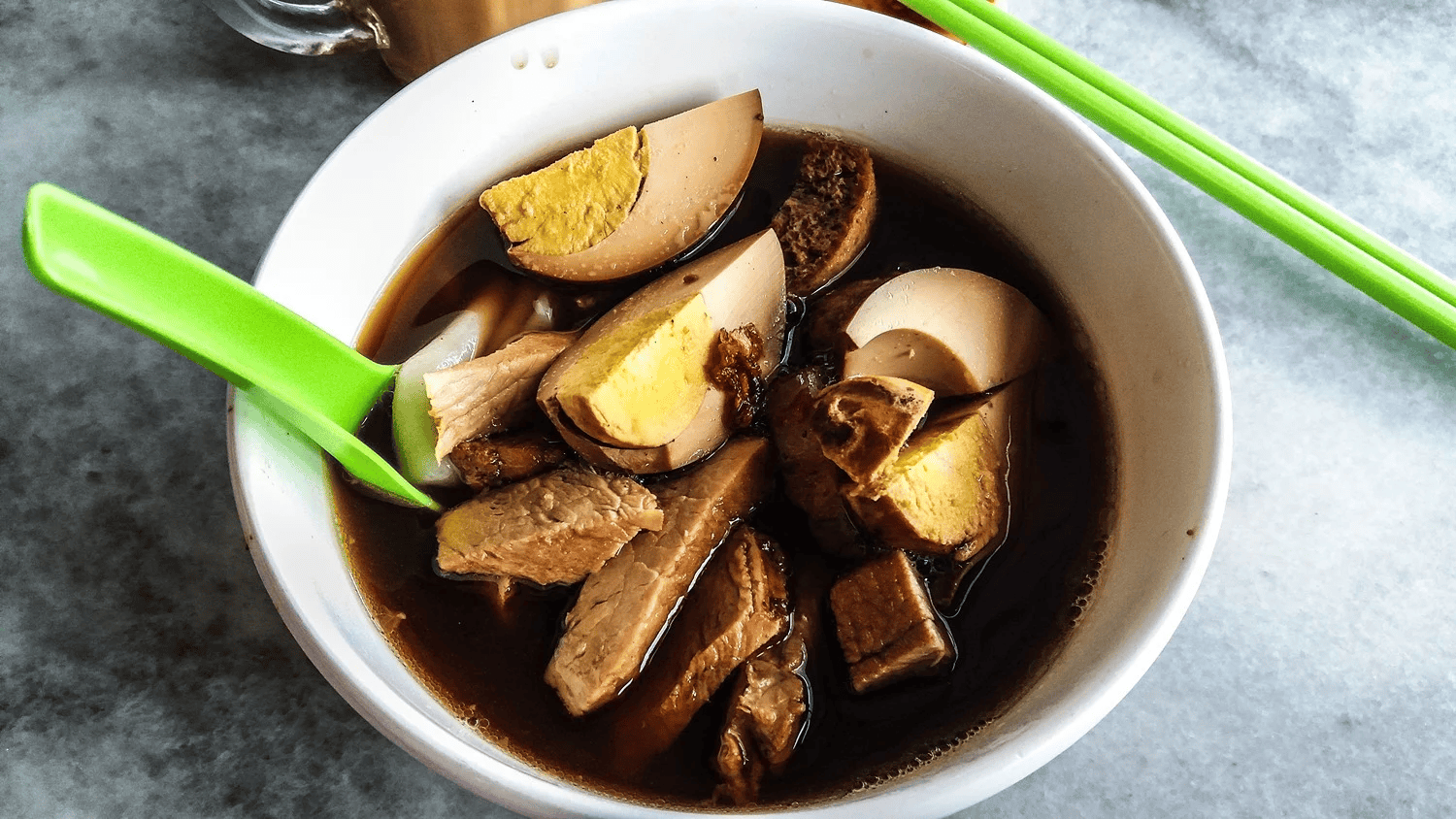
Popular among the Teochew community, Kueh Chap combines broad rice noodles with a rich broth and an assortment of braised ingredients. Comforting and deeply flavourful, it remains a cherished traditional dish.
A Never-Ending Lunchtime Adventure
Malaysia’s lunchtime offerings reflect the nation’s extraordinary cultural diversity. From richly spiced rice dishes and flavourful curries to comforting noodle soups and iconic street food favourites, every meal tells a story of heritage, community and culinary creativity.
What truly makes Malaysian cuisine special is its accessibility. Some of the country’s most memorable meals are found not in luxury restaurants but in humble hawker stalls, bustling food courts and neighbourhood eateries where generations of culinary traditions continue to thrive.
For travellers, exploring Malaysia’s lunch culture is more than simply enjoying great food—it is an opportunity to experience the country’s multicultural spirit through every bite. With countless dishes waiting to be discovered, every lunchtime in Malaysia becomes a delicious adventure.
Source: Malaysia Tourism