Ms. Andelyn Oh shares how visits to Taiwan’s leading technology and manufacturing hubs reinforced the importance of AI, collaboration, and industry innovation.
Ms. Andelyn Oh of Sin Chew Woodpaq has shared key insights gained from the Singapore Manufacturing Federation (SMF) Taiwan Business Mission 2026, highlighting the value of collaboration, artificial intelligence (AI), and innovation in strengthening the manufacturing sector. The mission provided delegates with opportunities to visit Taiwan’s leading technology institutions and engage with industry players to explore emerging trends and best practices.
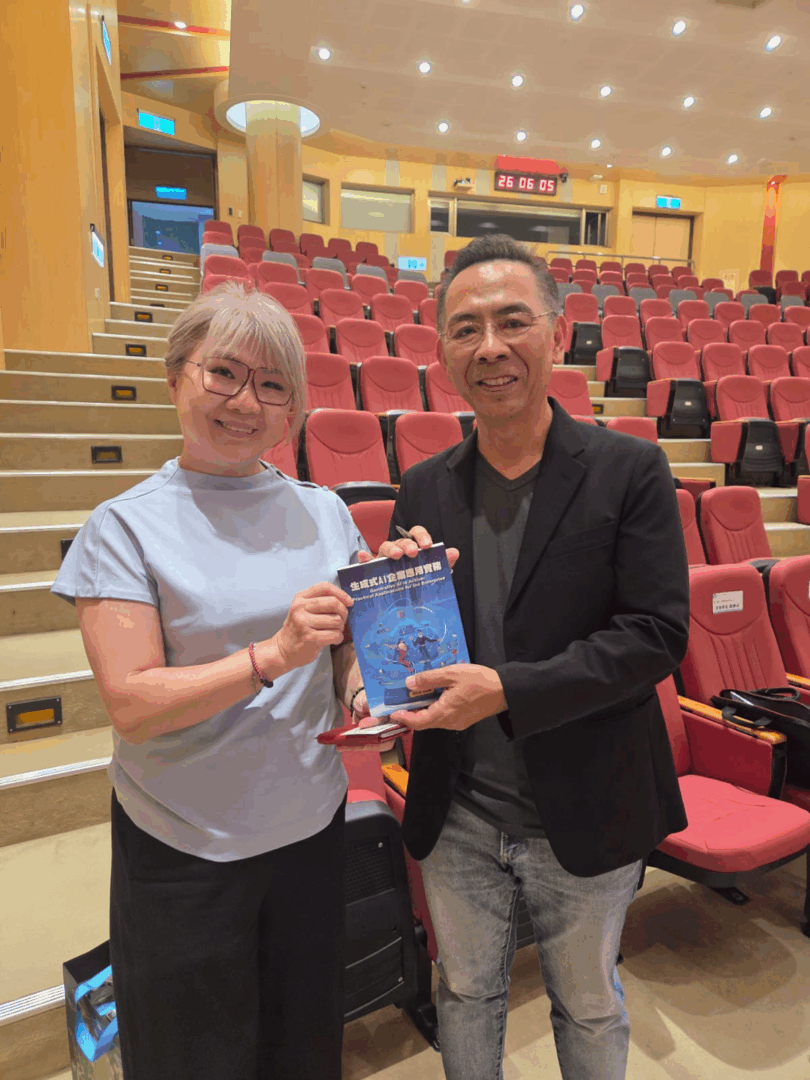
Organised by the Singapore Manufacturing Federation, the business mission included visits to COMPUTEX 2026, the Industrial Technology Research Institute (ITRI), Hsinchu Science Park, and several Taiwanese companies. The programme brought together representatives from Singapore’s manufacturing community to exchange ideas, strengthen industry networks, and gain first-hand exposure to Taiwan’s advanced manufacturing ecosystem.
Reflecting on the experience, Ms. Oh described COMPUTEX as one of the highlights of the mission, noting that the scale of innovation and collaboration among startups, global technology companies, manufacturers, and research institutions exceeded her expectations. She said the visit demonstrated the strength of Taiwan’s integrated innovation ecosystem and the importance of fostering closer collaboration across industry stakeholders.
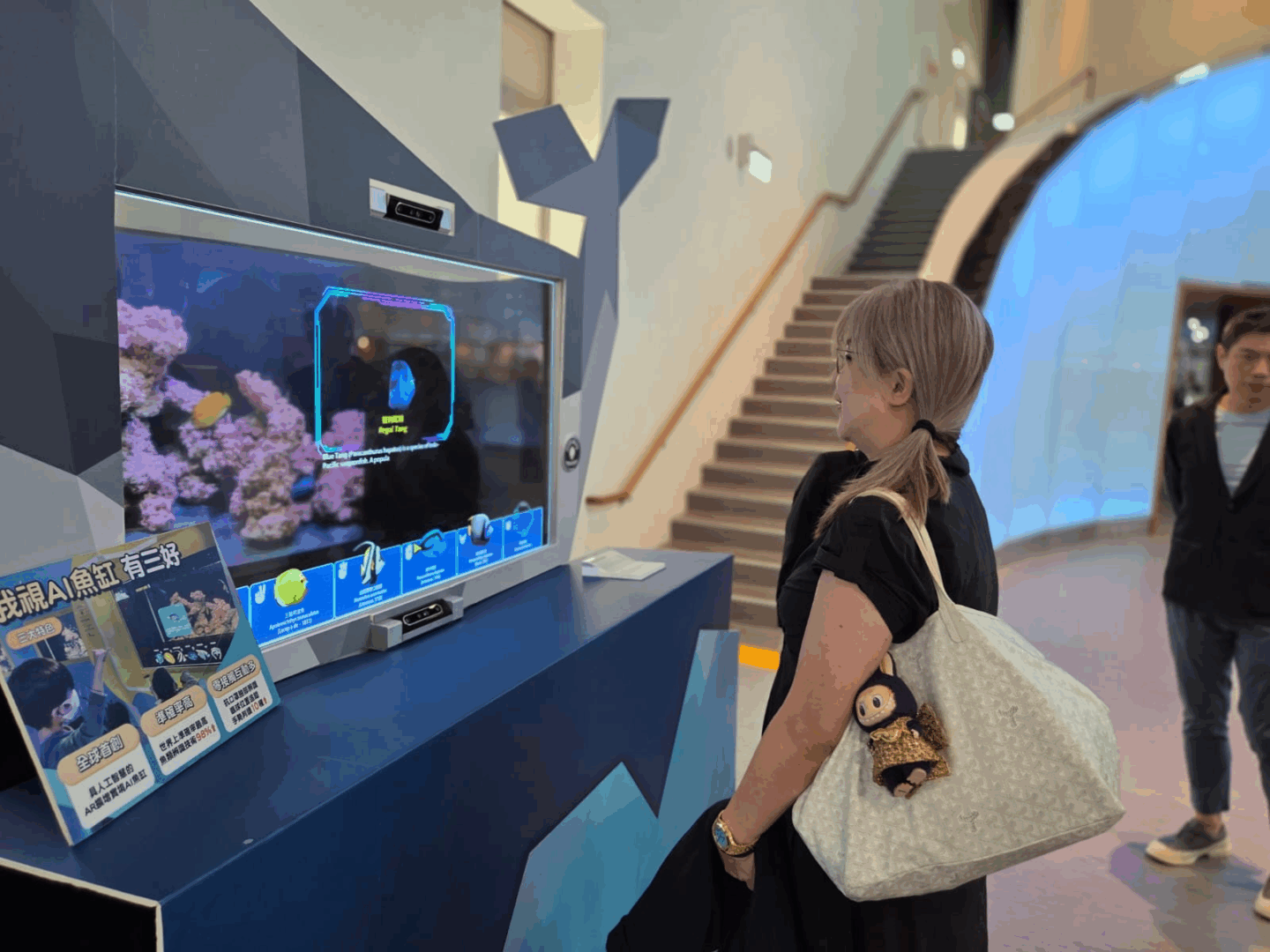
She also observed that Taiwan’s close partnership between government, research institutes, and industry has created a seamless innovation pipeline that supports the commercialisation of new technologies. According to Ms. Oh, this model offers valuable lessons for Singapore manufacturers seeking to strengthen collaboration and accelerate innovation.
The mission also influenced how Sin Chew Woodpaq views the role of AI in its business operations. Ms. Oh noted that AI extends beyond improving efficiency and has the potential to enable new business models. She shared that Taiwan’s integration of AI into manufacturing encouraged the company to explore how intelligent technologies could optimise logistics while delivering smarter and more adaptive solutions for customers.
Among the most notable observations was the widespread adoption of AI and automation in logistics operations. Rather than being implemented as standalone initiatives, technologies such as warehouse robotics and predictive supply chain systems were embedded into daily operations. Ms. Oh said this demonstrated how automation can support employees by improving decision-making, increasing operational resilience, and enhancing service delivery.
Beyond the technical visits, the mission also provided valuable opportunities for participants to connect with peers from across Singapore’s manufacturing sector. Ms. Oh said discussions with representatives from industries ranging from food and beverage to engineering reinforced that businesses face similar challenges in digital transformation, highlighting the importance of cross-sector collaboration and knowledge sharing.
Explaining the decision to join the SMF delegation, Ms. Oh said participating as part of a collective delegation enabled Singapore companies to engage in higher-level discussions and represent the country’s manufacturing community with a unified voice. She added that the shared experience created opportunities that would have been difficult to achieve independently.
Source: Singapore Manufacturing Federation