Discover Seremban through its distinctive architecture, royal heritage, religious landmarks, vibrant street art and tranquil green spaces. From historic institutions to modern cultural attractions, the city offers a rich introduction to Negeri Sembilan’s diverse heritage.
Seremban, the capital of Negeri Sembilan, offers a fascinating blend of history, culture, architecture and contemporary attractions. Located within easy reach of Kuala Lumpur, the city provides visitors with opportunities to explore the state’s distinctive Minangkabau heritage while discovering its religious landmarks, royal history, artistic spaces and recreational areas.
From the striking architecture of Masjid Sri Sendayan to the historic Church of the Visitation and the collections of Galeri Diraja Tuanku Jaafar, Seremban presents a varied cultural experience. Here are several attractions that offer an insight into the character and heritage of the city.
Masjid Sri Sendayan
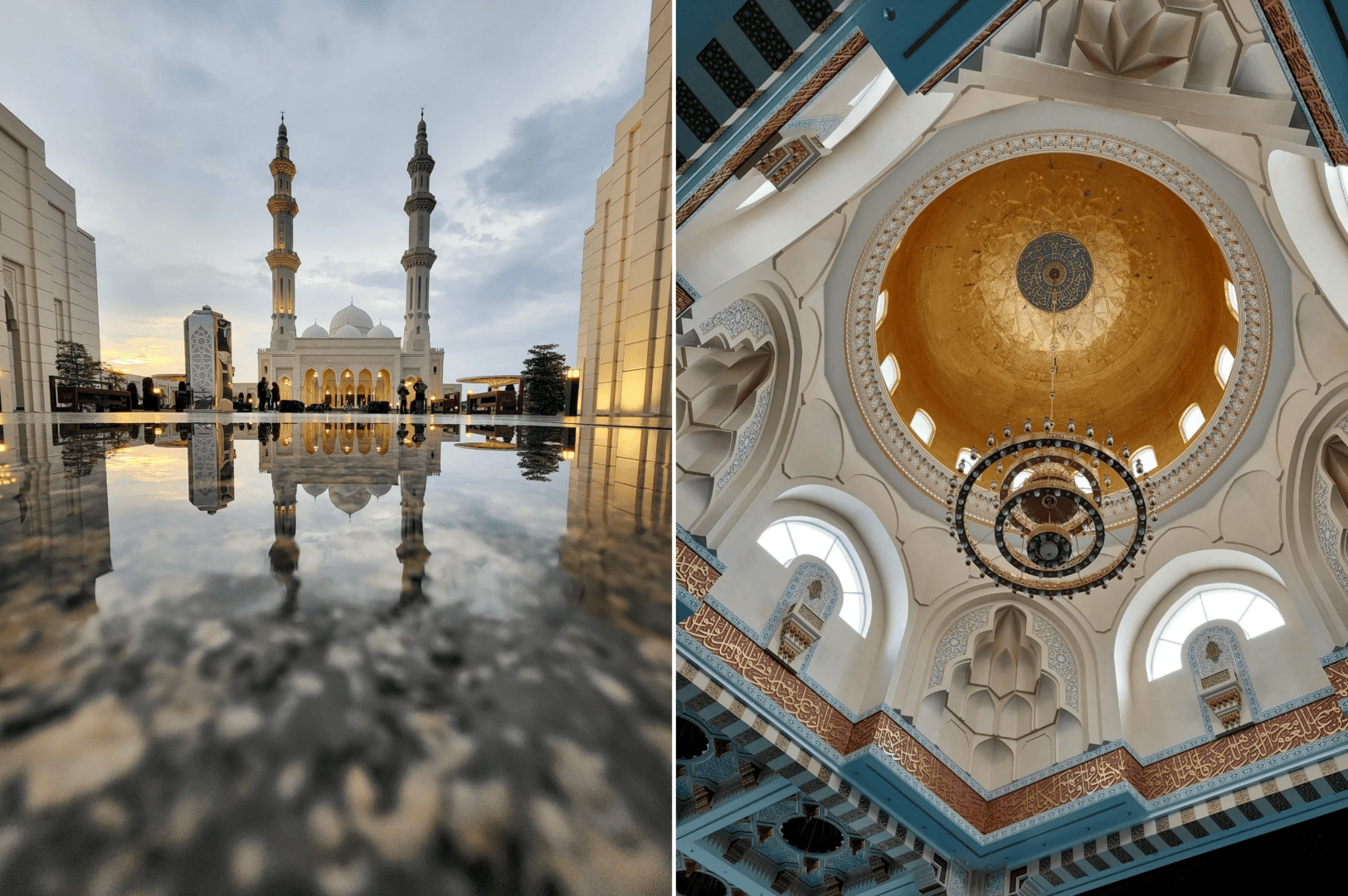
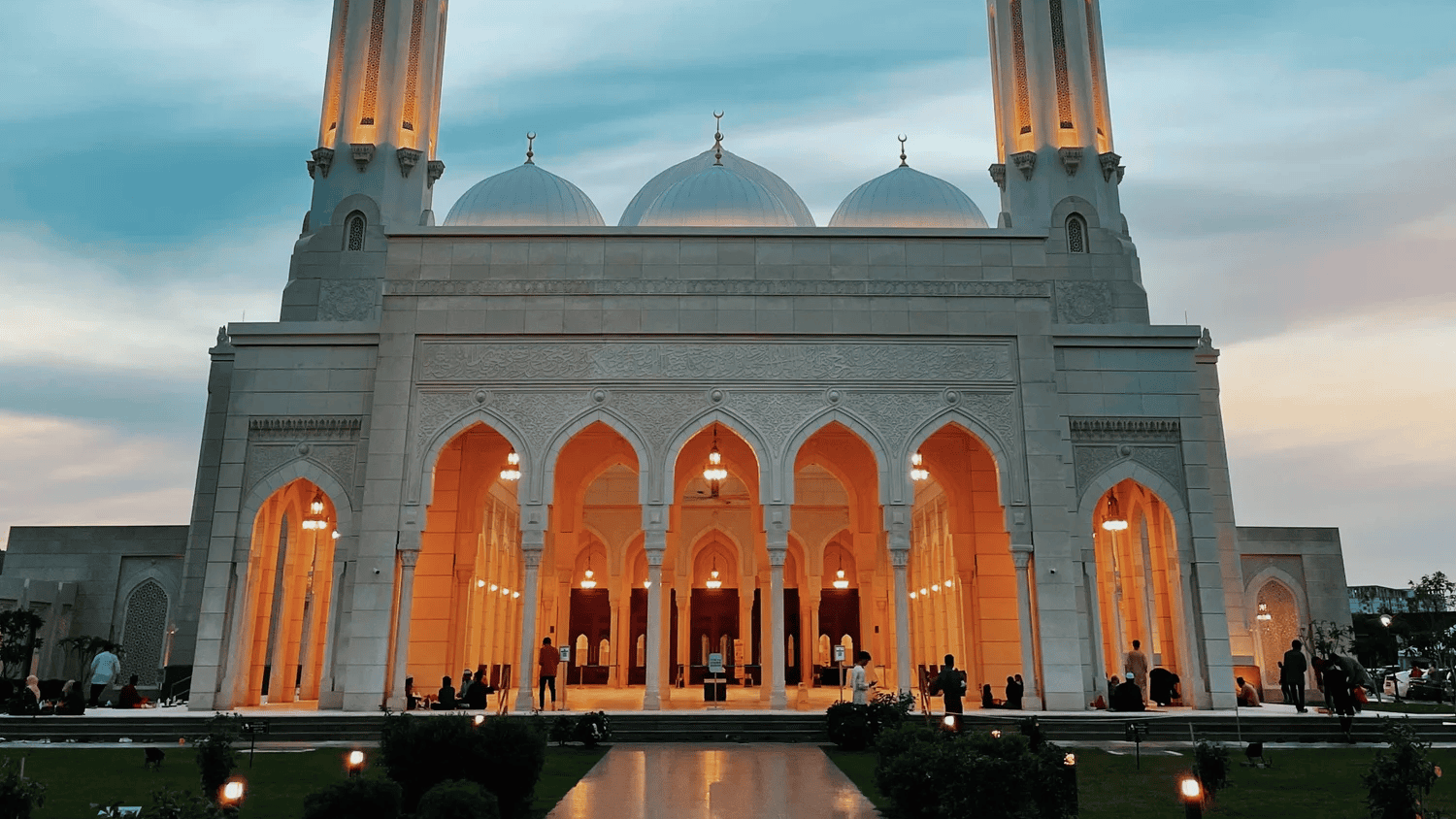
Located in Bandar Sri Sendayan, Masjid Sri Sendayan is one of Negeri Sembilan’s most recognisable architectural landmarks. Built in 2015 and officially opened on 20 September 2019, the mosque combines elements inspired by Abbasid, Mamluk, Umayyad and Ottoman architecture.
The 4.5-hectare complex features intricate wood carvings, gold detailing and elegant Islamic calligraphy. Its facilities include three prayer halls, with the main hall accommodating up to 3,000 worshippers, alongside separate halls with capacities of 800 each.
Founded by Tan Sri Abdul Rashid Hussain, the mosque serves not only as a place of worship but also as a centre for religious education and community activities. Visitors are welcome, although appropriate dress is required. Women who are not Muslim are required to cover their heads, while all visitors should wear modest clothing that covers the body. Photography is not permitted during prayers or religious lectures.
Located around 30 minutes from central Seremban by car, the mosque can also be reached by taxi or e-hailing services from Seremban KTM station.
Seremban Street Art Lane
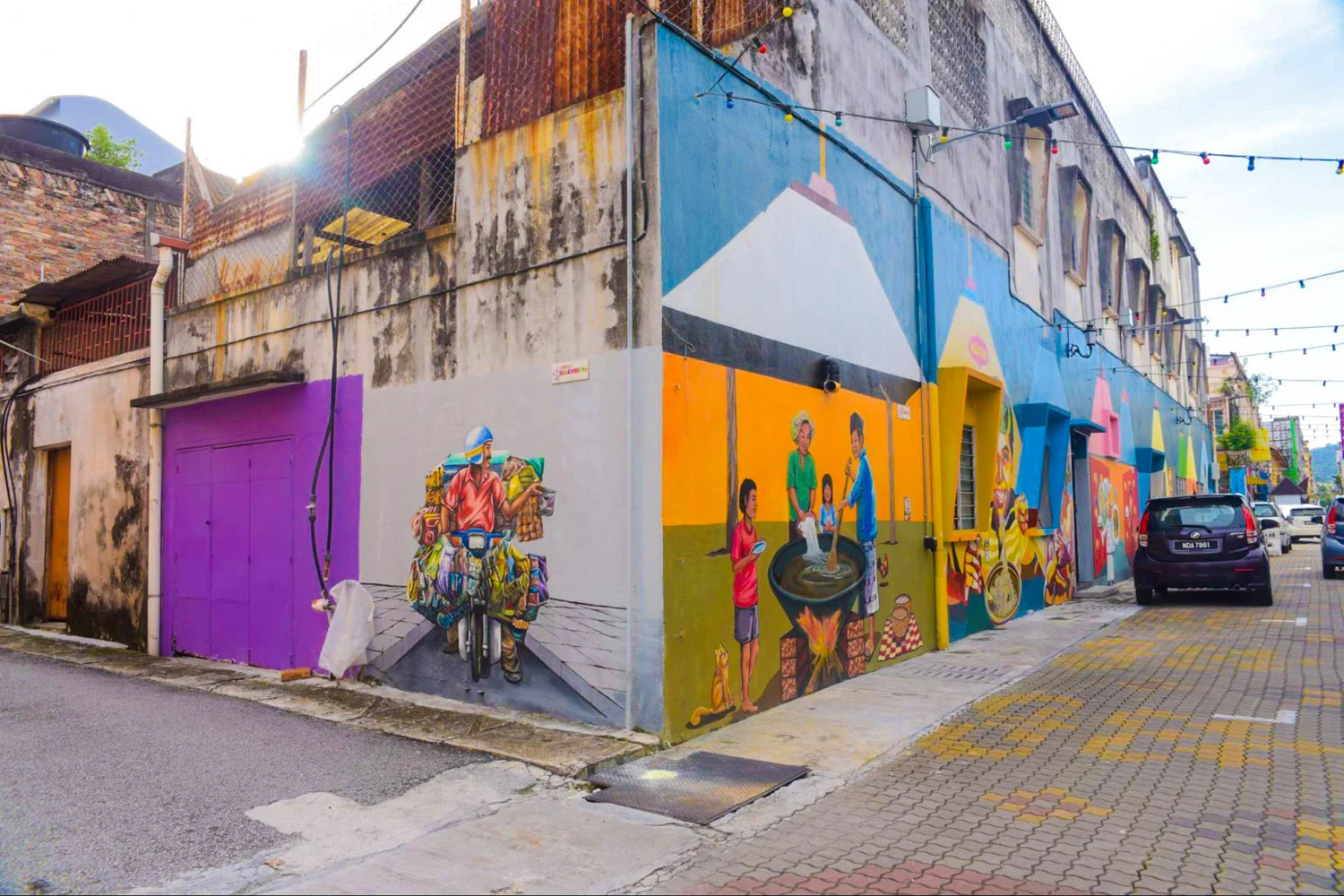
For a more contemporary experience, Seremban Street Art Lane brings colour and creativity to the city centre. Stretching approximately 250 metres along several streets and Benteng Walk, the attraction features more than 30 murals representing different artistic styles.
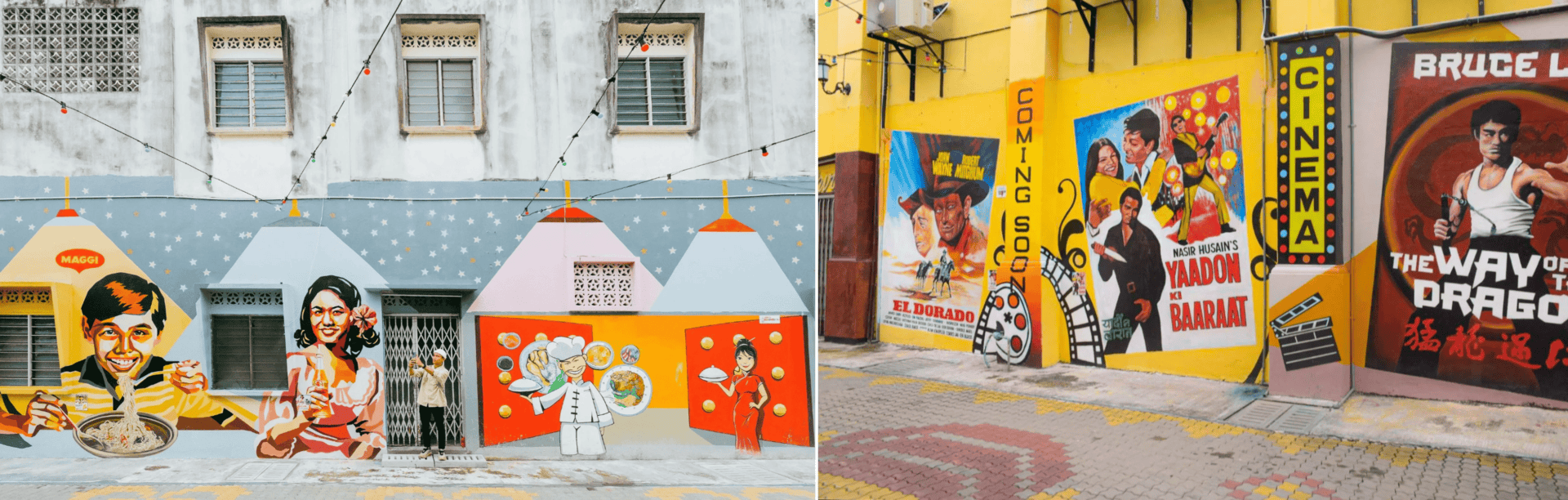
Established in 2019 and renovated in November 2021, the street art initiative transformed previously underused back lanes into vibrant public spaces. It also features works by six local painters, highlighting local creativity while adding a distinctive visual dimension to Seremban’s urban landscape.
The central location makes the attraction easy to explore on foot, with several points in the town centre within a short walking distance.
Negeri Sembilan State Mosque
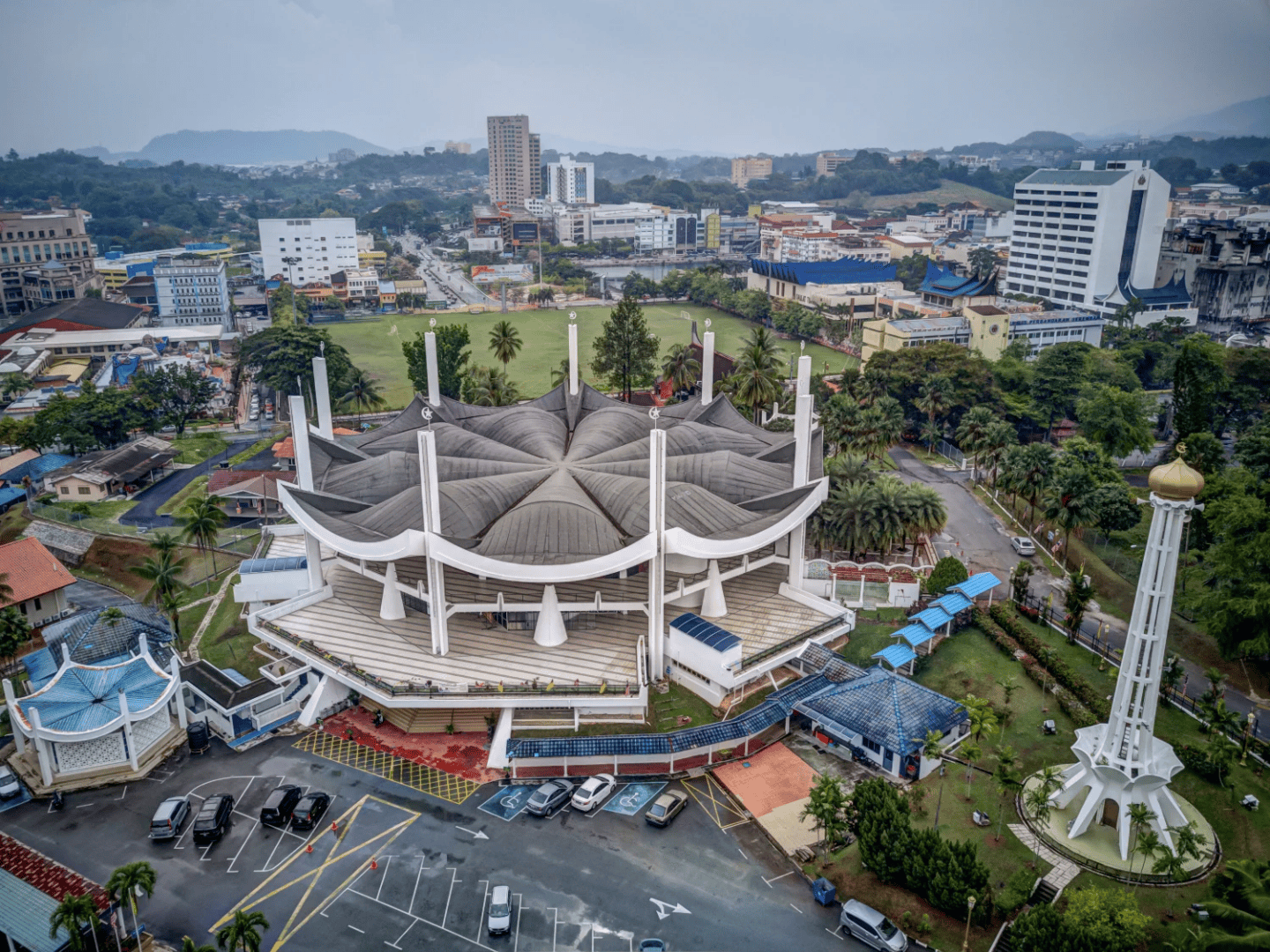
The Negeri Sembilan State Mosque is another important landmark in Seremban. Built during the city’s rapid development in the early 1960s, the mosque replaced the former Jamek Mosque, which had become insufficient for the growing number of worshippers.
Its most distinctive feature is its nine-sided polygonal design, topped by a parasol-like roof. The design represents the nine districts of Negeri Sembilan and reflects the state’s unique identity.
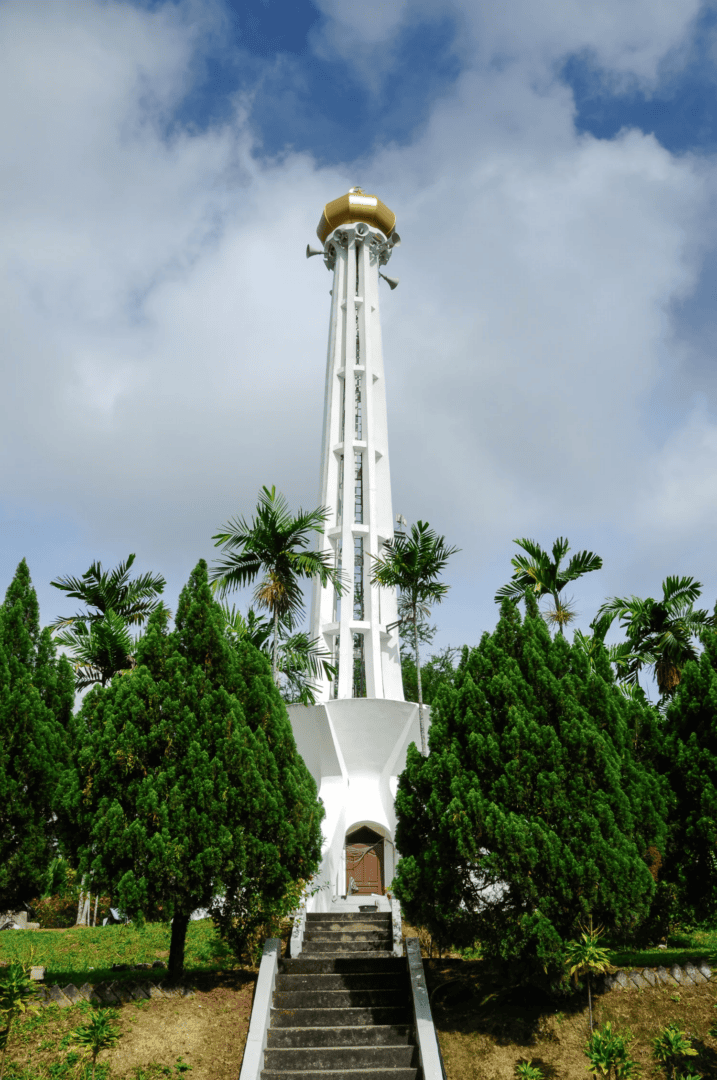
The mosque can accommodate up to 1,500 worshippers and includes a main prayer hall, women’s gallery, conference rooms, dining facilities and ablution areas. Surrounded by the greenery of Seremban Lake Garden, it also forms a prominent gateway to the city.
The mosque is approximately four minutes by car from Seremban town centre, with parking available on its grounds.
Church of the Visitation
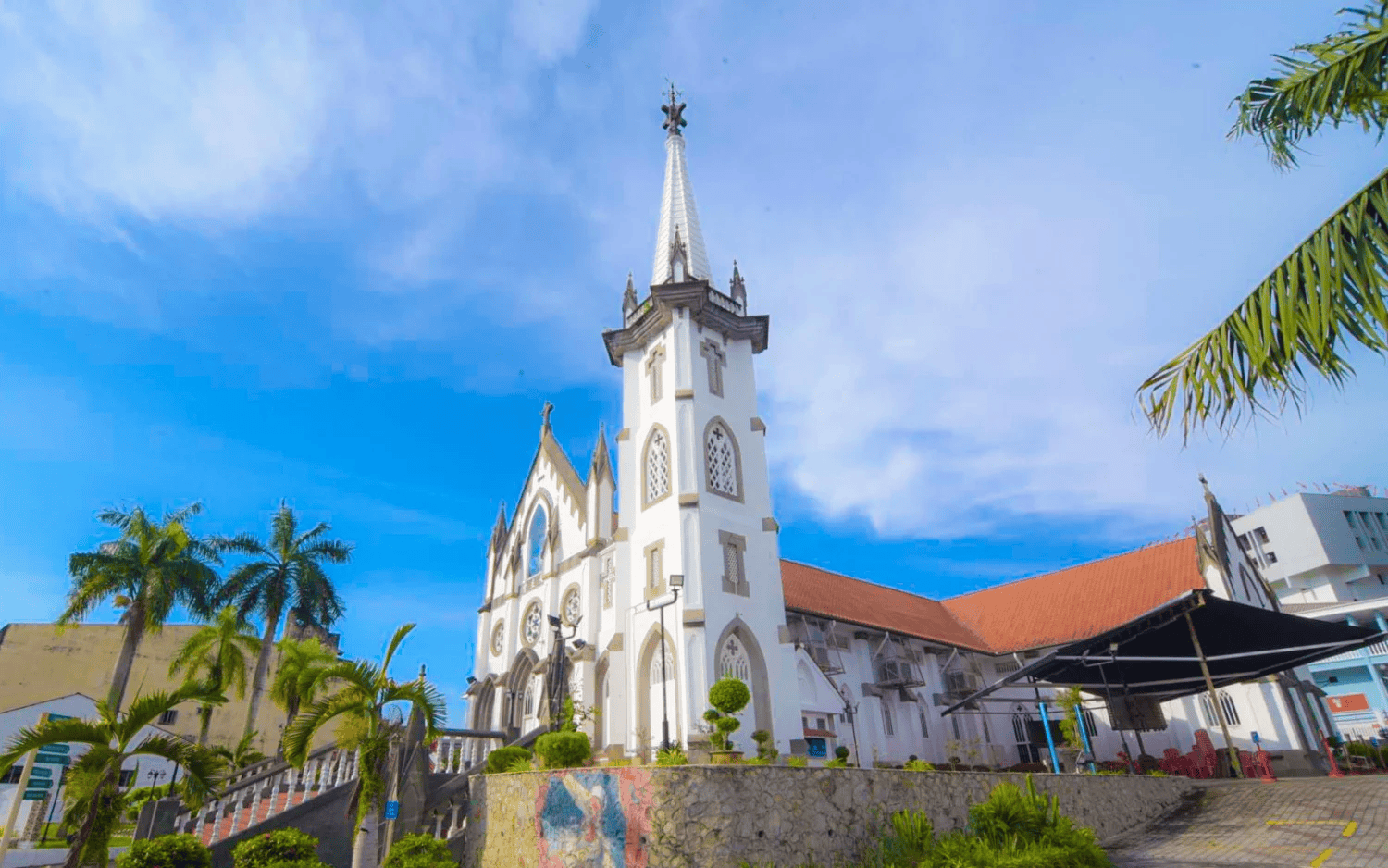
Dating back to 1848, the Church of the Visitation is one of Seremban’s significant historical landmarks and the area’s first French missionary church. Set within peaceful grounds, the church reflects the city’s long history of multicultural and multireligious communities.
The present church building incorporates Neo-Gothic architectural elements, while its interior features mosaics and stained-glass windows. The wider complex includes the historic Parochial House, Visitation Hall and Formation Centres.
Over the years, the church has expanded through several developments, including additions in 1935, 1985 and 2009. Today, it provides worship, ministry and catechetical activities in English, Tamil, Mandarin and Bahasa Melayu.
The church is centrally located and can be reached by public transport, train, taxi or car. The nearest railway station is Seremban KTMB station.
Galeri Diraja Tuanku Jaafar
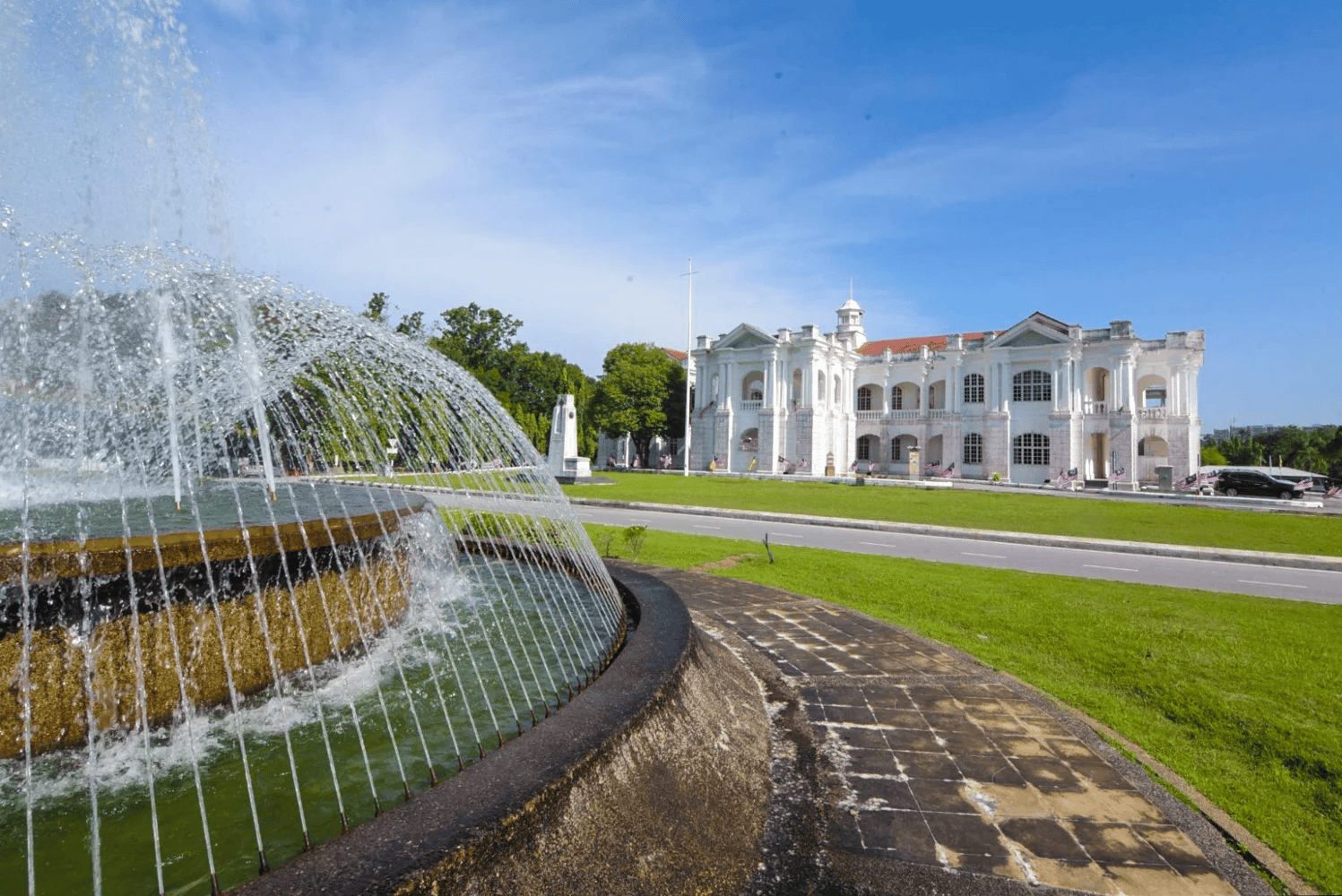
Situated within the scenic Seremban Lake Garden, Galeri Diraja Tuanku Jaafar offers visitors an opportunity to learn about the life and legacy of Tuanku Ja’afar, the former ruler of Negeri Sembilan.
Opened in December 2015, the three-storey royal museum presents exhibits covering Tuanku Ja’afar’s life, education and 42-year reign. The collection includes photographs, royal costumes, medals, gifts and personal memorabilia, including photographs of meetings with international leaders.
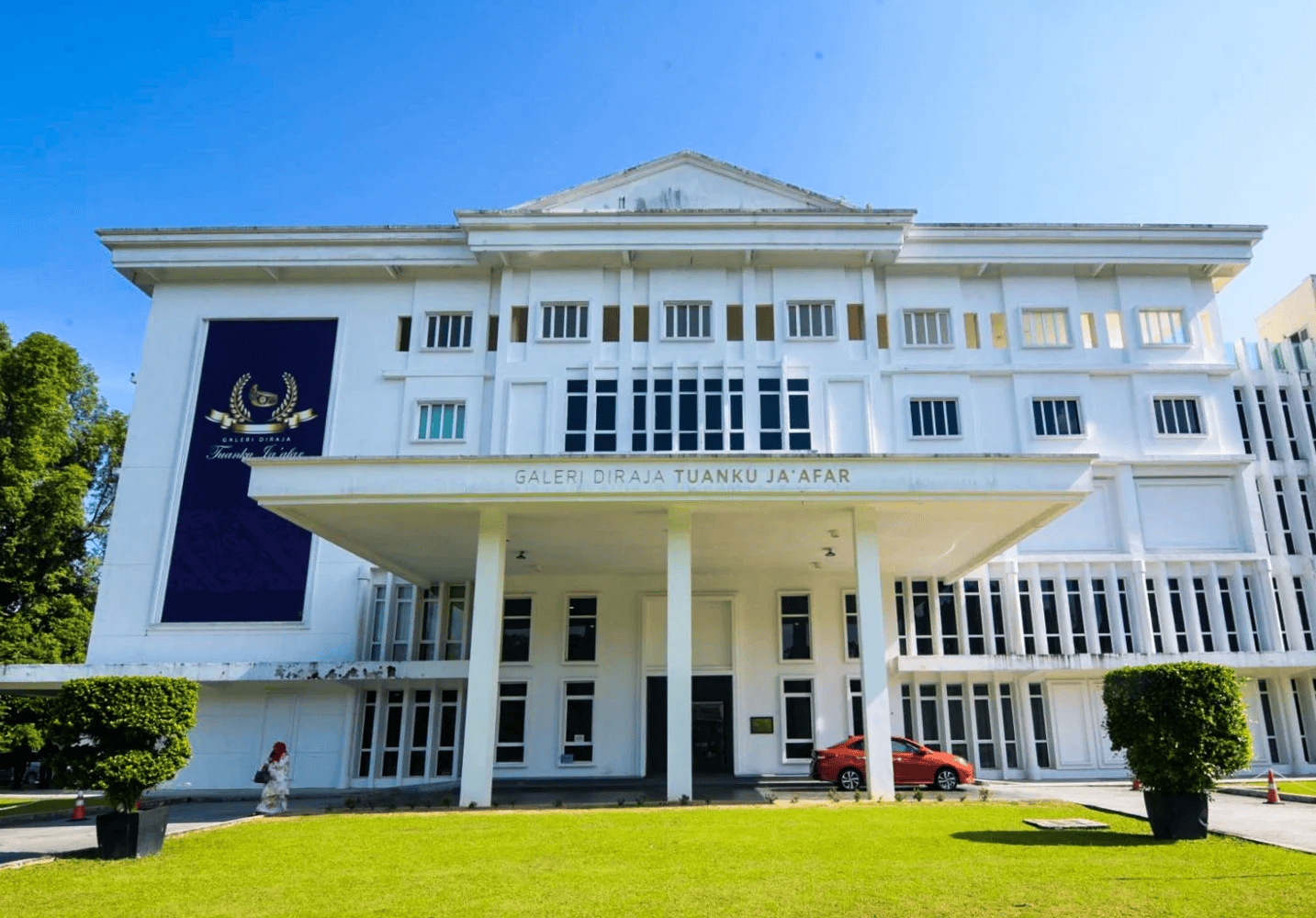
The museum also explores the history of the Minangkabau rulers and the royal heritage of Negeri Sembilan. Since 2016, its displays have expanded to include the Royal Palace of Sri Menanti, the royal throne, the Queen, members of the royal family and Tuanku Ja’afar’s personal car collection.
Exhibitions are presented in both Bahasa Melayu and English. The museum is open from 10.00am to 4.30pm daily, except Mondays. Admission is available at different rates for students, senior citizens and persons with disabilities, while children below six years old enter free.
Seremban Cultural Complex
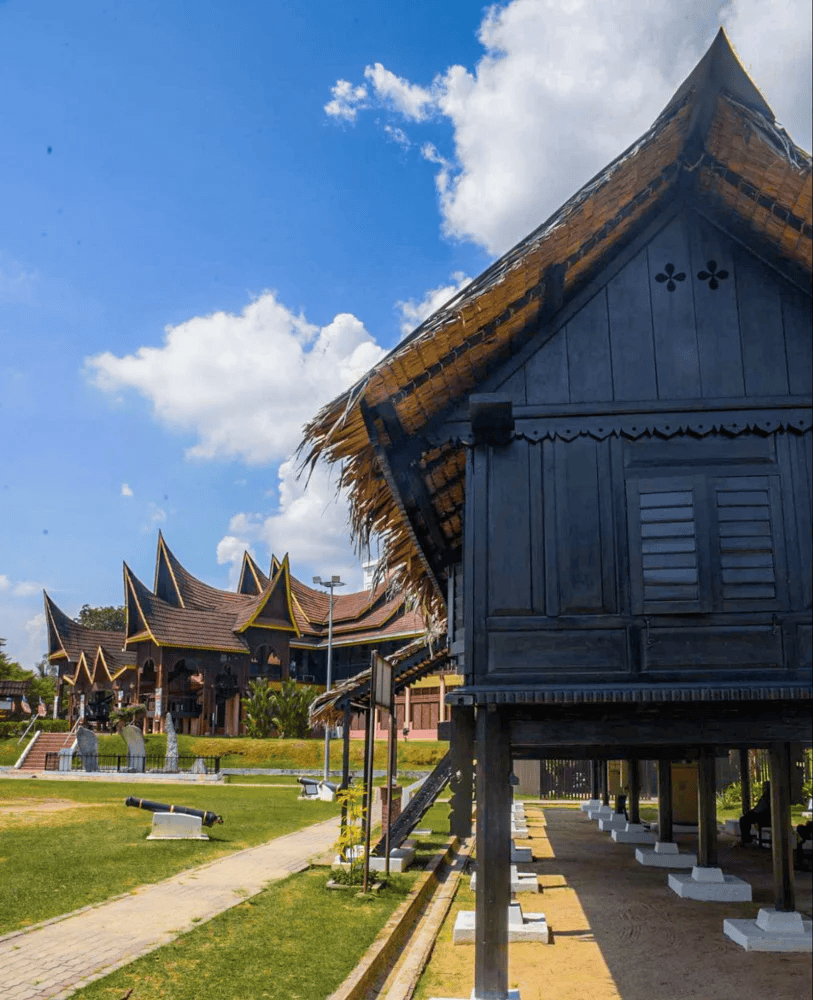
The Seremban Cultural Complex provides another window into the cultural heritage of Negeri Sembilan. Designed in the traditional Minangkabau architectural style, the complex consists of Teratak Perpatih, Ampang Tinggi Palace and the Negeri Sembilan House.
Teratak Perpatih, commonly known as the State Museum, houses a collection of historical objects, including traditional weapons, handicrafts, royal silver and brassware. Displays of traditional costumes and historical photographs further illustrate the cultural development of the state.
The Ampang Tinggi Palace and Negeri Sembilan House complement the museum by showcasing traditional architectural forms and aspects of local culture. Together, the buildings provide visitors with a broader understanding of Negeri Sembilan’s distinctive Minangkabau heritage.
The complex is open from 9.00am to 5.00pm daily, except Mondays, with free admission and parking.
Seremban Lake Garden
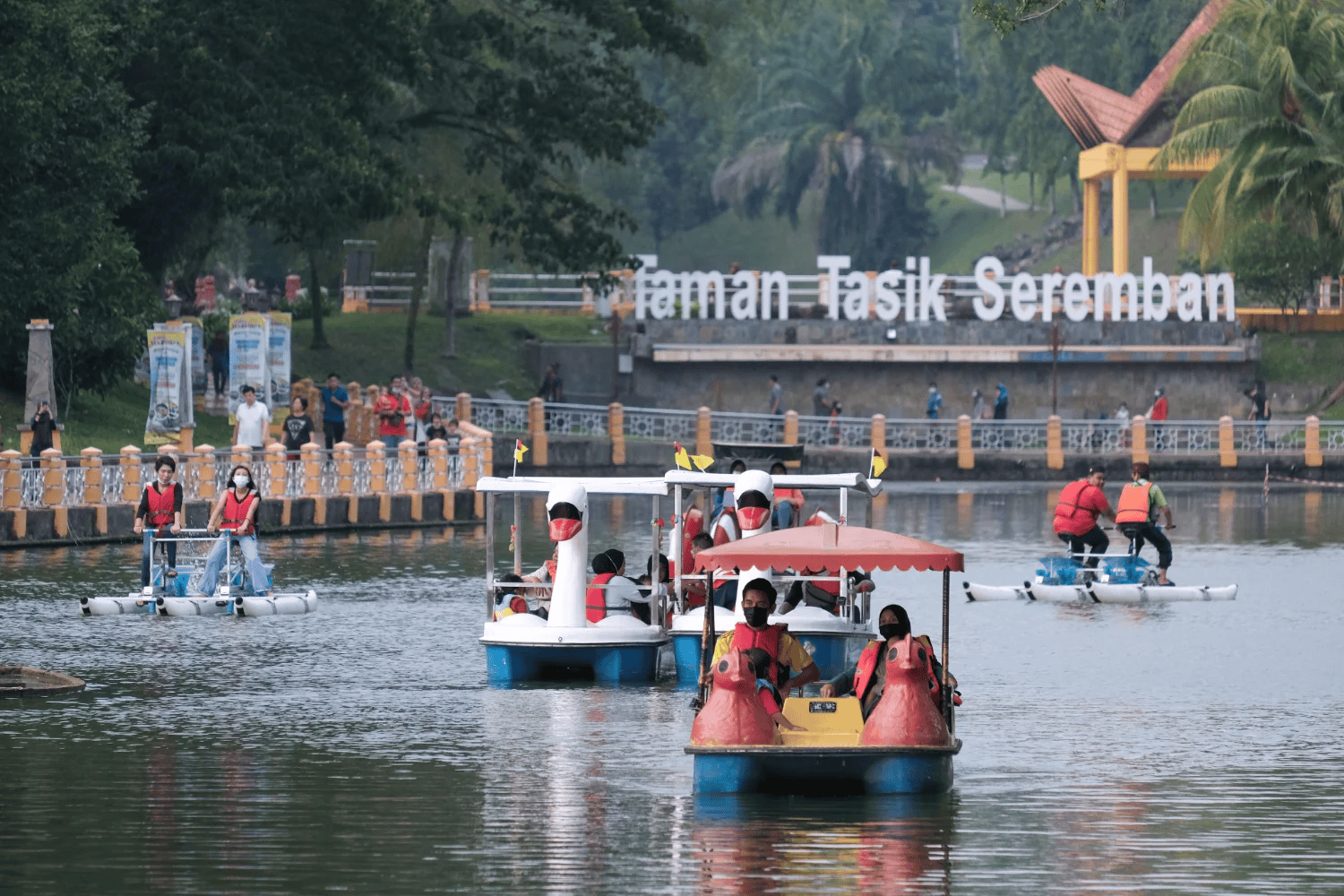
For visitors looking to combine sightseeing with outdoor recreation, Seremban Lake Garden offers a peaceful green escape in the heart of the city.
One of the country’s older lake gardens, the landscaped recreational area surrounds a large lake and provides space for activities such as walking, jogging, cycling, fishing and picnicking. Visitors can also enjoy the surrounding greenery and explore the garden at a leisurely pace.
The area’s recreational offerings make it suitable for families, friends and visitors seeking a slower experience after exploring Seremban’s heritage attractions. Its central location also places it close to several of the city’s cultural landmarks, including the Negeri Sembilan State Mosque and Galeri Diraja Tuanku Jaafar.
A City Where Heritage Meets Contemporary Culture
Seremban offers more than a collection of individual attractions. Its historic buildings, royal collections, religious landmarks, Minangkabau architecture, street art and green spaces collectively reflect the diverse character of Negeri Sembilan.
Whether exploring its royal history, admiring distinctive architecture, discovering local art or enjoying a quiet afternoon by the lake, visitors can experience different sides of the city within a relatively compact area. For travellers seeking to discover Malaysia beyond its major urban centres, Seremban provides an engaging journey through heritage, culture and everyday local life.
Source: Malaysia Tourism