Source: Servicio Nacional de Turismo (SERNATUR) – Chile Travel
Chile Travel highlighted protected natural areas, visitor guidance, and destinations throughout Chile.
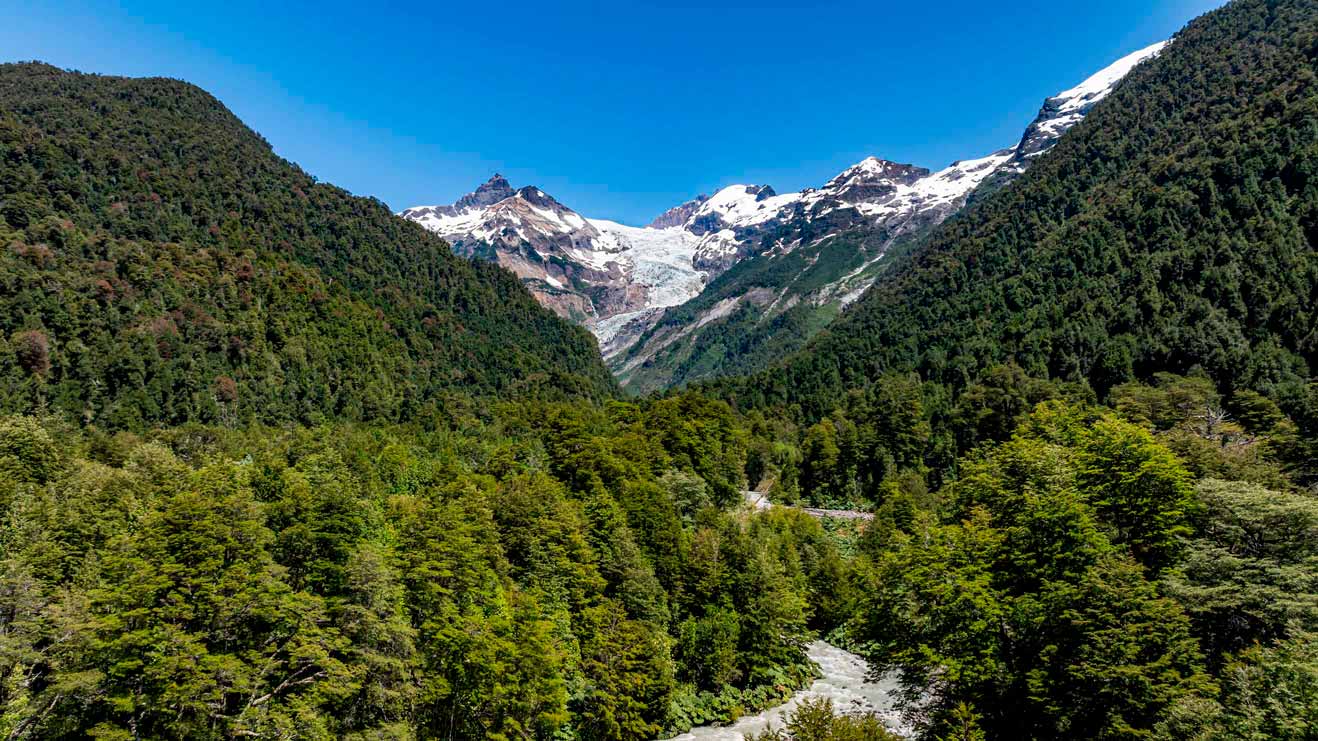
Chile Travel published a guide to Chile’s parks and natural reserves on 9 September 2026, highlighting the country’s diverse protected landscapes and providing practical information for visitors. The guide described Chile’s network of state-administered wild areas and private reserves, while presenting selected destinations in different regions of the country.
According to Chile Travel, Chile had 109 wild areas protected by the State and administered by the National Forest Corporation (CONAF). The network comprised 46 national parks, 45 national reserves and 18 natural monuments, alongside private reserves contributing to nature conservation.

Source: Servicio Nacional de Turismo (SERNATUR) – Chile Travel
The guide advised visitors to plan trips carefully and check entry requirements before travelling. Many national parks and public reserves require visitors to purchase tickets online through PasesParques.cl, while private reserves operate their own ticketing and reservation systems. Chile Travel also recommended checking seasonal operating conditions, booking accommodation and campsites in advance for popular destinations, and following local regulations on fires, pets and drones.

Source: Servicio Nacional de Turismo (SERNATUR) – Chile Travel
State-protected wild areas covered 18.8 million hectares, equivalent to 21% of Chile’s national territory. Among the destinations highlighted was Torres del Paine National Park in the Magallanes Region, which was described for its mountains, glaciers, lakes and wildlife. The park offered activities ranging from shorter walks to the “W” and “O” circuits, as well as boat trips on Grey Glacier. Chile Travel listed adult daily admission at CLP $9,400 for domestic visitors and CLP $32,400 for international visitors.

Source: Servicio Nacional de Turismo (SERNATUR) – Chile Travel
The guide also featured Conguillío National Park in the La Araucanía Region, known for the Llaima Volcano and its ancient araucaria forests. Visitors could follow marked trails through volcanic landscapes, lakes and petrified lava formations, with the Sierra Nevada trail offering views of the surrounding area.

Source: Servicio Nacional de Turismo (SERNATUR) – Chile Travel
For private conservation areas, Chile Travel highlighted the Huilo Huilo Biological Reserve in the Los Ríos Region and Tantauco Park on Isla Grande de Chiloé. Huilo Huilo covered more than 100,000 hectares of temperate forests, while Tantauco comprised almost 118,000 hectares and offered 150 kilometres of marked trails, along with camping, boating and kayaking opportunities.
Source: Servicio Nacional de Turismo (SERNATUR) – Chile Travel