Digital transformation advances government services, efficiency and accessibility under Saudi Vision 2030.
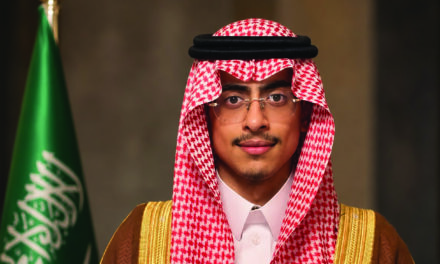
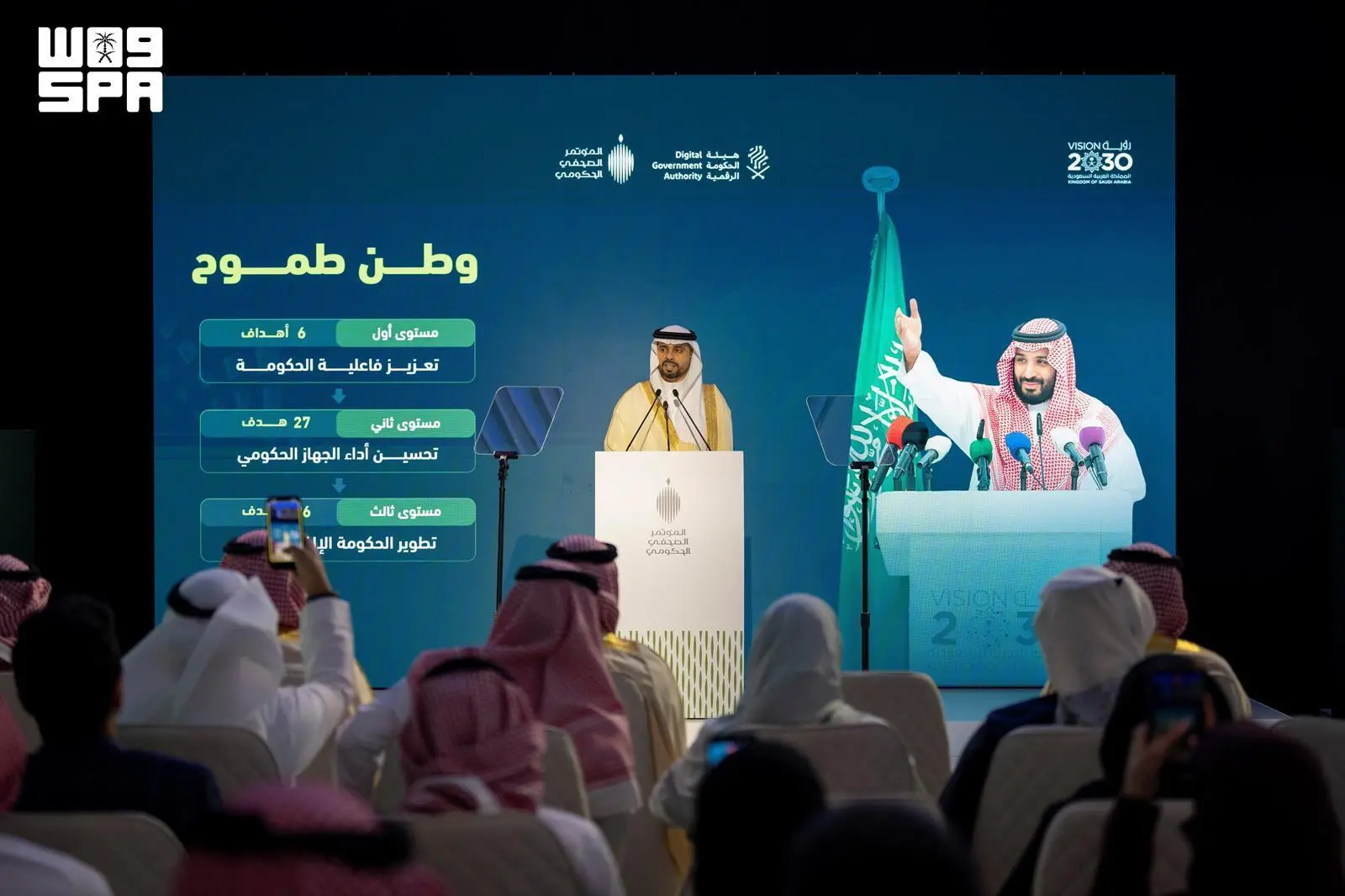
Saudi Arabia ranked fourth globally in the 2026 United Nations E-Government Development Index (EGDI), advancing from 52nd place in 2018, as the Kingdom continued its digital transformation under Saudi Vision 2030. Governor of the Digital Government Authority (DGA), Eng. Ahmed bin Mohammed Alsuwaiyan, announced the achievement during a government press conference organised by the Ministry of Media in Riyadh, highlighting improvements in public services, government efficiency and digital accessibility.
Eng. Alsuwaiyan attributed the progress to Saudi Vision 2030, launched by His Royal Highness Prince Mohammed bin Salman bin Abdulaziz Al Saud, Crown Prince and Prime Minister, on 25 April 2016. He explained that the Vision’s ‘Ambitious Nation’ pillar included the objective of enhancing government effectiveness, with the goal of positioning Saudi Arabia among the world’s top five digital governments.
He noted that the Kingdom’s digital transformation strategy had maintained three core priorities for more than a decade: increasing productivity, improving efficiency and enhancing user experience. These objectives had delivered measurable results in several government sectors.
In public administration, the Ministry of Interior reduced the delivery time for services through the Absher platform from approximately four hours to 30 seconds, generating estimated annual savings of SAR26 billion. Meanwhile, 95 per cent of court hearings were conducted remotely, while the average time for issuing personal status court rulings fell from 219 days to 20 days.
Healthcare services also recorded improvements. The Ministry of Health conducted 51 per cent of medical appointments remotely through Seha Virtual Hospital and virtual clinics. Medication dispensing time decreased from 72 hours to less than eight minutes, generating estimated savings of SAR1.5 billion.
Digitalisation also contributed to economic and community services. Electronic payments accounted for 85 per cent of transactions, compared with 18 per cent in 2016, while customs clearance time declined from 12 days in 2017 to two hours. The Ehsan platform processed more than 390,000 donations daily, with cumulative donations reaching SAR17 billion.
For Hajj and Umrah services, the Nusuk platform exceeded 60 million users. More than 22 million Hajj and Umrah visas were issued in 2025, with processing time reduced from five days to five minutes.
The Governor also highlighted the Kingdom’s digital infrastructure, including more than 20 shared government resources, the Nafath unified digital identity and the Tawakkalna application, which offered over 1,800 services and handled more than 88 million transactions daily.
“These results mark a significant milestone in Saudi Arabia’s journey toward achieving its Vision 2030 goal: to rank among the top five digital governments globally,” Eng. Alsuwaiyan said.
He added that Saudi Arabia had risen from 49th place globally in 2018 to first in digital government services, while Riyadh advanced from 30th to first in digital services.
Looking ahead, Eng. Alsuwaiyan outlined the transition towards smart government, with artificial intelligence and emerging technologies expected to support public services and economic sectors. He also highlighted ongoing efforts with the United Nations, the Gulf Cooperation Council and other international organisations to explore interconnected digital governments and facilitate the exchange of services and data.
Source: Saudi Press Agency