By Nomita Dhar, Editor-in-Chief of IN Diplomacy
Visiting Sri Lanka is like opening a beautiful coffee-table book. Every page reveals a new landscape, every turn introduces another character, and before you realise it, you are moving between history and the present, between stories you have heard and places you can finally touch and feel.
That was my impression during a seven-day media familiarisation visit organised by the Sri Lanka Tourism Promotion Bureau in November 2026.
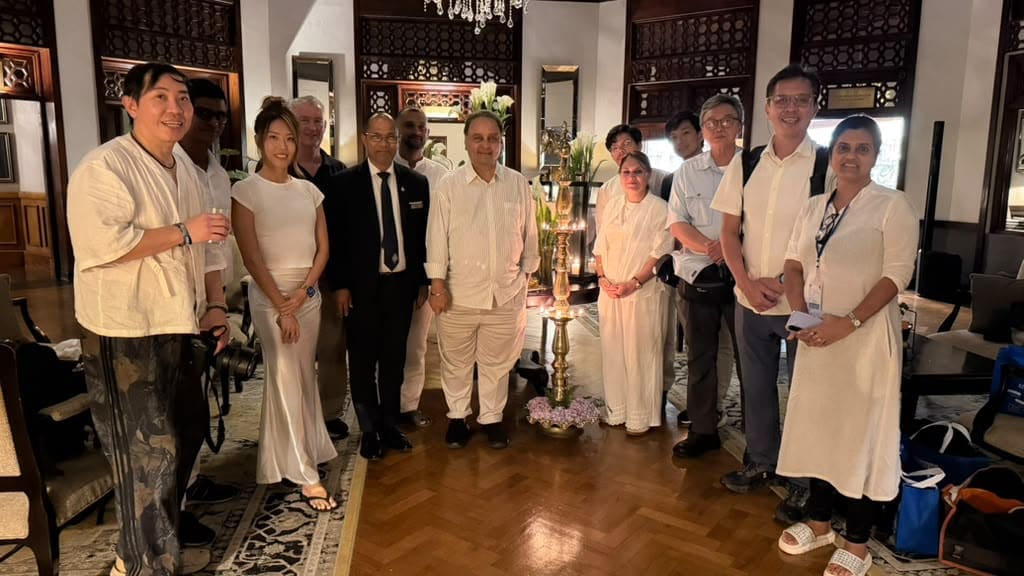
We were a group of journalists and photojournalists from Singapore, reflecting the multicultural character of our island nation. Each of us had a different readership, a different perspective and perhaps a different story to pursue. Yet we shared the same enthusiasm—to discover Sri Lanka beyond the familiar images of beaches, tea and temples.
Our introduction to the country began with a garland, warm smiles and the greeting Ayubowan, a beautiful expression wishing someone a long life.
It was a fitting beginning to a journey in which hospitality would become as memorable as the destinations themselves.
From the coastal charm of Negombo to the cultural heart of Kandy, from mist-covered tea estates to the historic streets of Galle and the changing skyline of Colombo, Sri Lanka revealed itself gradually.
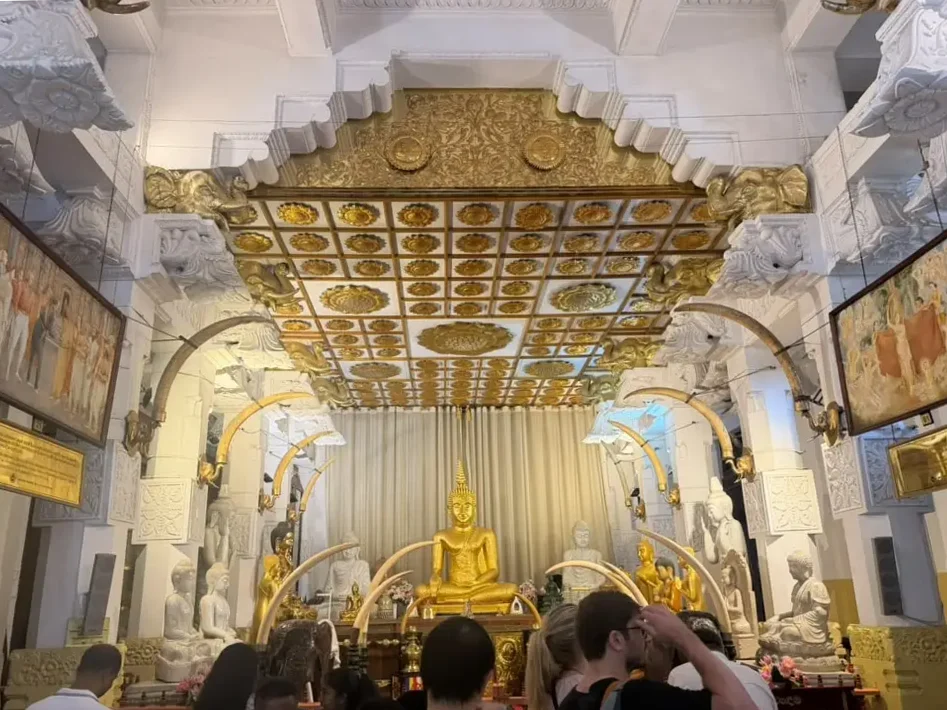
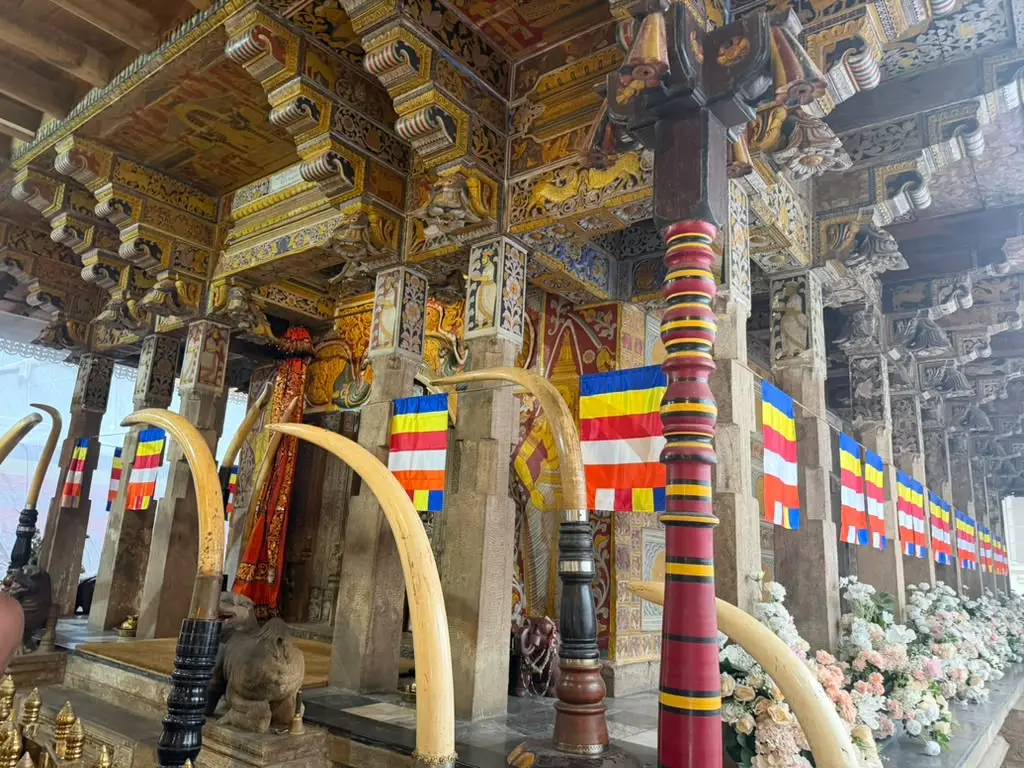
There were moments when history seemed to walk beside us. At the Temple of the Sacred Tooth Relic in Kandy, centuries of Buddhist devotion remain part of everyday life. At Galle Fort, colonial architecture and the rhythm of contemporary Sri Lankan life occupy the same narrow streets.
And then there was the tea.
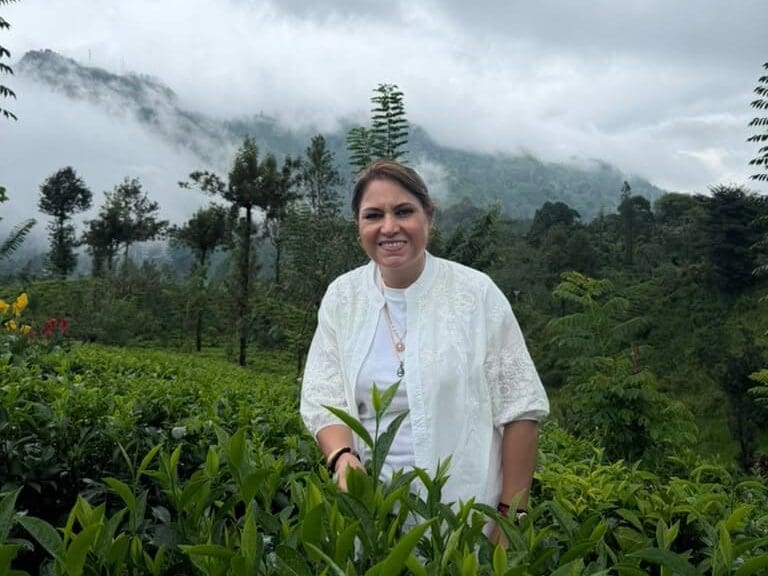
At a tea factory in the hills, the strong aroma of processing tea leaves suddenly transported me thousands of kilometres away—to my kitchen in Singapore, where tea leaves simmering on the stove fill the house with a familiar fragrance.
It was an unexpected moment of homecoming in a foreign land.
Another memory had little to do with sightseeing. One of our fellow journalists wished to offer Friday prayers. The organisers and the group worked together to accommodate him. It was a small gesture, but it spoke volumes about mutual respect and the spirit in which we travelled.
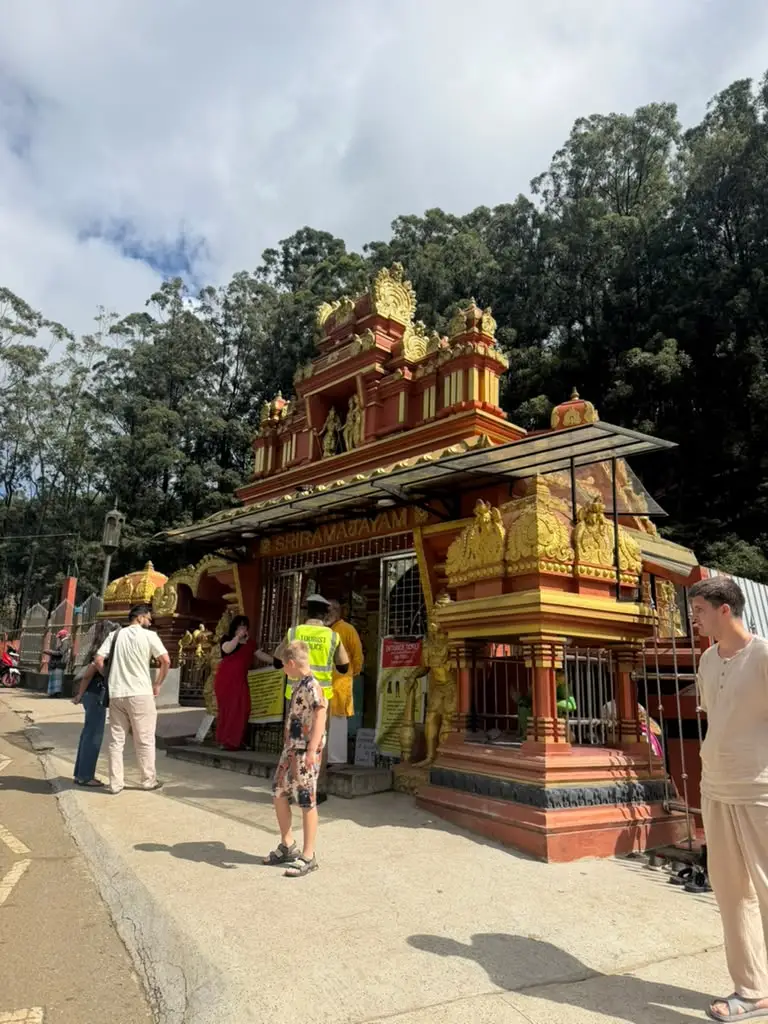
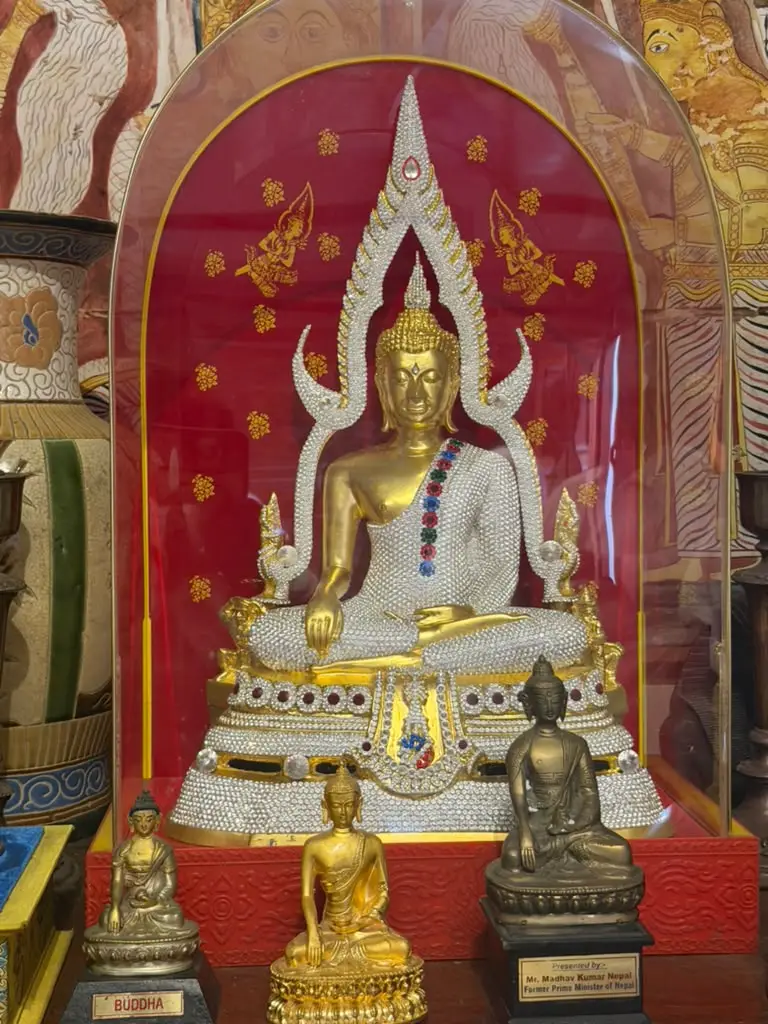
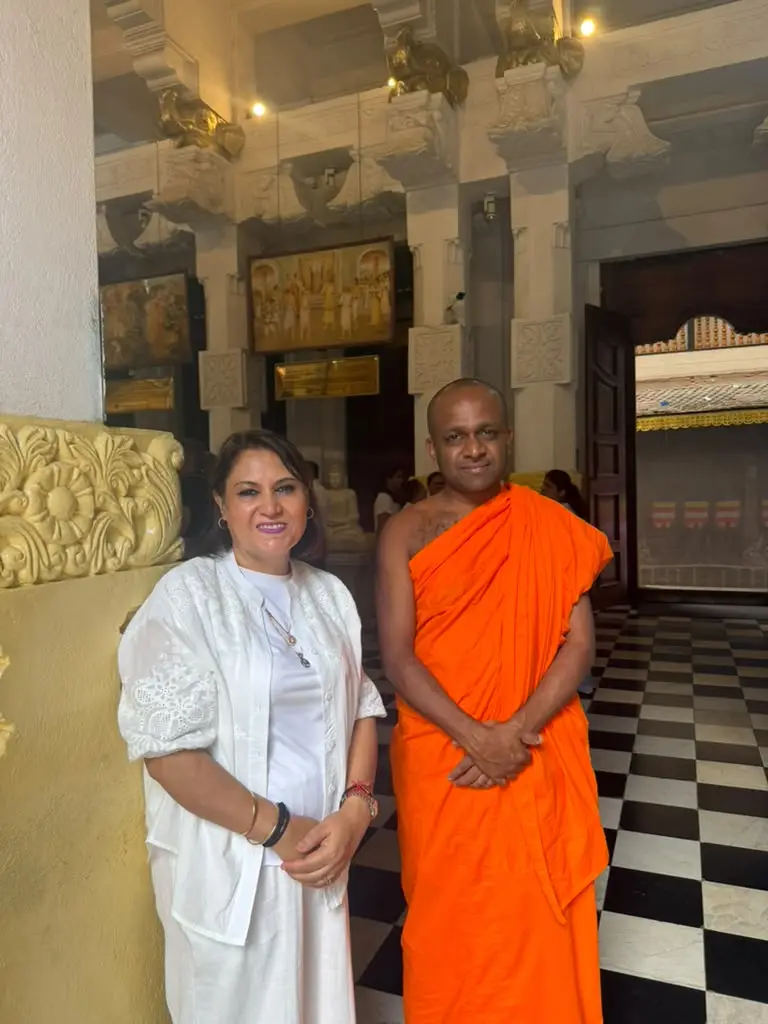
Sri Lanka itself reflects this coexistence. Buddhist temples, Hindu shrines, mosques and churches form part of its cultural landscape, each carrying stories of faith and community.
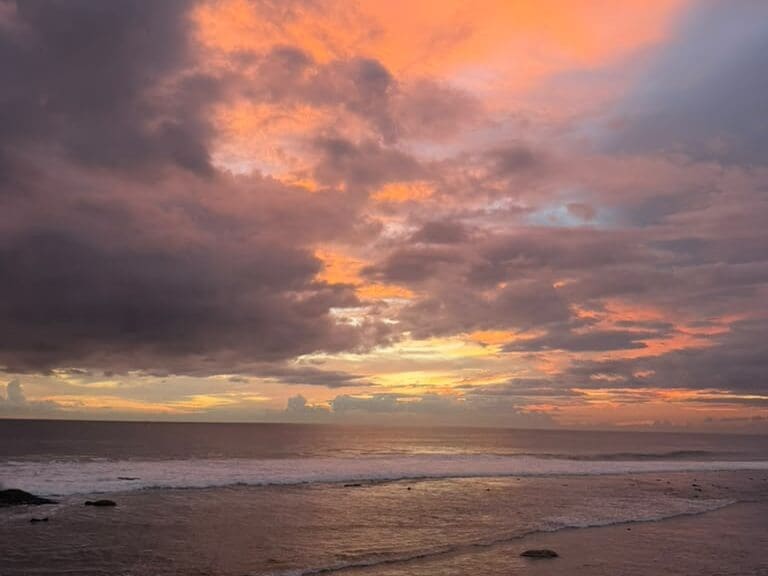
Colombo offered another perspective. Its modern skyline, luxury hotels, waterfront developments and growing leisure offerings presented a capital looking towards the future. A sunset cruise gave us a different view of the city, while a meal high above Colombo provided a panoramic reminder of how rapidly its urban landscape is changing.
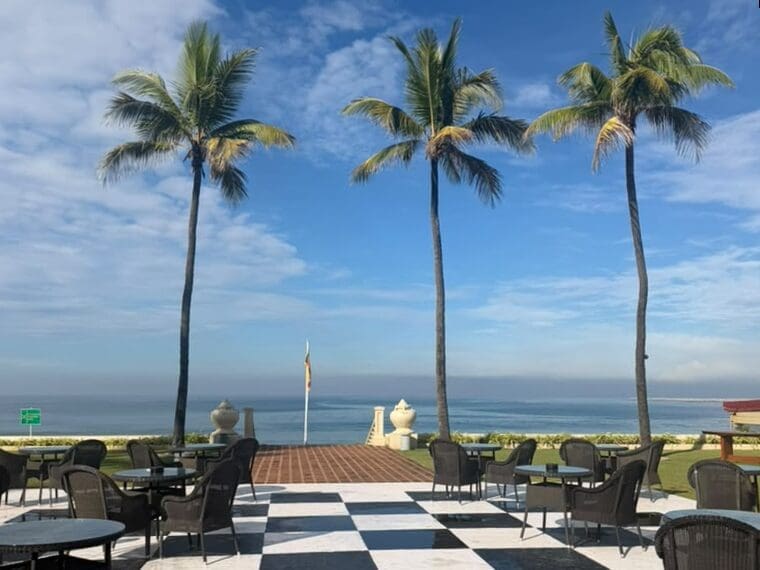
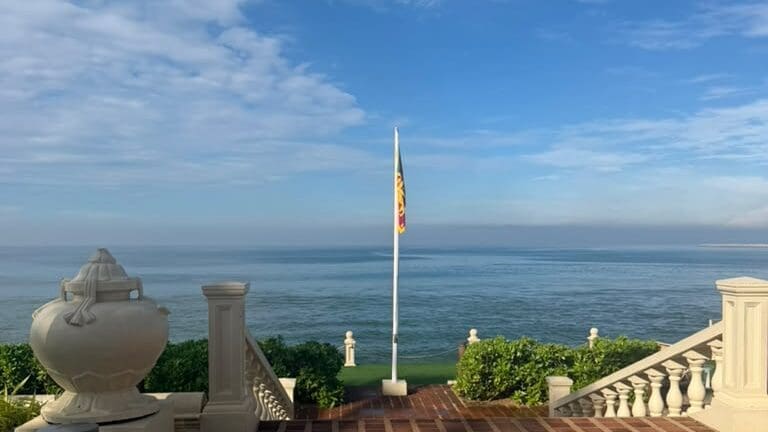
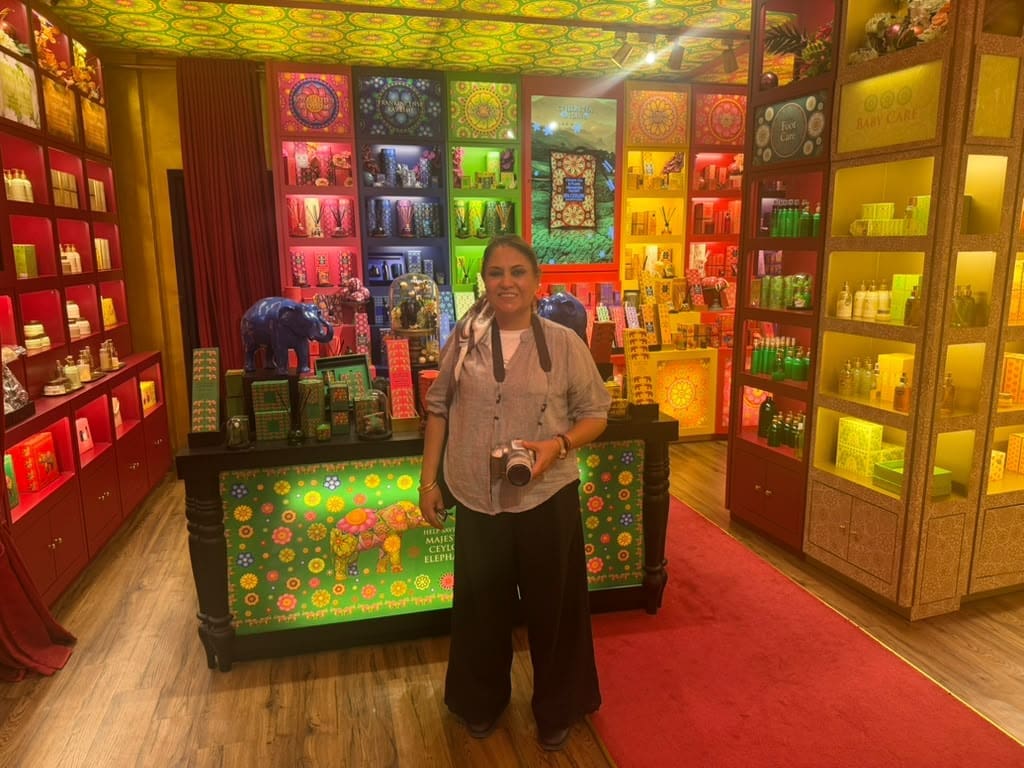
Our journey ended with a farewell dinner at Galle Face, generously hosted by the tourism organisers. We left carrying gifts of Ceylon tea, photographs, conversations and many unfinished stories.
For a country rebuilding confidence after years of economic difficulties, tourism offers more than visitor arrivals. It creates livelihoods, sustains traditions and opens opportunities for communities across the island.
Sri Lanka’s greatest strength, however, may be its ability to make visitors feel personally connected to the country.
I returned to Singapore with a suitcase full of tea and a notebook full of stories.
And every time I brew a cup of Ceylon tea, another page of that beautiful coffee-table book opens again.