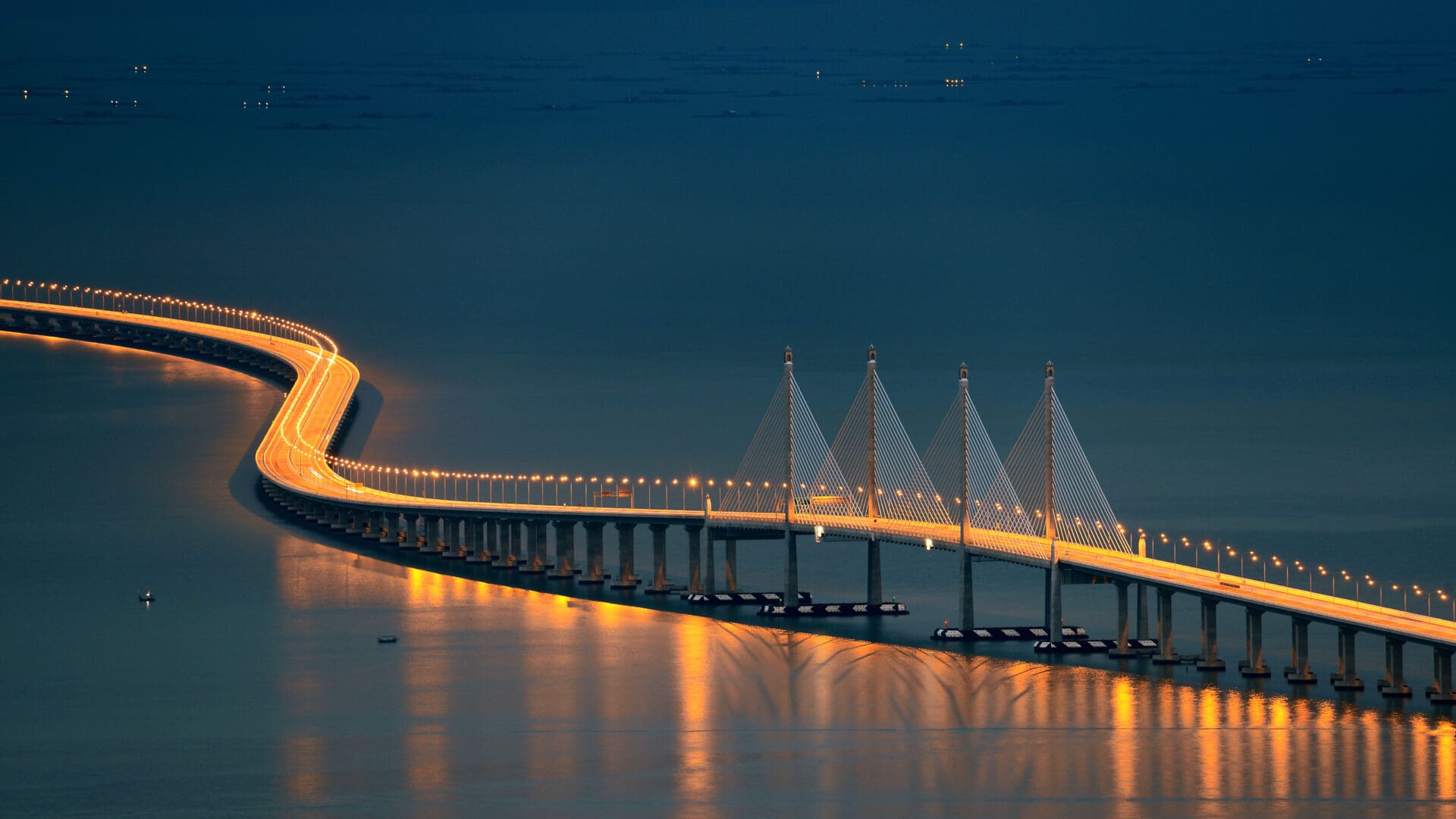
Connecting Batu Kawan on the mainland with Batu Maung on Penang Island, the Second Penang Bridge offers a vital transport link and convenient access to shopping, heritage, leisure and cultural attractions.
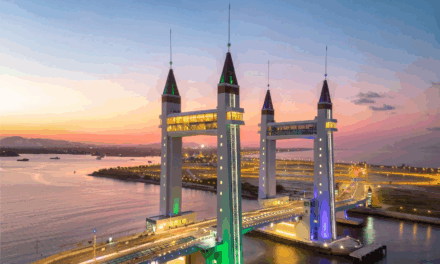
Jambatan Sultan Abdul Halim Muadzam Shah, commonly known as the Second Penang Bridge, is one of Malaysia’s notable infrastructure landmarks, connecting Batu Kawan in Seberang Perai with Batu Maung on Penang Island. Spanning approximately 24 kilometres, including 16.9 kilometres over water, the bridge provides an alternative route between the mainland and the island while offering motorists expansive views of the Malacca Strait.
Opened in 2014, the bridge has strengthened Penang’s transport network, particularly for travellers arriving from other parts of Peninsular Malaysia via the North-South Expressway. Beyond its practical importance, the crossing offers a memorable introduction to southern Penang, with stretches of open water creating a striking backdrop throughout the journey.
Unlike a conventional tourist attraction, however, the bridge remains an operational highway. Motorists are advised to enjoy the surrounding scenery from their vehicles, observe the posted speed limits and avoid stopping to take photographs.
A Remarkable Engineering Connection
The Second Penang Bridge plays an important role in improving connectivity between Penang Island and Seberang Perai. While the first Penang Bridge provides access closer to George Town and Gelugor, the second crossing offers a direct connection between Batu Kawan and Batu Maung, making it particularly convenient for travellers heading towards the southern part of the island.
Its approximately 24-kilometre alignment makes it one of the significant road infrastructure projects in Malaysia. Much of the journey takes motorists above the waters of the Malacca Strait, where the expansive horizon provides a contrast to the developed townships at either end.
The bridge has also contributed to the growth of Batu Kawan, which has developed into an increasingly important commercial, residential and leisure destination. Its connection to the North-South Expressway has improved accessibility for businesses, residents and visitors travelling between Penang and other states.
For motorists, the crossing offers both convenience and an opportunity to appreciate the scale of Penang’s coastal landscape.
Nearby Attractions
The strategic location of the Second Penang Bridge provides access to several attractions on both the mainland and the island. From shopping destinations and landscaped parks to historical landmarks and religious sites, visitors can incorporate a variety of experiences into their Penang itinerary.
1. Penang Island: Heritage, Coastal Scenery and Cultural Experiences
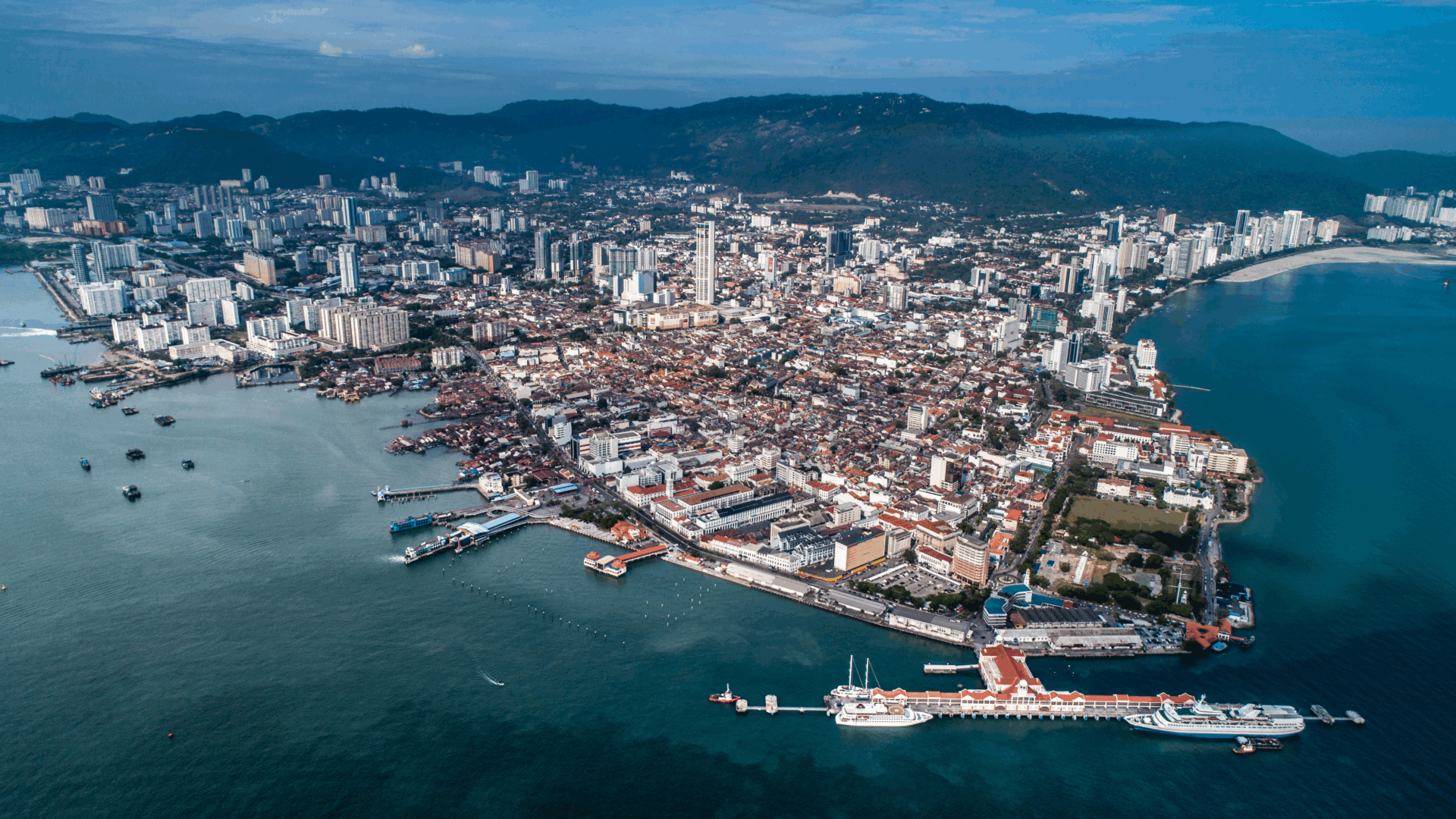
After crossing the bridge towards Batu Maung, visitors can explore the many attractions across Penang Island. Known for its multicultural heritage, distinctive cuisine and natural landscapes, the island offers experiences ranging from historic neighbourhoods to coastal destinations.
In George Town, traditional shophouses, heritage buildings, museums, galleries and street-food establishments reflect Penang’s diverse cultural influences. Visitors can explore its historic streets, discover local crafts and sample popular Malaysian dishes.
For those seeking outdoor experiences, Penang Hill provides elevated views across the island and surrounding mainland, while various coastal areas offer opportunities to enjoy the island’s natural scenery.
Travellers arriving through the Second Penang Bridge can also explore attractions around Batu Maung and Bayan Lepas before continuing towards other parts of the island.
2. Design Village Outlet Mall: Shopping in an Open-Air Setting

Located in Batu Kawan, Design Village Outlet Mall is a convenient shopping destination near the mainland entrance of the Second Penang Bridge. Set within a landscaped open-air environment, the outlet mall brings together fashion, sportswear, accessories, lifestyle brands, cafés and dining establishments.
Unlike conventional enclosed shopping centres, its open walkways and greenery create a relaxed environment for visitors to browse the stores and enjoy a break from travelling.
Its location makes it particularly suitable for motorists crossing between the mainland and the island. Visitors can combine shopping with a meal or refreshments before continuing their journey.
3. IKEA Batu Kawan: Scandinavian Design and Dining

Another popular destination in Batu Kawan is IKEA, which offers visitors an opportunity to explore Scandinavian-inspired furniture, home accessories and interior design concepts.
The store features a variety of showroom displays, providing ideas for home organisation, furnishing and interior decoration. Visitors can browse its collections, discover practical household products and explore different room layouts.
The Swedish restaurant and café also provide dining options, including familiar favourites such as Swedish meatballs and desserts. This makes IKEA a convenient stop for families and travellers looking for shopping and dining experiences in one location.
Situated close to Design Village Outlet Mall, the store can easily be included in the same outing.
4. Central Island Park: A Green Escape in Batu Kawan
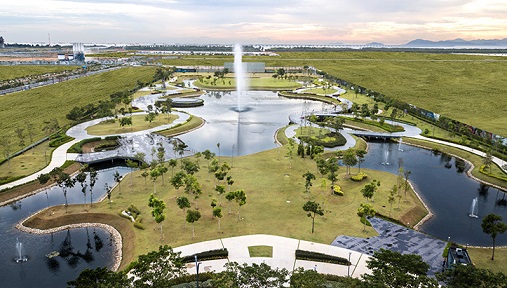
For visitors looking to spend time outdoors, Central Island Park offers a landscaped recreational environment within Batu Kawan’s growing township.
Featuring greenery, open spaces and lakeside walkways, the park provides a setting for leisurely walks and relaxation away from the busier commercial areas. Its landscaped surroundings also offer a contrast to the modern residential and commercial developments taking shape across the township.
Visitors can include the park as part of an itinerary alongside Design Village and IKEA, particularly if they wish to balance shopping with outdoor activities.
As weather conditions and public access arrangements may vary, visitors should check local information before planning their visit.
5. Penang War Museum: Discovering the Island’s Wartime History
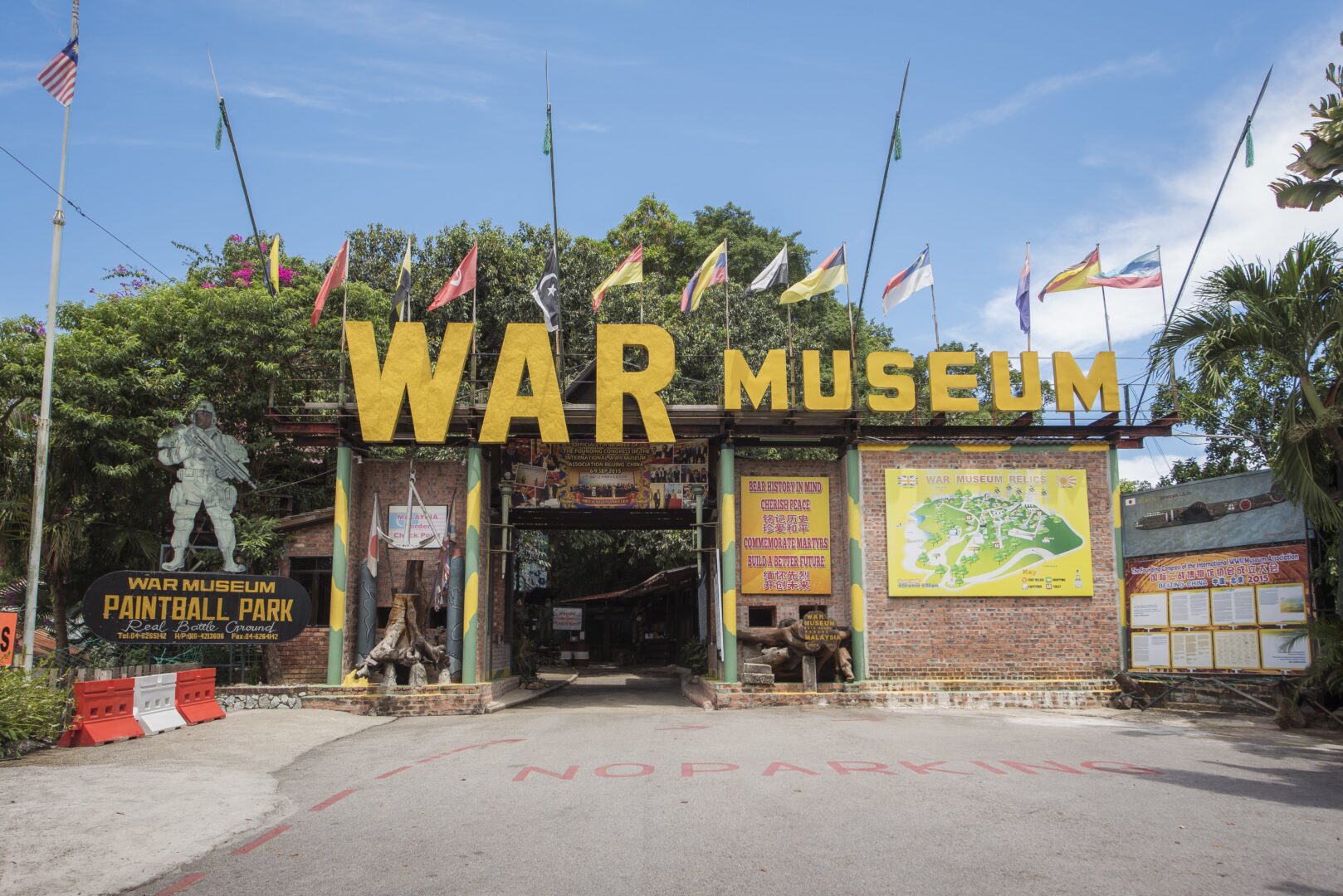
Situated near Batu Maung, Penang War Museum offers visitors an opportunity to explore an important part of the island’s military history.
Established within a former British military fortification, the museum preserves historical structures associated with coastal defence, including tunnels, bunkers and former military facilities. The site provides insight into Penang’s strategic position and its role in the region’s wartime history.
Unlike conventional museums that rely primarily on indoor exhibitions, the preserved structures allow visitors to explore the former military grounds and gain a better understanding of the facilities used for defence.
The site includes uneven terrain and steps, so comfortable footwear is recommended. History enthusiasts and visitors interested in military heritage may find the museum a worthwhile addition to their itinerary.
6. Penang Snake Temple: A Unique Religious Landmark
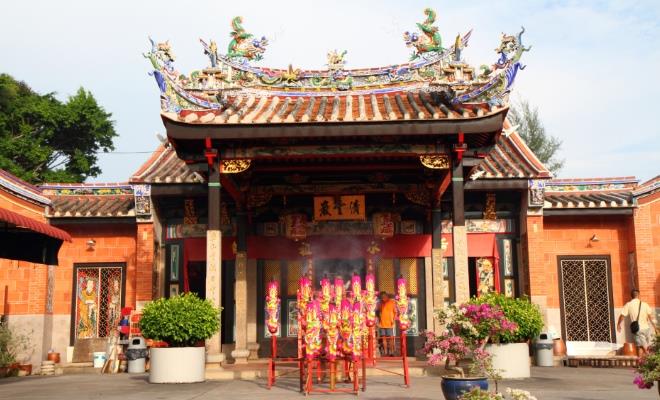
Penang Snake Temple, also known as the Temple of the Azure Cloud, is one of the island’s distinctive religious landmarks. Located in the southern part of Penang, the temple is dedicated to Chor Soo Kong, a Buddhist monk revered in local tradition.
The temple is particularly recognised for its historical association with snakes, which have become an integral part of its identity and attracted the curiosity of visitors over the years.
Beyond its unusual reputation, the temple features traditional Chinese architectural elements and serves as a place of worship for devotees. Its religious and cultural significance makes it an interesting destination for visitors seeking to explore Penang’s diverse heritage.
Visitors are encouraged to respect religious practices, follow the temple’s photography and access guidelines, and avoid touching or disturbing any animals on the premises.
Getting to Jambatan Sultan Abdul Halim Muadzam Shah
The Second Penang Bridge is accessible from both Seberang Perai on the mainland and Penang Island. On the mainland, motorists can reach the bridge through the Batu Kawan interchange, which connects with the North-South Expressway and provides convenient access for travellers arriving from other parts of Peninsular Malaysia.
On the island, the bridge terminates at Batu Maung, offering connections to Bayan Lepas, Penang International Airport and other destinations in southern Penang.
Travelling by car is the most straightforward way to cross the bridge and explore the surrounding attractions. As the bridge forms part of the tolled road network, motorists should check the latest toll rates and accepted payment arrangements before travelling. Visitors relying on public transport should plan their onward journeys separately, as direct connections to individual attractions may not be available.
Before setting off, travellers should also check traffic conditions and official announcements regarding maintenance, lane restrictions or temporary closures.
Whether serving as a convenient route for daily commuters or an entry point for visitors discovering Penang, Jambatan Sultan Abdul Halim Muadzam Shah remains an important part of the state’s transport infrastructure. Its connection between Batu Kawan and Batu Maung also places several shopping, recreational, historical and cultural attractions within convenient reach, making it a useful starting point for exploring southern Penang.
Source: Tourism Malaysia