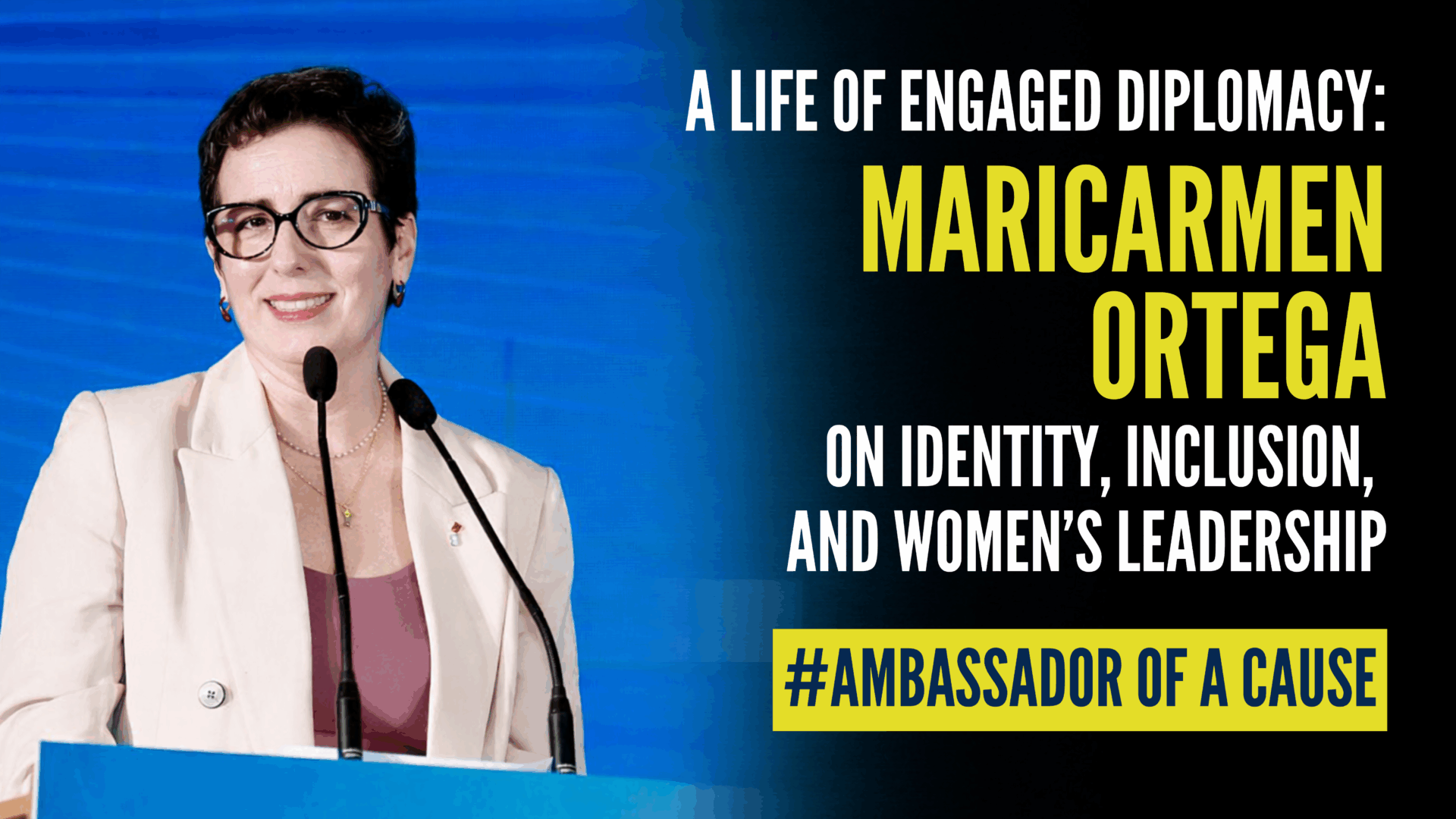
Exploring diplomacy beyond official titles, Ms Maricarmen Ortega reflects on intercultural life, women’s empowerment, and the evolving role of diplomatic communities in a changing world
In the evolving landscape of international diplomacy, influence is not only exercised through official channels but also through the relationships nurtured behind the scenes. Ms Maricarmen Ortega, spouse of the Ambassador of Costa Rica to Singapore, has emerged as a respected figure within the diplomatic community, known for her leadership, inclusivity, and commitment to strengthening cross-cultural ties. Having served as the coordinator of the Spouses of Heads of Mission (SHOM) in Singapore for over three years, she played a pivotal role in sustaining diplomatic connections during one of the most challenging periods in recent history, the COVID-19 pandemic.
In conversation with IN Diplomacy, Ms Maricarmen offered thoughtful reflections on life within the diplomatic sphere, the importance of community-building, and the evolving nature of women’s leadership. The discussion touched on themes of international cooperation, gender equality, intercultural identity, and the subtle yet profound impact of diplomacy beyond formal negotiations.
Her journey into the diplomatic world was shaped by a life inherently connected to international experiences. Originally from Argentina and married to a Costa Rican diplomat, H.E. Victor Hugo Rojas Gonzalez, they have lived across multiple countries, including Peru and Costa Rica, before arriving in Singapore over six years ago. These diverse cultural experiences cultivated in her a natural curiosity and openness, qualities she describes as essential in navigating diplomatic environments. “We often say our home travels with us,” she remarked, reflecting a worldview rooted in adaptability and cultural appreciation.
Professionally, her background in public policy and communications further strengthened her engagement with international affairs. She previously served as Chief of Staff to the First Lady of Honduras and later as Director of Communications for the First Lady of the Dominican Republic, roles that provided her with firsthand exposure to governance, leadership, and social development initiatives. These experiences, combined with her later work in Beijing supporting the establishment of the Embassy of Honduras, underscore a career that bridges diplomacy, policy, and institutional development.
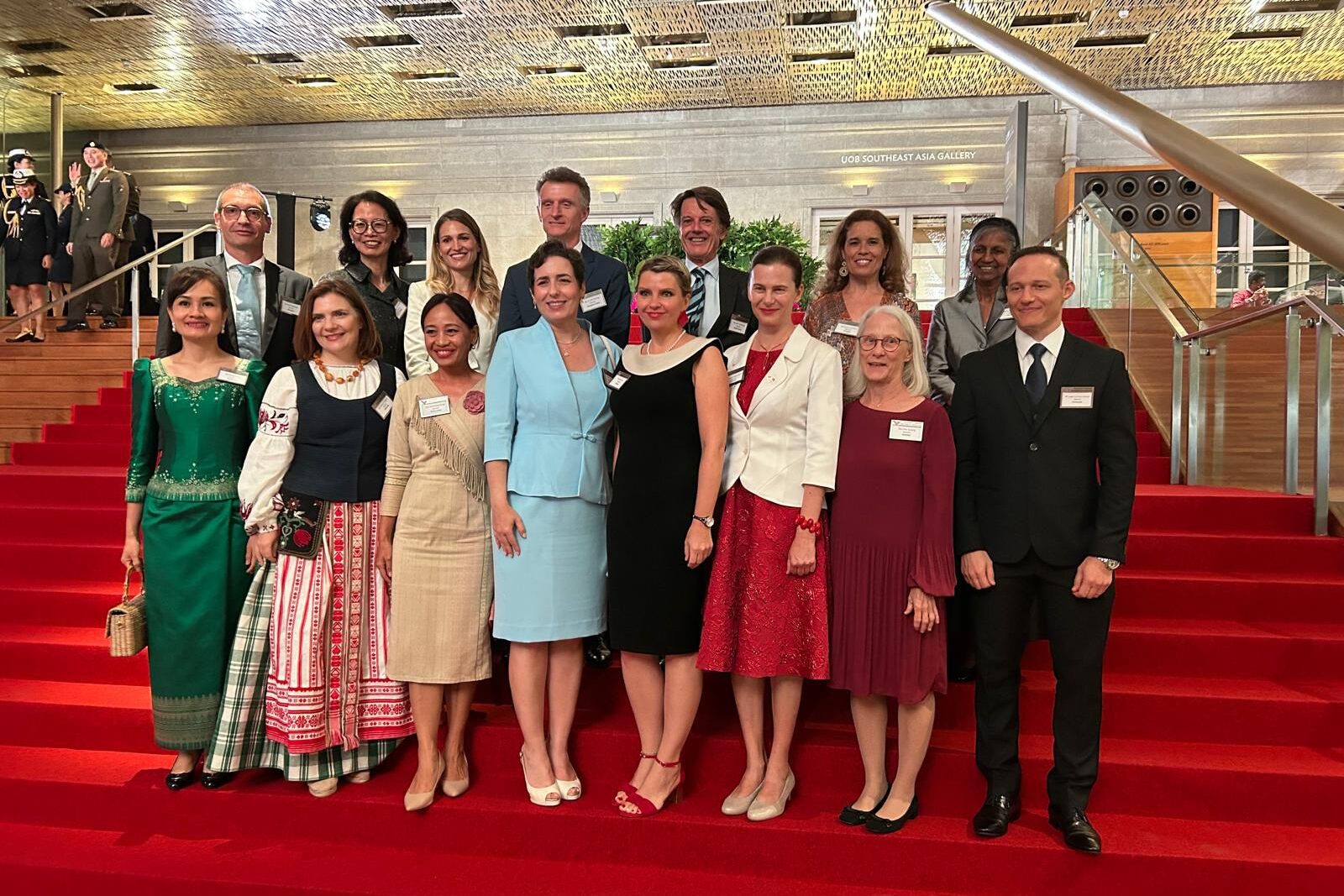
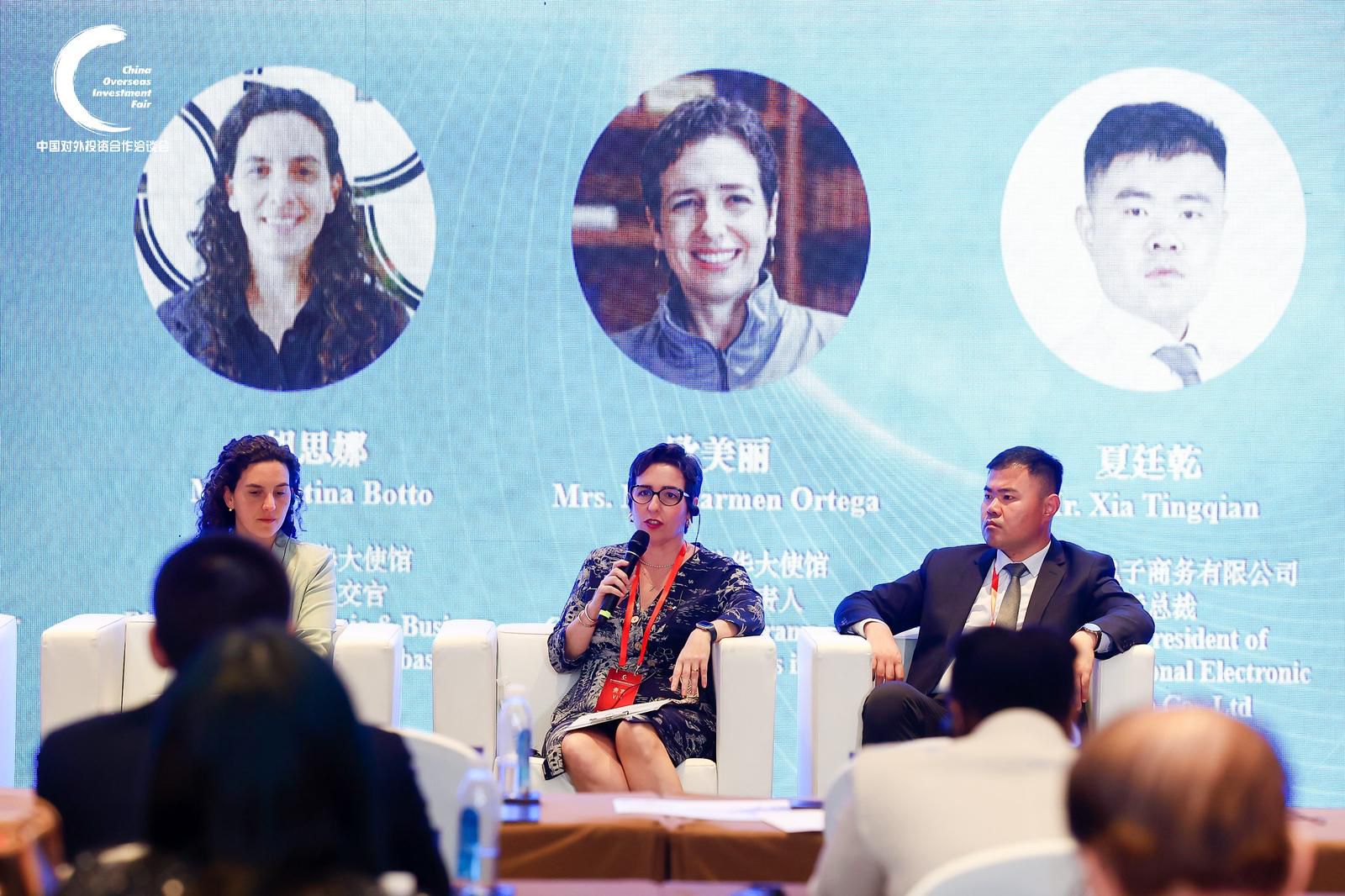
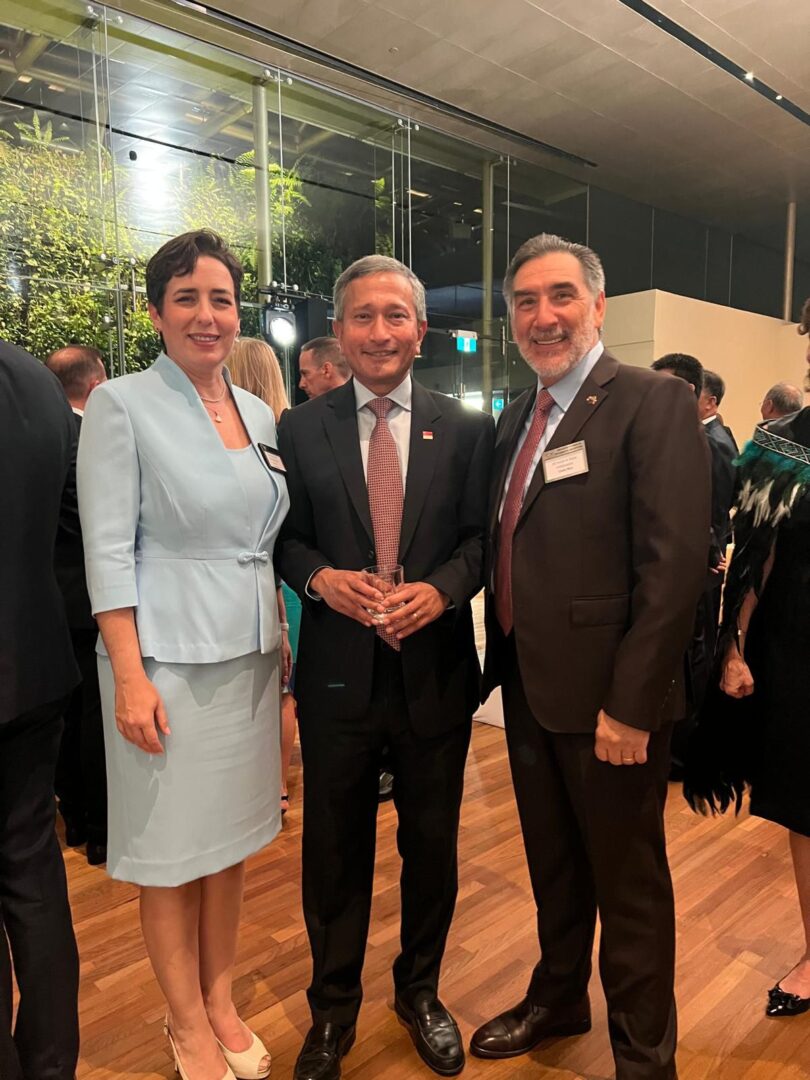
Ms Maricarmen‘s involvement in diplomatic event
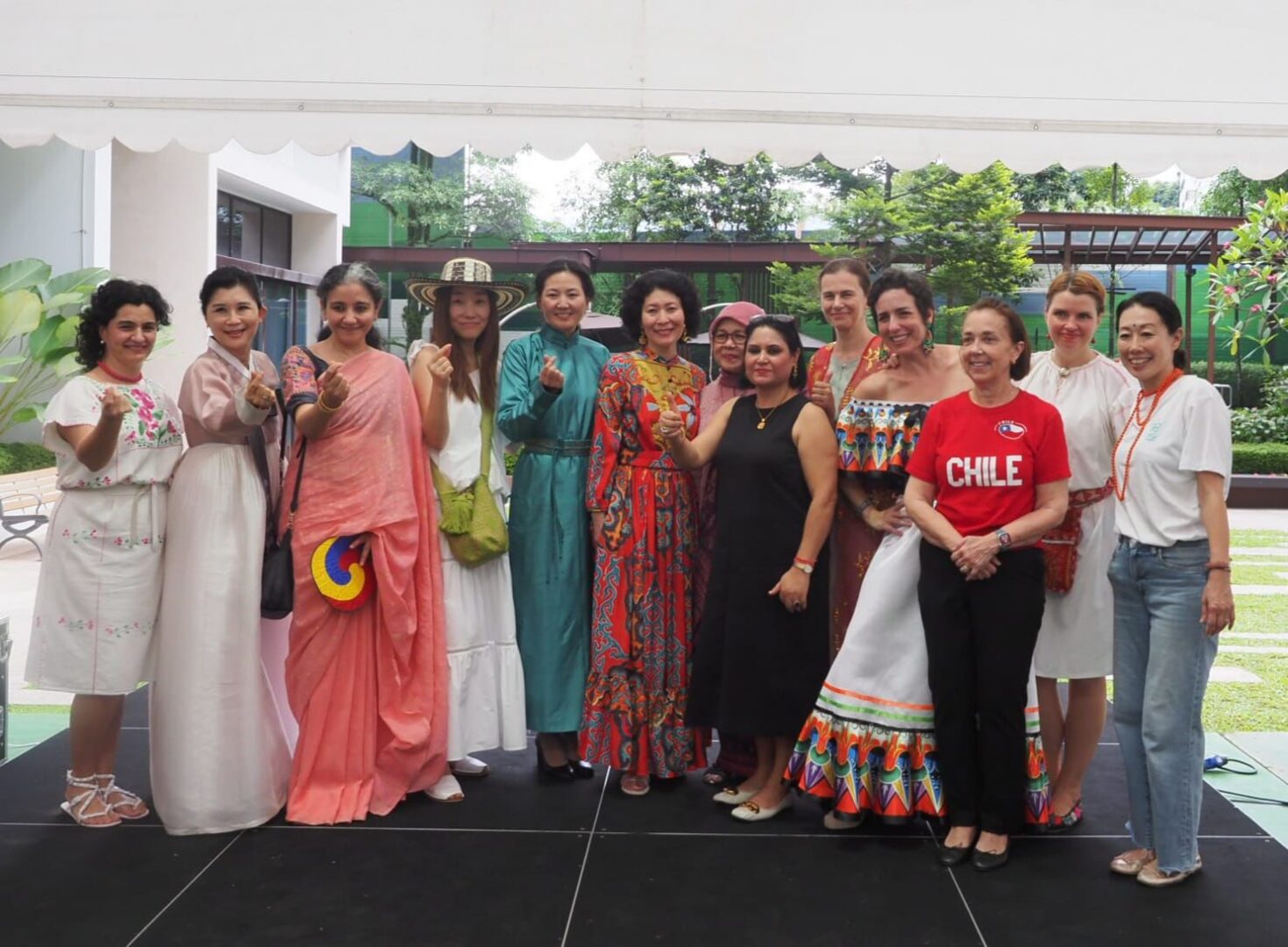
Her tenure in Singapore coincided with the global pandemic, presenting unique challenges to diplomatic engagement. With traditional large-scale receptions no longer feasible, she emphasised smaller, more meaningful interactions within the diplomatic community. “Instead of large receptions, we often met in smaller groups, which in many ways created more meaningful and lasting connections,” she noted. As Spouses of Heads of Mission (SHOM) coordinator, she prioritised maintaining cohesion and solidarity, ensuring that the community remained active despite physical limitations.
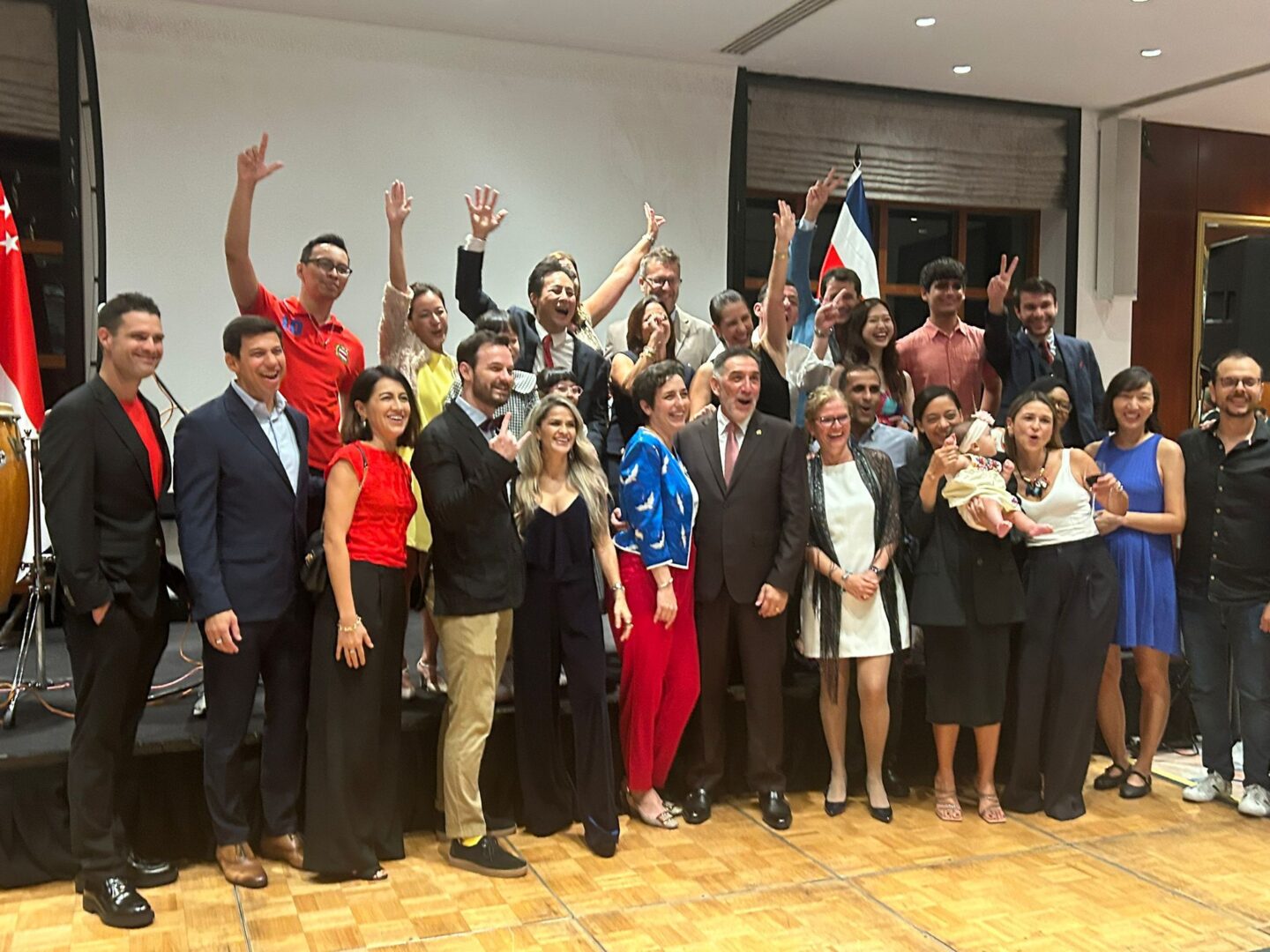
A key initiative she championed was inclusivity within diplomatic circles, particularly encouraging the participation of male spouses. This, she explained, reflects a broader shift in diplomatic culture. “Diplomatic life is evolving, and inclusivity strengthens the sense of community for everyone,” she observed, highlighting how modern diplomacy increasingly values diversity and shared participation.
Beyond community-building, Ms Maricarmen shared insights into the broader discourse on women’s empowerment. Drawing from her global experiences, she emphasised that while cultural contexts may differ, women’s aspirations remain strikingly similar. “Women everywhere navigate the balance between caring for others and nurturing their own aspirations,” she said. Central to this balance, she argued, is self-awareness: understanding one’s values and purpose as a guiding compass.
Her perspective on leadership was further shaped by observing prominent female figures in Latin America. Having worked closely with women who later ascended to positions of national leadership, she firmly believes that leadership transcends gender. “Power and leadership are not inherently masculine traits,” she stated, advocating for a more inclusive understanding of authority that embraces dialogue, empathy, and collaboration.
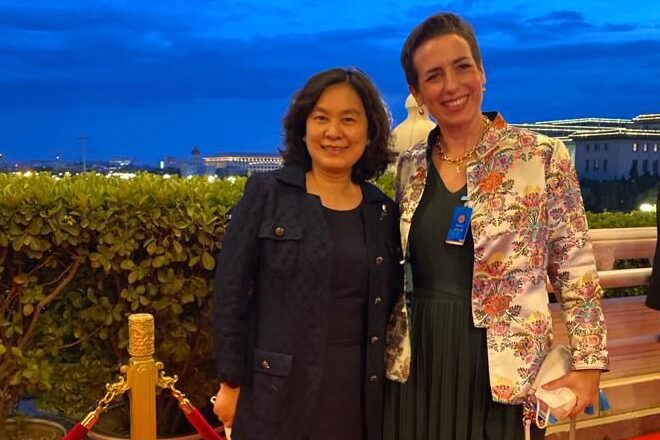
Reflecting on Costa Rica’s progress, Ms Maricarmen pointed to the country’s strong tradition of female leadership and democratic inclusivity. She noted that Costa Rica continues to advance gender representation in governance, with the historic election of its second female president, Laura Fernández Delgado, marking a significant milestone in the country’s political landscape. With women increasingly occupying prominent roles across government and international institutions, she views normalisation—not exception—as the true indicator of progress. At the same time, she acknowledged that challenges persist globally, particularly in redefining leadership models that have historically favored competition over cooperation.
Her reflections also extended to international cooperation, where she emphasised that advancing gender equality requires collective effort. “Gender equality is not a battle between sexes,” she noted. “When societies create conditions for everyone to contribute fully, the entire community benefits.” This perspective aligns with her broader belief in diplomacy as a tool for fostering understanding and shared progress.
Ms Maricarmen offered a message that resonates beyond International Women’s Day. She underscored the importance of recognising one’s intrinsic value and the ripple effect of individual actions. “The true source of power resides within each woman,” she affirmed, emphasising that whether in public leadership or private life, every role carries significance when guided by purpose and integrity.
Through her journey, Ms Maricarmen exemplifies a form of diplomacy that is both personal and profound, one that builds bridges not only between nations but also between people. In an increasingly complex global environment, her reflections serve as a reminder that dialogue, inclusivity, and quiet resilience remain at the heart of meaningful international engagement.