From proboscis monkeys in coastal forests to UNESCO-listed cave systems, Sarawak offers nature-rich experiences with accessible connections from across the region

Located on the island of Borneo in East Malaysia, Sarawak is a compelling destination for Singaporean and regional travellers seeking immersive nature experiences. Known for its vast rainforests, endemic wildlife and dramatic limestone landscapes, the state combines biodiversity with relatively well-organised visitor infrastructure centred around Kuching. Visa-free entry is granted for ASEAN nationals, including Singaporeans and Indonesians, for short stays (subject to prevailing immigration regulations), making Sarawak an accessible getaway.
Direct flights connect major hubs such as Singapore, Kuala Lumpur and Kota Kinabalu to Kuching, while domestic connections extend to more remote destinations like Mulu Airport. Transport within Sarawak typically involves a mix of road transfers, boats and short-haul flights, depending on the destination.
Bako National Park
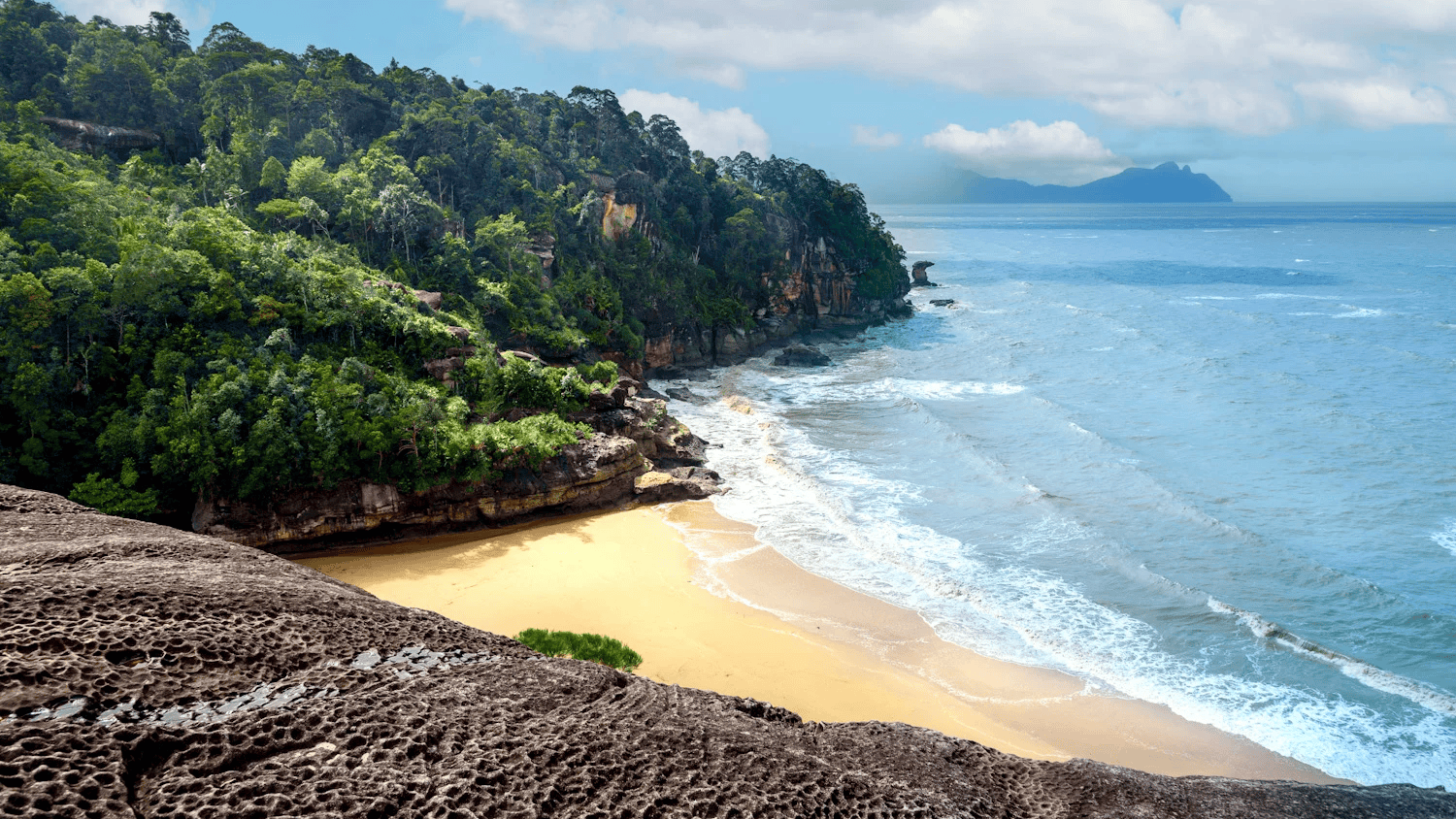
Established in 1957, Bako is Sarawak’s oldest national park and one of its most accessible. Despite covering just 27 square kilometres, it presents a remarkable range of ecosystems—from mangrove swamps to dipterocarp forests and coastal cliffs—making it a compact showcase of Borneo’s natural diversity.
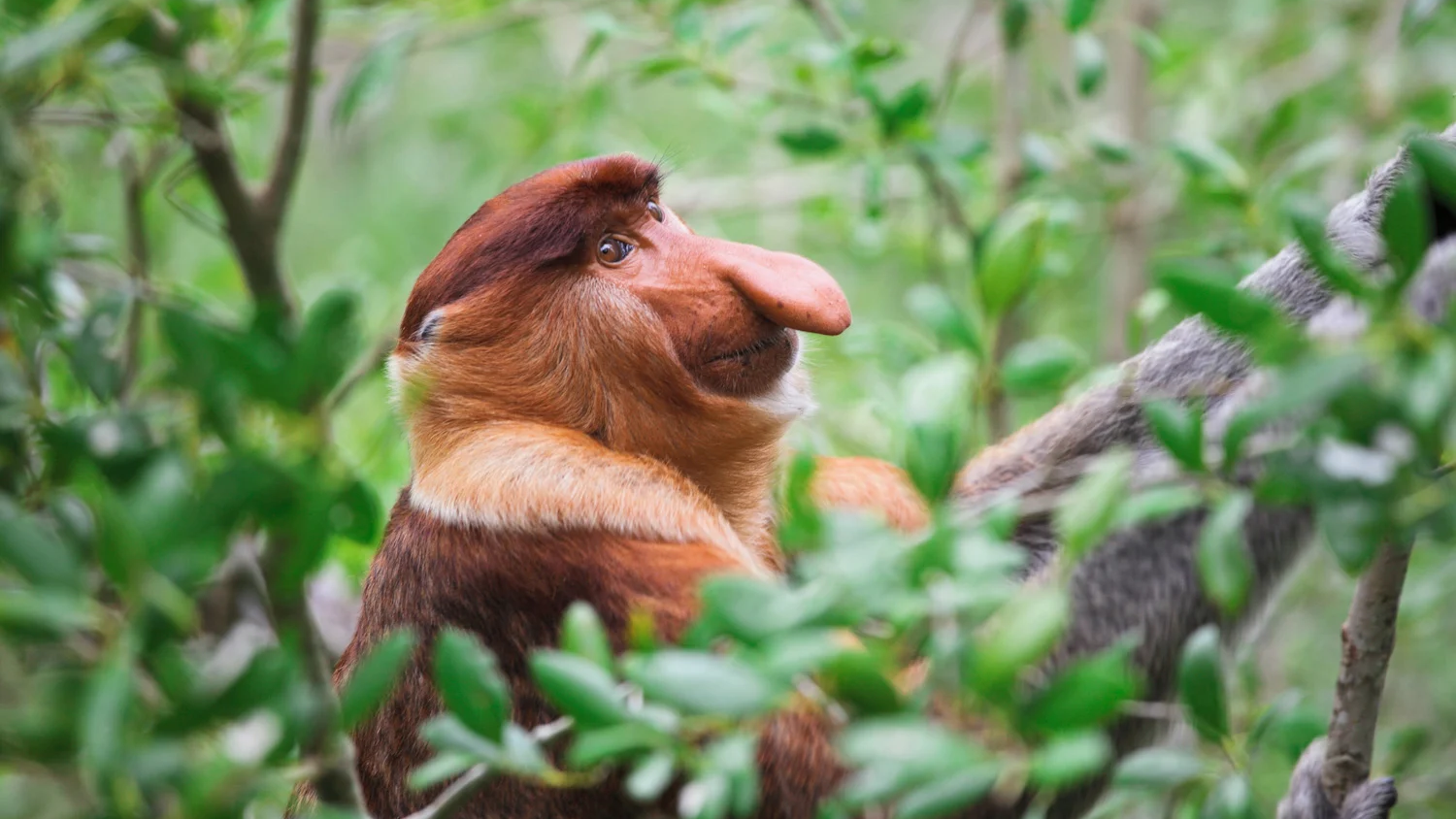
Wildlife sightings are a key draw, particularly the endemic proboscis monkey, alongside long-tailed macaques, bearded pigs and over 190 bird species. The park features 16 marked trails of varying difficulty, including the Telok Pandan Kecil Trail for coastal views and the Lintang Trail for a broader ecological overview.
Getting there: From Kuching, travel approximately 45–60 minutes by public bus (Route 1) or taxi to Bako Jetty, followed by a 20-minute boat transfer to the park.
Santubong National Park
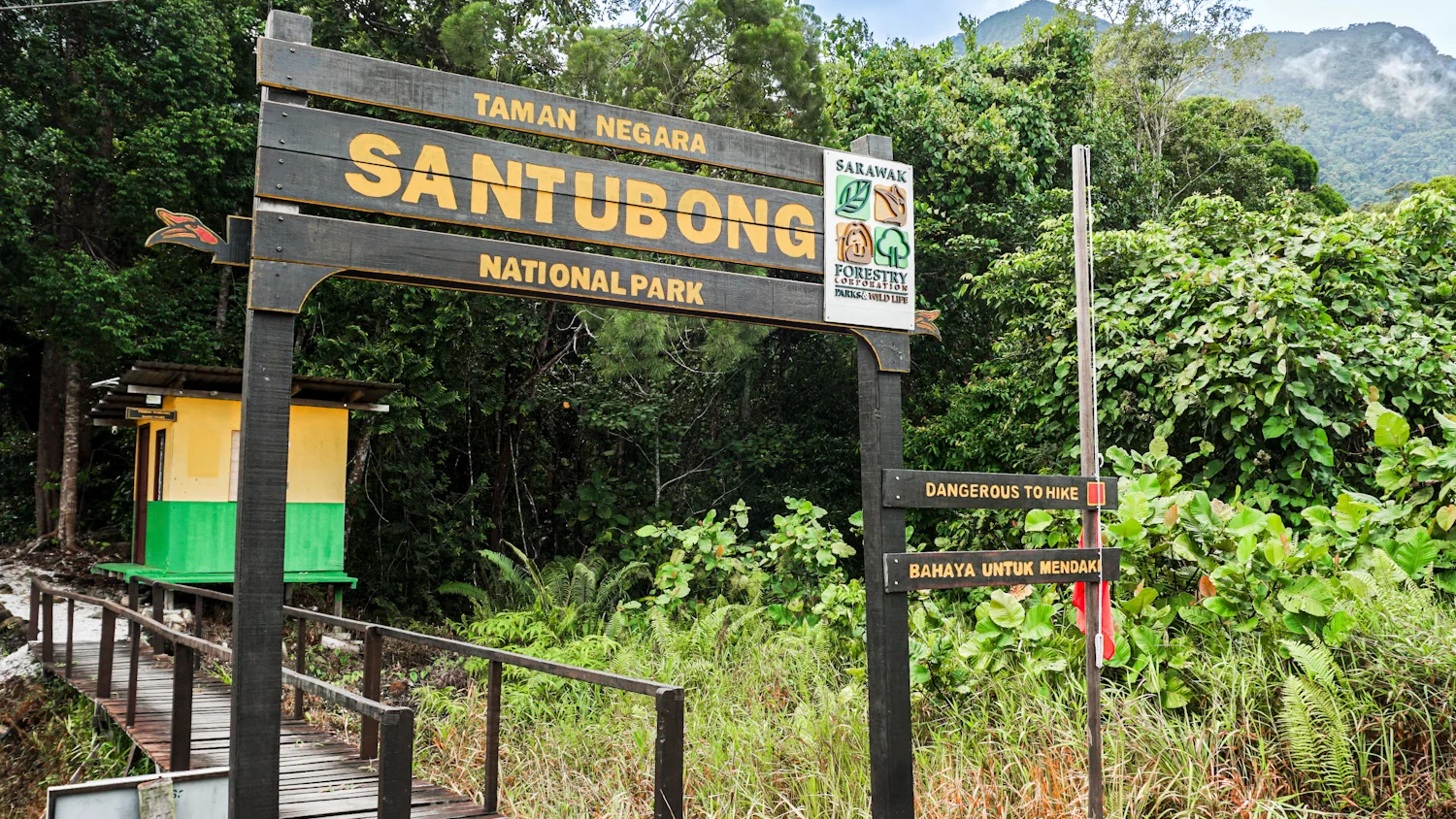
Dominated by the 810-metre Mount Santubong, this park blends rainforest trekking with coastal scenery near Damai Beach. It is known for challenging summit hikes and rewarding panoramic views, alongside waterfalls and birdlife, including the iconic rhinoceros hornbill.
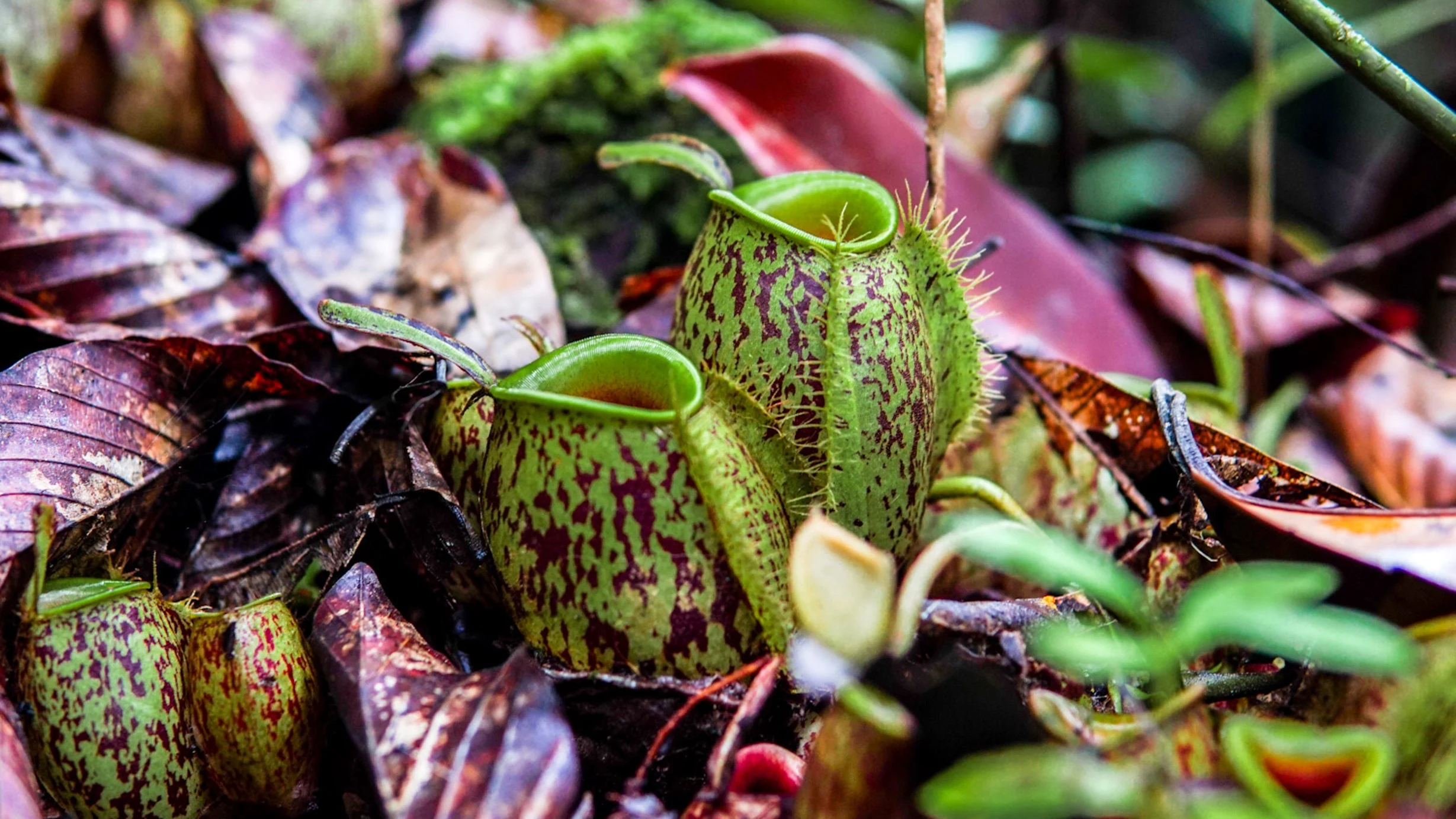
Getting there: Located about 35 kilometres from Kuching, the park is accessible by car or taxi. Visitors typically travel via the road towards Damai Beach.
Gunung Mulu National Park
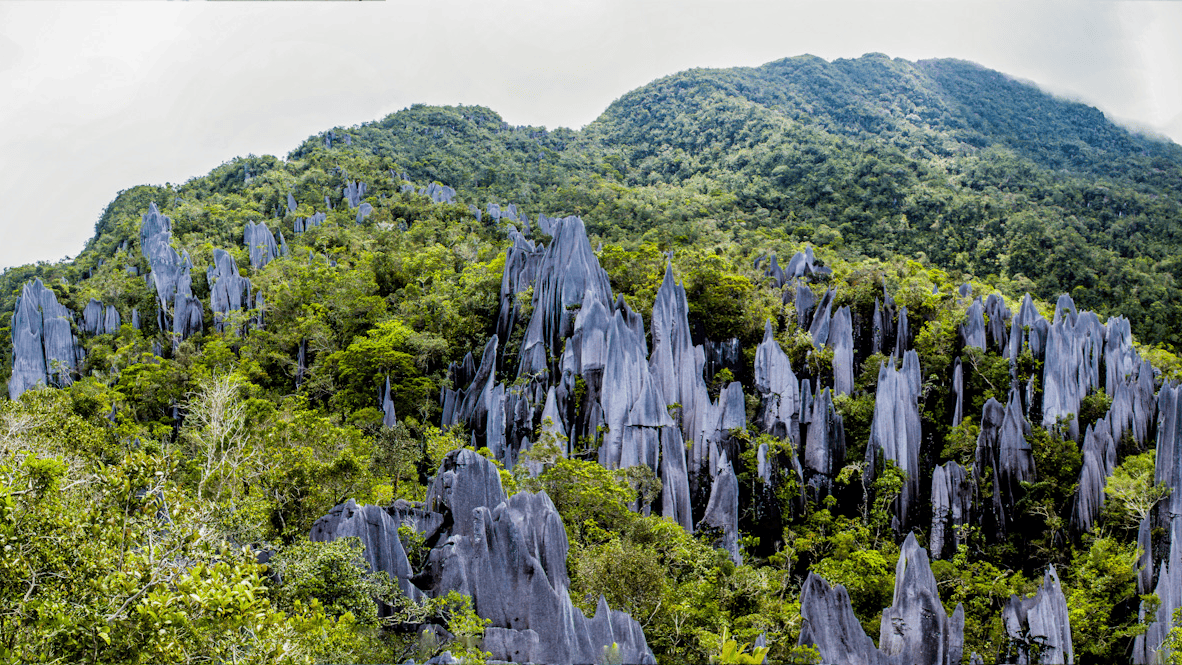
A highlight of Sarawak, this UNESCO World Heritage Site (inscribed in 2000) spans over 52,000 hectares and is renowned for its extensive cave systems and karst formations. Key features include the Sarawak Chamber (one of the world’s largest cave chambers), Deer Cave and Clearwater Cave, one of Southeast Asia’s longest cave systems.
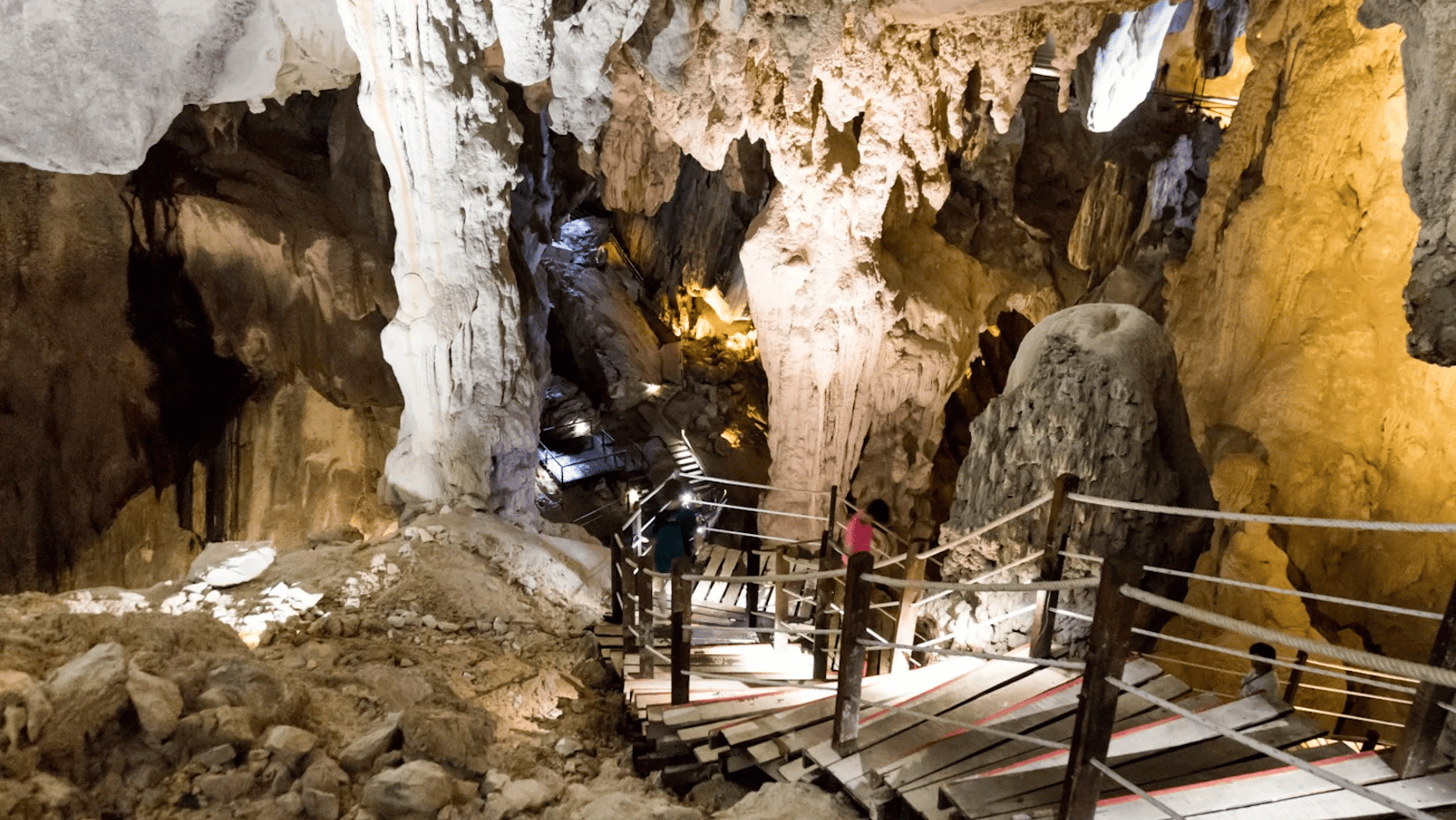
The park encompasses three mountains—Mount Mulu, Mount Benarat and Mount Api—and supports extraordinary biodiversity, including thousands of plant species and diverse fauna such as bats and birds. Activities range from guided cave exploration and river trips along the Melinau River to multi-day treks, including climbs to Mount Mulu and the Pinnacles of Gunung Api.
Entrance fees (5-day pass):
- Malaysians: Adults RM15; Children RM5
- Non-Malaysians: Adults RM30; Children RM10
Getting there: The most practical access is by air via MASwings flights from Kuching, Miri or Kota Kinabalu to Mulu Airport (approximately 30 minutes). The park is located just minutes from the airport, with transfers available.
Matang Wildlife Centre
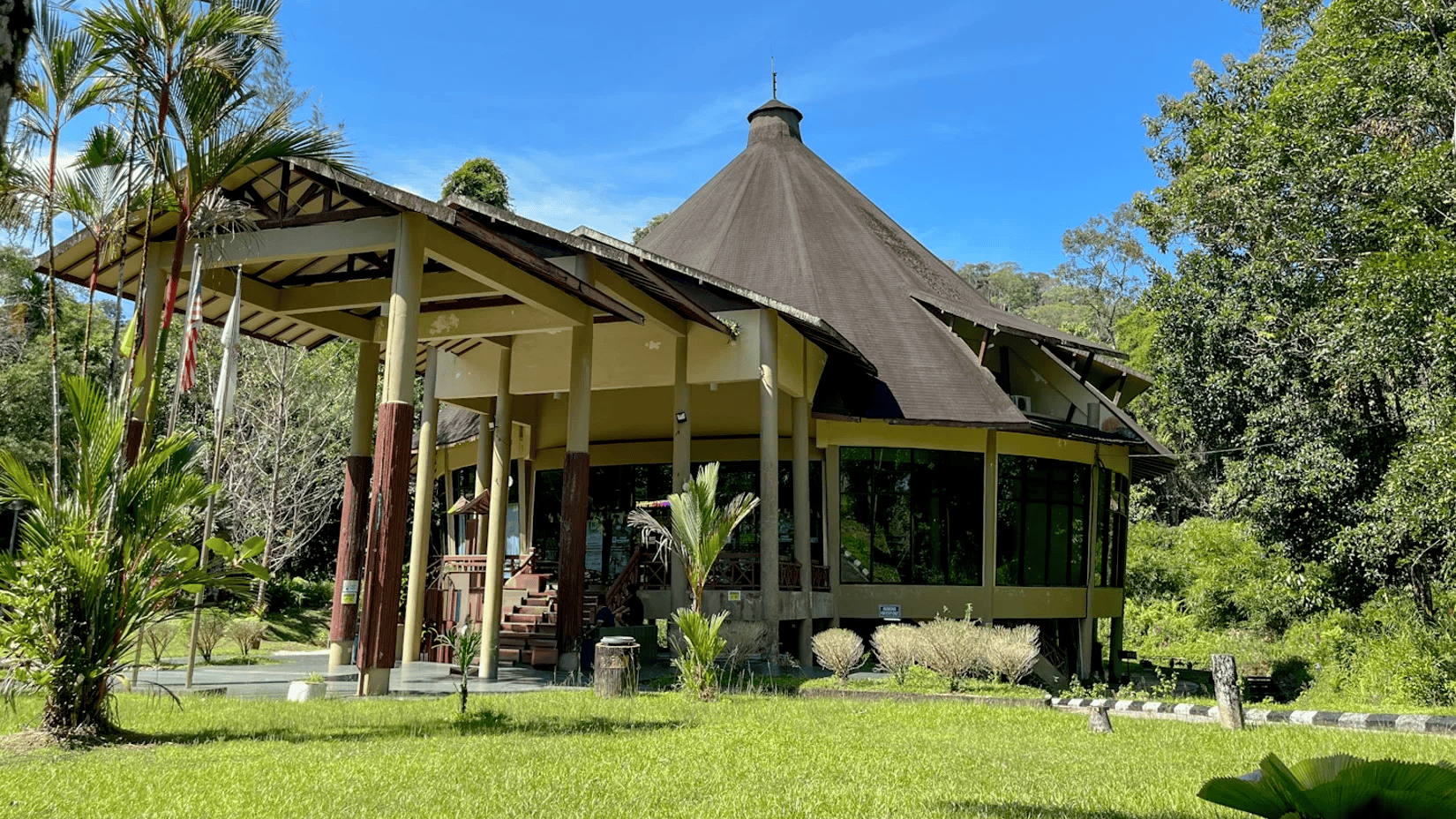
Situated within Kubah National Park, this rehabilitation centre focuses on the care of rescued and endangered wildlife, including orangutans, sun bears and hornbills. The facility integrates conservation with education, offering guided visits and forest trails.
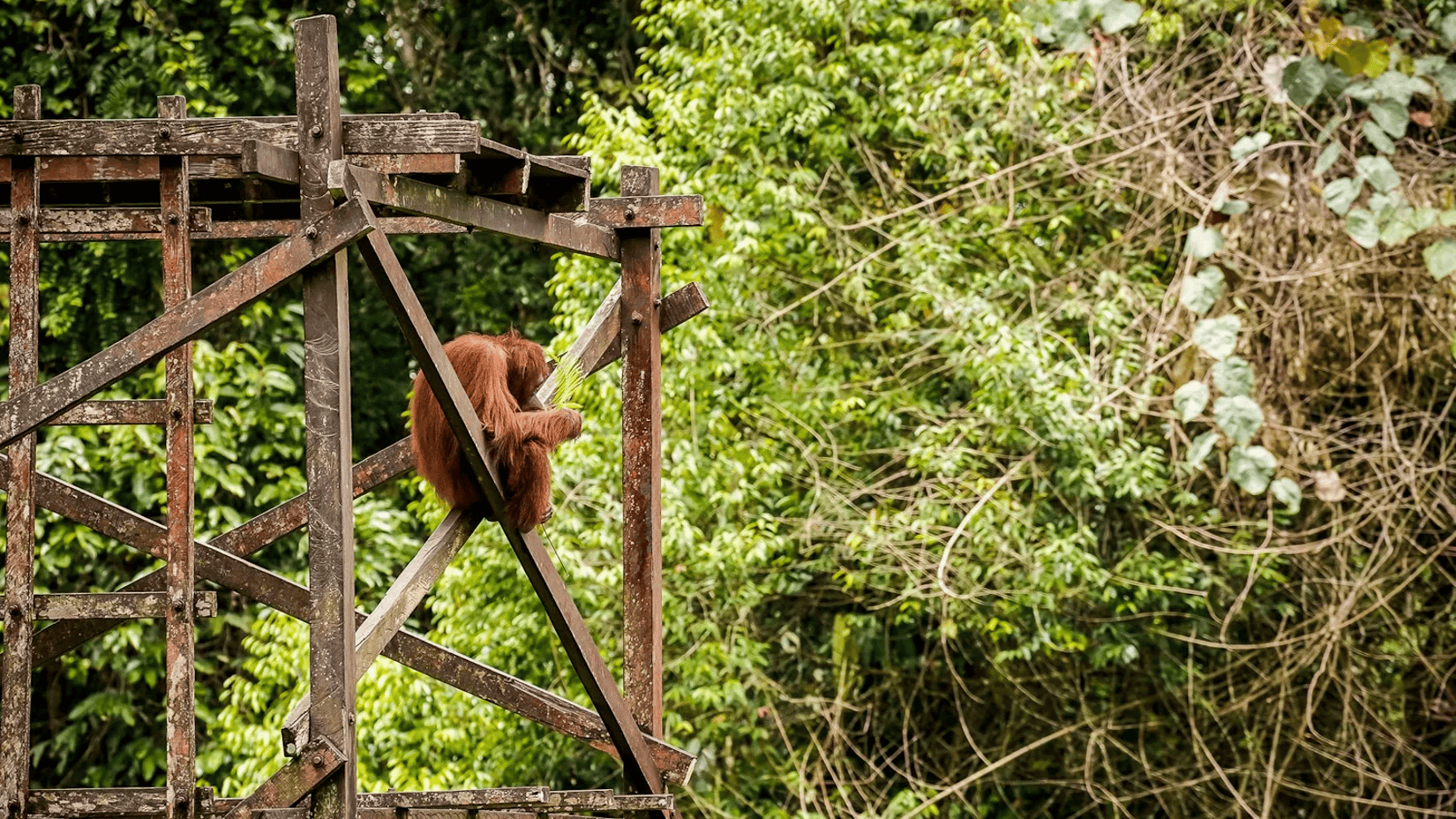
Visitors can explore jungle paths such as the Sungai Rayu and Sungai Senduk trails, which provide opportunities for birdwatching and observing native flora.
Entrance fees:
- Malaysians: Adults RM10; Children RM3
- Non-Malaysians: Adults RM20; Children RM7
Getting there: Approximately 40 minutes by car or taxi from Kuching.
Sarawak Delta Geopark
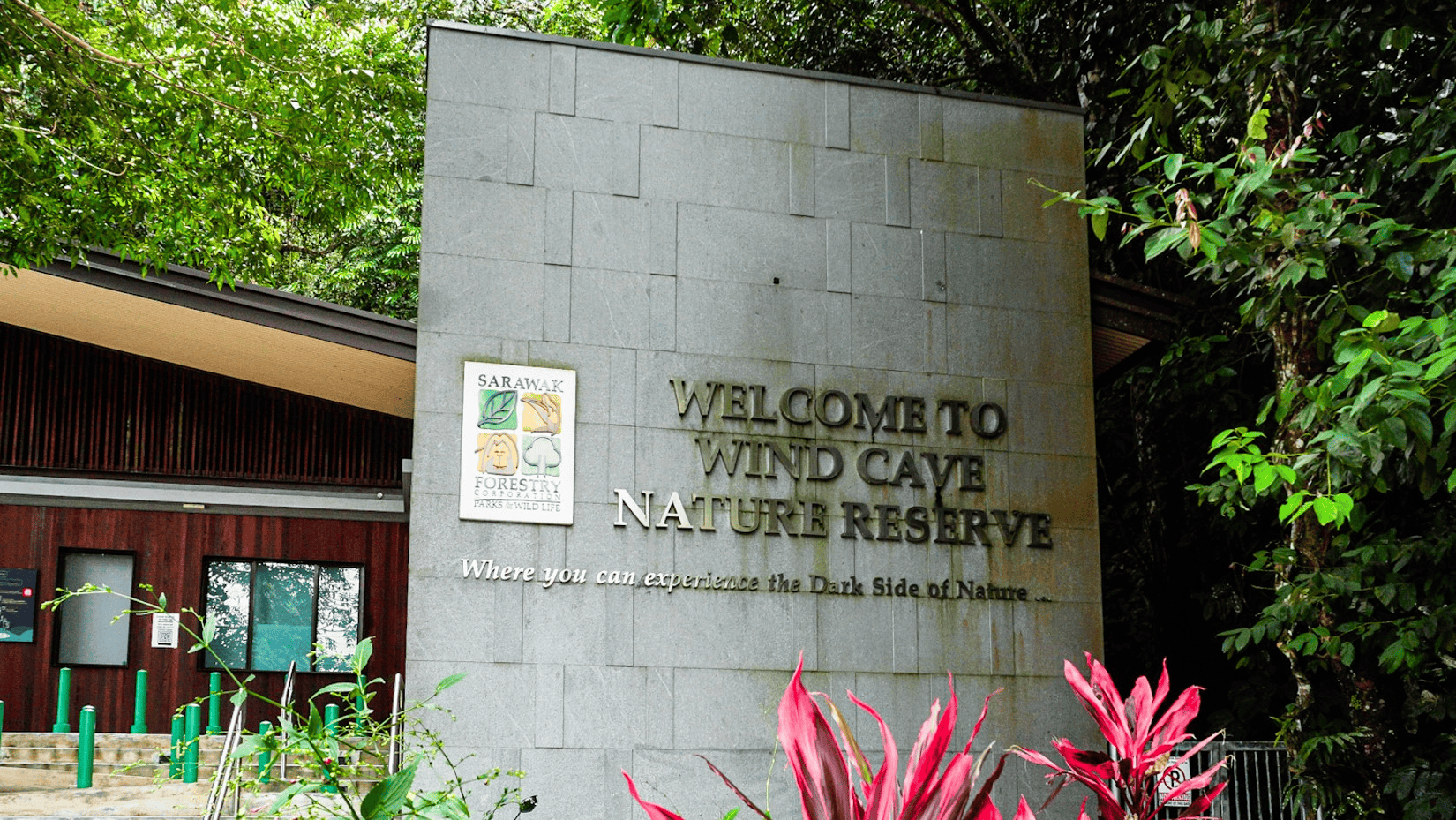
Covering over 311,000 hectares across Bau, Padawan and Kuching, this geopark integrates geological, ecological and cultural heritage sites. Key highlights include:
- Wind Cave: Known for its cool interior, stalactites and archaeological significance.
- Fairy Cave: A striking limestone cave with natural light streaming through a vertical opening.
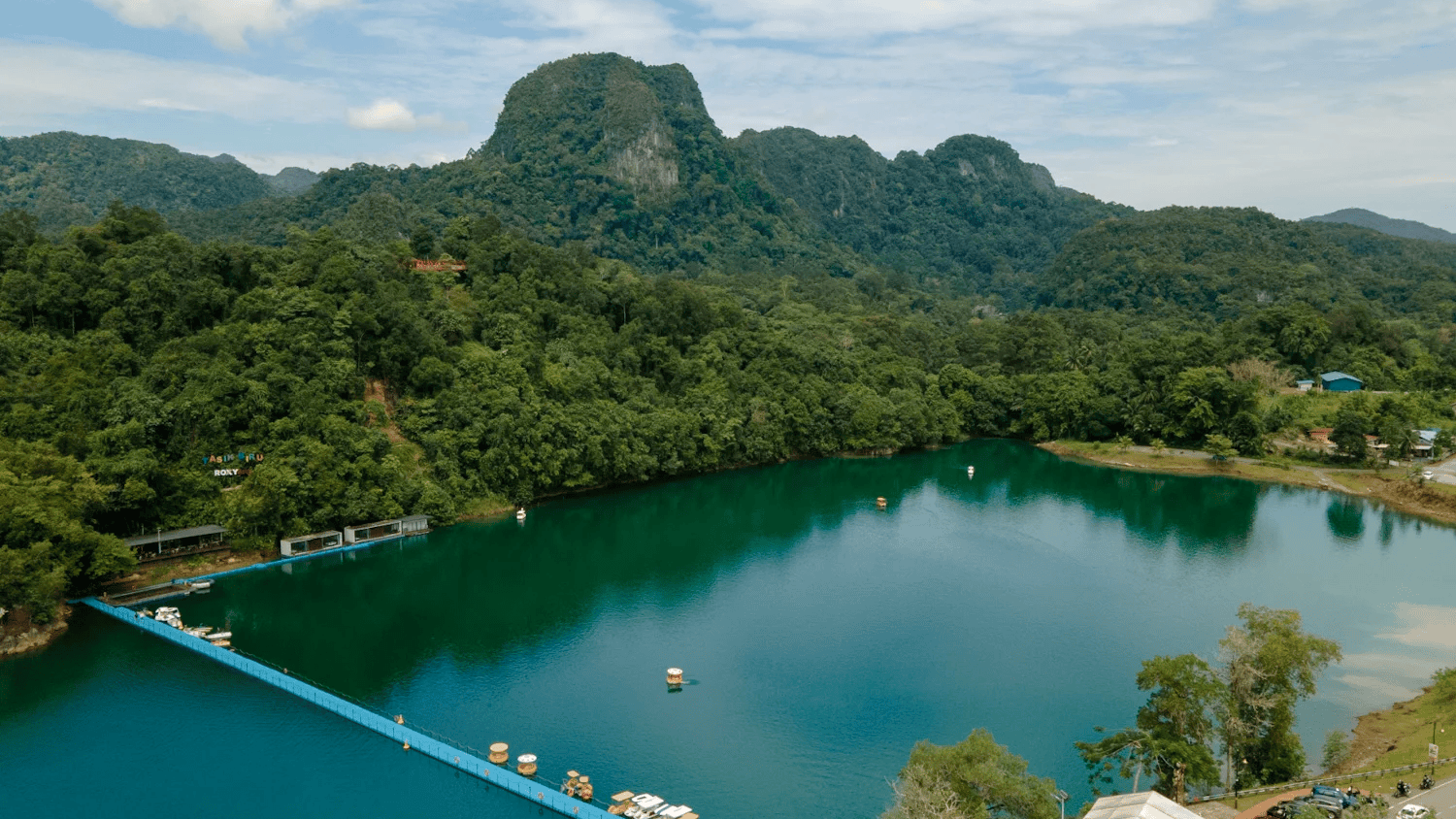
- Tasik Biru: A vivid blue lake formed from a former gold mine, reflecting the region’s mining history.
Getting there: Approximately 50 kilometres from Kuching. Visitors can drive or take a bus to Bau town, followed by a taxi to specific sites.
Essential Travel Information
- Visa: ASEAN nationals (including Singaporeans and Indonesians) typically enjoy visa-free entry for short visits. Always verify current immigration requirements before travel.
- Best way to get around: Kuching serves as the main gateway, with onward travel by road, river or domestic flights depending on the destination.
- Currency: Malaysian Ringgit (MYR).
- Connectivity: E-hailing services such as Grab are available in urban areas like Kuching.

Source: Malaysia Tourism