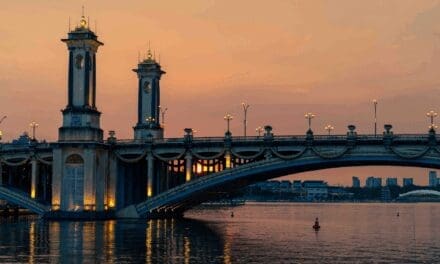
An offshore gem blending tranquil beaches, wartime heritage and tax-free shopping, Labuan offers an accessible island getaway for Singaporean and regional travellers seeking both relaxation and cultural depth

Located off the coast of Borneo, Labuan is one of Malaysia’s three federal territories, positioned at the northern edge of Brunei Bay facing the South China Sea. Often described as the “Pearl of Borneo”, the island combines natural landscapes, historical landmarks and modern facilities within a compact area of approximately 92 square kilometres.
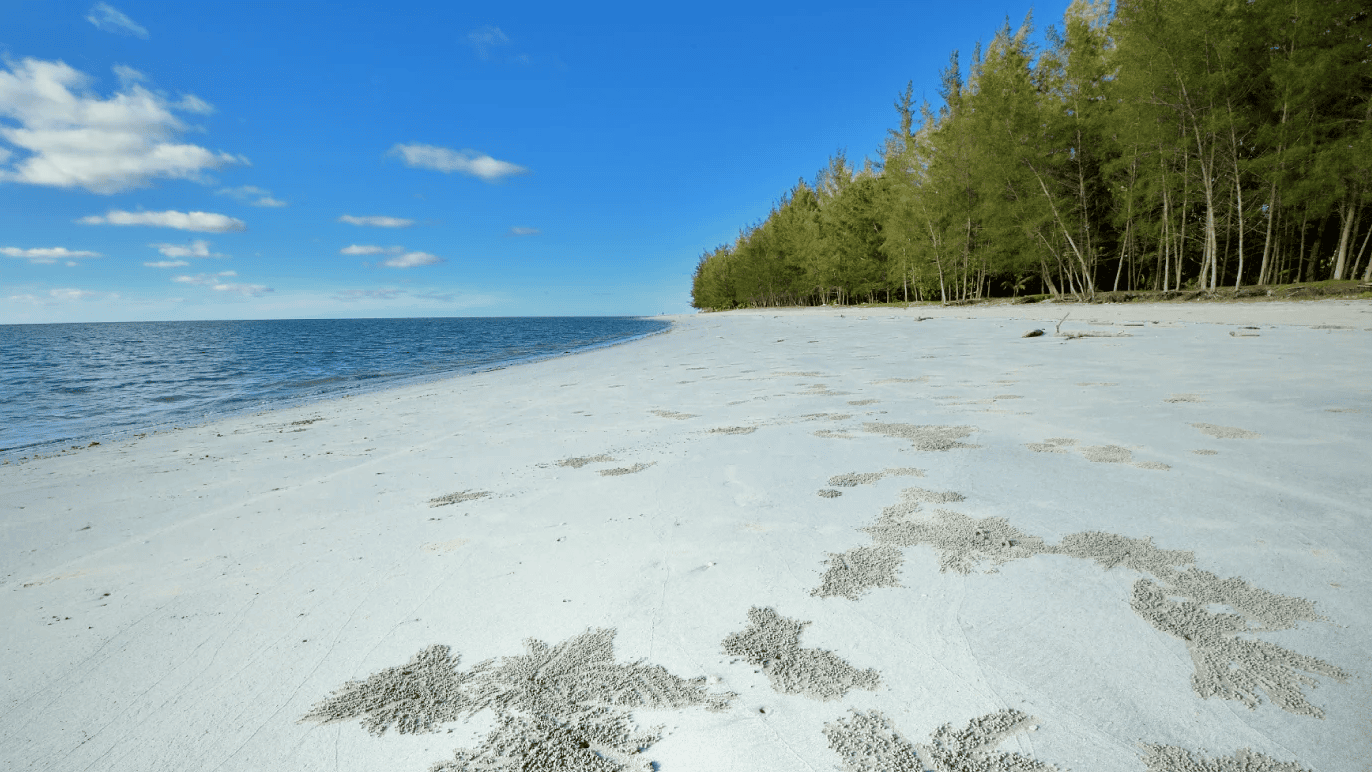
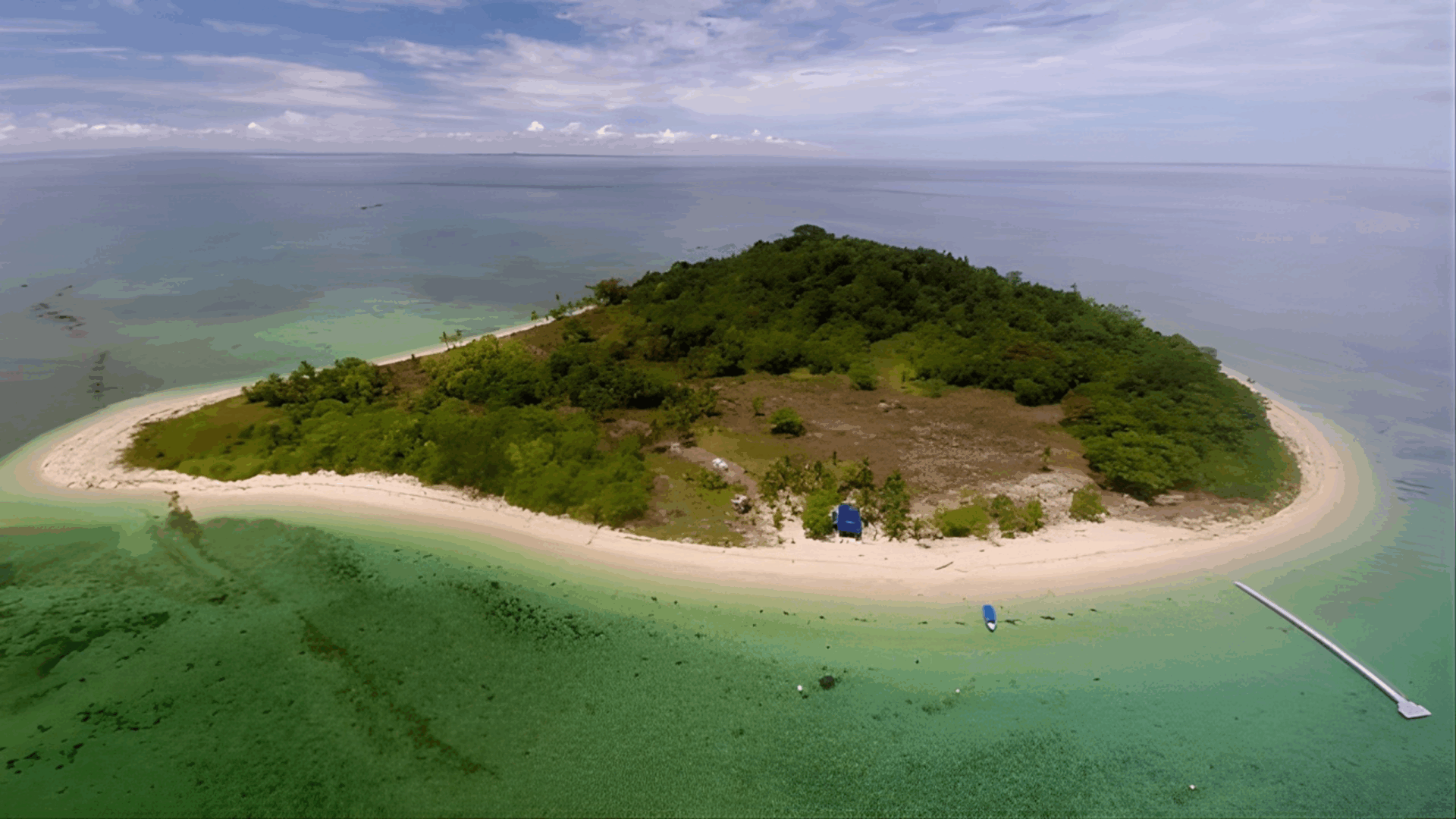
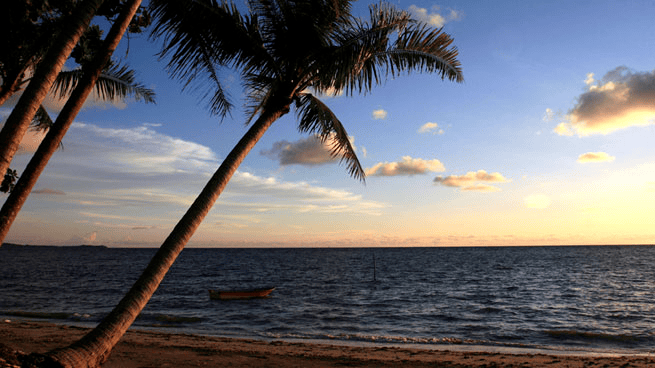
For travellers, Labuan presents a well-rounded destination. Nature enthusiasts can explore the Labuan Marine Park, comprising Kuraman, Rusukan Kecil and Rusukan Besar islands, known for coral reefs, clear waters and four notable wreck-diving sites. Meanwhile, its coastline features accessible beaches such as Layang-Layangan, Pancur Hitam and Pohon Batu—ideal for leisurely cycling, sunset viewing and casual seaside dining.
The island also offers a strong sense of history. The Labuan Museum traces the territory’s past from colonial rule to World War II, while the Labuan World War II Memorial—Malaysia’s largest—commemorates over 3,900 fallen soldiers. Another distinctive landmark is The Chimney in Tanjung Kubong, a 106-foot brick structure whose original purpose remains uncertain, adding intrigue to Labuan’s coal-mining heritage.
Cultural and community experiences are equally prominent. Visitors can explore traditional water villages such as Kampung Patau-patau, where stilt houses reflect the lifestyle of local fishing communities. Homestay programmes in villages like Sungai Labu and Bukit Kuda provide deeper engagement with local customs. The Labuan Marine Museum and Bird Park further highlight the island’s biodiversity, showcasing marine ecosystems and Borneo’s rich birdlife.

Labuan is also recognised as a duty-free island, making it a practical stop for shopping. Visitors can find imported goods—including chocolates, perfumes, cosmetics and electronics—at competitive prices in areas such as Financial Park Complex, Victoria Point and the weekend bazaar (Tamu). Dining focuses heavily on fresh seafood, complemented by local specialties such as coconut pudding, lamban (rice dumplings) and jelurut (sweet coconut dessert).
Transport & Accessibility
Labuan is well connected within Malaysia and the surrounding region.
- By Air: Direct flights operate from Kuala Lumpur International Airport (KLIA), as well as regional hubs such as Kota Kinabalu and Miri, served by airlines including Malaysia Airlines, MASWings and AirAsia.
- By Sea: Ferries connect Labuan to Sabah, Sarawak and Brunei. Travel time is approximately 3 hours from Kota Kinabalu and around 1 hour from Brunei.
Getting Around:
The island’s compact size allows it to be explored within about an hour by road. Taxis, rental cars and call-taxi services are readily available, while buses and minibuses connect key areas.
Visa & Entry Information
Labuan follows Malaysia’s standard immigration policies. For Singaporean travellers, visa-free entry is granted for short stays. Travellers from many ASEAN countries similarly enjoy visa-free access, while others should check Malaysia’s official visa requirements prior to travel. As Labuan is a federal territory of Malaysia, entry procedures are aligned with national immigration regulations.

Source: Malaysia Tourism