Discover Malaysia’s most remarkable architectural icons, where centuries-old heritage meets cutting-edge design across vibrant cities and coastal landscapes.
Malaysia’s architectural landscape is a compelling blend of history, culture and modern innovation, reflecting the country’s diverse influences and evolving identity. From colonial-era structures to contemporary engineering feats, these landmarks offer a visual narrative of Malaysia’s past and present.
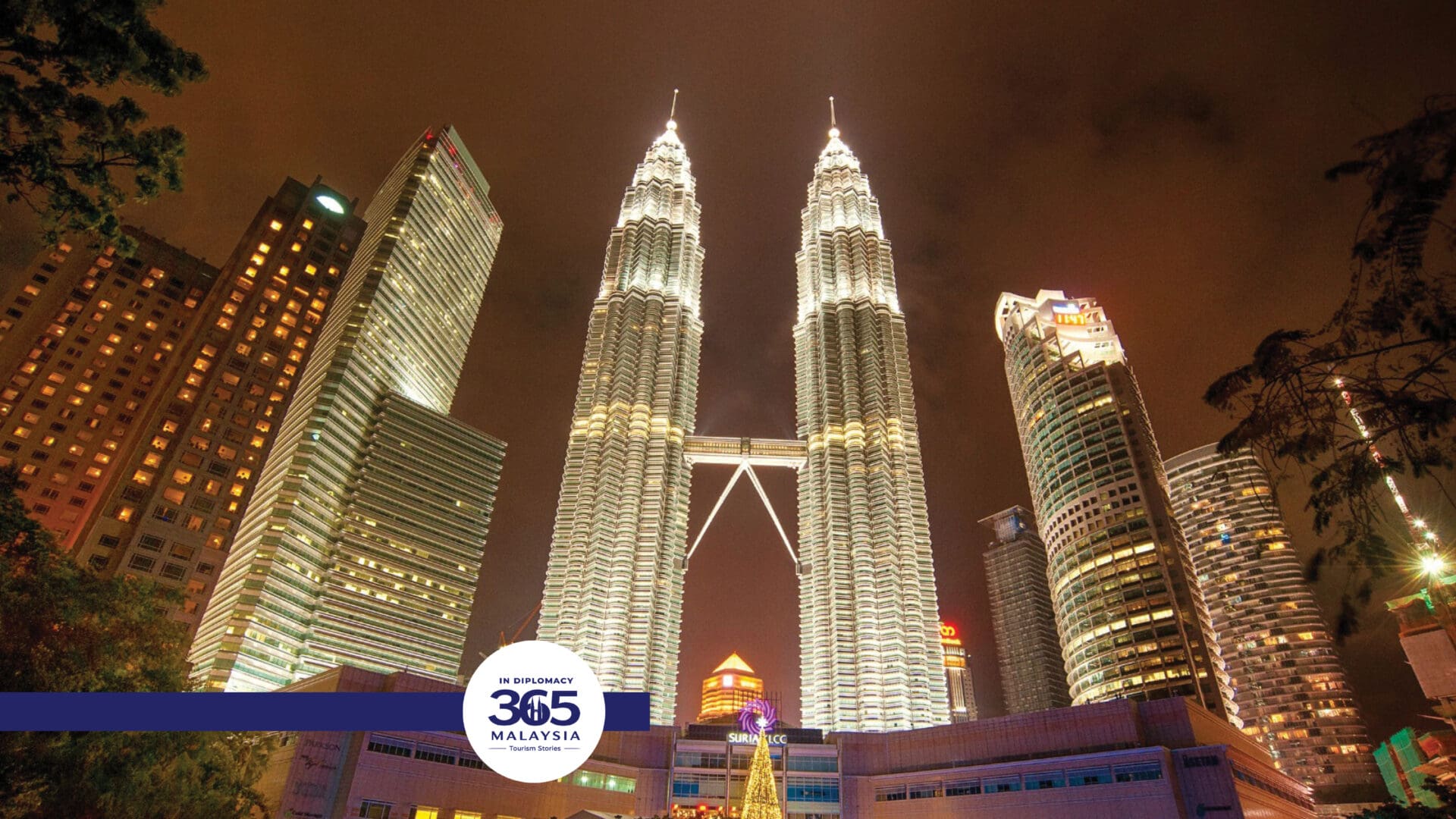
No visit to Kuala Lumpur is complete without witnessing the PETRONAS Twin Towers, the nation’s most recognisable symbol of urban progress. Standing at 88 storeys, these twin structures remain among the tallest skyscrapers in the world and are the only twin towers of their kind. Their design draws heavily from Islamic geometric principles, symbolising unity, harmony and stability. Constructed using high-strength concrete, with façades of stainless steel and glass, the towers exemplify both aesthetic elegance and engineering excellence.
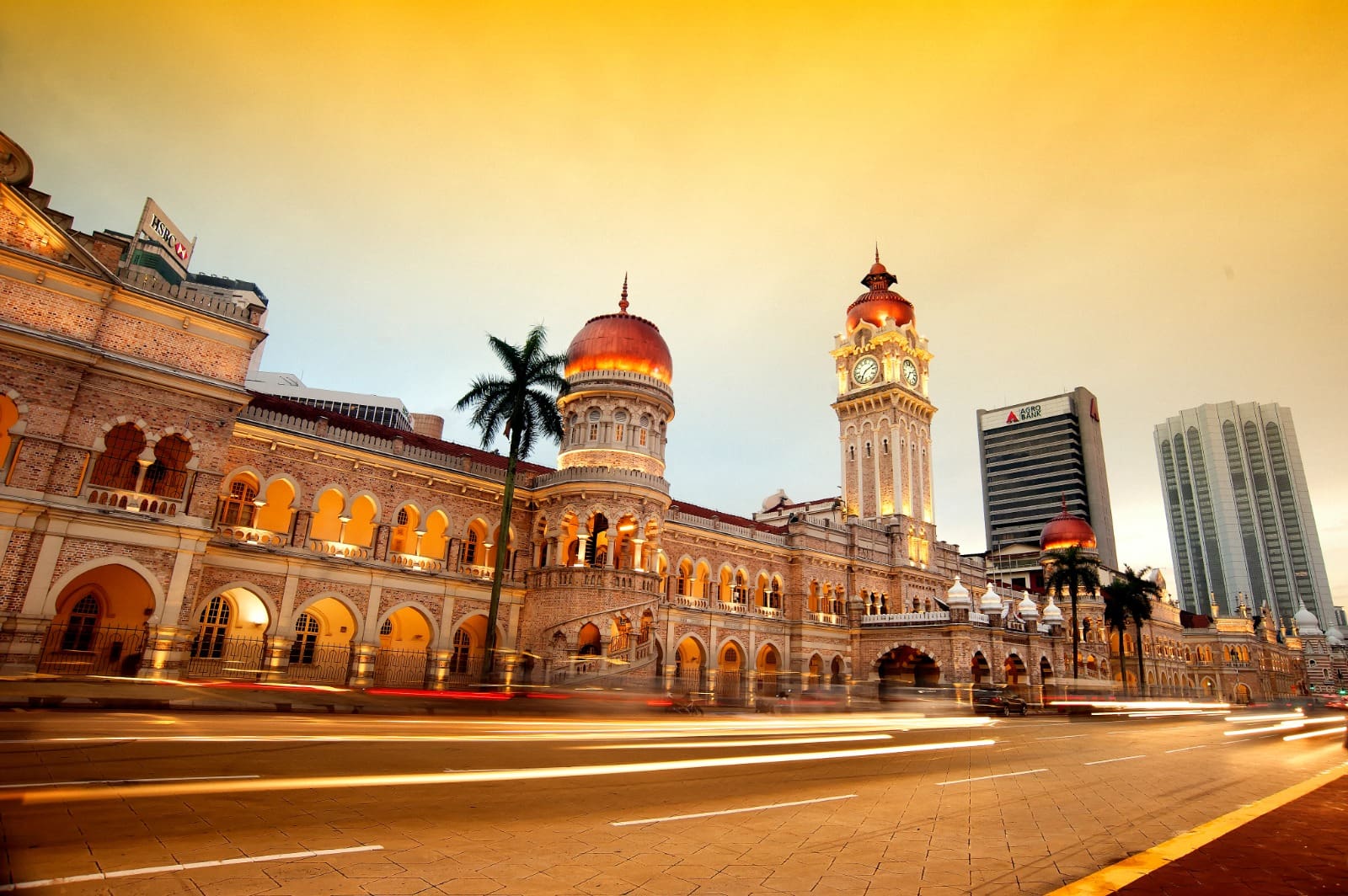
Equally significant is the Sultan Abdul Samad Building, a historic landmark located along Jalan Raja. Designed by A. C. Norman and completed in 1897, the building showcases a striking blend of Moorish, Gothic and Western architectural styles. Its grand arches, copper domes and prominent clock tower create a dramatic façade that has become synonymous with national celebrations, particularly Malaysia’s Independence Day parades.

In Melaka, the remnants of colonial history are embodied in A’Famosa, one of Southeast Asia’s oldest surviving European structures. Built by the Portuguese in the early 16th century, this fortress—also known as Porta de Santiago—once featured formidable walls and a towering watchtower. Today, it stands as a powerful reminder of the region’s colonial past and strategic importance.

Further east in Terengganu, the Crystal Mosque offers a striking contrast with its modern Islamic design. Constructed from steel, glass and crystal, the mosque appears to shimmer against its surroundings, particularly at night when illuminated. Its reflective surfaces create a mesmerising illusion, making it seem as though the structure floats gracefully on water.
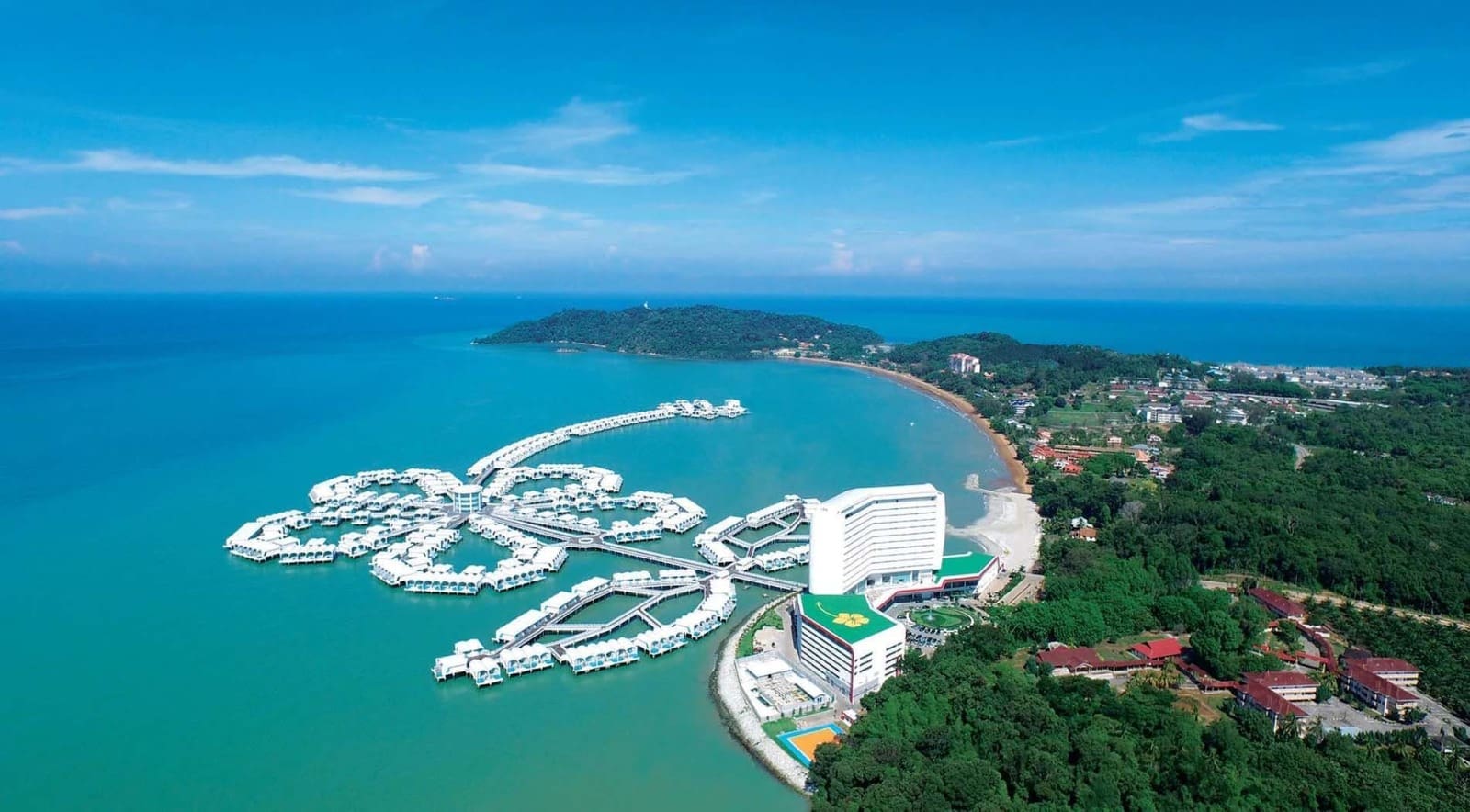
Rounding out the list is the distinctive Lexis Hibiscus Port Dickson, an architectural curiosity that redefines resort design. Shaped like Malaysia’s national flower, the hibiscus, this resort features overwater villas each equipped with private pools. Its unique layout has earned global recognition, including a Guinness World Record for the most swimming pools in a resort, making it a standout destination just a short drive from Kuala Lumpur International Airport.
Together, these landmarks showcase Malaysia’s architectural diversity—where historical legacies, cultural symbolism and modern creativity converge to create a truly distinctive built environment.
Source: Malaysia Tourism