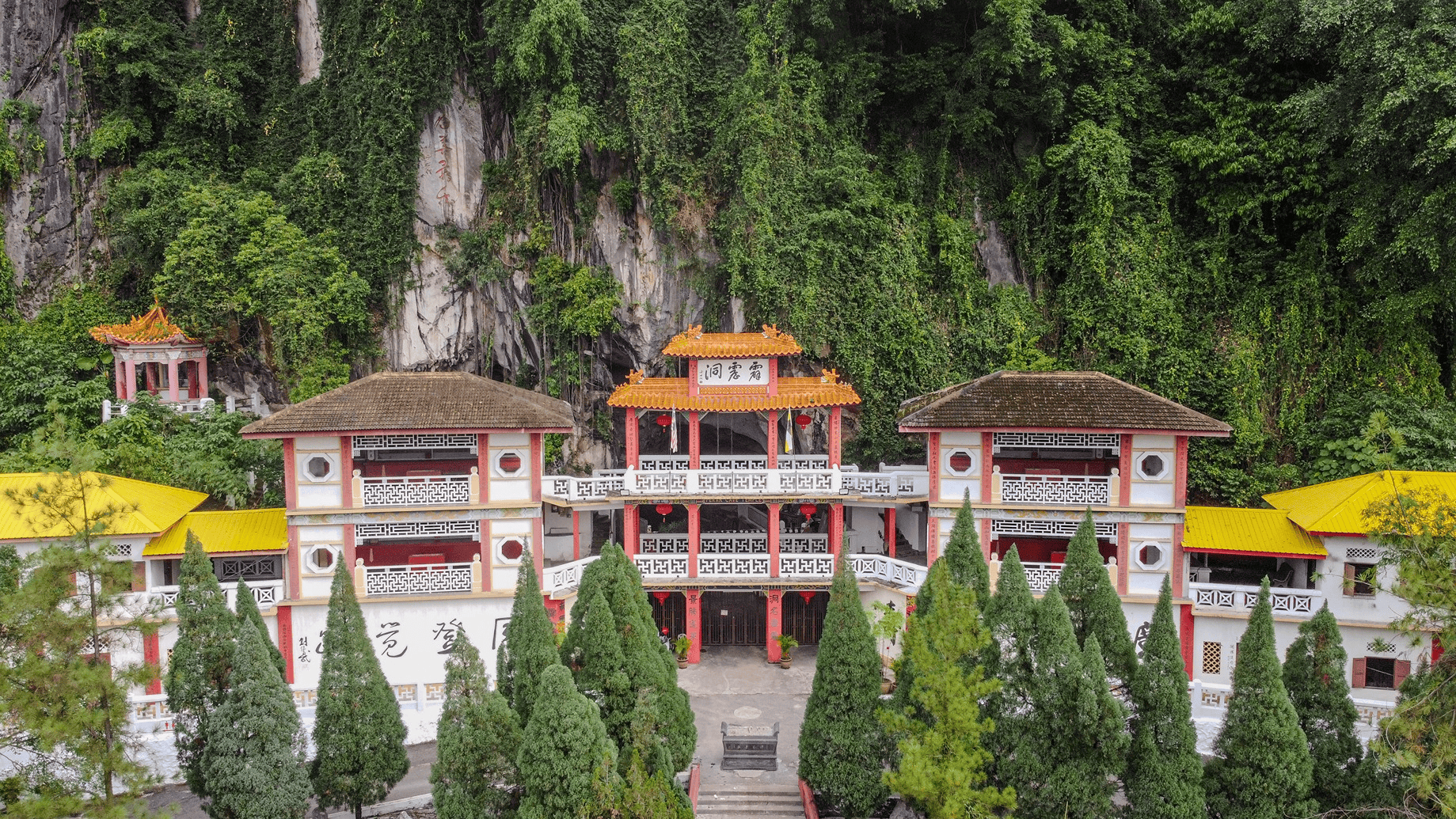
Nestled among Ipoh’s iconic limestone hills, these remarkable cave temples blend spirituality, natural beauty and architectural splendour. From towering Buddha statues to tranquil gardens and panoramic hilltop views, each temple offers a unique cultural experience
Renowned for its dramatic limestone landscapes, Ipoh is home to some of Malaysia’s most impressive cave temples. Built harmoniously within natural caves and limestone outcrops, these sacred sites offer visitors an opportunity to admire stunning religious architecture, learn about local traditions and enjoy the tranquillity of nature. Whether you are seeking cultural insights, spiritual reflection or breathtaking scenery, these five cave temples deserve a place on your Ipoh itinerary.
Sam Poh Tong Temple
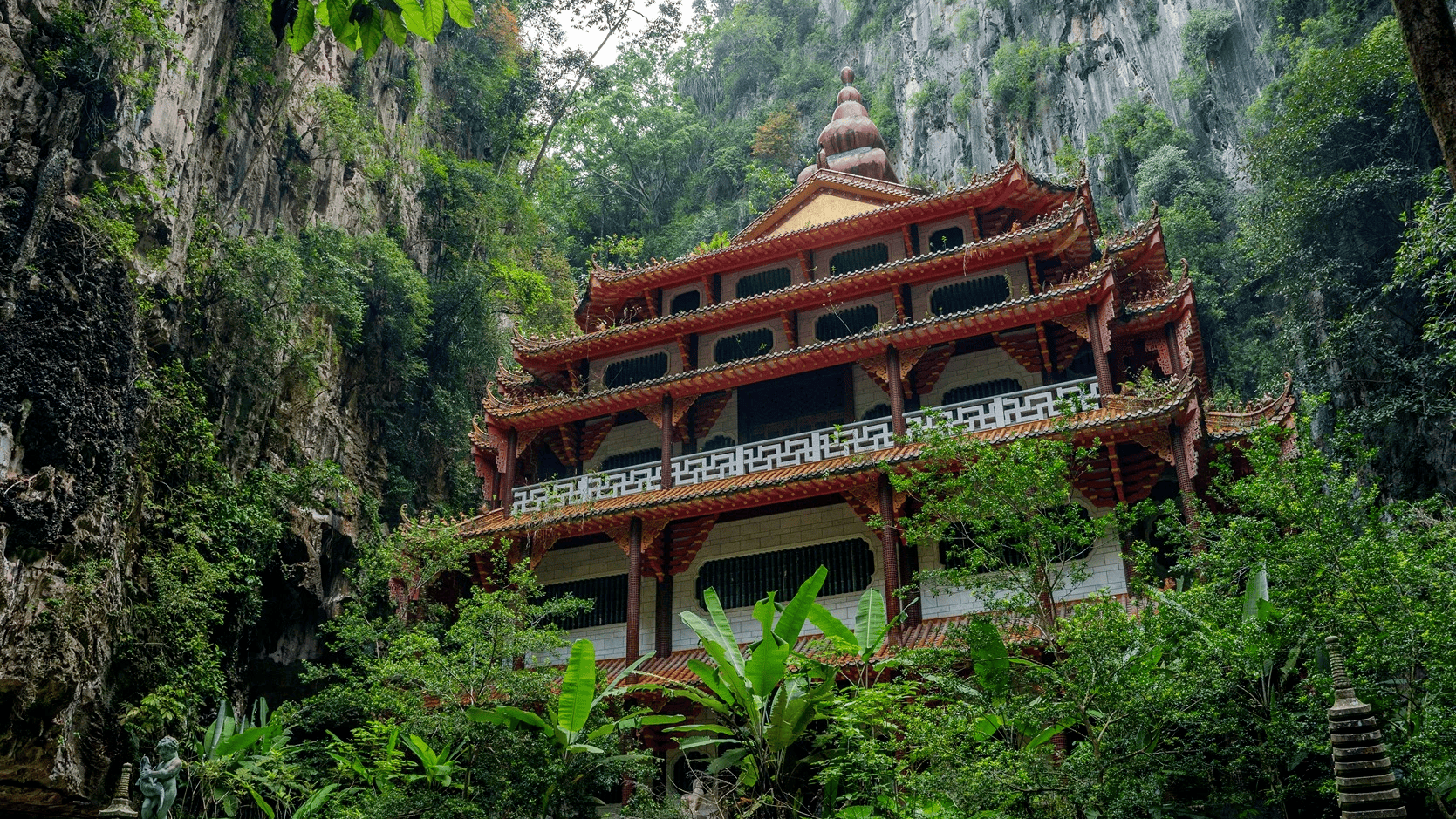
Widely regarded as the largest cave temple in Malaysia, Sam Poh Tong Temple is one of Ipoh’s most celebrated attractions. Its name translates from Cantonese as the “Cave of Triple Gems”, reflecting its significance within the Buddhist community.
Visitors are welcomed by a collection of beautifully crafted Buddha statues positioned throughout the temple grounds and cave chambers. Beyond the main temple, a scenic pathway leads to a peaceful area where visitors can admire views of the surrounding limestone hills and blue skies. A smaller temple and a tortoise enclosure can also be found at the rear of the complex.
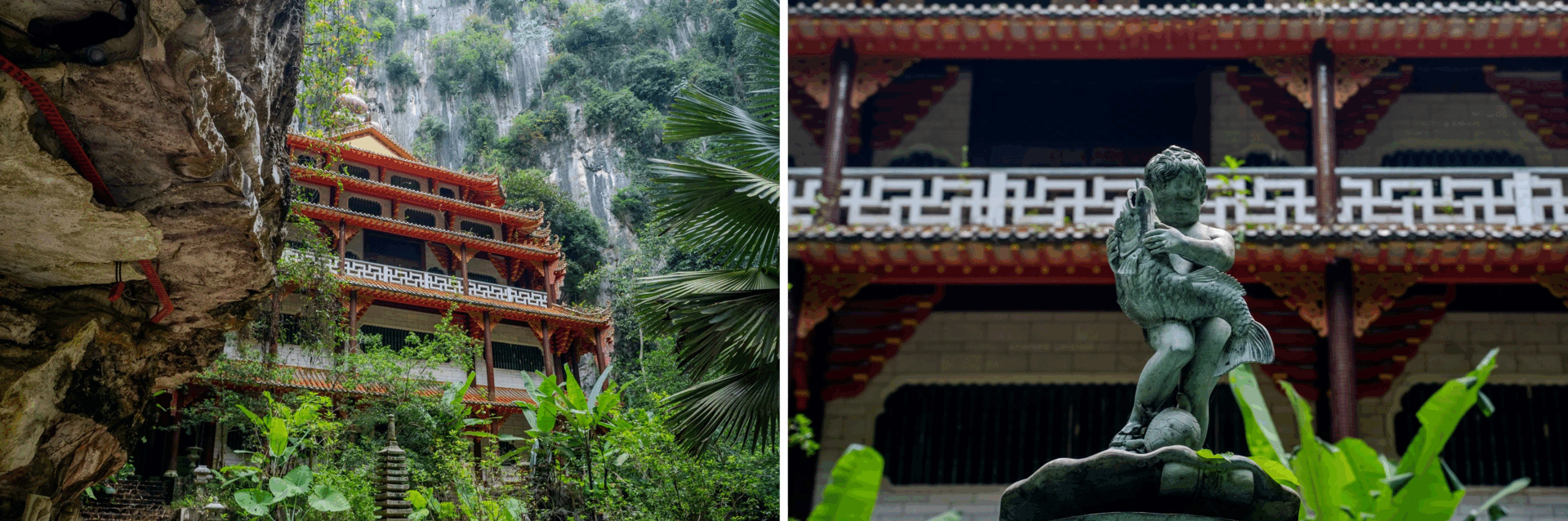
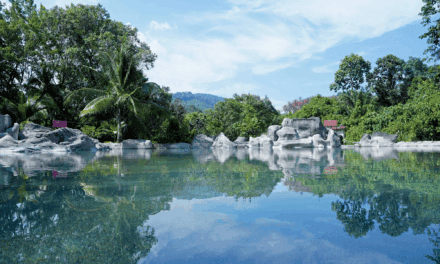
At the entrance lies an award-winning ornamental garden that was recognised as Malaysia’s Best Landscaped Garden in 1993. The garden features a large pond filled with goldfish, symbolising longevity and prosperity. Small islands adorned with artificial rock formations inspired by China’s Huangshan Mountains, along with traditional Japanese stone lanterns, add to the garden’s charm and elegance.
Perak Tong Cave Temple
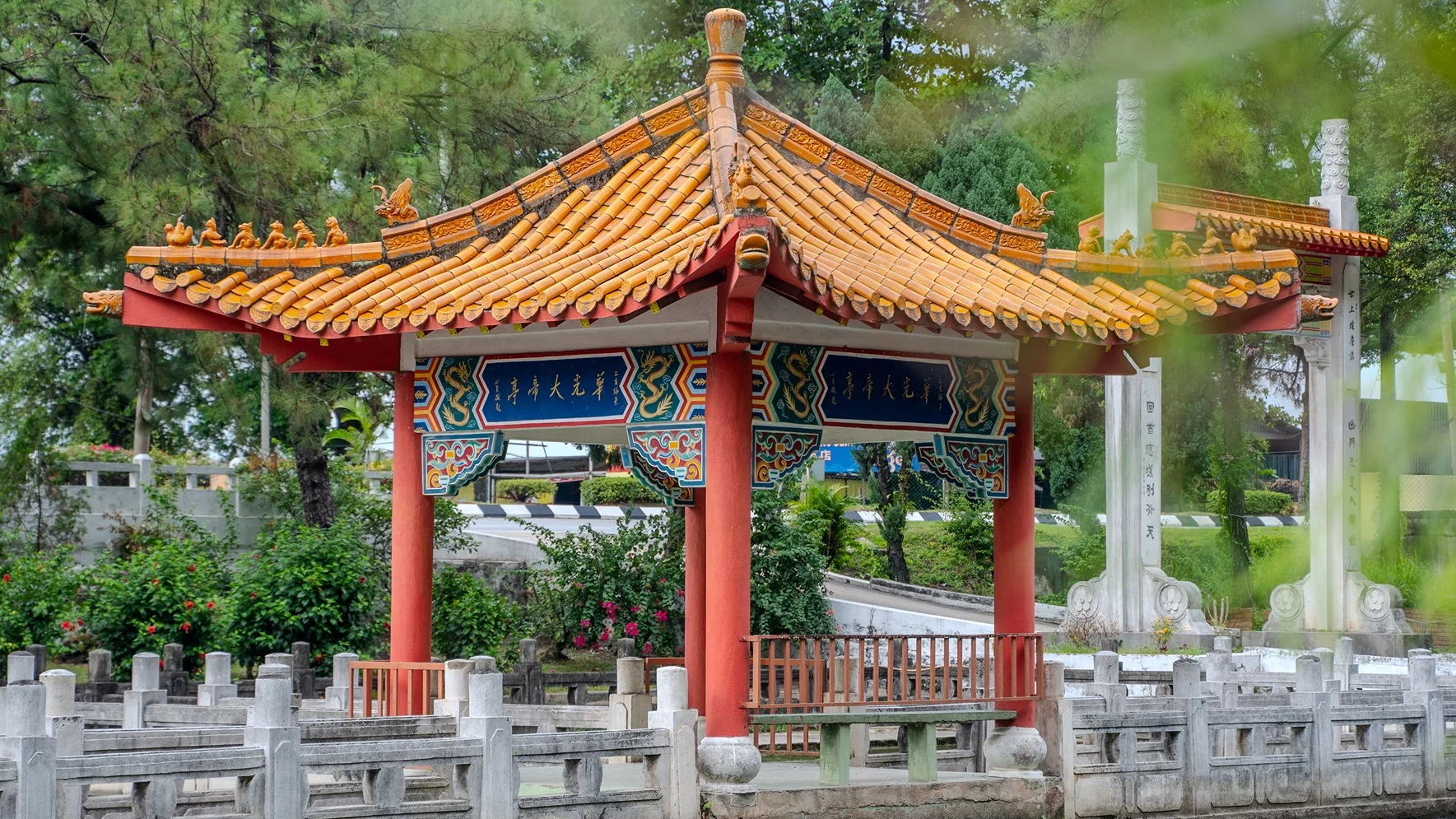
Located within Gunung Tasek, Perak Tong Cave Temple is another must-visit destination for travellers exploring Ipoh’s cave temples.
The temple is best known for its striking golden Buddha statue, which rises more than 40 feet high and is accompanied by guardian deities that stand majestically beside it. The cave interior is equally impressive, featuring colourful murals depicting Buddhist teachings and stories from Chinese culture.
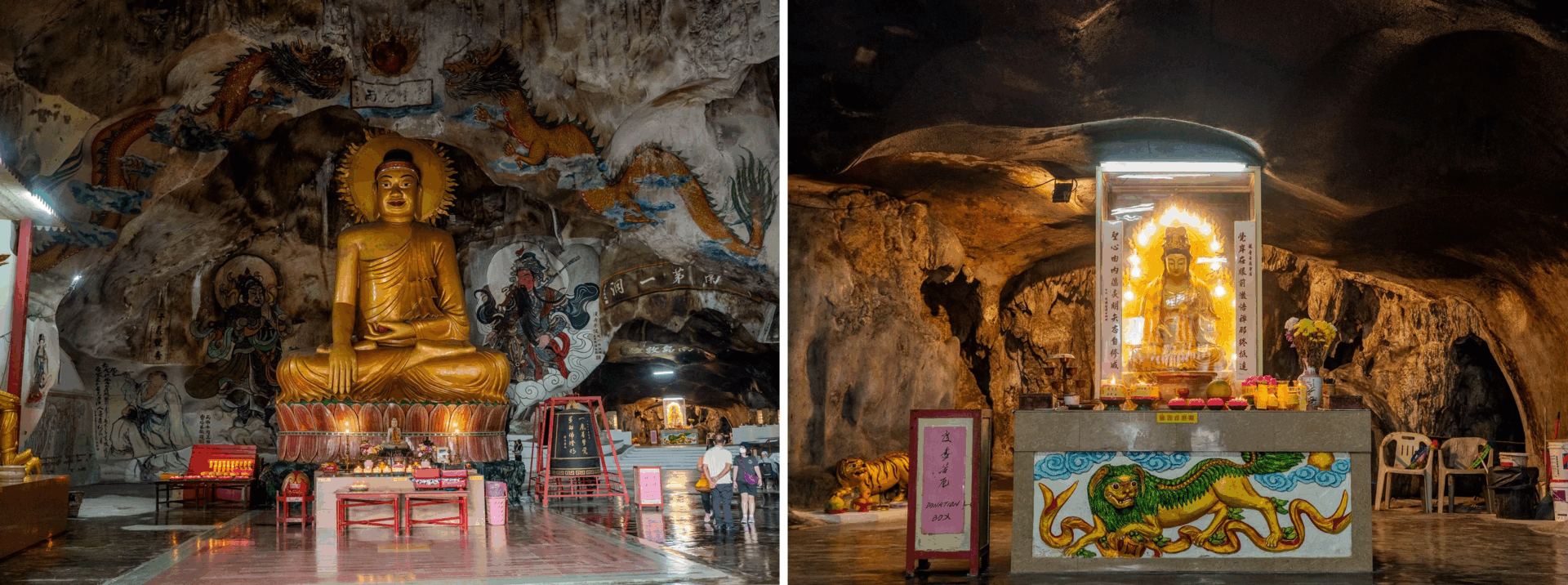
Behind the main altar, visitors can climb hundreds of steps that lead through different sections of the cave, revealing hidden shrines, statues and peaceful viewing areas. Adventurous visitors can continue to the summit of the limestone hill, where panoramic views of Ipoh reward the climb. Elegant pavilions and gazebos throughout the temple grounds provide ideal spots to pause and appreciate the scenery.
Kek Look Tong Temple
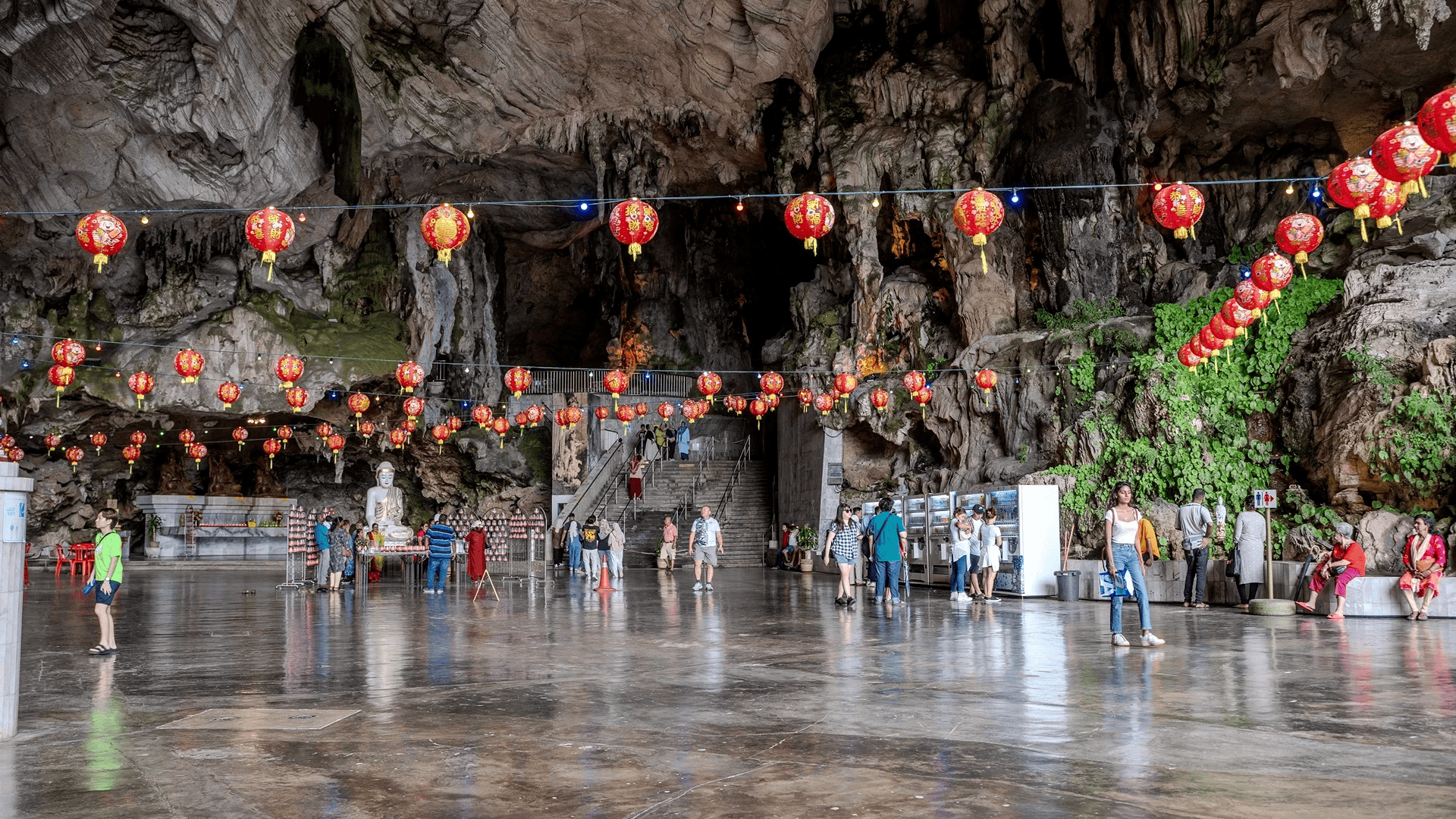
Meaning “Cave of Ultimate Bliss”, Kek Look Tong Temple is one of Ipoh’s most famous cave attractions. Situated within a vast limestone cave, the temple has served as a place of worship since the 1920s and remains an important spiritual site today.
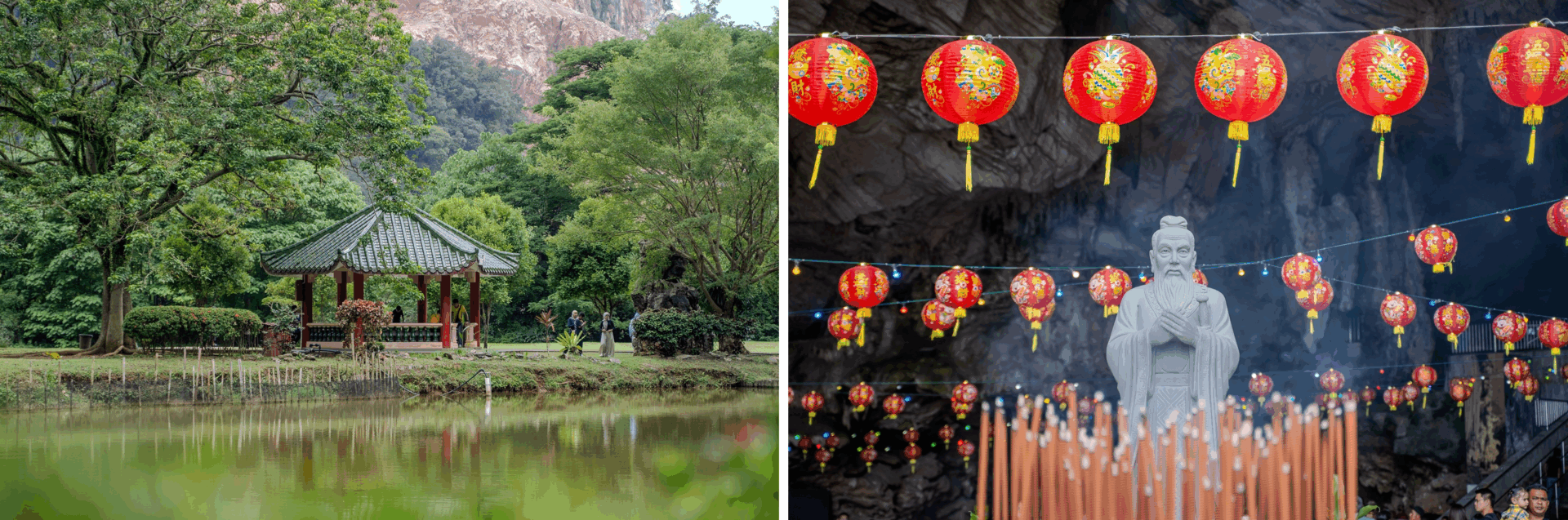
Inside, visitors will find numerous Buddha statues and Chinese deities set against the dramatic natural backdrop of the cave. A visit to the upper level and rear section of the cave reveals sweeping views of lush greenery and the surrounding limestone formations.
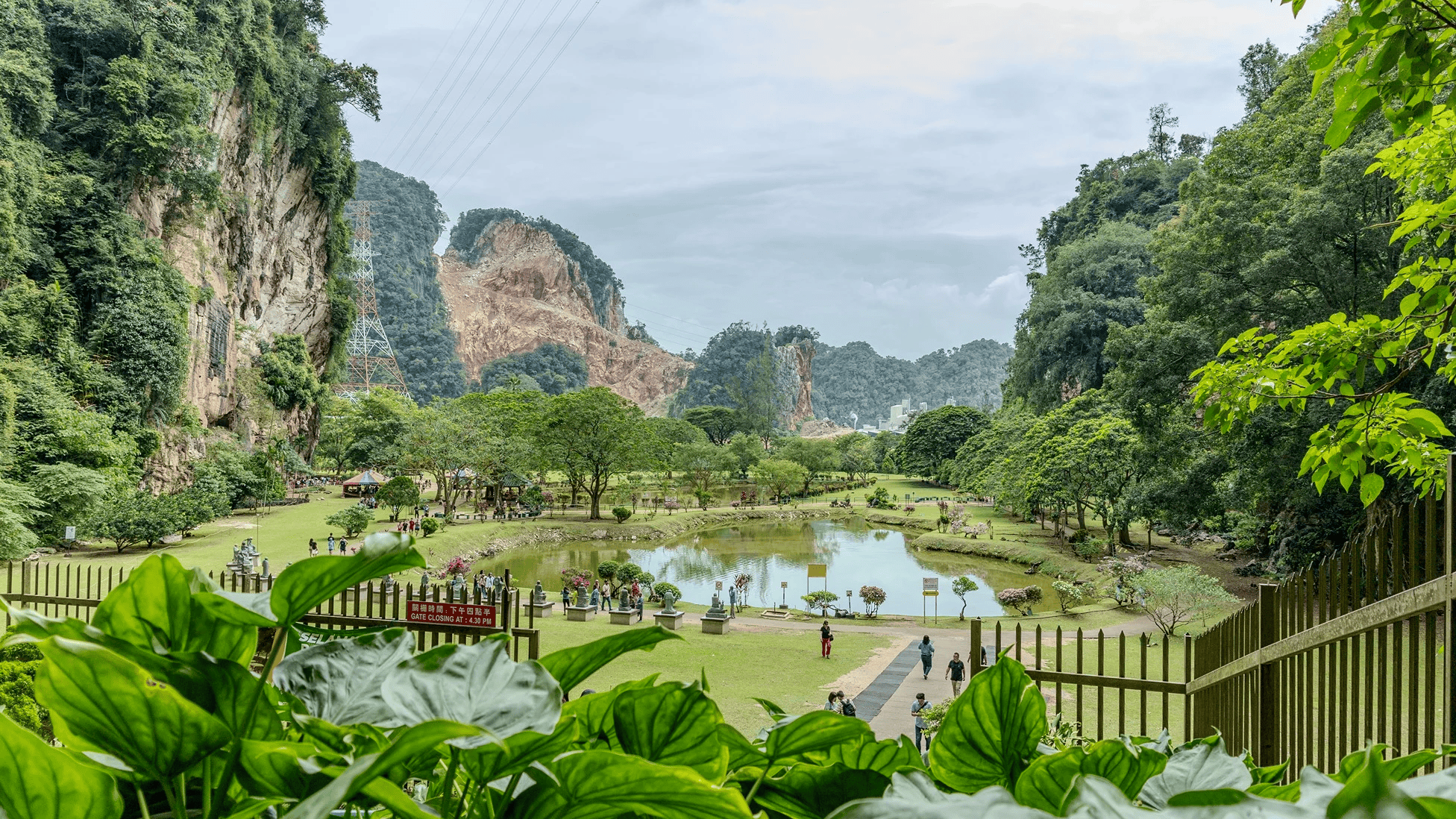
The temple is also renowned for its award-winning landscaped garden. Outdoor highlights include a long reflexology walkway, jogging paths that wind around serene lakes and picturesque gardens that encourage leisurely exploration. Visitors can also enjoy boat rides across the lakes while admiring the striking limestone scenery. Along the pathways, miniature Buddhist statues create a peaceful and contemplative atmosphere.
Ling Sen Tong Temple
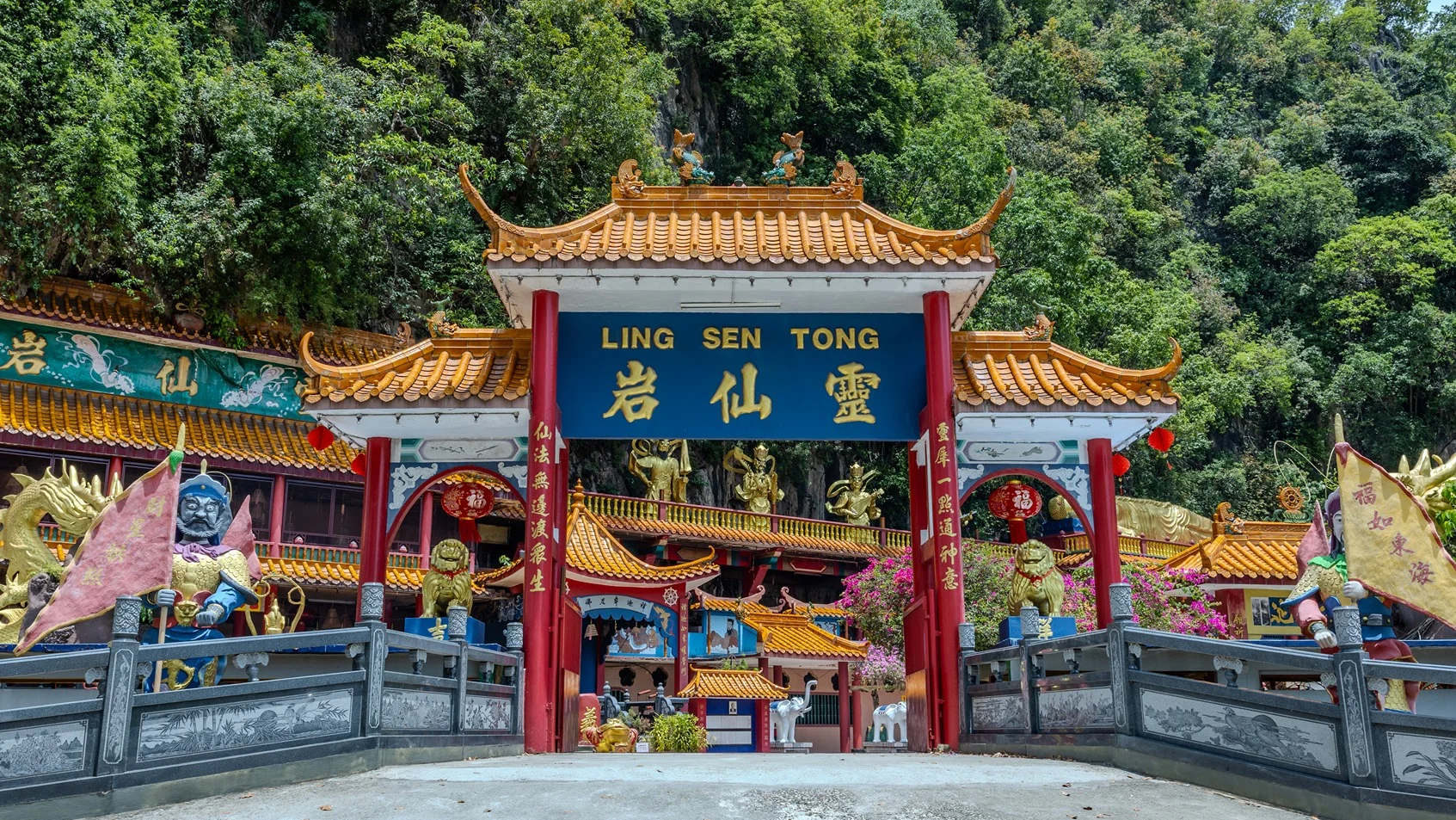
Located beside Sam Poh Tong Temple, Ling Sen Tong Temple offers visitors a fascinating introduction to Taoist beliefs and traditions. Its name is often interpreted as the “Rock of Heavenly Spirits”, reflecting the temple’s strong connection to Chinese mythology and folklore.
The temple grounds are filled with colourful statues depicting Taoist deities, legendary figures and symbolic animals. These vibrant displays create a striking contrast against the towering limestone cliffs that surround the temple.
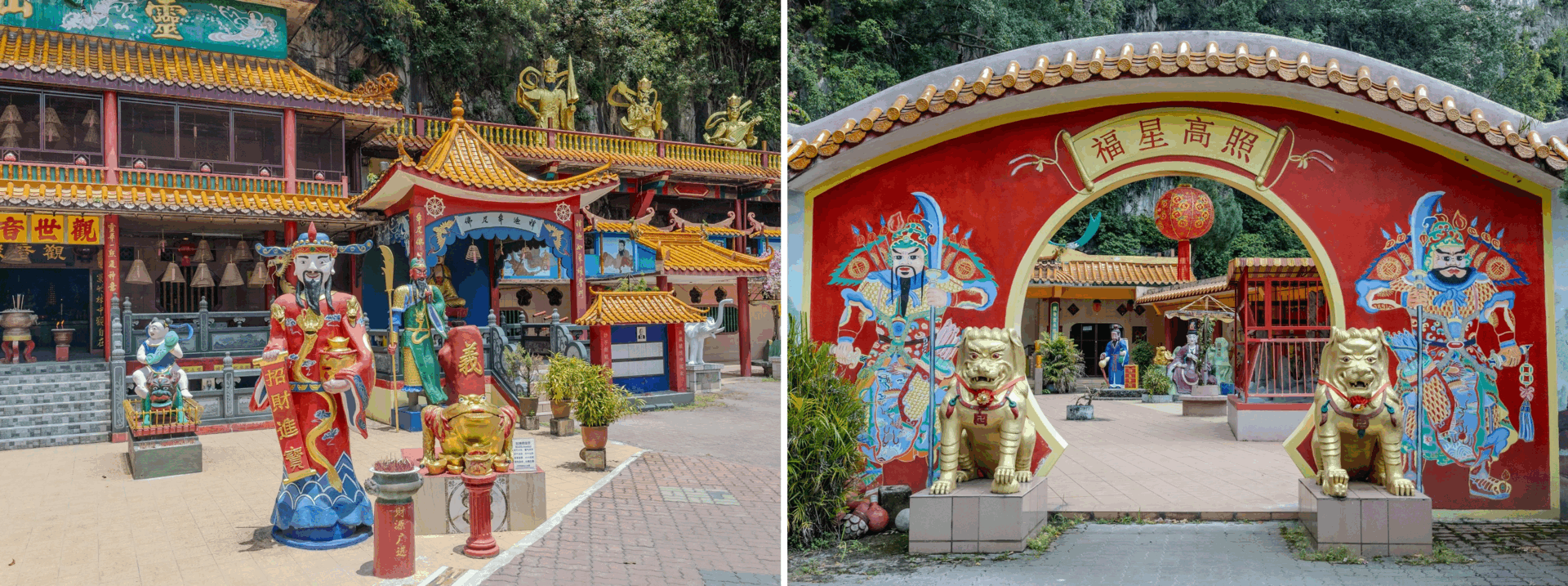
A beautifully maintained garden serves as the centrepiece of the complex, featuring bright flowers, ornamental plants and intricately designed sculptures inspired by Chinese mythology. The tranquil environment makes Ling Sen Tong a favourite destination for photography, relaxation and cultural discovery.
Wat Puthanimittam
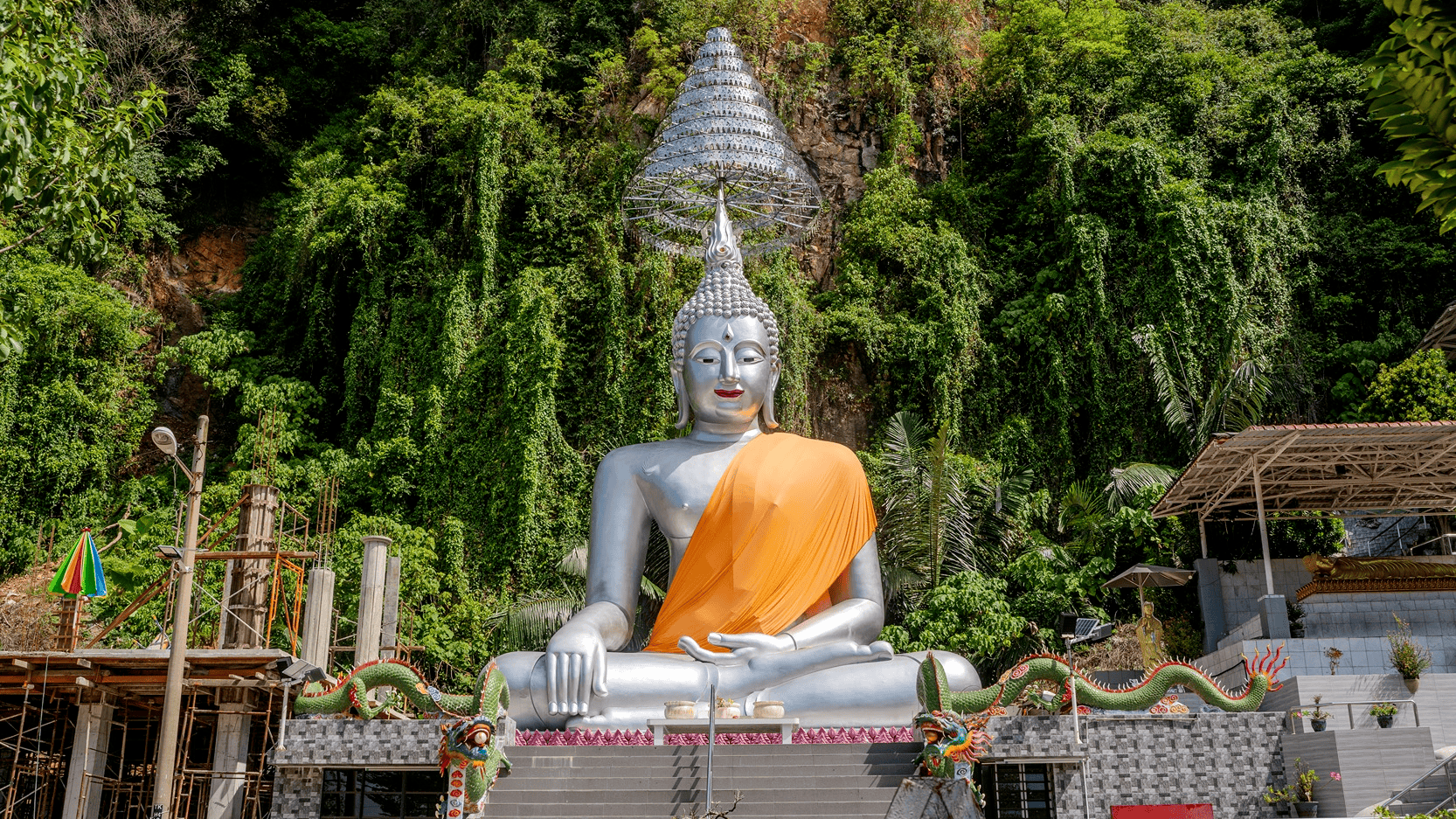
Completing the list is Wat Puthanimittam, an impressive Thai Buddhist temple that stands out for its distinctive architecture and monumental statues.
The temple is home to one of Malaysia’s tallest Buddha statues, depicting Shakyamuni Buddha seated gracefully in a lotus position. Rising more than 10 metres high, the statue serves as the focal point of the temple grounds and creates a striking visual landmark.

Another notable attraction is the temple’s reclining Buddha, often referred to as the “Sleeping Buddha”, which is positioned behind the main statue and covered in gleaming gold. Visitors can also explore a smaller temple near the entrance, where a collection of Thai-style Buddha statues showcases the artistic traditions of Thai Buddhism.
Situated within a peaceful residential neighbourhood, Wat Puthanimittam offers a serene atmosphere and provides a unique cultural experience that differs from Ipoh’s cave temples while remaining equally captivating.
Ipoh’s cave temples offer far more than places of worship. They represent a remarkable fusion of spirituality, natural beauty and cultural heritage, all set against the city’s iconic limestone hills. From ornate gardens and ancient caves to towering Buddha statues and scenic viewpoints, these temples provide unforgettable experiences for visitors seeking to discover a different side of Malaysia.
Source: Malaysia Tourism