Historic minarets continue to shape Jeddah’s skyline, reflecting the city’s architectural heritage, religious traditions and cultural identity
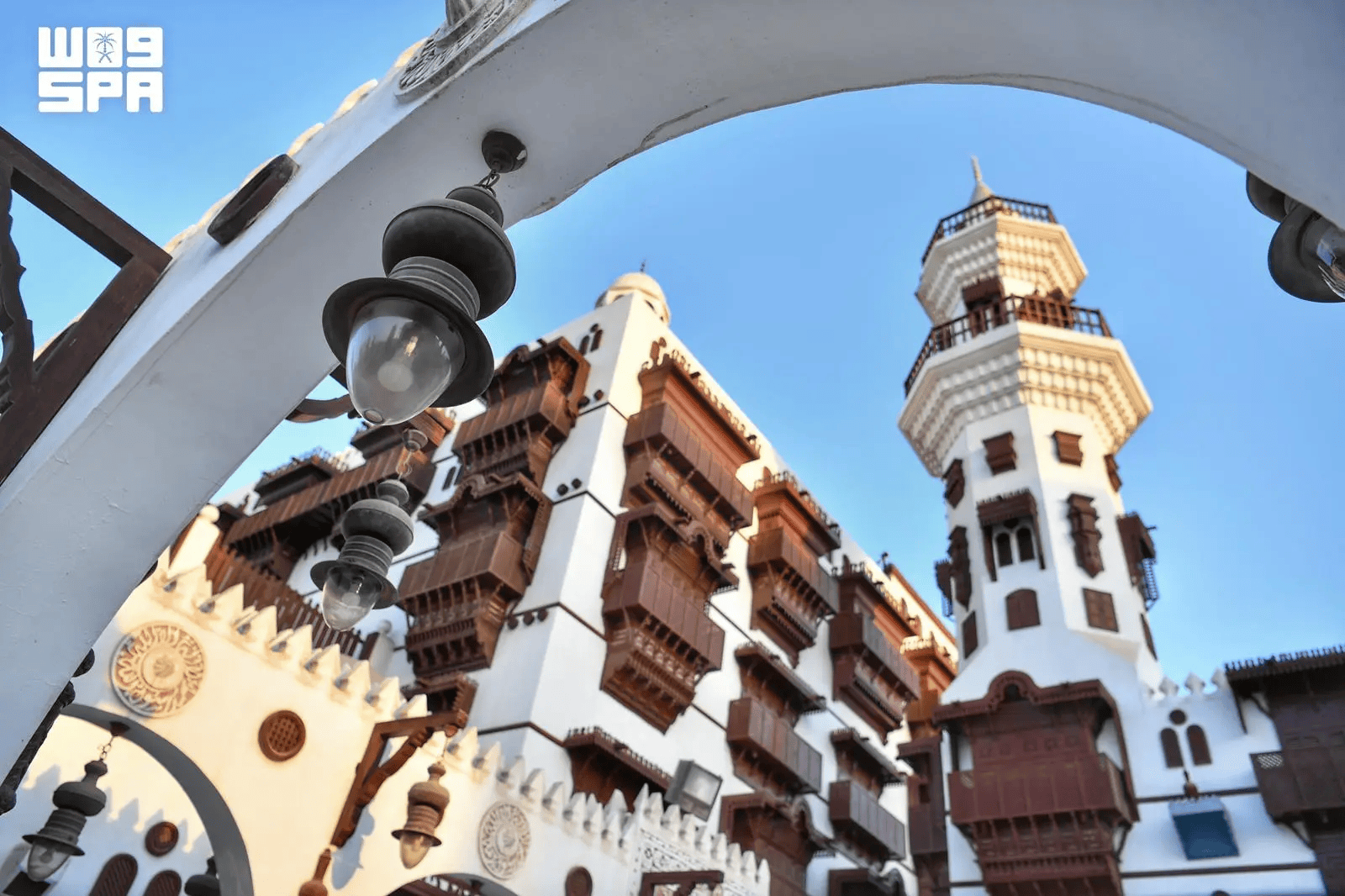
Jeddah’s minarets have long shaped the city’s skyline, serving both religious functions and as distinctive landmarks within its urban landscape. Their architectural forms, materials and decorative details reflect the evolution of Islamic architecture in the Hijaz and Jeddah’s development over the centuries.
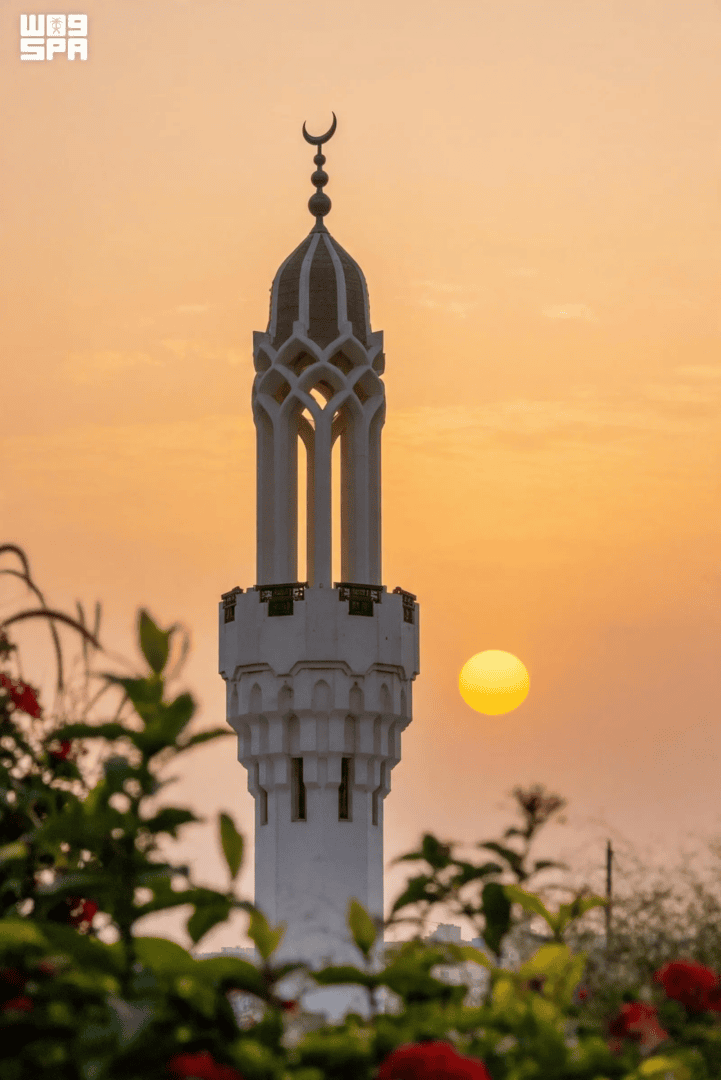
Historic Jeddah is home to several minarets that retain distinctive architectural features. Among them is the Al-Shafe’i Minaret, one of the city’s oldest surviving minarets, dating to the 7th century AH. Its rounded stone structure, wooden balcony details, dome and crescent reflect the architectural character of old Jeddah.
The city’s minarets display a variety of styles, from simple structures to those featuring geometric and decorative elements. Their diversity reflects different periods of construction and the influence of Jeddah’s historic connections to Red Sea trade, pilgrimage and Umrah.
Rising above traditional houses with wooden latticework windows, the minarets form a distinctive part of Historic Jeddah’s skyline. Today, historic and contemporary minarets continue to stand alongside the city’s expanding urban landscape, preserving their role as symbols of religious tradition, architectural heritage and cultural identity.
Source: Saudi Press Agency