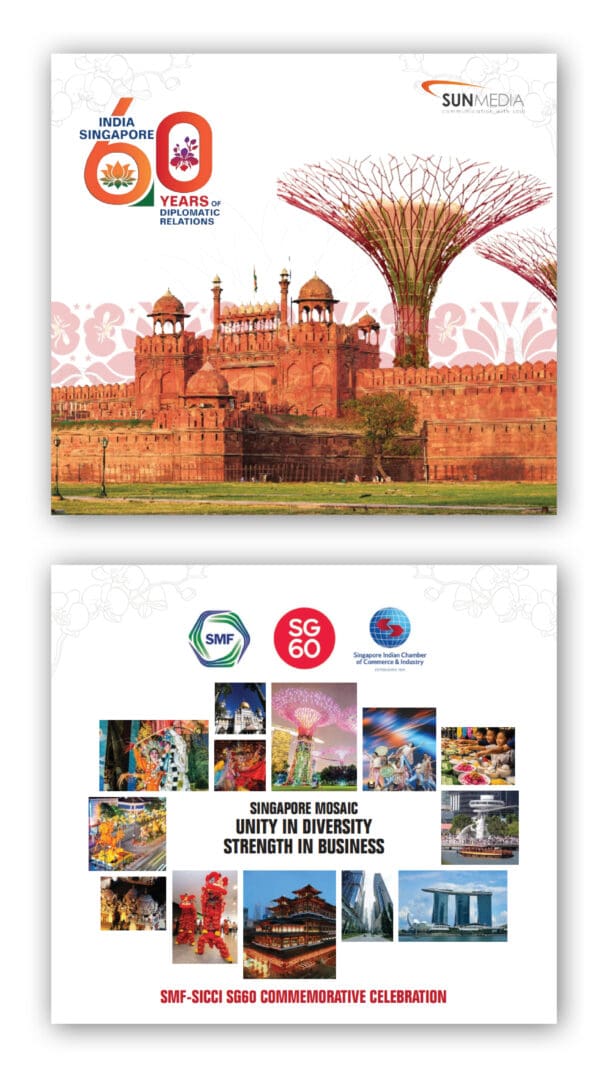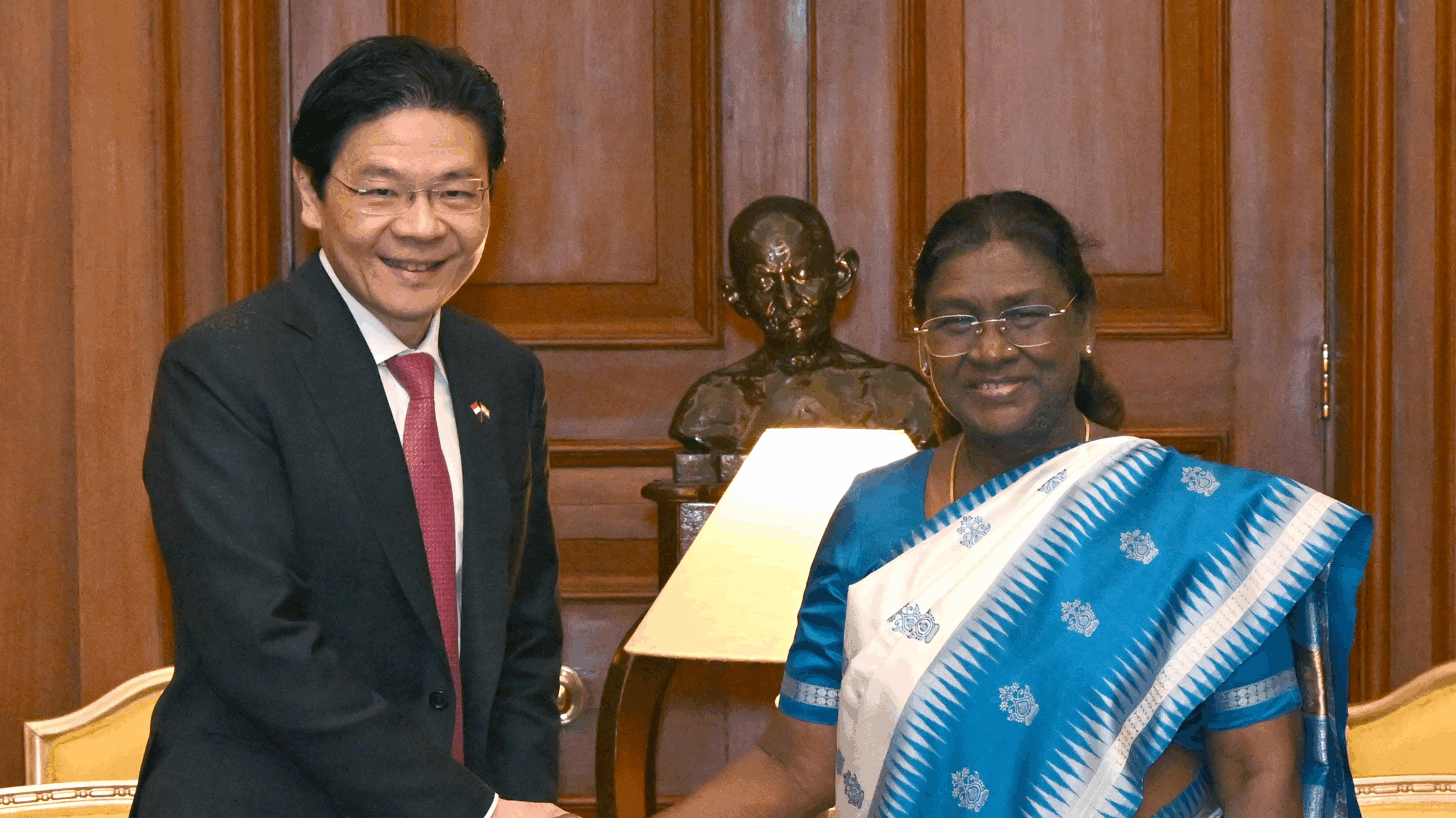
Prime Minister Lawrence Wong’s official visit to India in September 2025 marked a significant moment in Singapore–India relations. Celebrating 60 years of diplomatic ties, the visit reinforced shared values and launched a strategic roadmap for future cooperation. From semiconductors to cultural exchange, the trip reflected a deepening partnership built on trust, innovation, and mutual regional priorities.
Singapore and India mark a milestone in diplomacy as Prime Minister Lawrence Wong’s visit sets the tone for expanded cooperation.
“India–Singapore relations go far beyond diplomacy. Our partnership is rooted in shared values and guided by mutual interests and a common vision for peace and prosperity,” said Prime Minister Narendra Modi, welcoming Singapore’s Prime Minister Lawrence Wong to New Delhi in September 2025.
The visit, held from September 2 to 4, marked PM Wong’s first official trip to India as head of government and coincided with the 60th anniversary of diplomatic relations between the two countries. It combined strategic dialogue with commemorative significance, reaffirming bilateral trust and launching a forward-looking framework for cooperation.
At the heart of the visit was the unveiling of a Comprehensive Strategic Partnership (CSP) Roadmap. Jointly announced by both leaders, the roadmap outlines collaboration across eight key areas: economic cooperation, skills development, digitalisation, sustainability, connectivity, healthcare, cultural exchange, and defence.
“Today, we launched an ambitious roadmap for the SG–India Comprehensive Strategic Partnership,” PM Wong posted after the joint press conference. “It charts cooperation in advanced manufacturing, semiconductors, sustainability, and emerging areas such as digitalisation, AI and space.”
Five Memoranda of Understanding were signed during the visit, covering civil aviation, semiconductor supply chains, skills training, capital markets, and maritime connectivity. These agreements reflect a shared interest in expanding sectoral partnerships and building long-term institutional links.
One of the most significant outcomes was a joint initiative on semiconductors. Singapore and India agreed to establish a “green lane” for semiconductor goods, set up a training centre in Gujarat, and collaborate on research and development. Singapore also accepted India’s invitation to co-develop the National Centre of Excellence in Chennai, focused on advanced manufacturing.
“Semiconductors are crucial to the digital economy,” PM Wong said during bilateral talks. “A strong and rising India contributes to a more diversified and resilient supply chain.”
Digital and financial connectivity featured prominently. The two countries plan to expand the UPI–PayNow payment linkage and explore a cross-border data corridor between Gujarat’s GIFT City and Singapore. This will be piloted through a regulatory sandbox to support fintech innovation and digital asset flows.
Infrastructure investment was another focal point. PMs Wong and Modi virtually inaugurated Phase 2 of the PSA Mumbai container terminal, India’s largest single container terminal, developed with over USD 1 billion in Singaporean investment.
“We also virtually inaugurated PSA Mumbai — Bharat Mumbai Container Terminal,” PM Wong posted. “These initiatives will unlock fresh opportunities for our businesses and peoples.”
An MoU on civil aviation will support training and research in the sector, with the aim of boosting trade, tourism, and regional connectivity.
Beyond the strategic agreements, the visit included high-level meetings and cultural engagements. PM Wong paid tribute at Raj Ghat, the memorial to Mahatma Gandhi, and met with President Droupadi Murmu, External Affairs Minister S. Jaishankar, Finance Minister Nirmala Sitharaman, Health Minister JP Nadda, and other senior officials.
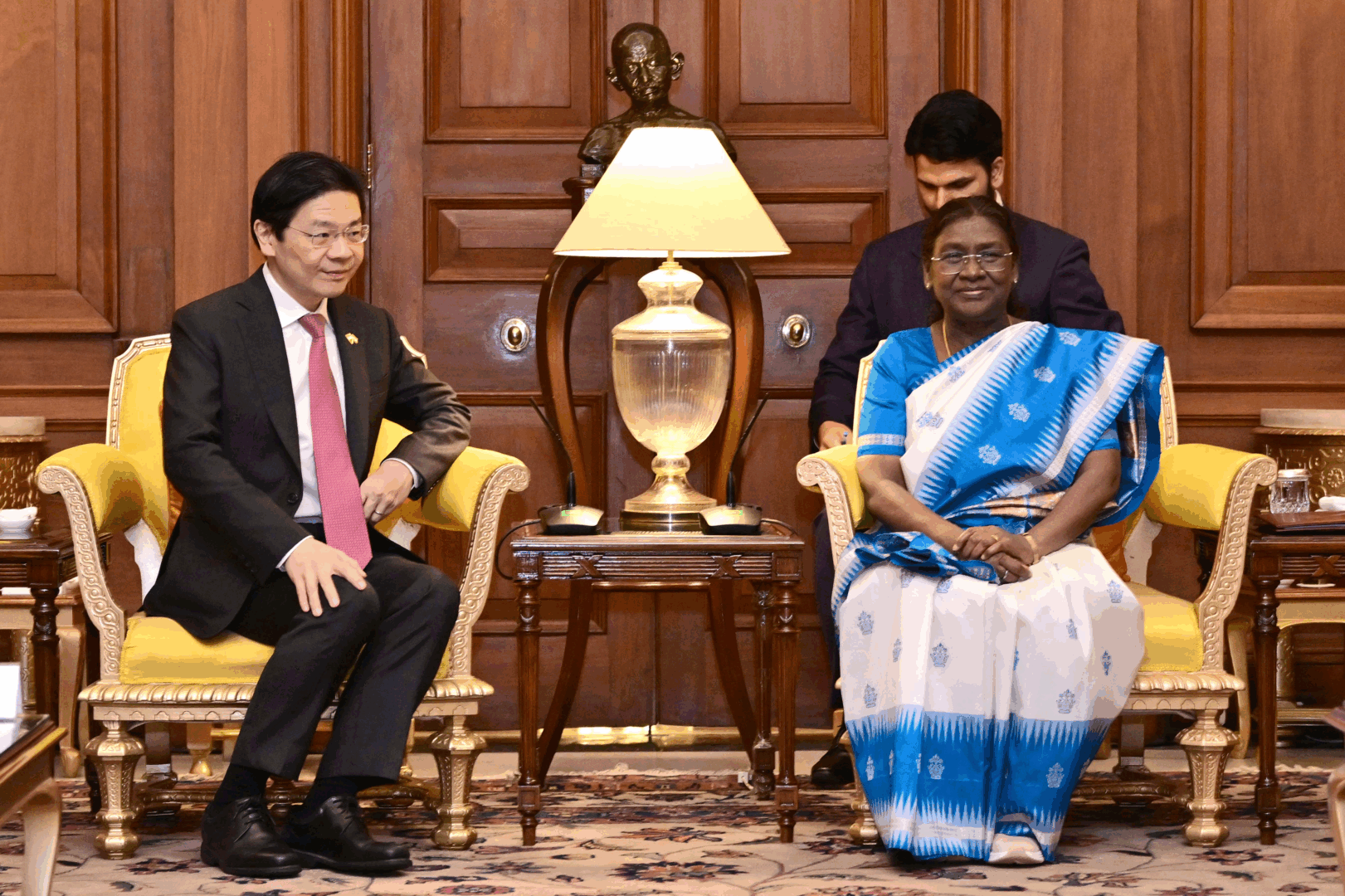
“Called on President @rashtrapatibhvn and I thanked her for her support for strong Singapore–India ties,” PM Wong shared online. “We reaffirmed our shared commitment to deepen cooperation across a wide range of areas.”
A special SG60 reception was held in New Delhi, bringing together overseas Singaporeans and Indian friends of Singapore. PM Wong described the event as a meaningful opportunity to celebrate the people-to-people connections that underpin the relationship.
“It was heartening to meet overseas Singaporeans in New Delhi at the SG60 reception,” he posted. “Their stories reflect the warmth and depth of our people-to-people ties.”
The visit also addressed regional and global concerns. Both leaders reiterated their commitment to counterterrorism and regional stability. “We share common concerns regarding terrorism,” PM Modi said. “Fighting against terrorism with unity is the duty of all countries which believe in humanity.”
With bilateral trade exceeding USD 52 billion and Singapore remaining India’s top foreign investor—accounting for nearly 24% of total FDI inflows—the relationship continues to grow in scale and complexity. Singapore’s contributions to India’s infrastructure, manufacturing, and digital sectors reflect a long-term commitment to economic cooperation.
“Singapore companies are keen to develop sustainable industrial parks in India to support India’s manufacturing ambitions,” PM Wong said. “At the same time, we will deepen collaboration in semiconductors—not just in skills training, but also in R&D, supply chains and logistics.”
The visit concluded with a reaffirmation of shared values and strategic intent. PM Wong’s final reflections captured the tone of the trip: “Ten years ago, I joined then-President Tony Tan on his State Visit to commemorate the 50th anniversary of diplomatic ties. Today, I am glad to be back to celebrate 60 years of close and enduring friendship.”
As the opening chapter of this commemorative volume, PM Wong’s visit to India stands as a clear signal of continuity and renewal. It reflects a relationship built on trust, shaped by shared priorities, and committed to practical outcomes in an evolving global landscape.
Source: PMO