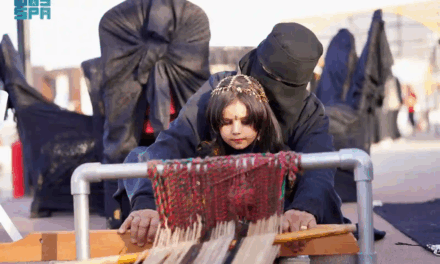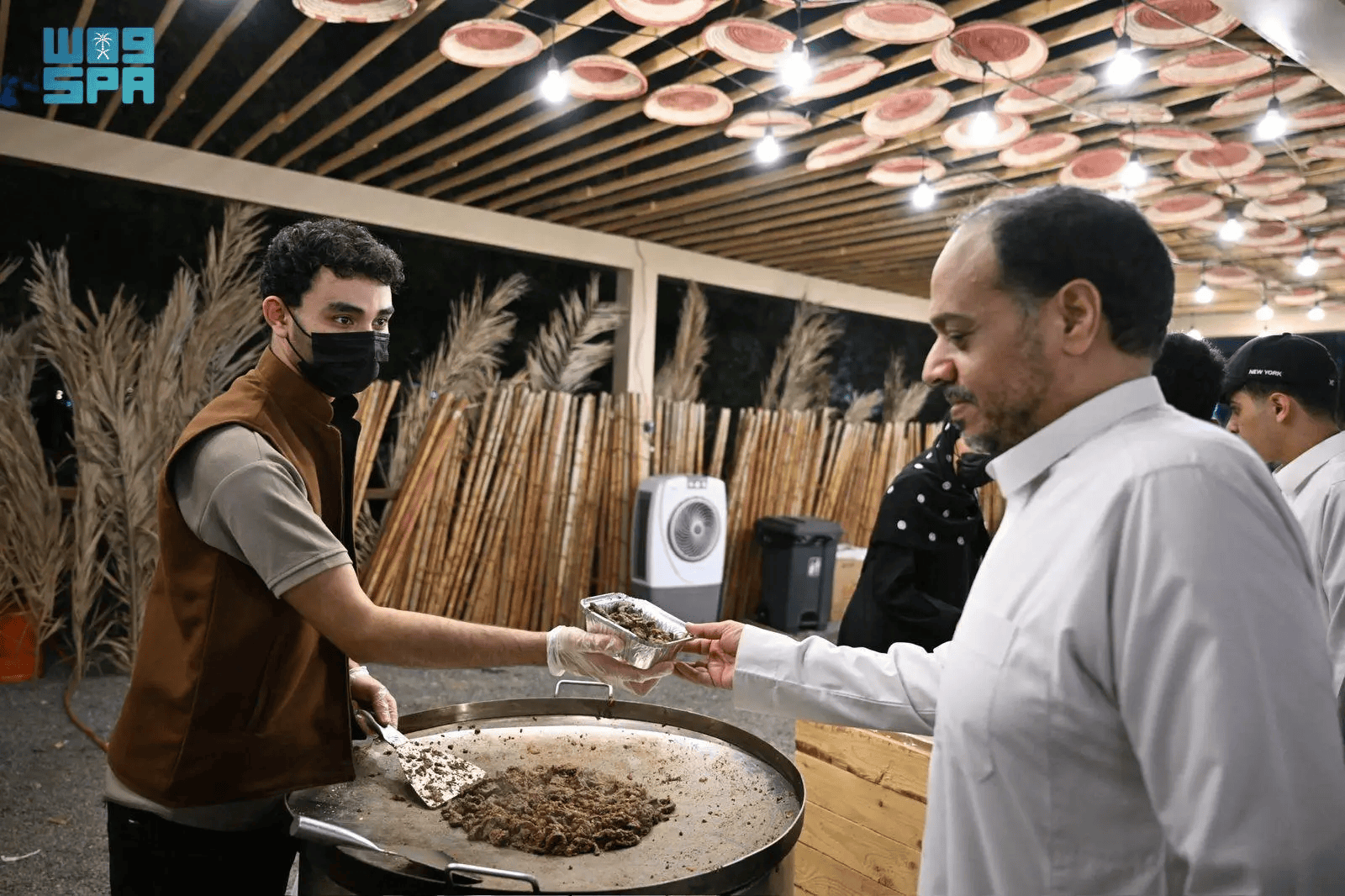
Seasonal Ramadan street stalls reflect community traditions and support family-based livelihoods across Makkah neighbourhoods.
Ramadan street stalls appeared across neighbourhoods in Makkah during the holy month, forming a regular feature of daily life as residents prepared for iftar. The seasonal stalls reflected long-standing culinary and social traditions, while supporting community-based economic activity during Ramadan.
The stalls were set up in residential areas ahead of the Maghrib call to prayer and attracted local residents as part of their routine evening preparations. Operating as a community-level seasonal practice rather than a formal event, the stalls formed part of the broader social landscape accompanying Ramadan in the city.
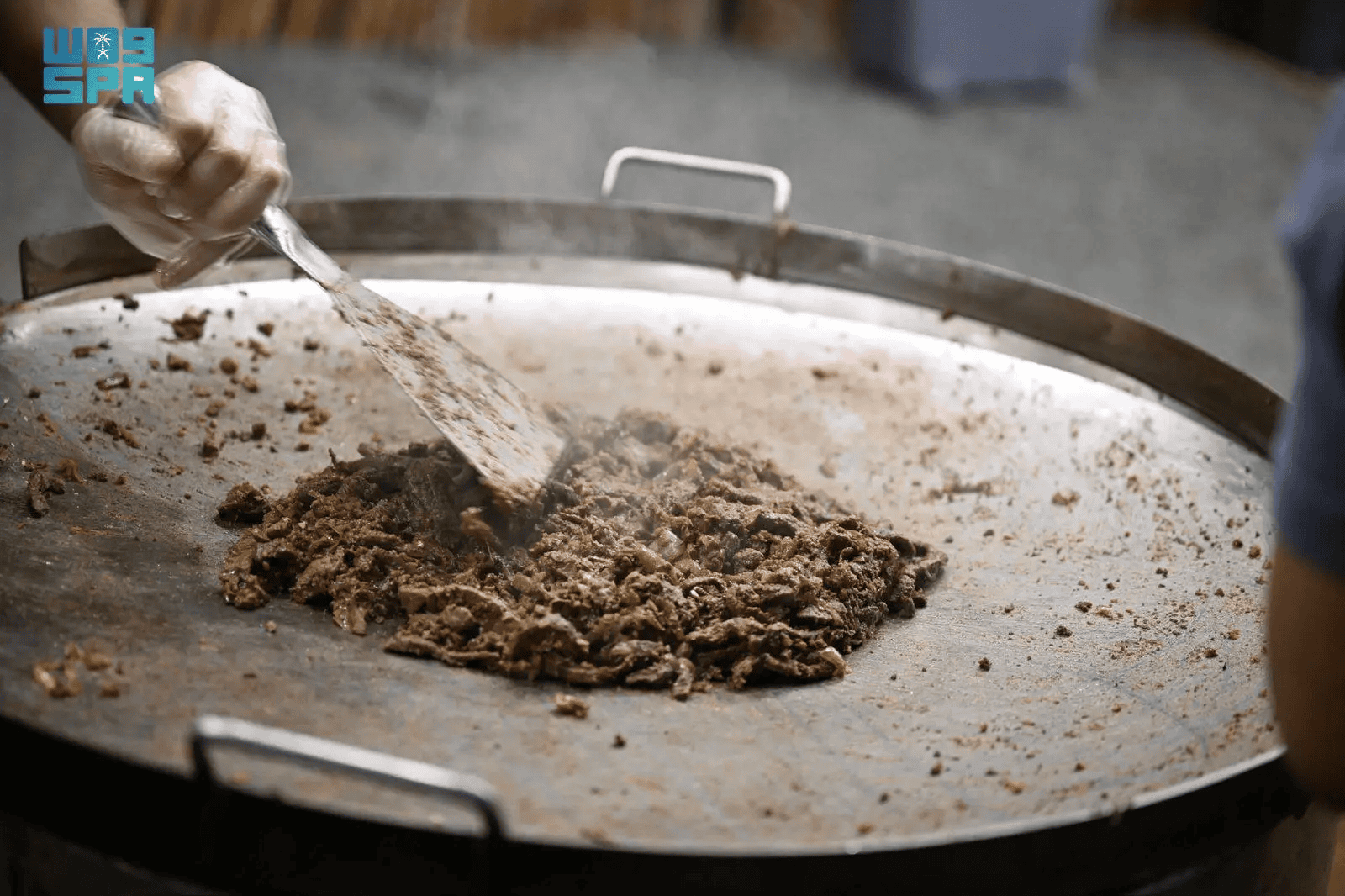
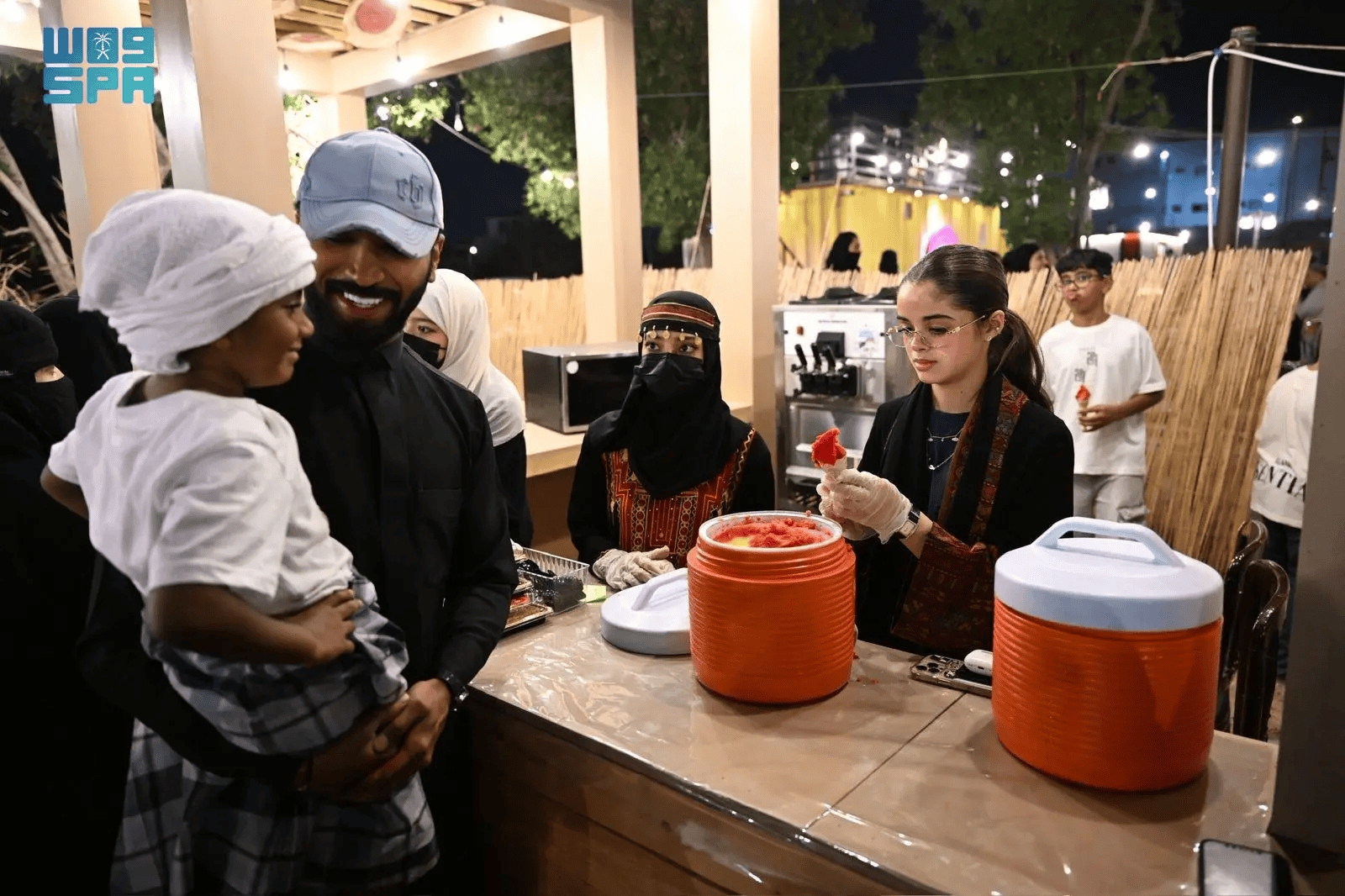
Across neighbourhoods, vendors offered a variety of Ramadan foods and beverages commonly associated with iftar. The arrangements reflected simplicity in presentation and continuity in practice, drawing on inherited customs preserved across generations. The presence of the stalls contributed to a shared Ramadan atmosphere, where daily activity aligned with the spiritual rhythm of the holy month.
Residents regularly visited the stalls in the early evening, with these temporary sites becoming active gathering points prior to sunset. The interaction between vendors and visitors reflected the social dimension of Ramadan, where food preparation and communal engagement formed an integral part of neighbourhood life.
The Ramadan stalls also served as a seasonal platform for home-based families to market homemade products. This activity supported household income generation during the holy month and highlighted the role of small-scale family enterprise within Makkah society, in line with values of cooperation, tradition, and mutual support.
As Ramadan continued, the presence of neighbourhood street stalls was expected to remain a consistent feature throughout the month, sustaining cultural practices while contributing to local livelihoods and community engagement during one of the most significant periods in the Islamic calendar.
Source: Saudi Press Agency