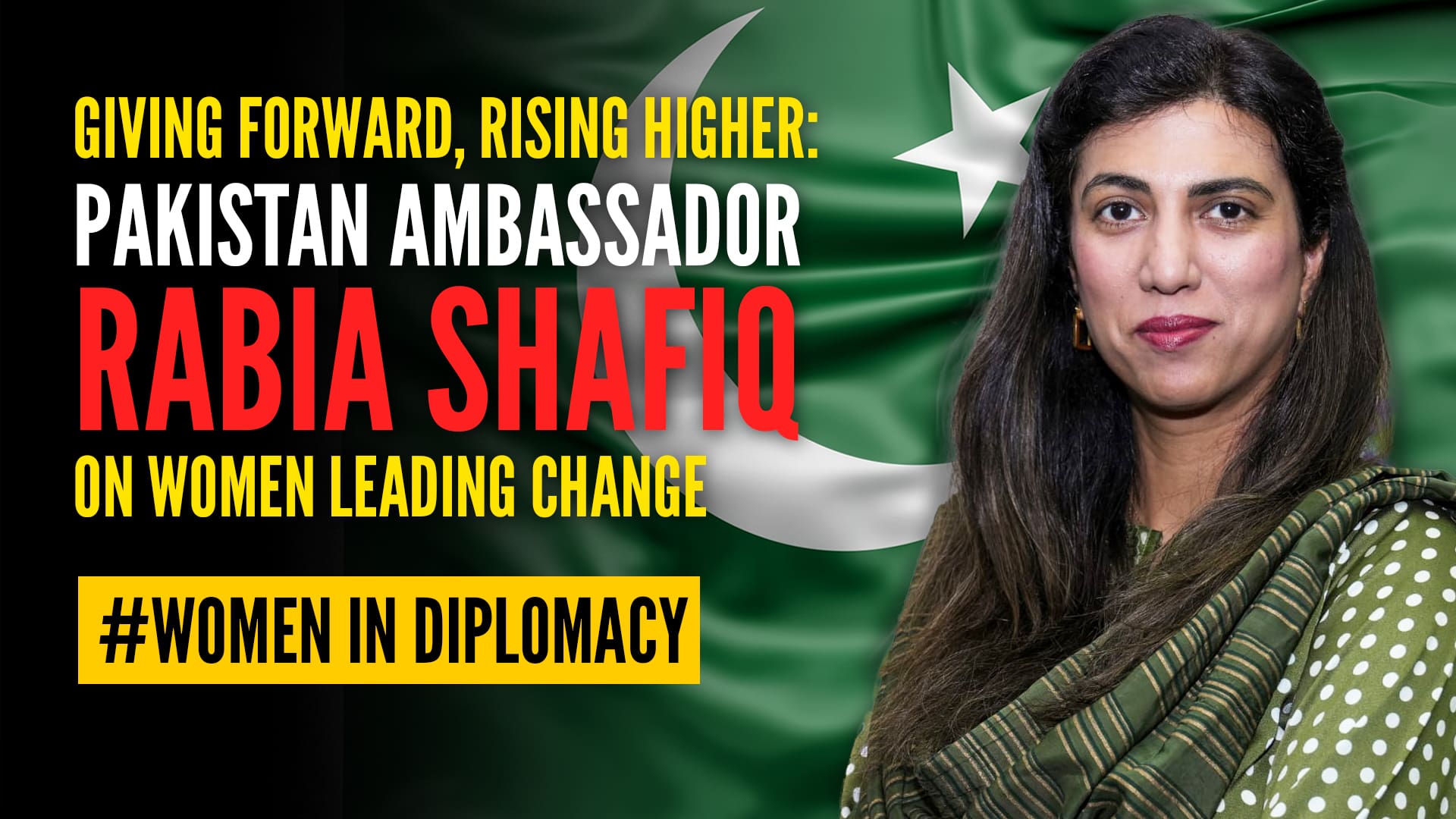
In a conversation with IN Diplomacy, Pakistan’s Ambassador to Singapore, H.E. Rabia Shafiq, reflects on the power of mentorship, the rising role of Pakistani women in diplomacy and public life, and the potential for Pakistan–Singapore cooperation to advance women’s empowerment
A distinguished diplomat representing Pakistan on the international stage, H.E. Rabia Shafiq has built a career dedicated to strengthening international partnerships and promoting dialogue between nations. As Pakistan’s Ambassador to the Republic of Singapore, she plays a key role in advancing bilateral cooperation while representing her country’s diplomatic priorities in a rapidly evolving global landscape. Her professional journey reflects the growing presence of women in diplomacy and the expanding role they play in shaping international relations.
In a conversation with IN Diplomacy, Ambassador Shafiq reflected on the significance of the International Women’s Day 2026 theme, “Give to Gain.” The discussion explored the importance of mentorship, the evolving role of women in diplomacy, and the ways in which Pakistan’s cultural values of resilience and community support continue to empower women in leadership. For Ambassador Shafiq, the theme captures a principle that has guided her professional journey.

“The theme ‘Give to Gain’ reflects an important truth I have experienced throughout my career,” she noted. “When we give through mentorship, compassion, service, or knowledge, we strengthen others and grow ourselves.” She emphasised that diplomacy itself embodies this philosophy, requiring patience, understanding, and a willingness to build bridges between nations and cultures. In her view, when women are given equal opportunities to contribute, their impact extends far beyond individual success. “When women thrive, societies prosper,” she added, describing the theme as a powerful reflection of the multiplier effect created by women’s leadership.

Ambassador Shafiq’s own path into diplomacy was shaped by strong encouragement from her family and mentors who believed in her potential. Their support played an important role in shaping her professional aspirations and instilled in her a commitment to encourage the next generation of women leaders. Today, she views mentorship as an essential responsibility, particularly in guiding younger officers entering Pakistan’s diplomatic service. By sharing knowledge and experience, she believes senior diplomats can help cultivate a new generation of capable leaders.
Pakistan’s history offers numerous examples of women breaking barriers and contributing to national progress. Ambassador Shafiq highlighted the legacy of Benazir Bhutto, whose leadership inspired women across the country and beyond. In contemporary Pakistan, women continue to excel in a wide range of fields, including politics, diplomacy, science, sports, and business. Within Pakistan’s Foreign Service, women now constitute more than 35% of officers, with several serving as ambassadors around the world. Prominent figures such as Hina Rabbani Khar, Tehmina Janjua, and Amna Baloch have held senior leadership roles within the Ministry of Foreign Affairs, demonstrating the growing influence of women in shaping the country’s diplomatic engagement.
Reflecting on Pakistan’s cultural values, Ambassador Shafiq emphasised that family and community support remain central pillars of societal progress. Increasingly, families are investing in the education and professional development of their daughters, recognising that empowering women contributes to broader national development. Government initiatives have also sought to strengthen women’s participation in education and the workforce, while advancing legal protections and policies that promote gender equality.
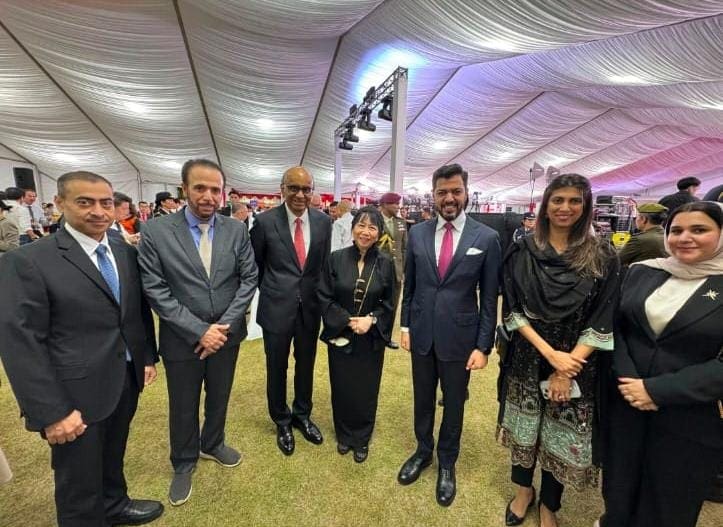
During her diplomatic tenure in Singapore, Ambassador Shafiq has also observed the strong presence of women within the international diplomatic community. She noted that Singapore provides a dynamic environment where female diplomats can engage in meaningful dialogue and collaboration. She recalled participating in a panel discussion on women in diplomacy organised by the Foreign Correspondents Association alongside other female ambassadors, where participants shared experiences and explored the challenges and opportunities women face in international affairs. Such platforms, she said, play an important role in encouraging greater representation and visibility for women leaders.

Looking ahead, Ambassador Shafiq believes there is significant potential for cooperation between Pakistan and Singapore in advancing women’s empowerment. Areas such as education, entrepreneurship, digital innovation, and professional training offer promising avenues for collaboration. She suggested that scholarship programmes, leadership exchanges, and initiatives for young women professionals could create meaningful opportunities and strengthen people-to-people ties between the two countries.
For young Pakistani women aspiring to careers in diplomacy or international leadership, Ambassador Shafiq offered a message grounded in confidence and perseverance. “Believe in your abilities, work hard, and continue learning,” she advised. Representing one’s country on the global stage, she noted, is both an honour and a responsibility that requires dedication, adaptability, and a broad global perspective. Institutions such as Quaid-i-Azam University and international academic exposure can provide valuable preparation for such careers.
As the world commemorates International Women’s Day, Ambassador Shafiq’s reflections highlight the enduring importance of mentorship, cooperation, and shared progress. In her view, the spirit of “Give to Gain” serves not only as a theme but also as a guiding principle for leadership and diplomacy. By supporting one another and investing in future generations, women can continue to shape a more inclusive and collaborative international community.