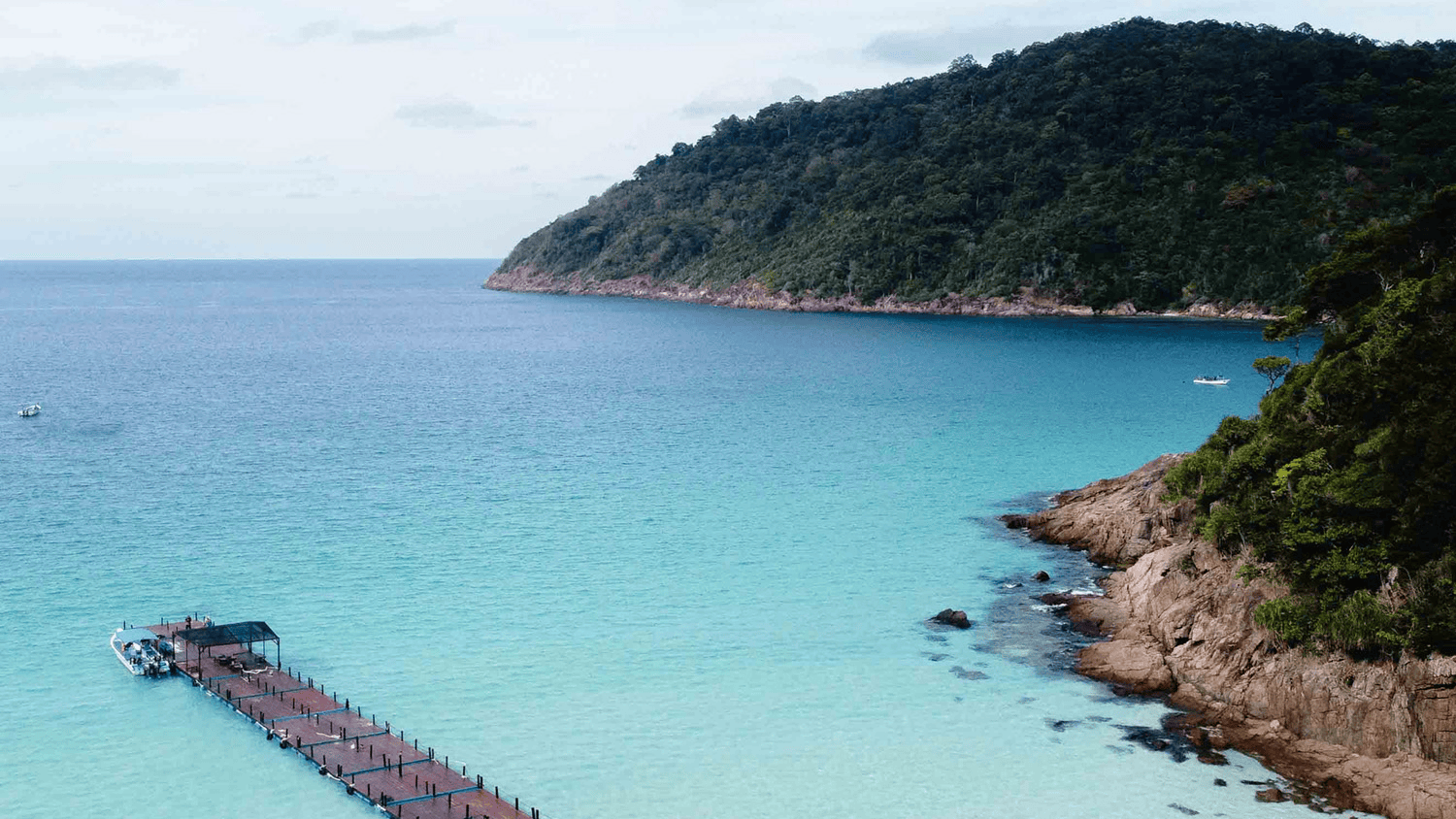
From world-class marine parks to cultural quarters and protected wetlands, Terengganu offers Singaporean and regional travellers a diverse coastal escape shaped by conservation, heritage and accessibility

Positioned along the east coast of Peninsular Malaysia, Terengganu presents a destination defined by its islands, cultural enclaves and protected natural landscapes. The state’s tourism offering centres on a balance between marine biodiversity, heritage preservation and eco-tourism initiatives, with key destinations highlighted on the official Beautiful Terengganu platform including Pulau Redang, Chinatown, the Floating Mosque, Pulau Perhentian and Setiu Wetlands.
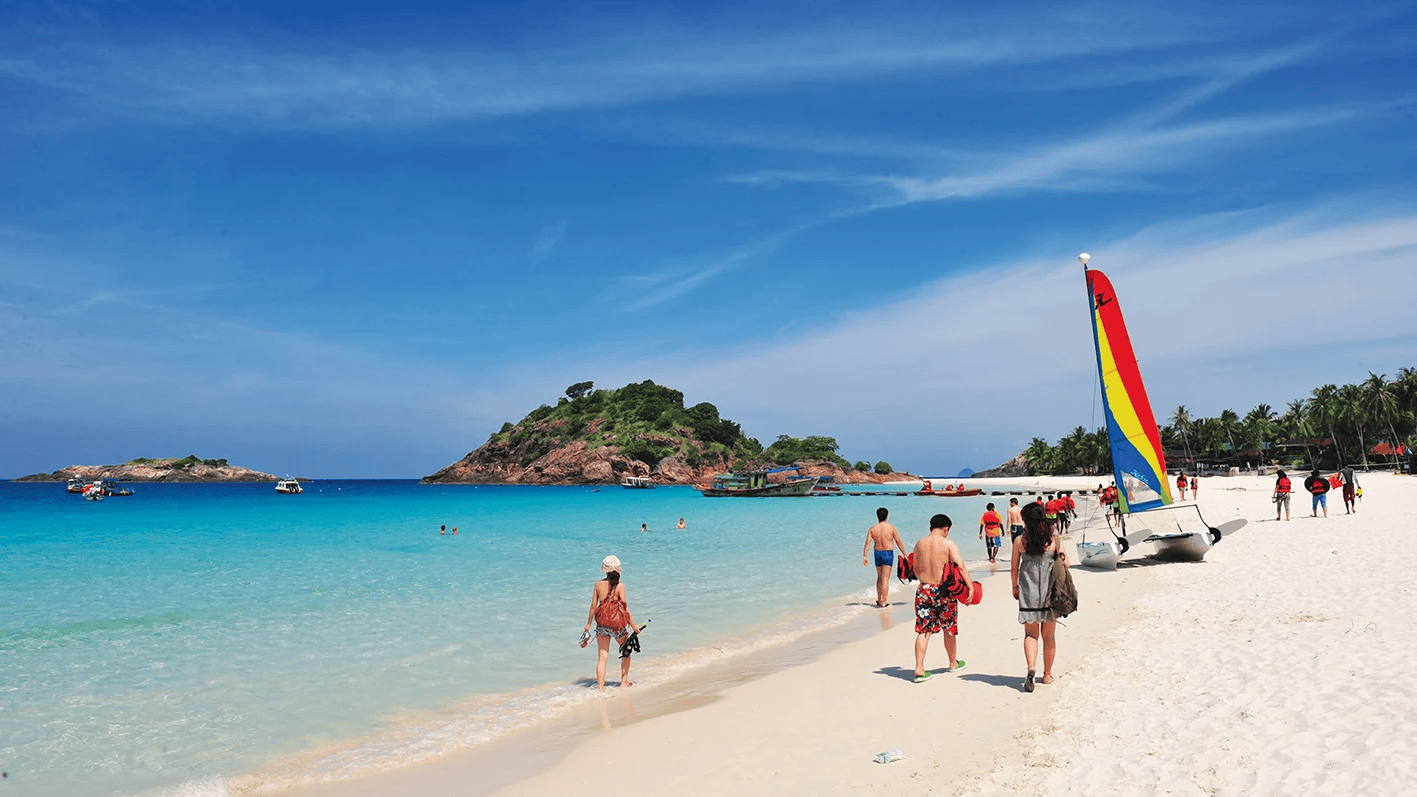
Among Terengganu’s most recognised attractions, Pulau Redang is widely regarded as one of Malaysia’s most beautiful islands, located approximately 45km offshore. It is part of a protected marine park with extensive coral reefs, diverse marine life and more than 30 dive sites, making it a premier destination for snorkelling and diving.

Nearby, Pulau Perhentian comprises two main islands known for clear waters, rainforest backdrops and strong visibility for underwater activities. The islands are internationally recognised for scuba diving and relaxed beach stays, attracting both regional and international travellers.
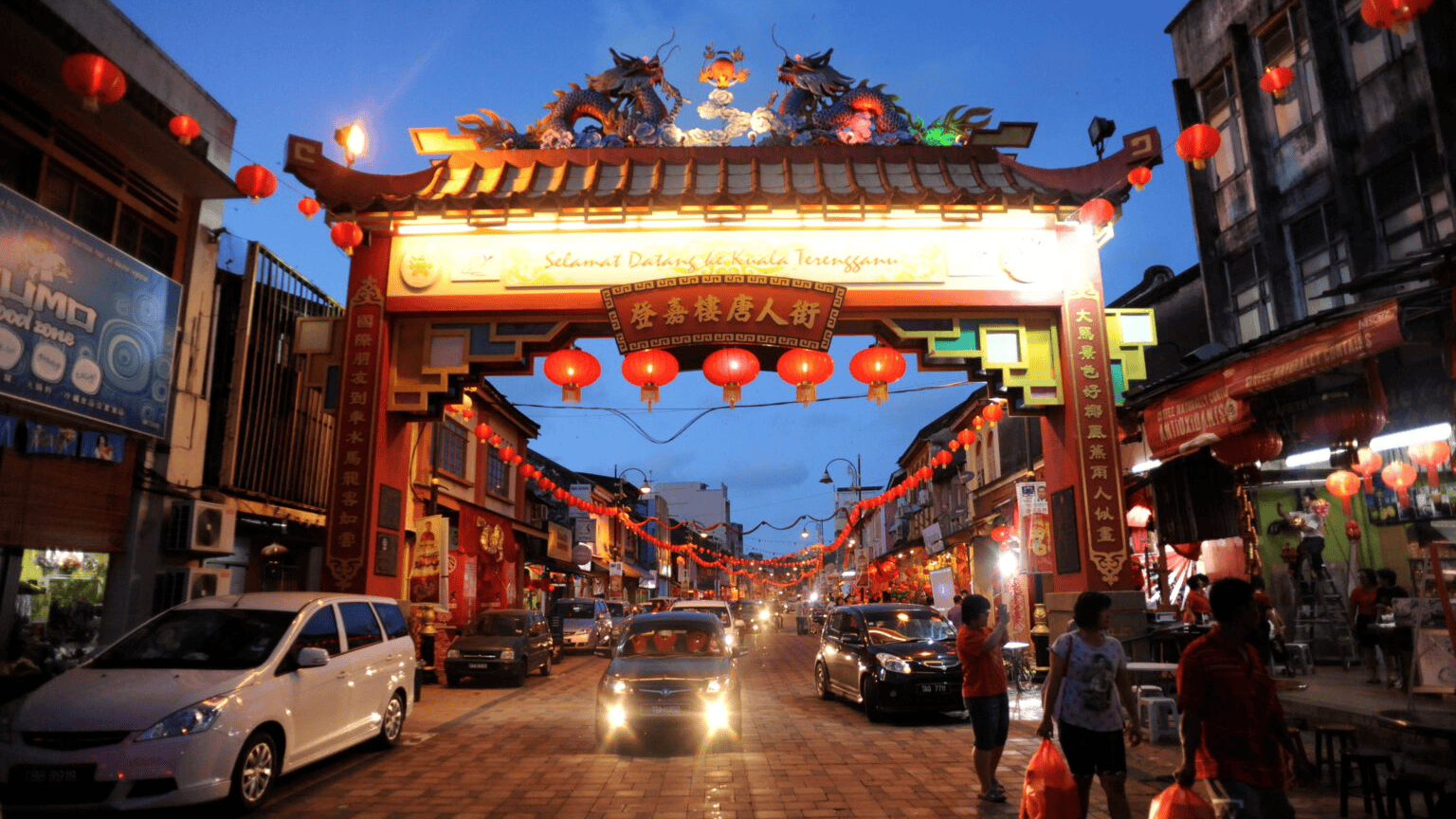
In Kuala Terengganu, the historic Chinatown reflects the state’s multicultural trading past, with preserved shop houses and traditional businesses forming part of the city’s cultural landscape. Equally iconic is the Floating Mosque, known for its architectural design built over water. During high tide, the structure appears to float, creating a distinctive visual landmark that combines Islamic architecture with coastal surroundings.

Further north, Setiu Wetlands represents one of Malaysia’s most significant eco-tourism sites. Spanning approximately 23,000 hectares, it is the largest natural wetland system on the east coast and incorporates multiple ecosystems, including mangroves, lagoons and peat swamps.
The wetlands support biodiversity conservation and community-based activities such as birdwatching, boat tours and traditional craft production. Recognised as a state park, it plays a central role in Terengganu’s shift towards sustainable tourism and environmental protection.
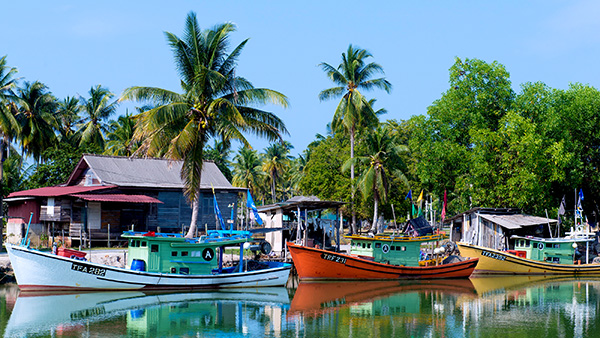
Terengganu’s tourism strategy highlights a combination of island tourism, cultural immersion and eco-tourism. Activities promoted include diving, self-drive exploration, photography and seasonal experiences such as squid jigging, alongside local culinary traditions like nasi dagang and keropok lekor.
The inclusion of protected areas such as Setiu Wetlands and marine parks reflects a broader transformation towards sustainable tourism, while urban attractions in Kuala Terengganu enhance accessibility and cultural engagement.
Getting There:
- Direct flights are available from Singapore to Kuala Terengganu via regional carriers (subject to schedule), or via connections through Kuala Lumpur.
- From Kuala Terengganu Airport, islands such as Pulau Redang are accessed via jetty transfers (e.g. Merang Jetty).
Visa Requirements:
- Malaysian visa policy allows visa-free entry for Singapore citizens for short stays (typically up to 30 days), subject to immigration requirements.
- Travellers from ASEAN countries generally benefit from visa-free arrangements; others should check official Malaysian immigration guidelines.
Best Time to Visit:
- Island seasons typically run from March to October, with monsoon conditions affecting accessibility towards year-end.

Source: Tourism Terengganu