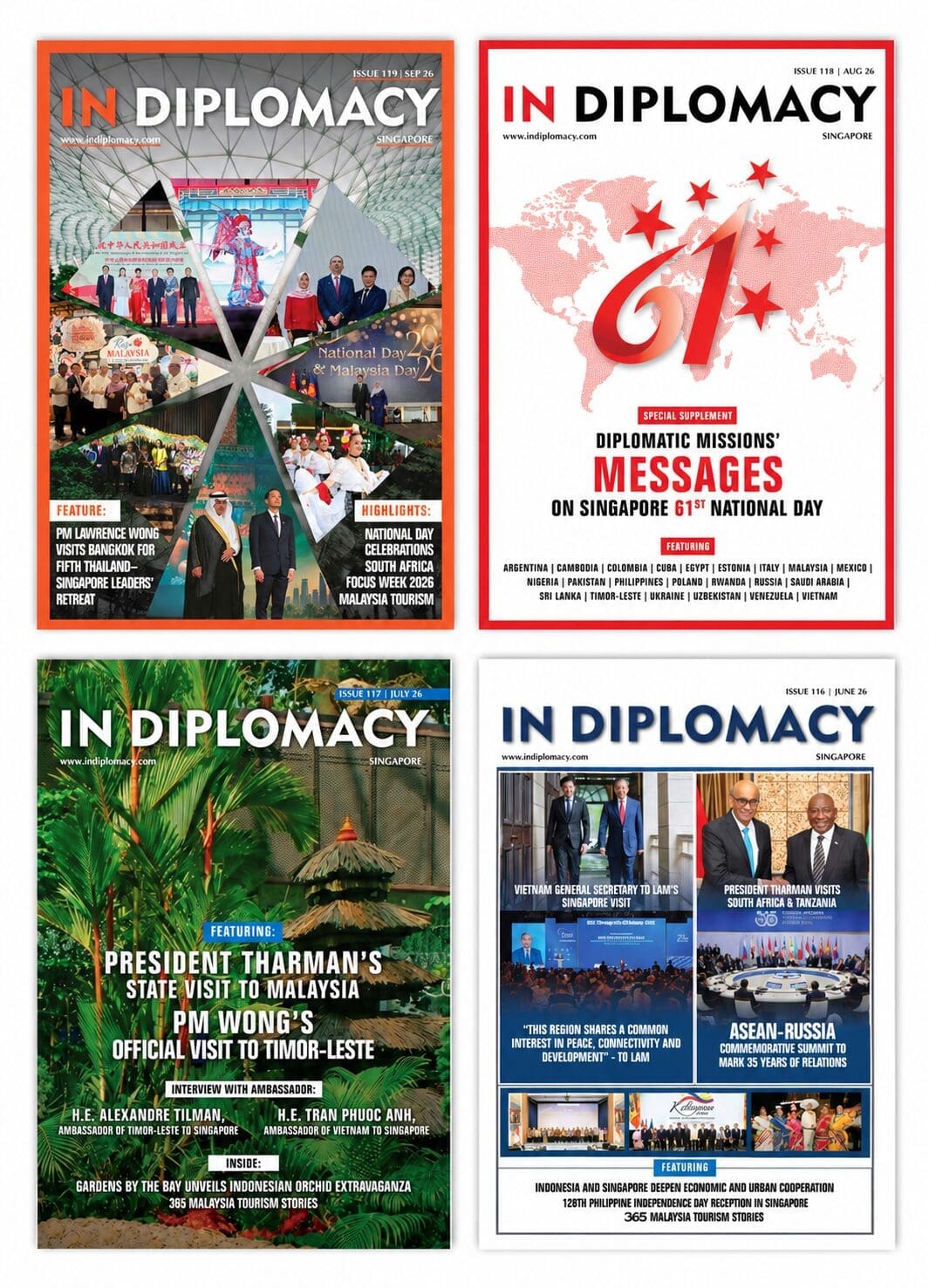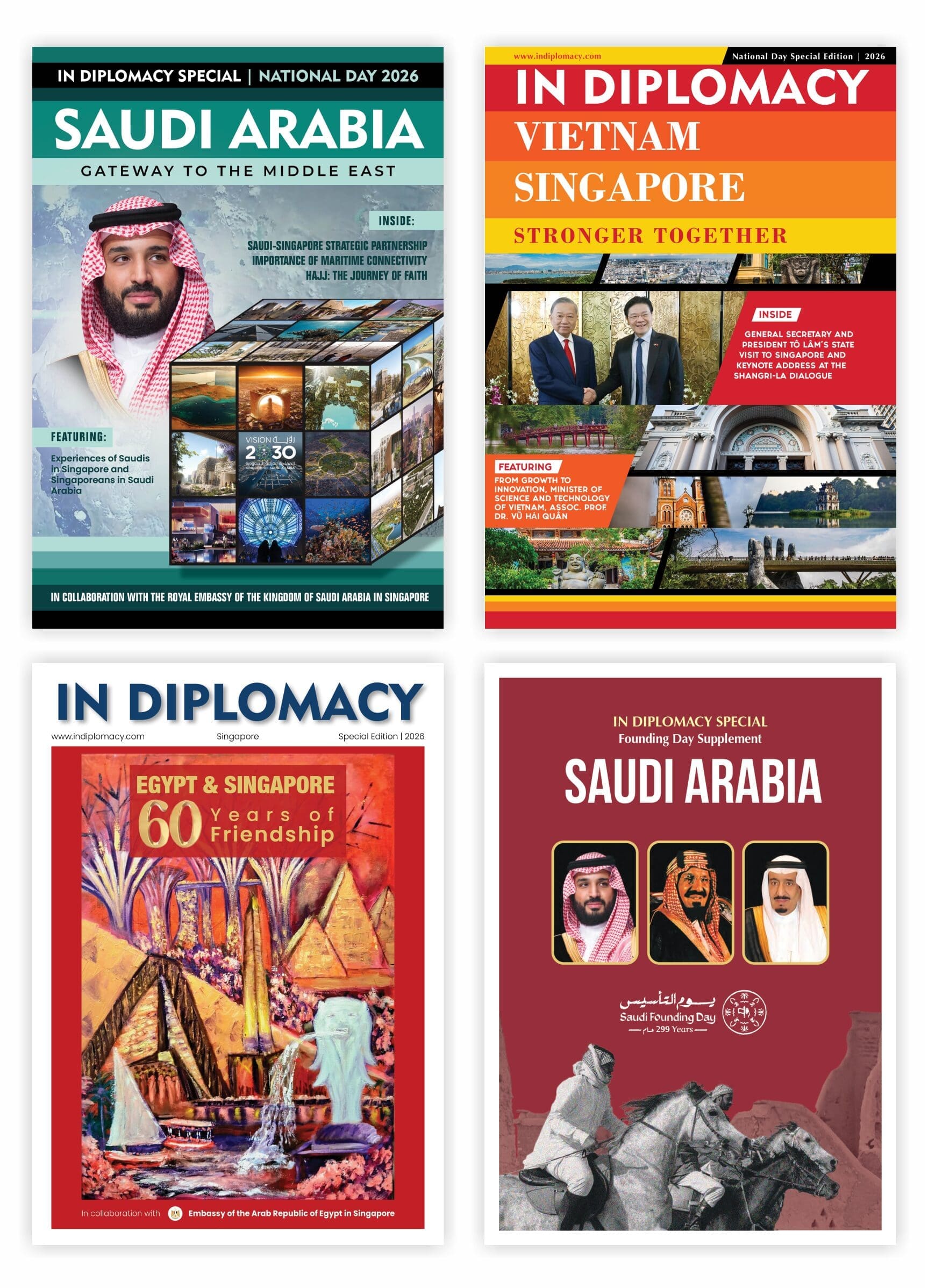
From UNESCO-listed peaks to biodiverse rainforests and island-studded seas, Sabah offers Singaporean and regional travellers a nature-rich escape shaped by conservation and culture

Located on the northern tip of Borneo, Sabah is one of Malaysia’s most distinctive destinations—where protected ecosystems, indigenous heritage and adventure tourism intersect. Positioned as a “natural playground”, the state’s tourism strategy centres on conservation-led experiences spanning coastlines, highlands and rainforest interiors.
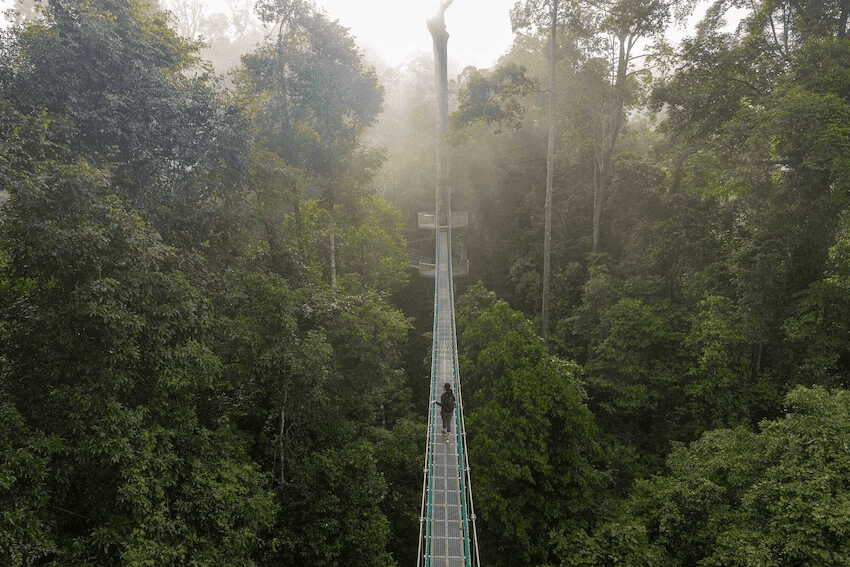
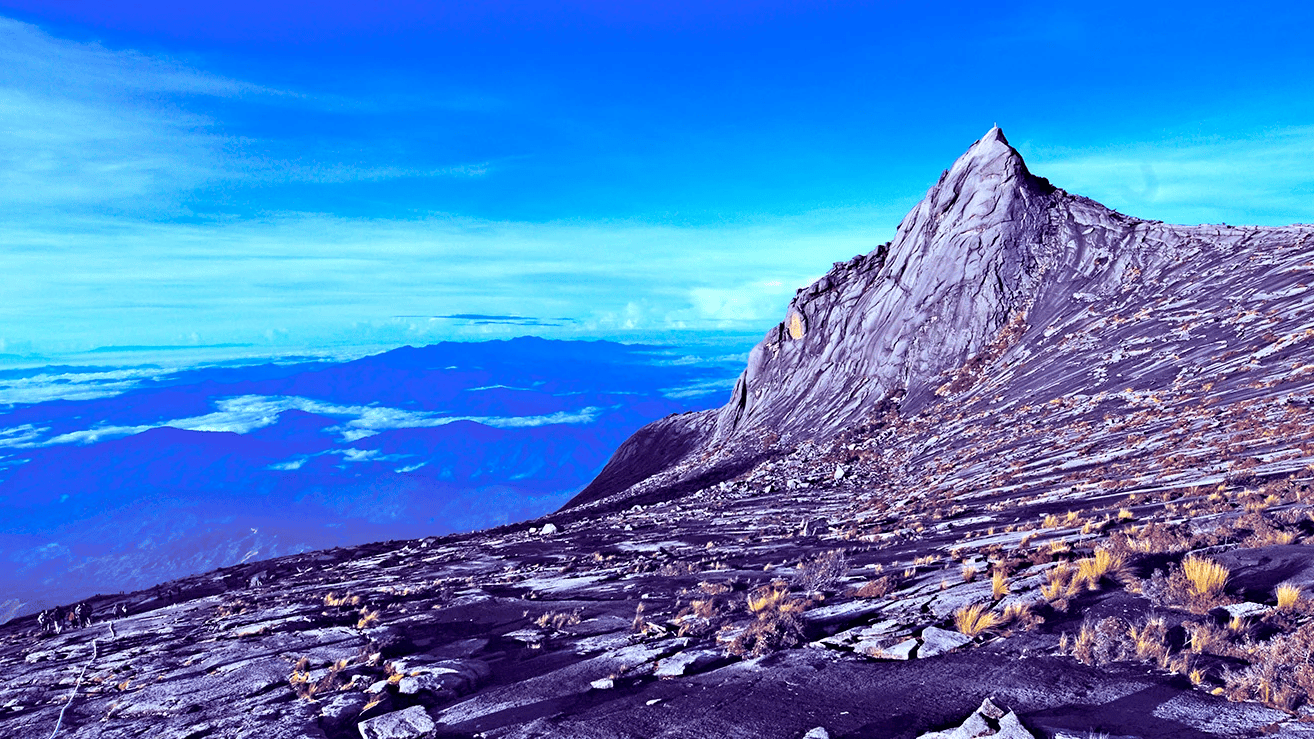
Among Sabah’s signature attractions is Mount Kinabalu, Southeast Asia’s highest mountain and part of the UNESCO-listed Kinabalu Park, renowned for its biodiversity. Deep within Sabah’s interior, the Danum Valley Conservation Area and Maliau Basin offer pristine rainforest ecosystems, while island landscapes such as Bohey Dulang showcase volcanic formations and panoramic sea views. These sites reflect Sabah’s focus on preserving natural assets while enabling controlled visitor access.
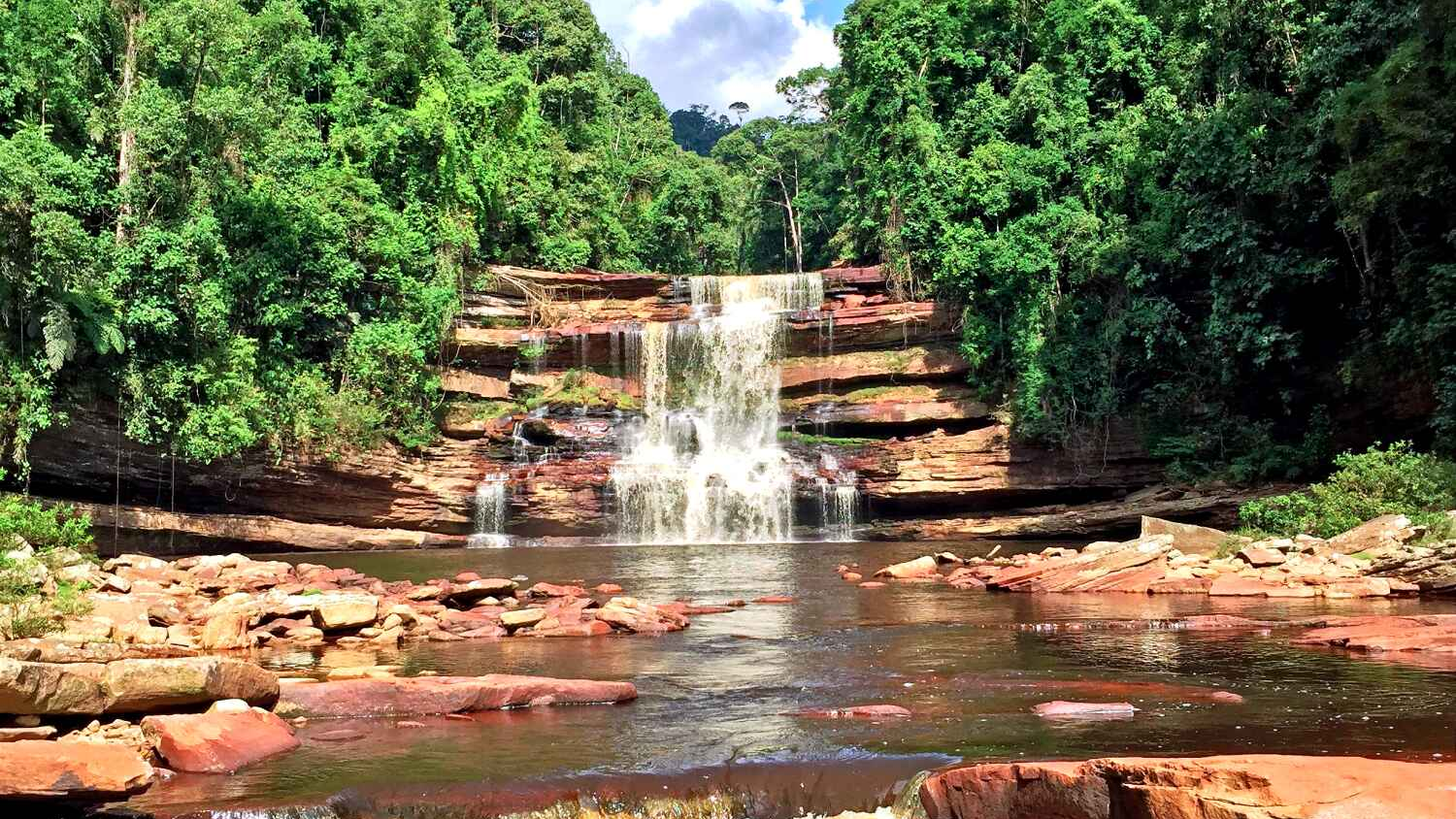
Experiences in Sabah are equally varied. Travellers can engage in wildlife encounters—ranging from orangutans and proboscis monkeys to marine life in protected parks—alongside activities such as diving, jungle trekking and canopy walks. Community-based tourism initiatives allow visitors to experience local traditions, crafts and village life, aligning with broader sustainability goals. Adventure and leisure coexist, from surfing and stargazing to exploring handicraft markets and coastal towns.
Sabah is also evolving as part of Malaysia’s wider tourism transformation ahead of Visit Malaysia 2026, with efforts focused on sustainable tourism, improved connectivity and curated travel experiences tailored to regional markets, including Singapore. This includes stronger collaboration with travel trade partners and the development of packaged itineraries that highlight Sabah’s diverse regions.
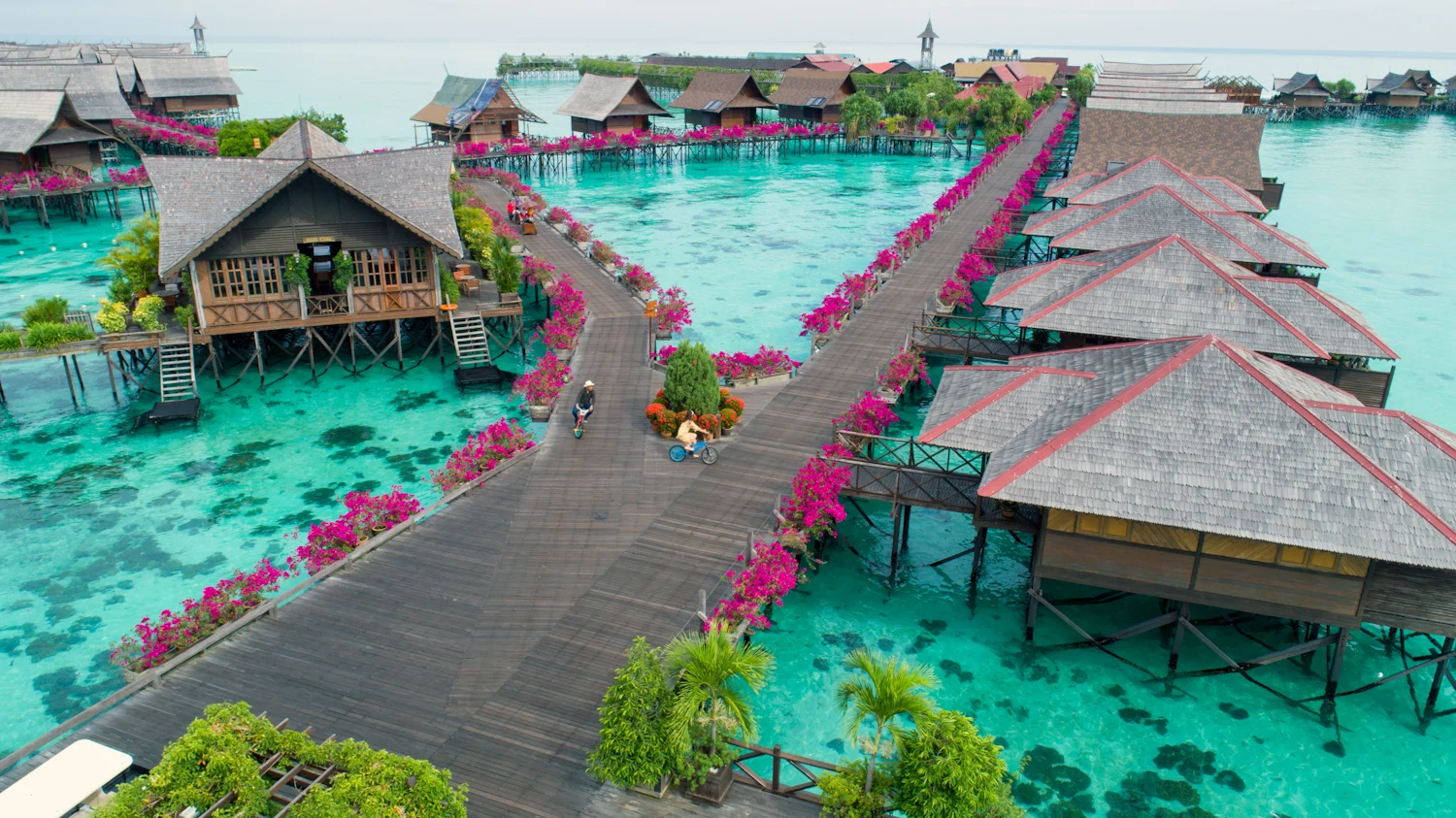
The main gateway is Kota Kinabalu International Airport, served by regional airlines with connections across Southeast Asia. From Singapore, direct flights typically take around 2.5 hours. Within Sabah, domestic flights connect key towns, while taxis, buses and car rentals provide access to major attractions.
Visa & Entry Information
Sabah is part of Malaysia but maintains its own immigration control. Travellers must carry a passport valid for at least six months and may be subject to entry checks upon arrival.
For Singaporeans and many regional travellers, visa-free entry is generally granted for short stays; however, requirements vary by nationality and travellers should verify with Malaysian authorities before departure. In some cases, visitors must also complete the Malaysia Digital Arrival Card (MDAC) prior to arrival.
Malaysia is generally considered safe for travel, though visitors are advised to exercise increased caution in certain maritime areas off eastern Sabah and to follow official advisories.

Source: Sabah Tourism