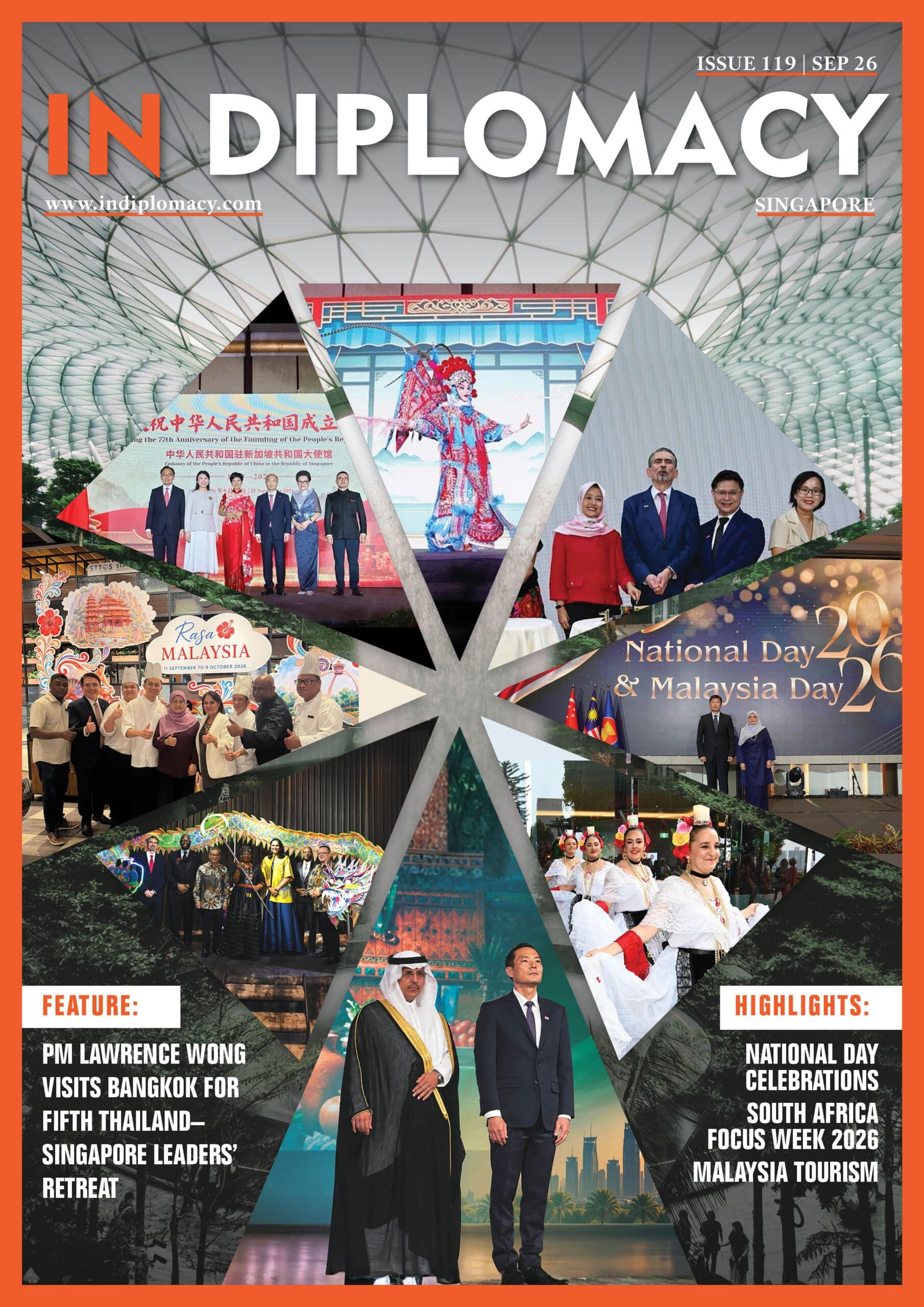
Discover the tranquil beauty of the China-Malaysia Friendship Garden in Putrajaya, where classical Chinese landscaping meets Malaysian craftsmanship in a landmark that celebrates decades of diplomatic friendship between two nations
A Garden Rooted in Friendship
Nestled within the picturesque surroundings of Anjung Floria in Putrajaya, the China-Malaysia Friendship Garden stands as a remarkable symbol of the enduring relationship between China and Malaysia. Officially established in 2014 to commemorate the 40th anniversary of diplomatic ties between the two countries, the garden offers visitors far more than scenic landscapes and elegant architecture. It serves as a living testament to mutual respect, cultural exchange and shared aspirations.
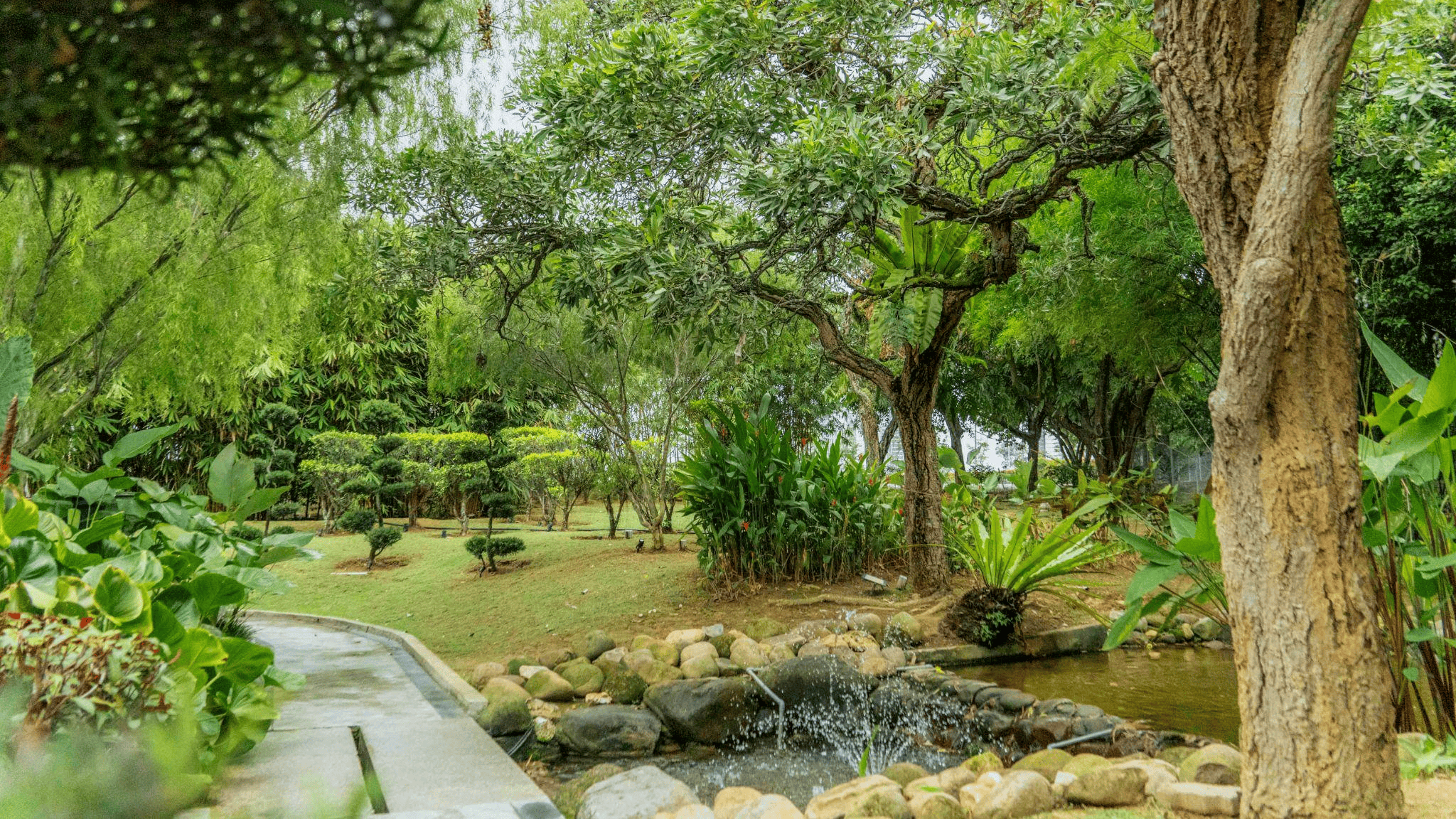
Stepping through the garden’s graceful archways, visitors are welcomed by rustic stone walls, lush greenery and the gentle rustling of bamboo leaves. The serene atmosphere creates an immediate sense of calm, inviting guests to slow down and immerse themselves in the harmonious surroundings.
Celebrating Decades of Bilateral Relations
The friendship between China and Malaysia has flourished through decades of cooperation across economic, cultural and social spheres. Major initiatives and infrastructure developments have strengthened connectivity and trade between the two nations, while cultural exchanges continue to foster deeper understanding among their people.
The China-Malaysia Friendship Garden reflects this close relationship through thoughtful design and symbolism. Every pathway, pavilion and landscaped corner embodies the values of harmony, unity and mutual appreciation that have defined the partnership between both countries.
A Highlight of Anjung Floria
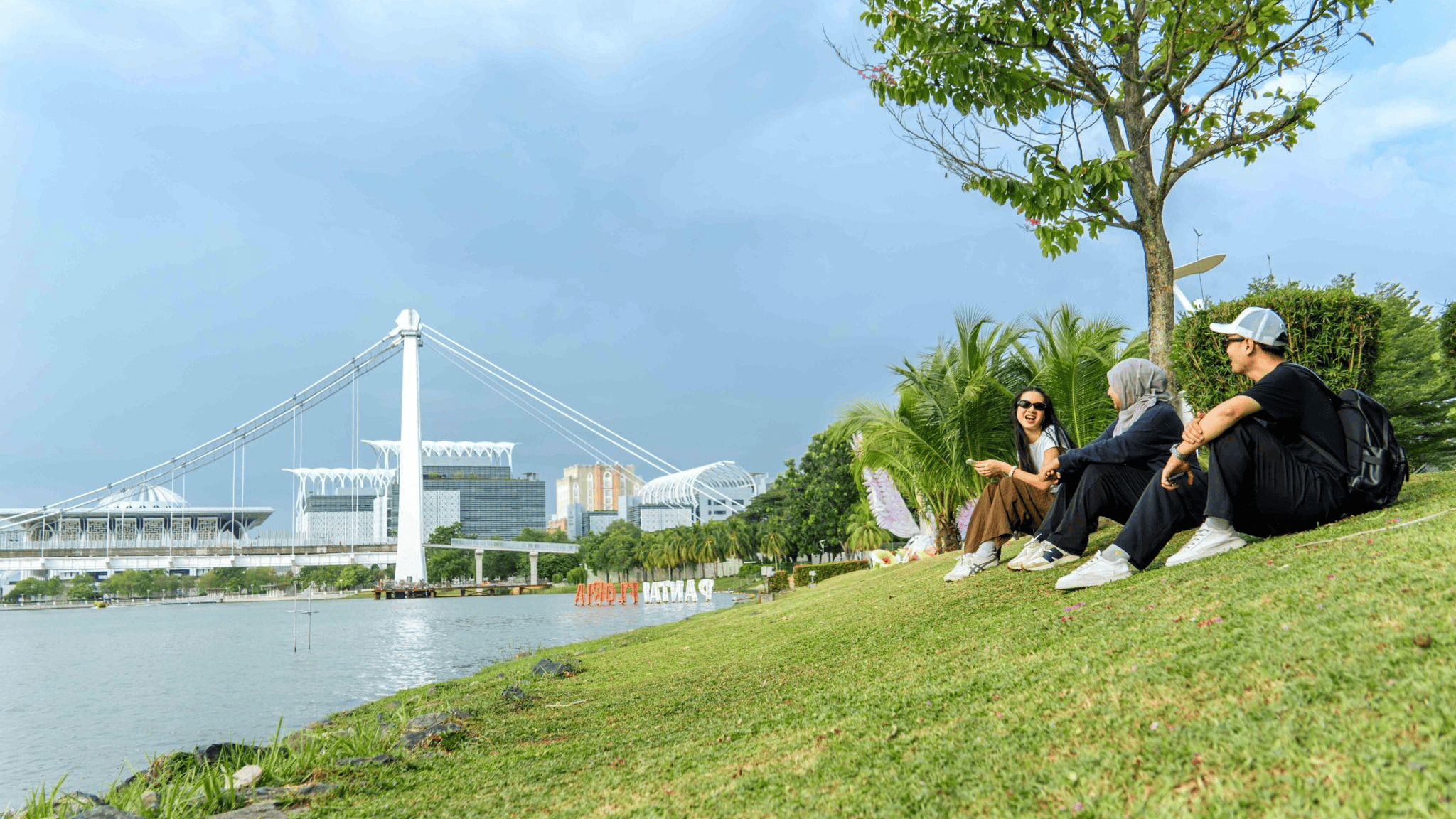
Located in Precinct 4, Putrajaya, the China-Malaysia Friendship Garden is one of the key attractions within Anjung Floria, a popular recreational park renowned for hosting Malaysia’s annual flower and garden festival, Royal Floria Putrajaya.
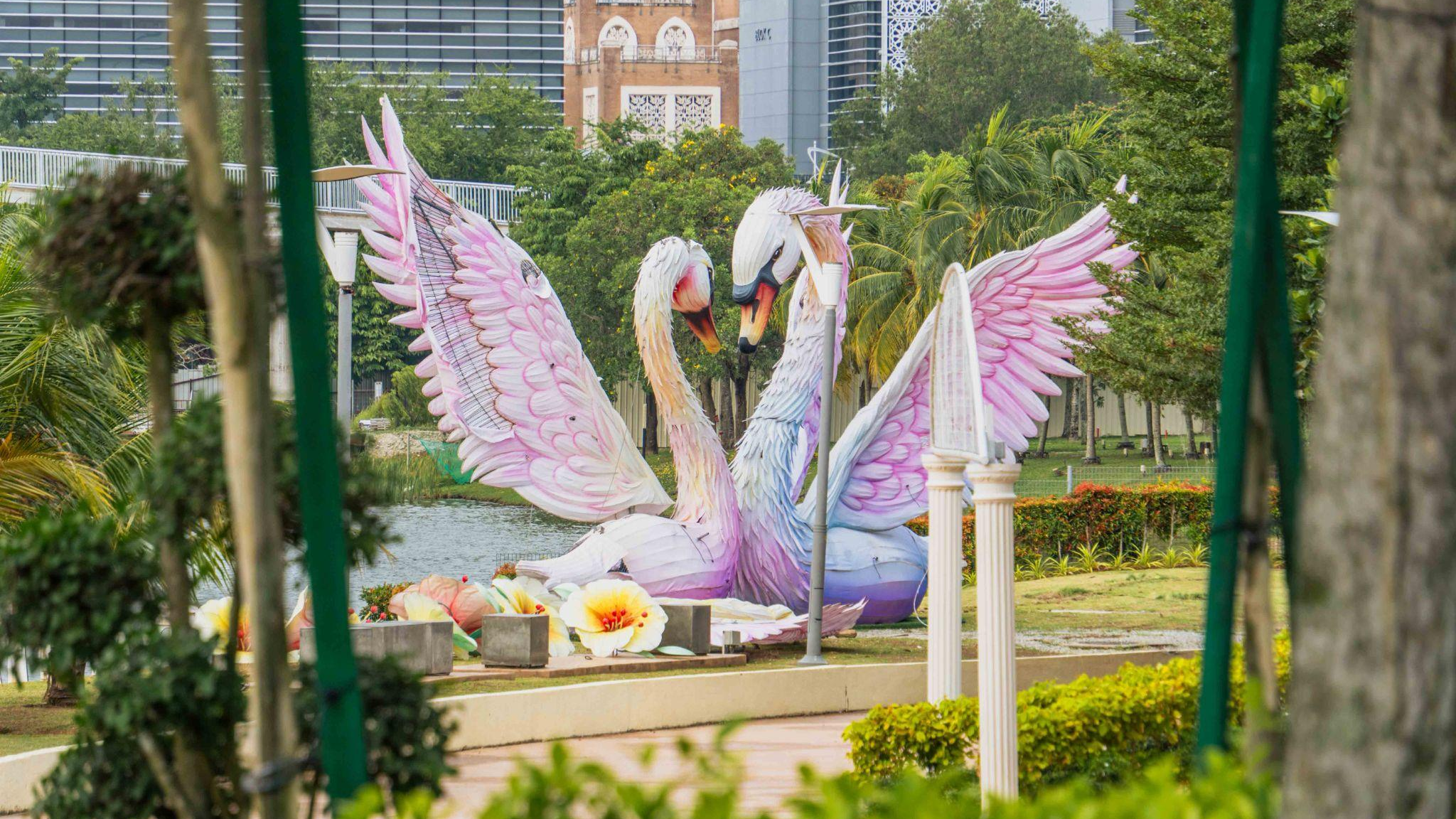
Beyond the Friendship Garden itself, Anjung Floria features beautifully landscaped gardens, creative installations, themed attractions and lakeside cafés, making it a favourite destination for families, photographers and nature lovers alike.
Inspired by the Classical Lingnan Garden Tradition
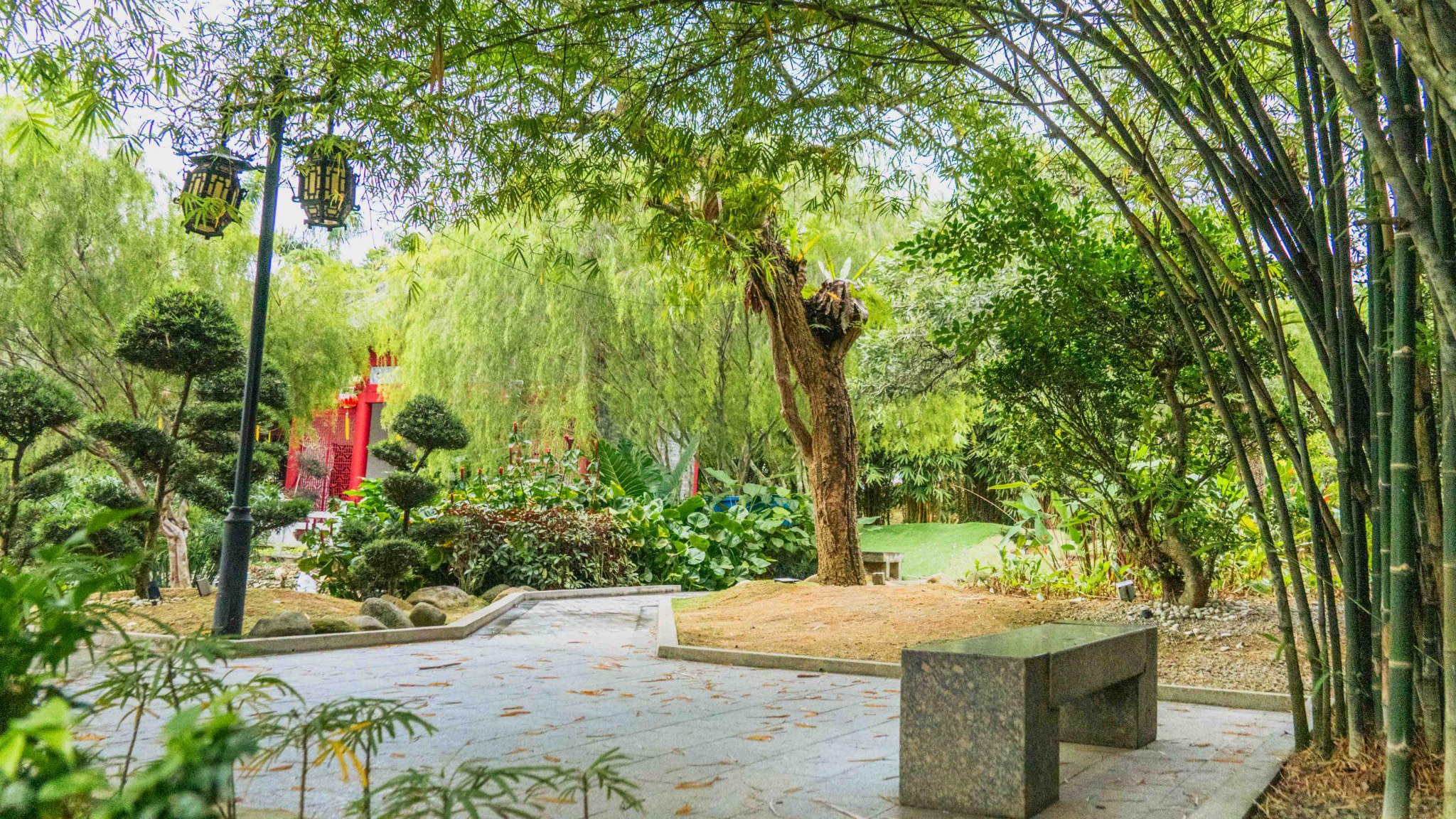
The garden’s design draws inspiration from the renowned Lingnan gardens of southern China, particularly those found in Guangdong and Guangxi provinces. Known for their intimate layouts, intricate craftsmanship and seamless integration of water features with architecture, Lingnan gardens are celebrated as masterpieces of traditional Chinese landscaping.
At the China-Malaysia Friendship Garden, visitors can observe the six essential elements of a classical Lingnan garden: mountains, water, stone, buildings, calligraphy and plants. Artificial limestone formations recreate the appearance of mountainous terrain, while ponds and flowing water features introduce movement and tranquillity throughout the grounds.
These elements embody the traditional Chinese philosophy of balance between nature and human design, often associated with the principles of Yin and Yang.
Zhiyuan: The Garden of Understanding
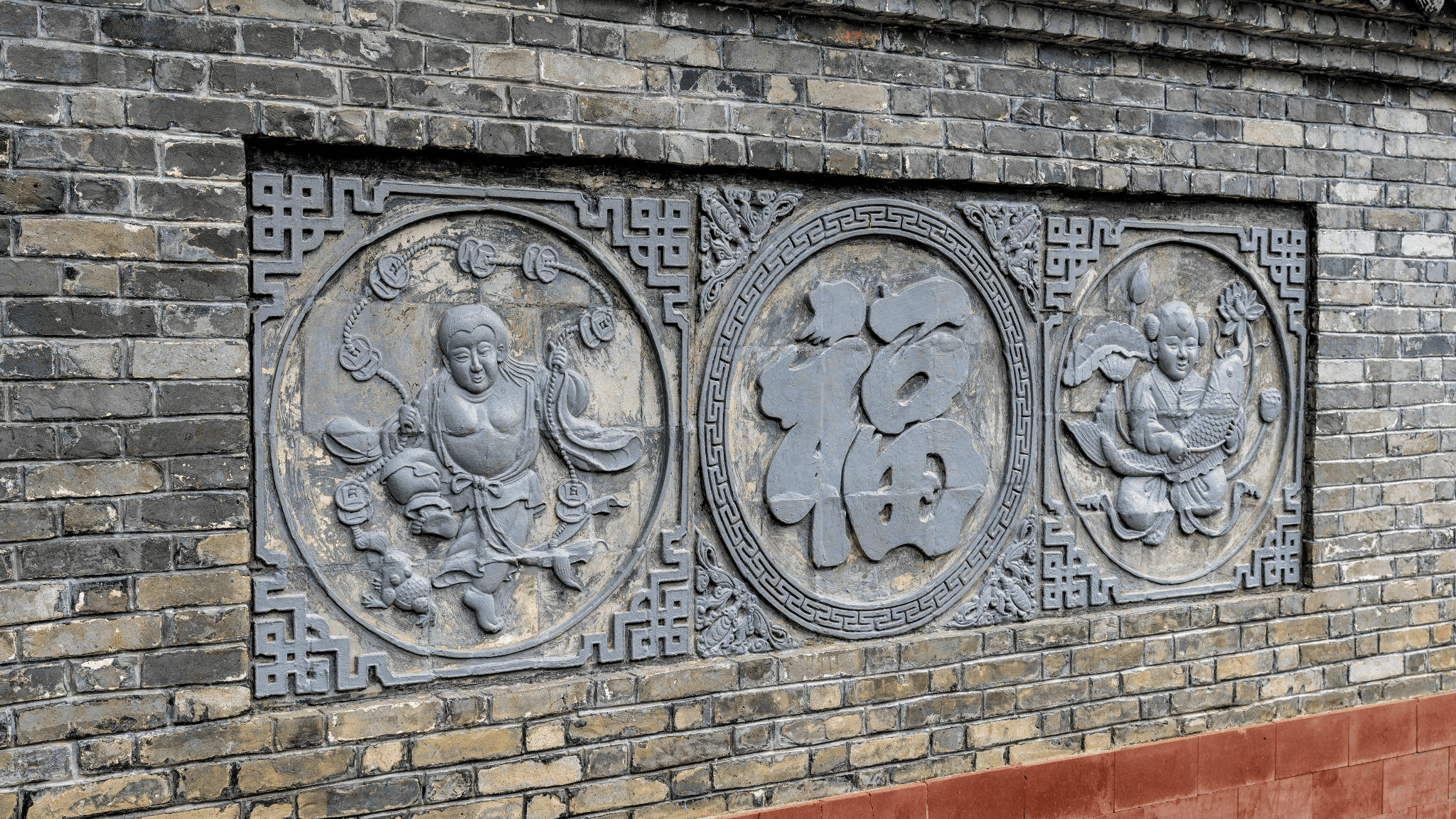
In Mandarin, the garden is known as Zhiyuan, meaning “Garden of Understanding”. The name reflects the spirit of friendship and mutual respect shared by China and Malaysia.
The garden also draws inspiration from a famous verse by Tang Dynasty poet Wang Bo:
“A bosom friend afar brings a distant land near.”
This timeless phrase perfectly encapsulates the purpose of the garden as a place where cultural connections transcend geographical boundaries.
Elegant Architecture and Cultural Symbolism
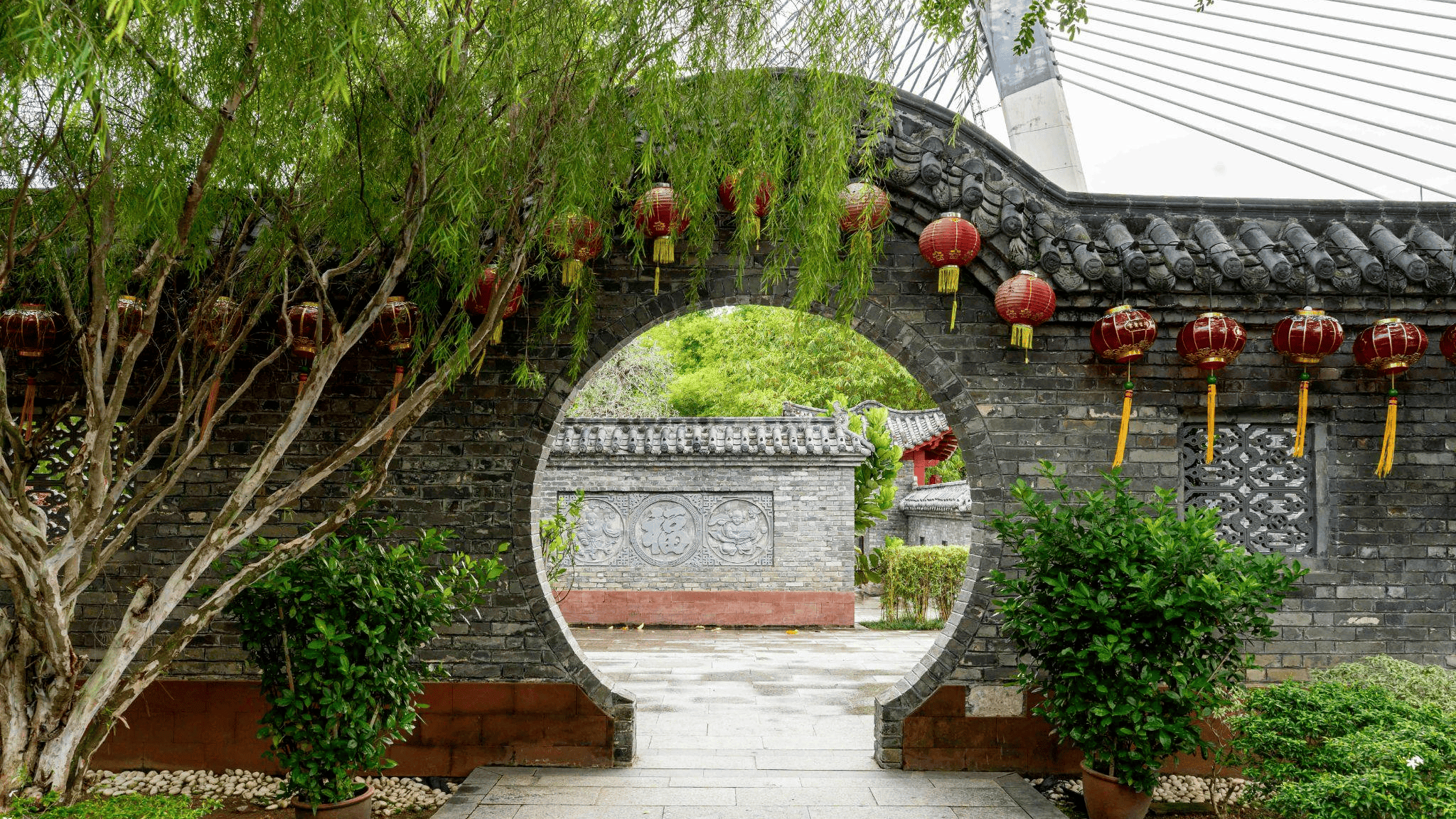
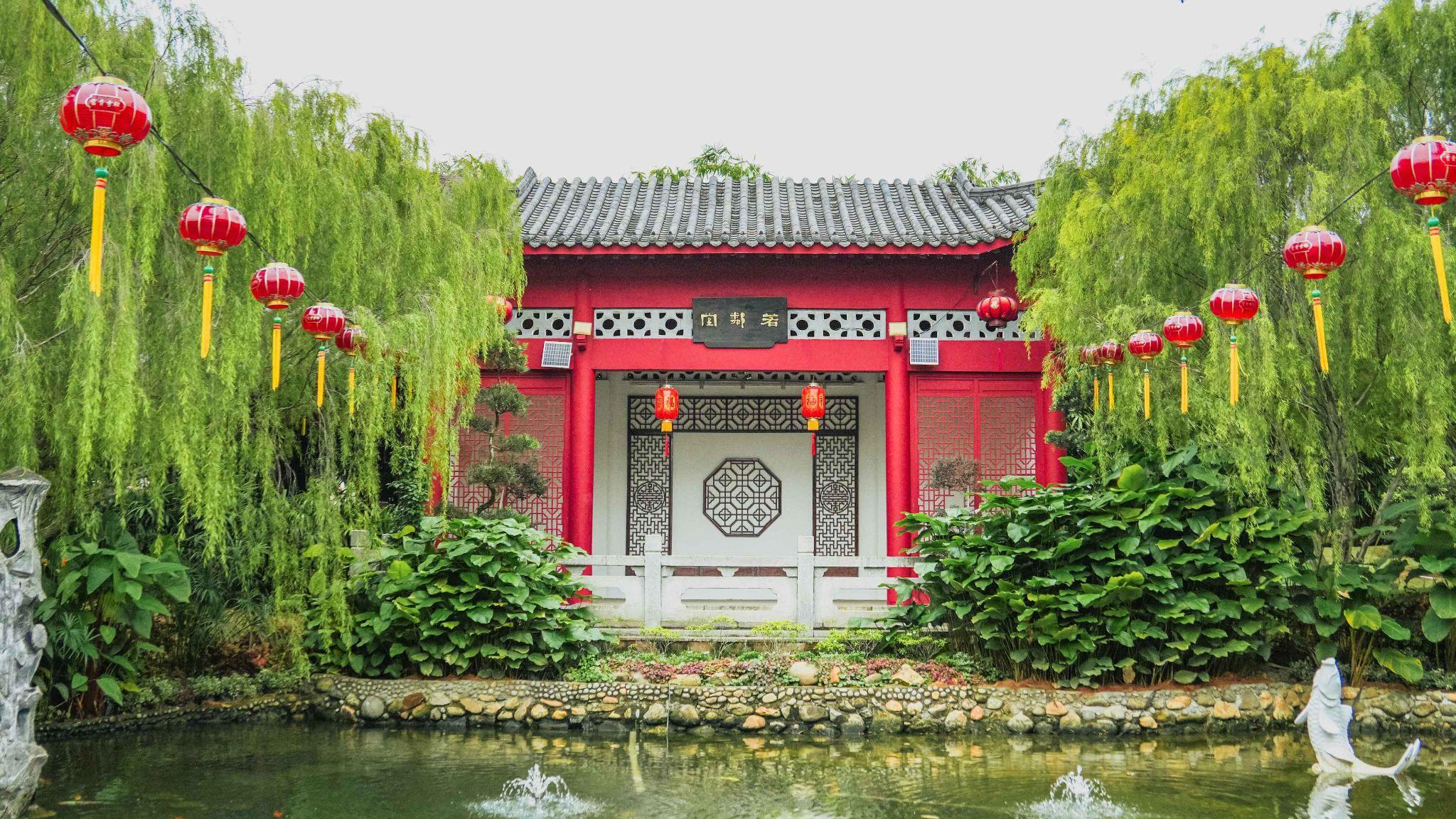
One of the garden’s most distinctive features is its collection of traditional Chinese pavilions overlooking tranquil ponds filled with koi fish and gentle fountains. Adorned with sloping roofs and decorative red lanterns, these structures are connected by shaded walkways that guide visitors through the landscape in an elegant and deliberate manner.
The grounds are further enhanced by carefully selected flora, including bamboo groves, weeping willows, bonsai trees and colourful flowering plants. Together, they create a rich tapestry of textures and colours that change beautifully throughout the seasons.
Adding a playful touch to the surroundings are charming panda sculptures scattered across the garden. These beloved symbols provide delightful photo opportunities while reinforcing the garden’s Chinese cultural influences.
Visitors will also encounter calligraphy installations and engraved stone features bearing inscriptions that symbolise peace, friendship, prosperity and longevity.
A Blend of Chinese and Malaysian Influences
While the garden’s overall aesthetic follows traditional Chinese design principles, Malaysian elements are thoughtfully incorporated throughout the site. Local construction techniques, weather-resistant materials and regionally sourced stone ensure the structures remain well-suited to Malaysia’s tropical climate.
This fusion of architectural traditions creates a unique cultural landmark that not only honours Chinese heritage but also reflects Malaysia’s identity and craftsmanship.
A Popular Destination for Photography
The China-Malaysia Friendship Garden has become a favourite location for photographers, particularly couples seeking a picturesque setting for wedding and pre-wedding photography. The striking combination of classical architecture, vibrant landscaping and reflective water features creates a romantic backdrop that captures timeless elegance.
Whether visiting with a professional camera or simply a smartphone, guests will find countless opportunities to photograph scenic pathways, traditional pavilions and tranquil garden views.
Nearby Attractions Worth Exploring
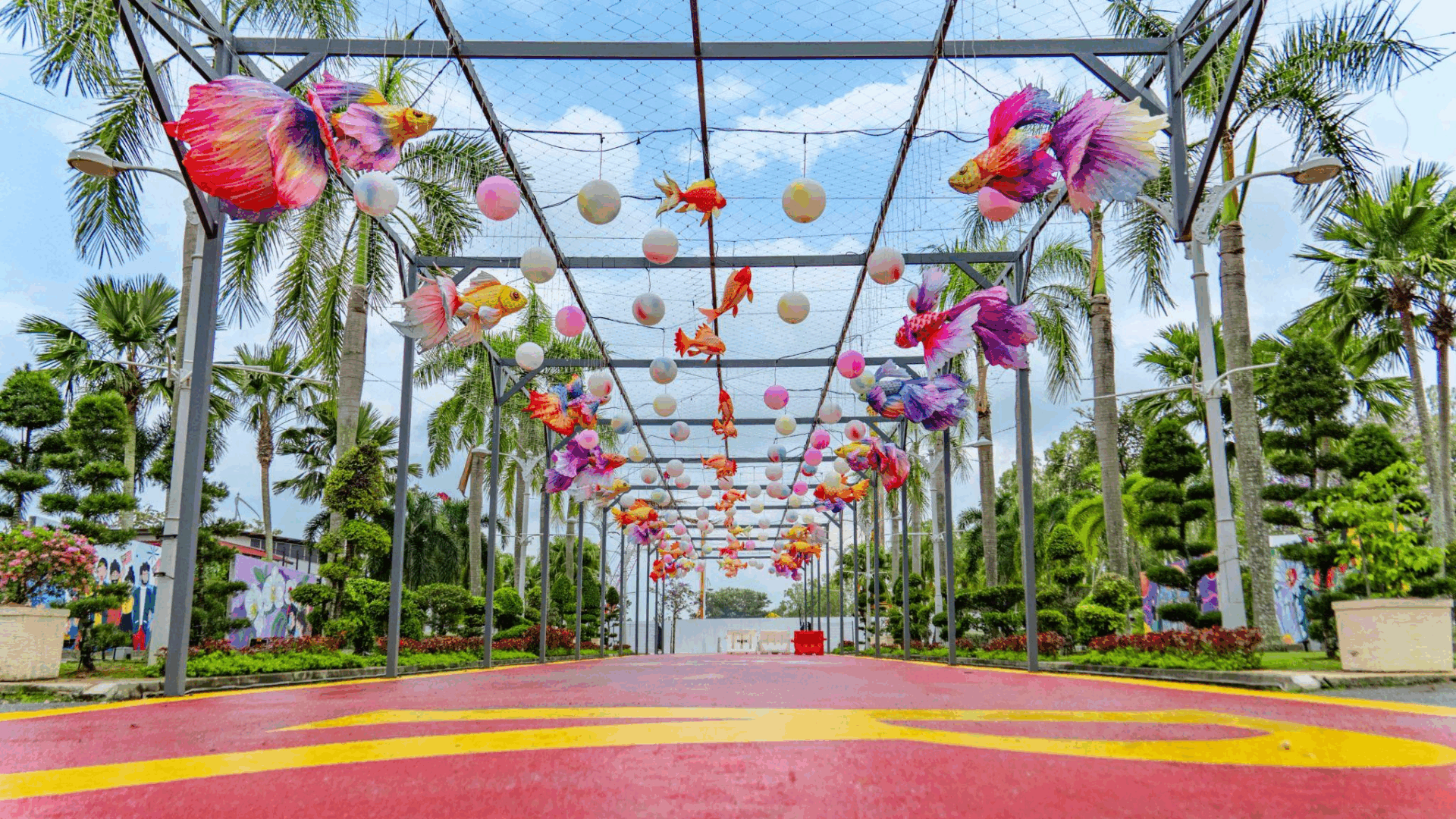
A visit to the China-Malaysia Friendship Garden can easily be extended into a half-day exploration of Putrajaya’s lakeside attractions.
Visitors can enjoy leisurely walks along the Putrajaya Lake promenade, offering panoramic views of the water and surrounding landmarks. The nearby Seri Saujana Bridge provides another excellent vantage point, particularly during sunset when the sky reflects beautifully across the lake.
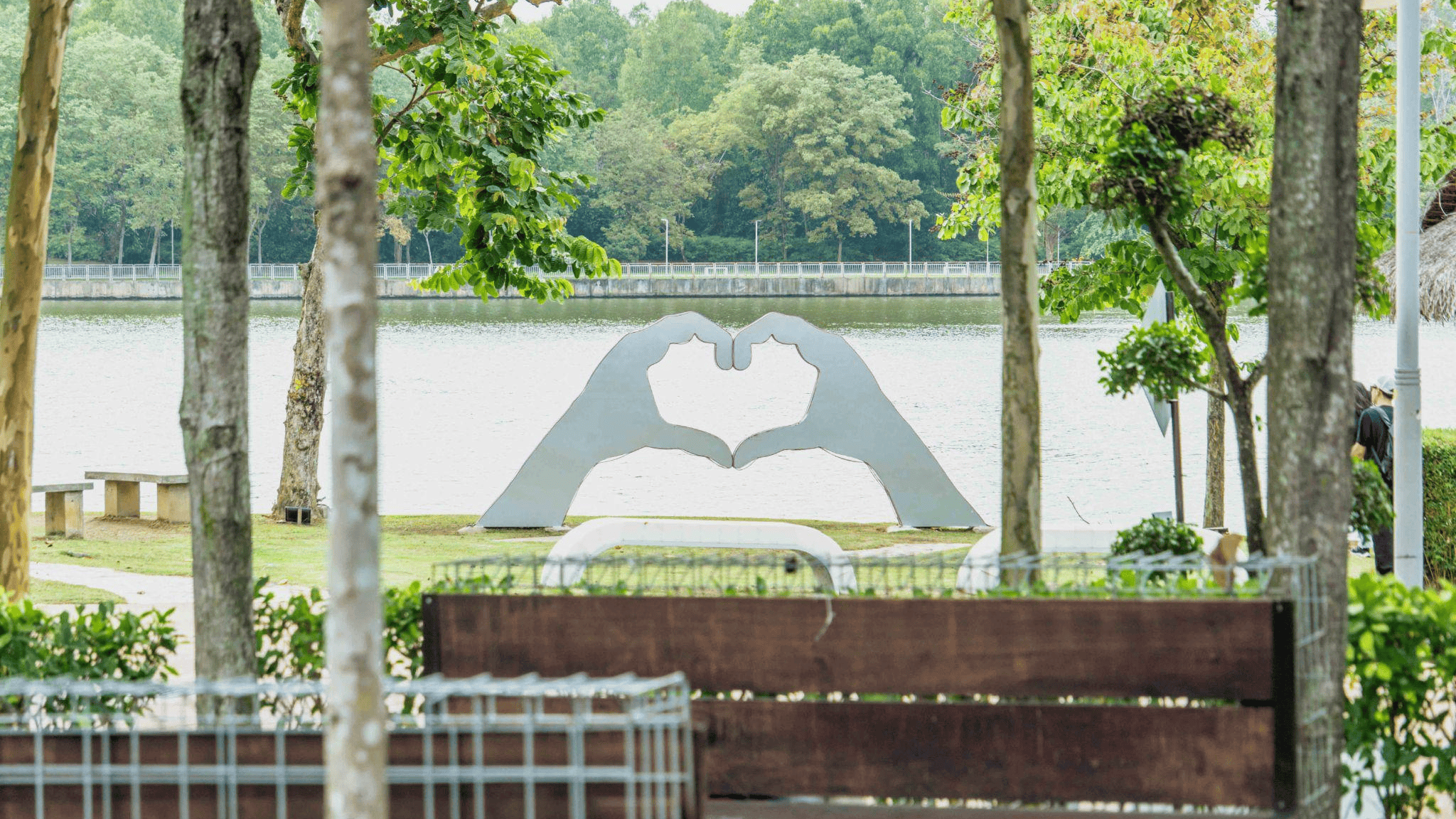
As part of the larger Anjung Floria complex, the garden is also surrounded by landscaped parks, themed gardens and open green spaces ideal for picnics and relaxation. Cycling enthusiasts can rent bicycles and explore the dedicated routes that wind around Putrajaya Lake, while photography enthusiasts will appreciate the abundance of modern architecture, bridges and waterfront scenery throughout the precinct.
Visitor Information
Entry to the China-Malaysia Friendship Garden is free of charge, making it an accessible destination for visitors of all ages. No advance booking is required, allowing guests to enjoy the peaceful surroundings at their own pace.
Open daily from morning until evening, the garden offers a refreshing escape from the city and a meaningful opportunity to experience a landmark that celebrates friendship, culture and harmony between two nations.
Whether you are a nature enthusiast, photography lover, cultural explorer or simply seeking a tranquil retreat, the China-Malaysia Friendship Garden offers a memorable experience that beautifully showcases the enduring bond between China and Malaysia.
Source: Malaysia Tourism