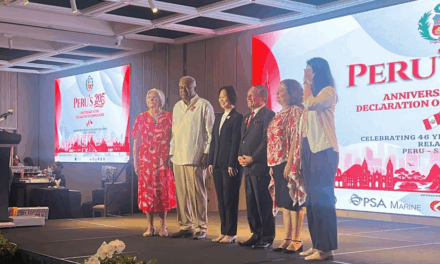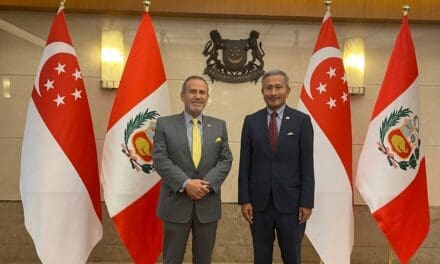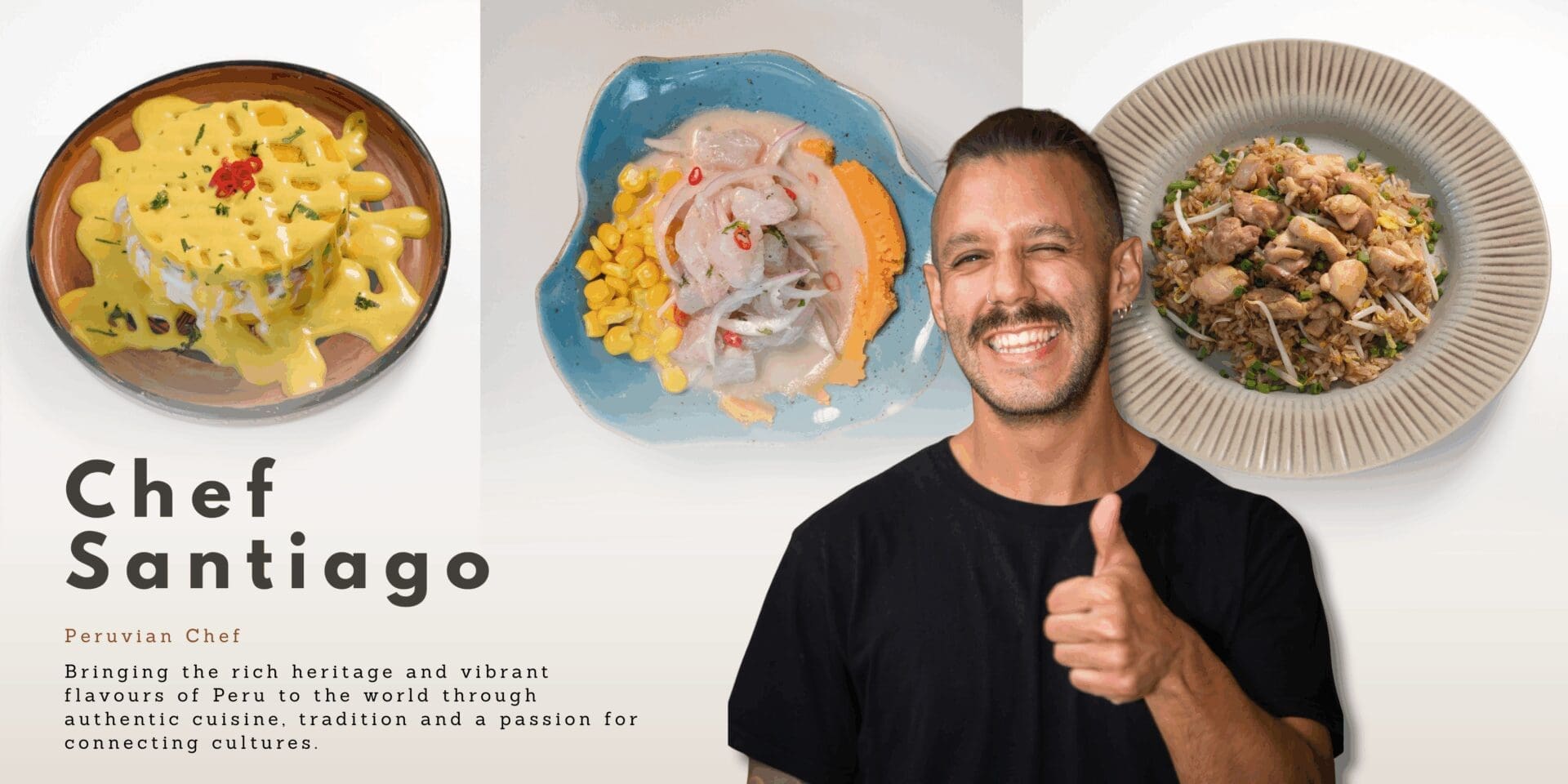
Chef Santiago shared how authentic Peruvian cuisine reflects the country’s multicultural heritage, highlighting traditional dishes and ingredients served during Peru’s National Day celebration in Singapore

Peruvian chef Santiago shared the stories behind the country’s traditional cuisine during Peru’s National Day celebration in Singapore, where he prepared a selection of signature dishes representing Peru’s diverse culinary heritage. Through the menu, he introduced guests to authentic flavours shaped by centuries of cultural exchange while emphasising the importance of preserving traditional recipes.
Originally from Lima, Peru, Chef Santiago has been living in Bangkok and began his professional culinary journey after studying at Le Cordon Bleu Culinary School. Having spent most of his life in Peru before relocating abroad in 2016, he said his upbringing in Lima provided the foundation for his understanding of the country’s rich gastronomic traditions.
Speaking about the uniqueness of Peruvian cuisine, Chef Santiago explained that Peru’s food culture has evolved through the influence of indigenous traditions alongside Spanish, Italian, French, Arab, Chinese and Japanese communities. He noted that this blend of cultures has produced distinctive flavours characterised by depth and complexity while maintaining Peru’s own culinary identity.
For the National Day dinner, Chef Santiago prepared several of Peru’s most recognisable dishes, including ceviche de pescado, quinua salad, lomo saltado, and ají de gallina. He said these dishes were selected because they are widely regarded as representative of Peruvian cuisine and remain favourites among Peruvians, Latin Americans and international visitors who have experienced the country’s food.
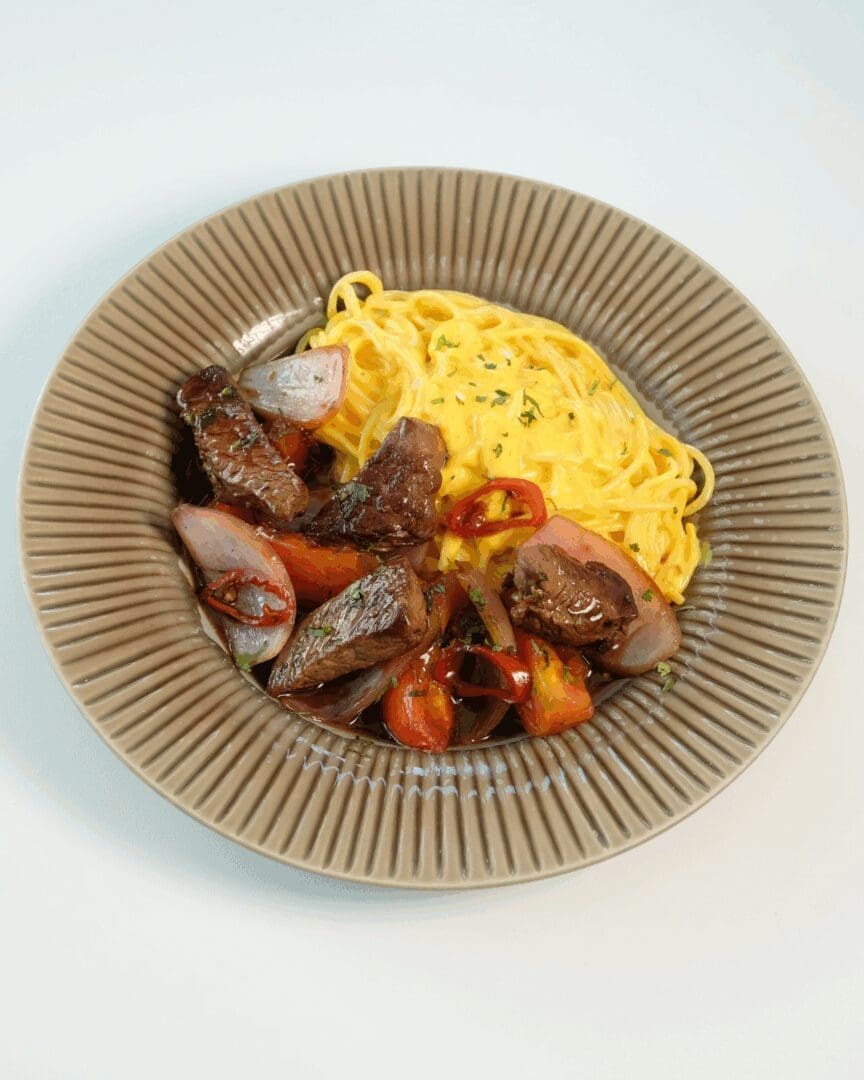

He also highlighted several ingredients that are essential for achieving authentic Peruvian flavours, including ají amarillo, huacatay, and choclo, the large Andean corn native to Peru. According to Chef Santiago, these ingredients form the foundation of many traditional recipes and help preserve the distinctive character of Peruvian cooking.
Comparing Peruvian and Asian cuisines, Chef Santiago observed that while Peru’s culinary foundation is largely influenced by European traditions, it also incorporates significant Chinese Cantonese and Japanese influences. At the same time, he noted that Peru’s indigenous mountain cuisine has remained largely unchanged and continues to reflect the country’s original culinary heritage.
Chef Santiago said he chose not to modify the recipes to suit regional tastes, explaining that his objective was to present the dishes in their most authentic and traditional form. He added that Asian diners have responded particularly well to dishes such as ceviche and lomo saltado, demonstrating a strong appreciation for Peruvian cuisine.
He also pointed out that Peru and Asia share a number of common ingredients, illustrating the culinary connections that exist between the two regions despite their distinct food traditions.
Reflecting on the role of food in cultural exchange, Chef Santiago said cuisine serves as a universal way of bringing people together. Through authentic Peruvian dishes, he hoped diners in Singapore would gain a deeper understanding of Peru’s culture, history and identity while experiencing the country’s longstanding culinary traditions.
Source: IN Diplomacy Reporter.