Responsible travel combines conservation, culture and community engagement.
Labuan Bajo is promoting sustainable tourism by encouraging visitors to experience its natural and cultural attractions while supporting conservation and local communities. Located on the western tip of Flores Island in Indonesia’s East Nusa Tenggara province, the coastal town is the gateway to Komodo National Park, a UNESCO World Heritage Site known for its unique terrestrial and marine ecosystems.
The destination’s sustainable tourism offering begins with its most iconic resident, the Komodo dragon. Guided treks on Komodo Island allow visitors to observe the endangered species, the world’s largest living lizard, in its natural habitat while learning about conservation efforts to protect the park’s exceptional biodiversity.

Beyond its terrestrial wildlife, the waters surrounding Labuan Bajo are home to a rich variety of marine life. At Manta Point, snorkellers and divers may encounter manta rays in the wild, with visitors encouraged to keep a respectful distance and avoid physical contact with the protected animals. Responsible wildlife interactions help support ongoing efforts to conserve the area’s marine ecosystem.

Exploring the region by sea offers another perspective on the destination. Traditional phinisi liveaboard cruises take travellers to islands including Padar, Rinca and Komodo, allowing more time to appreciate the area’s dramatic landscapes and diverse coastal environments while experiencing Indonesia’s centuries-old maritime heritage.

Sustainable tourism in Labuan Bajo also extends to its cultural heritage. Around 30 minutes from the town centre, Liang Ndara Tourism Village offers community-based experiences centred on the traditions of the Manggarai people. Visitors can watch the Caci whip dance, learn traditional weaving techniques, try the Rangkuk Alu bamboo game and discover local handicrafts. Tourism activities in the village contribute to preserving local traditions while supporting livelihoods within the community.
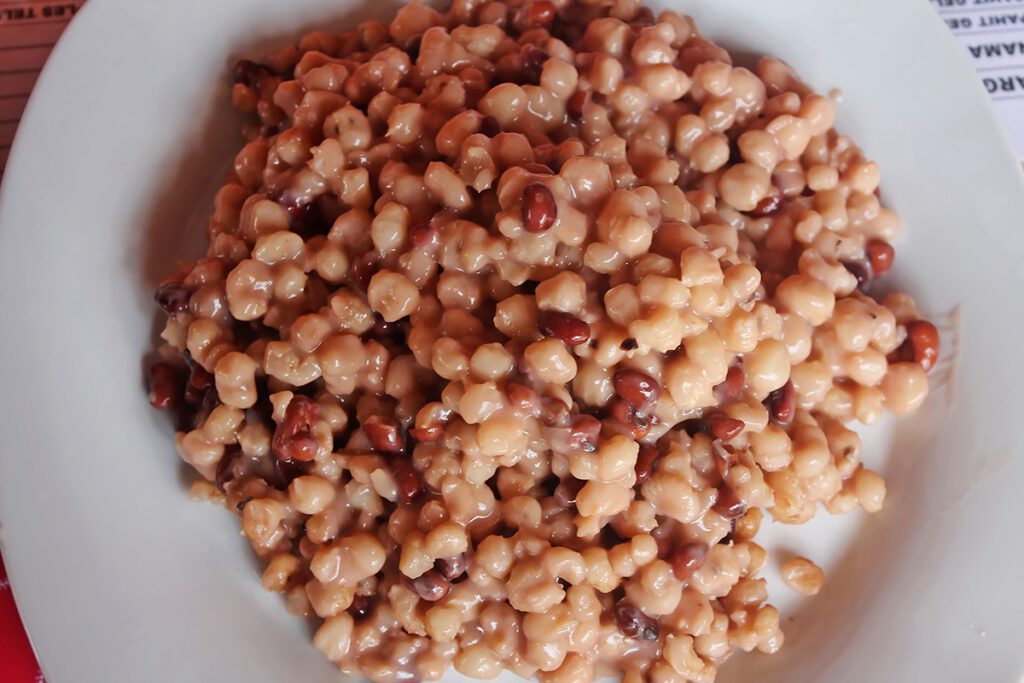
The journey is equally reflected in the region’s culinary traditions. Local specialities such as kompiang sesame bread, rebok rice-flour snacks, kolo bamboo-roasted rice and jagung bose, a traditional white corn porridge, showcase local ingredients and generations of culinary knowledge. Choosing locally prepared dishes also supports restaurants, food producers and small businesses across the destination.
Together, these experiences reflect Labuan Bajo’s emphasis on tourism that seeks to balance environmental conservation, cultural preservation and community development. As interest in responsible travel continues to grow, visitors can play a role in supporting efforts to protect the destination’s natural and cultural heritage for generations to come.
Source: Indonesian Ministry of Tourism