Deepavali, widely known as Diwali, brings Malaysia’s Indian community together through centuries-old traditions, religious observances, festive cuisine and open-house celebrations. The festival celebrates the triumph of light over darkness and good over evil, while strengthening family and community bonds.
Deepavali, commonly known as Diwali, is one of the most significant festivals celebrated by Hindus around the world, including Malaysia’s sizeable Indian community. Known as the Festival of Lights, it symbolises the triumph of light over darkness and good over evil. In Malaysia, the occasion is marked by religious ceremonies, vibrant decorations, traditional cuisine and gatherings that bring families, friends and communities together.
Preparations for Deepavali often begin several weeks before the celebration, with households taking part in a range of activities to welcome the auspicious occasion. Cleaning and refreshing the home is an important tradition, as a clean and orderly environment is believed to welcome Lakshmi, the Hindu Goddess of Wealth and Prosperity. Families often declutter their homes, repaint walls and prepare their living spaces for the festivities.
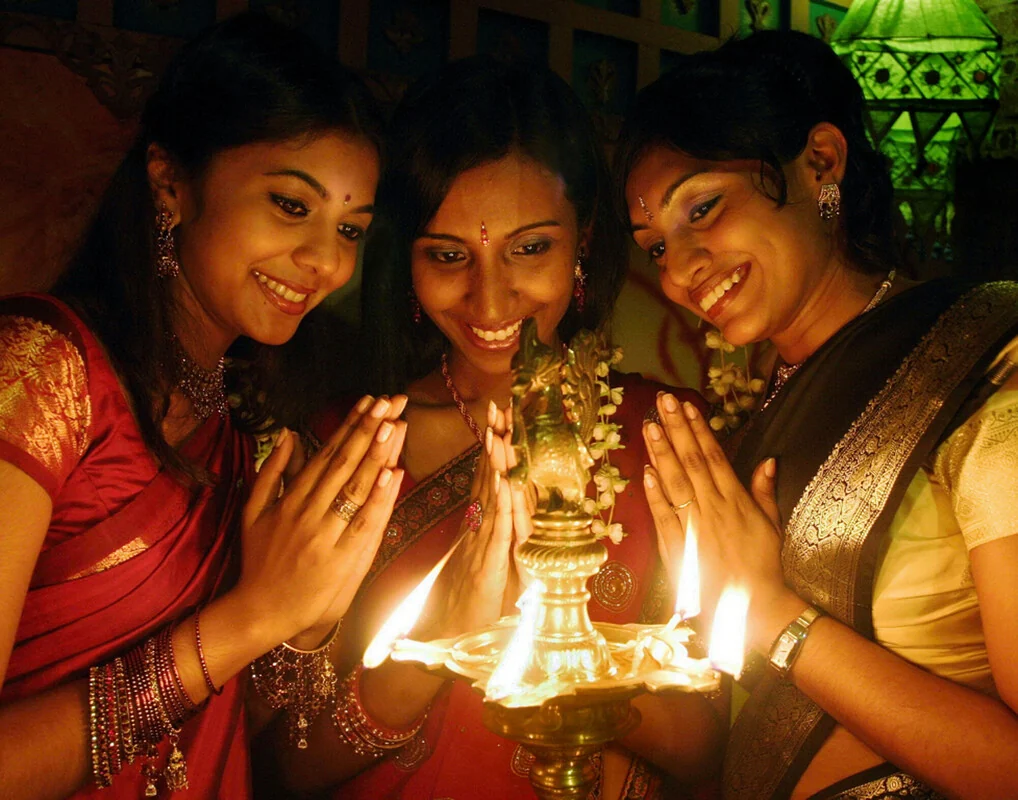
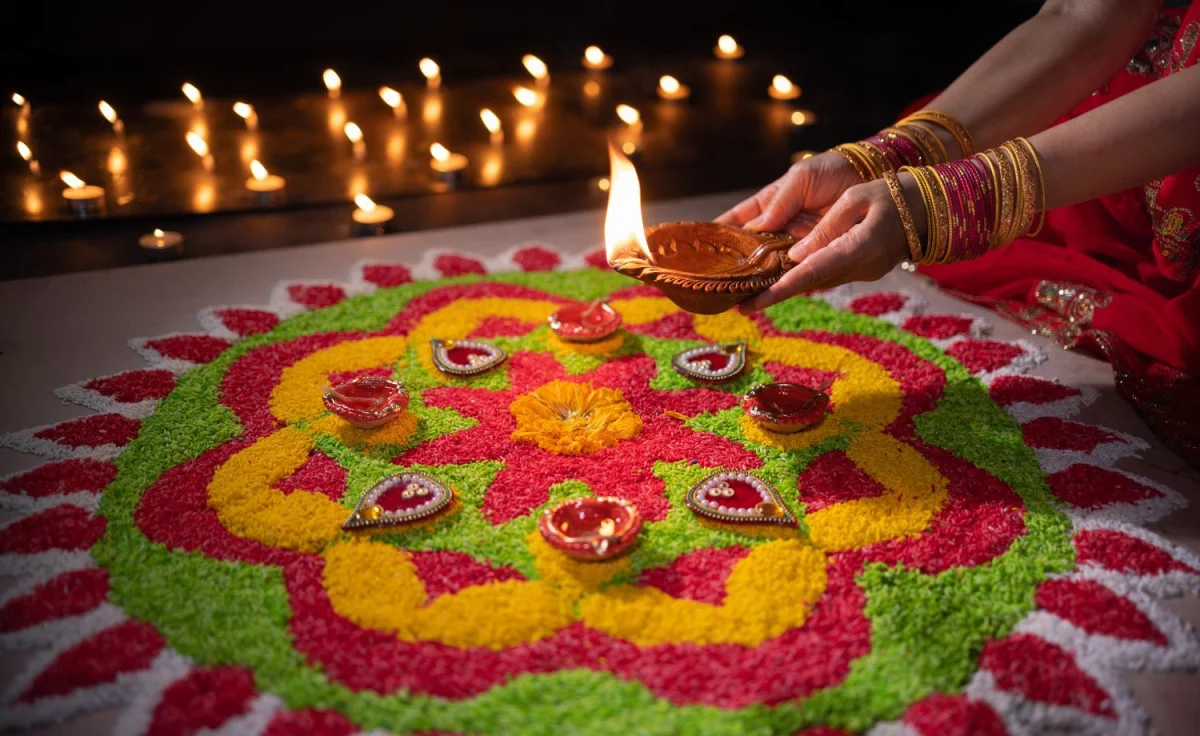
Decorations also play an important role in creating the festive atmosphere. Colourful rangoli, known locally as kolam, are carefully arranged at entrances using coloured powders, rice or flower petals. Oil lamps, traditionally known as diyas, and decorative lights are placed around homes, illuminating the surroundings and representing the victory of light over darkness.
Shopping is another essential part of the preparations. Families purchase new clothes for the occasion, with traditional attire such as sarees, dhotis and kurta-pyjamas remaining popular choices. Sweets, dried fruits and presents are also prepared for exchange among relatives, friends and neighbours, reflecting the spirit of generosity associated with the festival.
Food is central to Deepavali celebrations, with families preparing an assortment of traditional sweets and savoury delicacies. Popular treats include murukku, ladoo, barfi and gulab jamun, alongside other homemade snacks and festive dishes. These delicacies are served to visiting guests and shared with neighbours and friends, making food an important expression of hospitality and togetherness.
Religious observances form another significant aspect of the festival. In the days leading up to Deepavali, families clean and decorate their home altars, prepare offerings and make arrangements for puja, or prayer ceremonies. Many also visit Hindu temples to offer prayers, seek blessings and participate in communal religious activities.
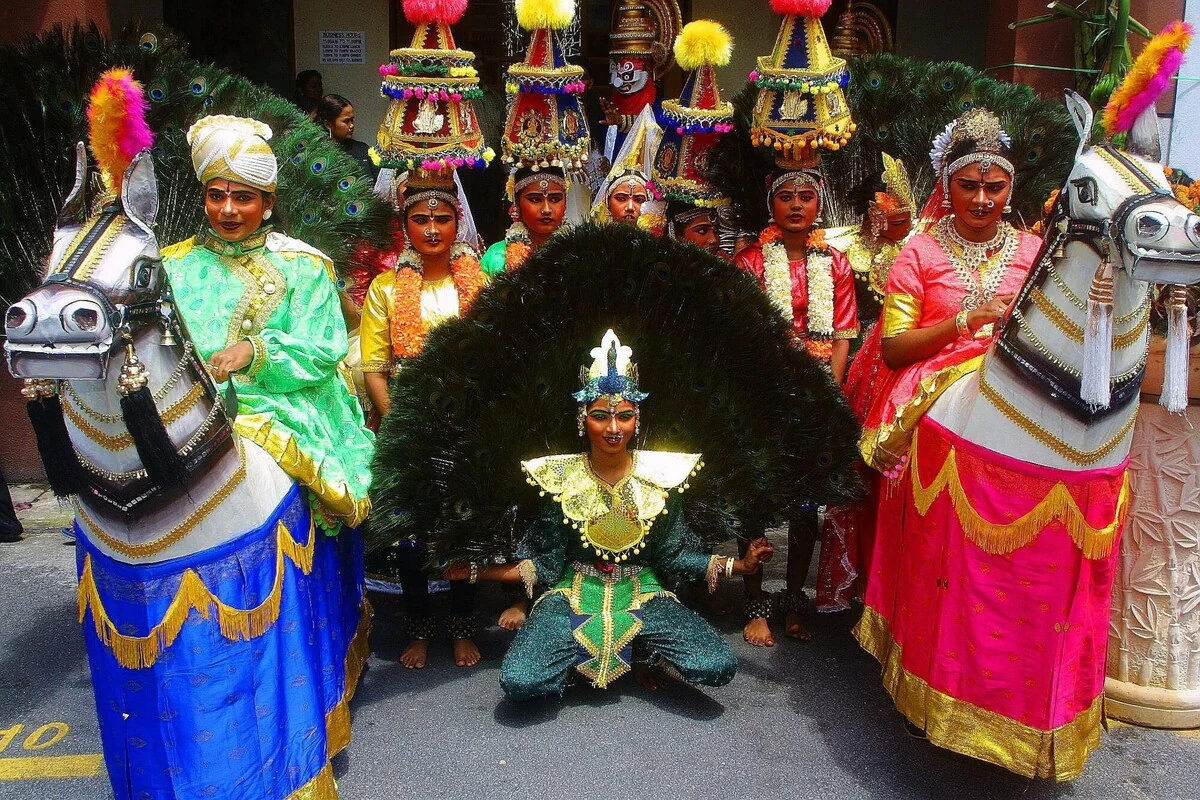
On the day of Deepavali, celebrations traditionally begin early in the morning with an oil bath, a customary practice believed to symbolise spiritual purification and renewal. Family members then dress in their new clothes before gathering for prayers and puja at home. Offerings of fruits, flowers and sweets are presented to Hindu deities, as families pray for health, prosperity and happiness in the year ahead. Temple visits are also an important part of the day, allowing devotees to participate in prayers and ceremonies alongside the wider community.
Following the religious observances, families come together for festive meals. Elaborate spreads featuring traditional vegetarian dishes, savoury snacks and desserts are prepared and enjoyed by relatives and guests. These meals provide an opportunity for family reunions, allowing generations to reconnect and celebrate together.
One of the most distinctive features of Deepavali in Malaysia is the tradition of open houses. Families welcome relatives, friends, neighbours and visitors from different cultural backgrounds into their homes to share festive food and enjoy the celebrations. This tradition reflects Malaysia’s multicultural character, encouraging mutual understanding, friendship and social harmony across communities.
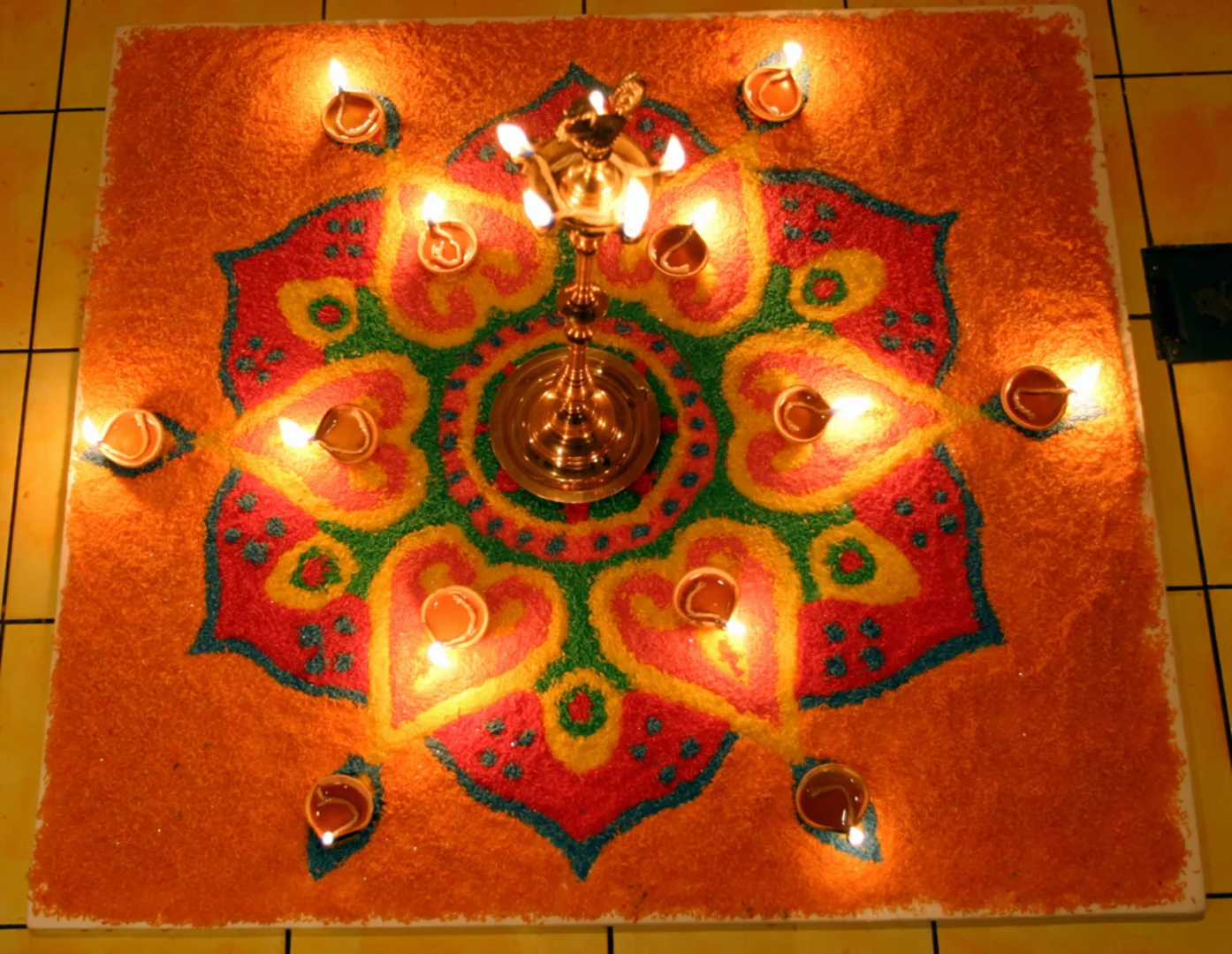
As evening approaches, oil lamps and ornamental lights illuminate homes and neighbourhoods. The lighting of diyas carries deep symbolic significance, representing the removal of darkness and the arrival of hope, knowledge and goodness. Fireworks and festive displays further contribute to the celebratory atmosphere, while cultural programmes featuring traditional music, dance performances and community gatherings provide opportunities to appreciate Indian heritage and customs.
Beyond the festivities, Deepavali carries a deeper message of reflection, renewal and gratitude. Its traditions encourage individuals to embrace positive values, strengthen relationships and appreciate the blessings of life. For Malaysia’s Indian community, the celebration remains an important expression of cultural identity, religious devotion and shared heritage.
Deepavali in Malaysia is therefore more than an annual religious celebration. It is an occasion that brings people together through meaningful traditions, hospitality and a shared appreciation of cultural diversity. Whether through the glow of oil lamps, the preparation of traditional delicacies or the warmth of open-house gatherings, the Festival of Lights continues to illuminate homes and communities, celebrating the enduring values of hope, harmony and togetherness.
Source: Tourism Malaysia